Pleasant Words in the Market of Tzippori
Rabbi Eliezer walked free from a governor's court, then trembled because a heretic's clever question in the marketplace had once pleased him.
Table of Contents
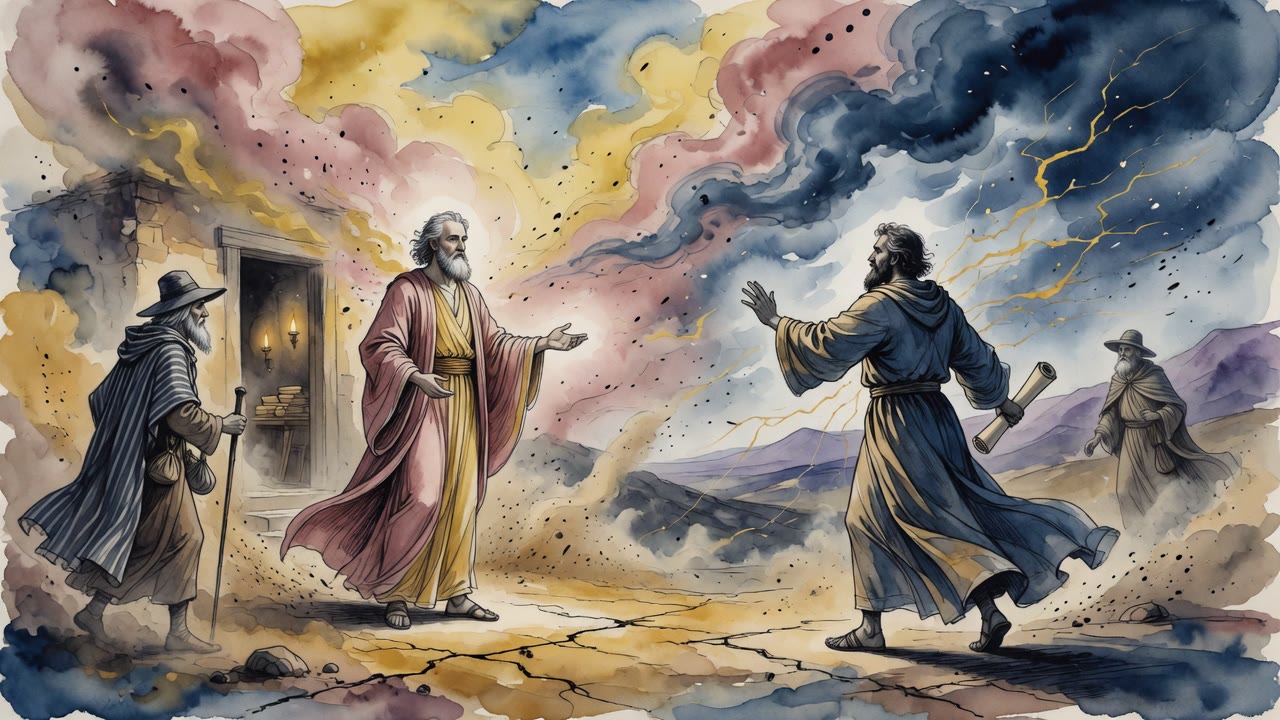
The governor's chair was higher than necessary, and the room smelled of oil and iron. Rabbi Eliezer stood with his wrists free and his mouth careful. They had seized him on a charge of heresy, idle matters, the sort of phrase officials use when they want Torah to sound like a hobby that endangers the state.
 Click for full size
"What do you say to these accusations?" the governor asked.
"I consider the judge trustworthy," Rabbi Eliezer answered. The governor heard flattery aimed at himself. Heaven heard a different address. The acquittal came quickly, as misunderstandings sometimes spare the righteous for the wrong reason.
The Freedom That Would Not Comfort Him
Outside, students rushed to congratulate him. He did not smile. Freedom from a Roman chair did not explain why the accusation had found him at all. Kohelet Rabbah frames weariness around heresy as more than argument. It drains the soul when ideas cut against the root. Rabbi Eliezer felt that drain as a private fever.
Rabbi Akiva waited until the noise thinned, then asked the question that opened the real trial. "Rabbi, did perhaps one of the heretics ever say something before you, and you found it pleasant?"
The market of Tzippori rose in memory like heat from stones.
A Question Beside the Stalls
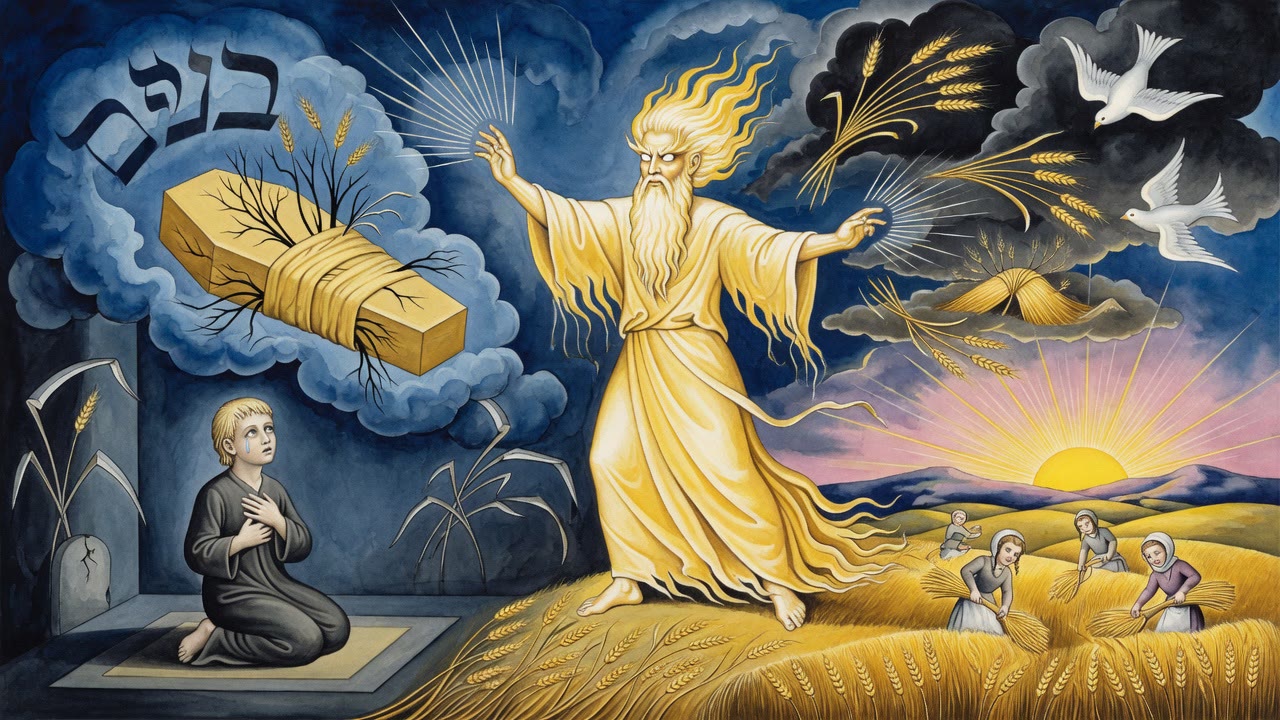
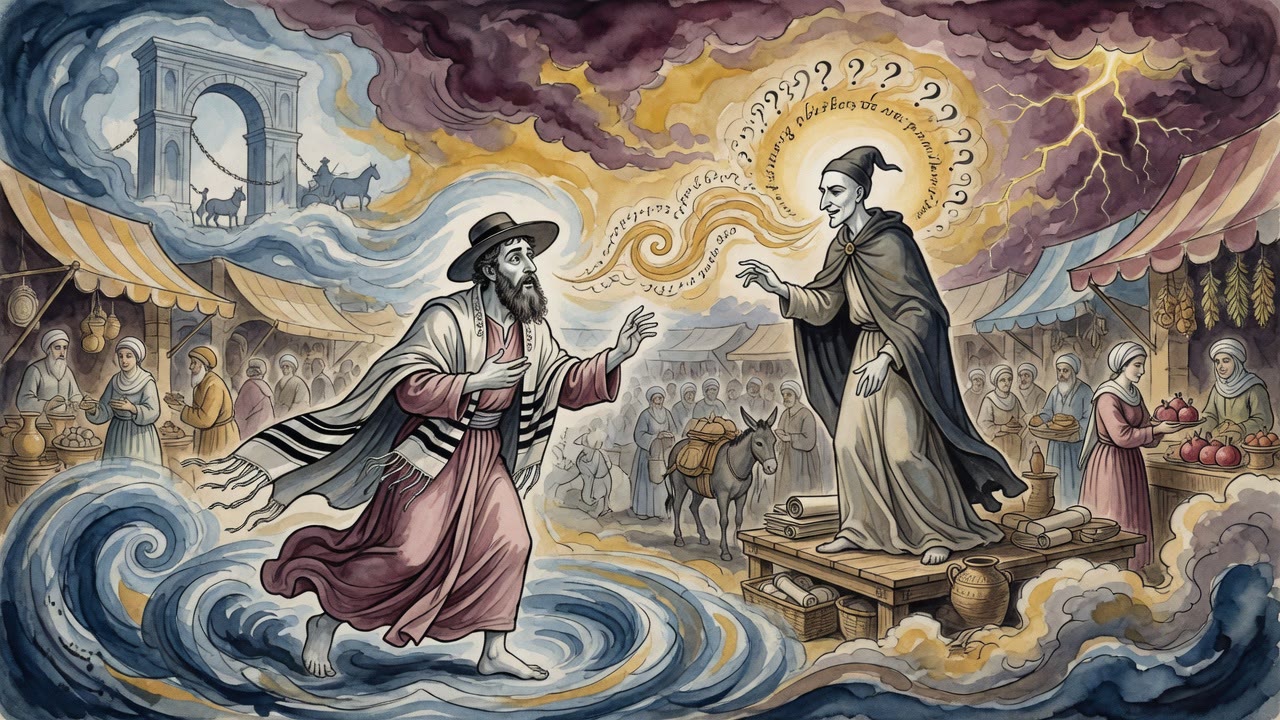
A man named Yaakov of Sikhnaya had approached him among buyers of flax and dried fish. He spoke of the verse that forbids bringing a harlot's fee or a dog's price to the house of the Lord (Deuteronomy 23:19). What, he asked, should one do with such coins if they somehow became dedicated? Build bathhouses and latrines for the Temple complex, he suggested, so foul money serves foul uses, citing, "For from the fee of a harlot she gathered them, and to the fee of a harlot they will return" (Micah 1:7).
Rabbi Eliezer found the argument pleasing. For a moment a halakhah (a ruling of Jewish law) hid from him, and cleverness felt like light. That pleasure, he now understood, had left a crack. Accusation had walked through it later, even when his formal teaching remained loyal. The body remembers what the mouth enjoyed.
He told Akiva. The younger sage did not gloat. Some wounds need naming more than ointment.
What Even Moses Did Not See
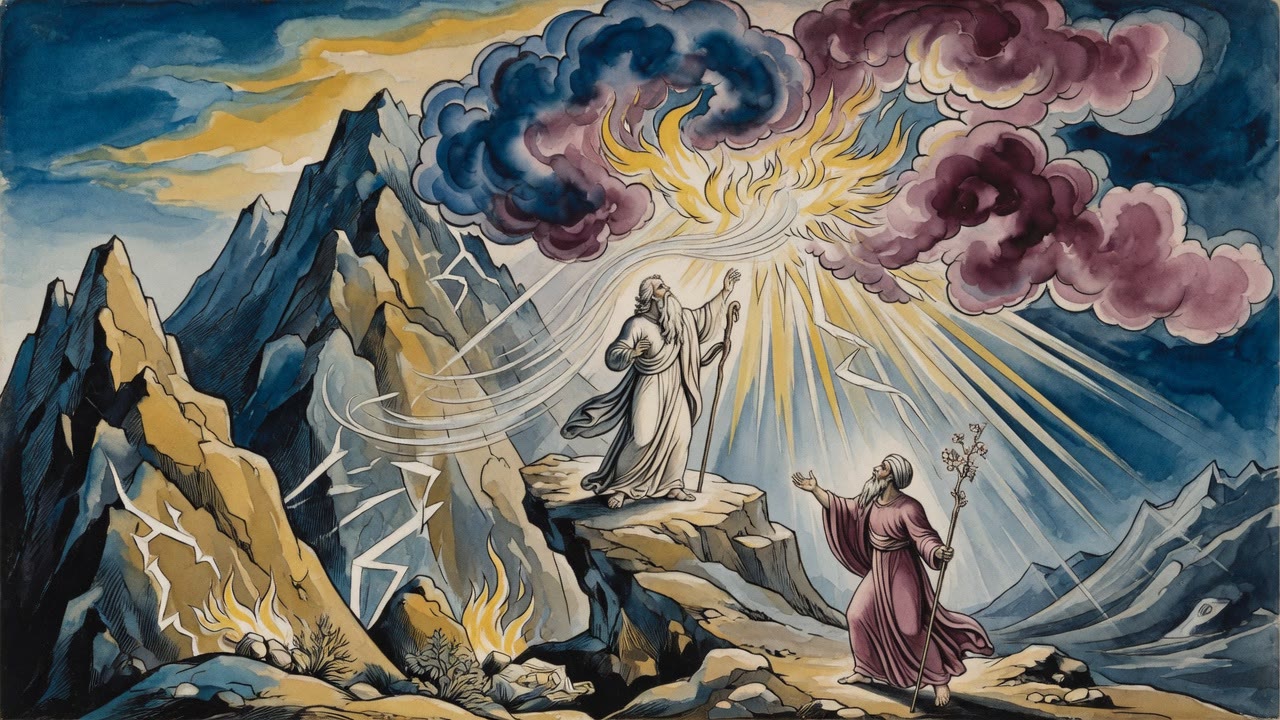
In another chain of teaching, Rav Huna set Psalm and prophet side by side. A day would come when sealed things float plain, like sight returning to a blind man. Isaiah's promise uses a finished tense in the reading: darkness already turned to light for those who can see. For whom? For Rabbi Akiva and his colleagues, who drew meaning even from the crowns of the letters. Rabbi Aha sealed it: matters never unveiled to Moses were unveiled to Akiva. Job's eye that beheld every precious thing becomes, in that midrash, the gaze of sages who find what was stored for later generations.
Rabbi Eliezer, who had once resisted certain new readings in other stories, sat with the paradox. Revelation can deepen after Sinai without canceling Sinai. The danger is not every new insight. The danger is the pleasant spark that comes from a mouth already turned against the covenant's frame.
Flogging in Tyre
Not every sharp correction is Roman. In Tyre, Yaakov of Nevurya ruled that the son of a gentile woman should be circumcised even on Shabbat, leaning on verses about birth and household. Rabbi Hagai summoned him, heard the prooftexts, and ordered forty lashes. "Shall a person who states a matter from the Torah be flogged?" Yaakov cried. Rabbi Hagai held firm. A verse in the mouth is not yet a ruling the community can live. He pressed with a counter-case: do we violate Shabbat or Yom Kippur for an adult convert's circumcision? No. The boundary held, and pain taught where cleverness had overreached.
Rabbi Eliezer heard that report in later years and recognized a cousin to his own story. One man tasted pleasant heresy in a market. Another tasted certainty that outran the law's care. Both needed a body to flinch before the mind would humble itself.
Walking Home Without Applause
After the governor, Rabbi Eliezer walked home by side streets. He did not preach that night. He sat with the memory of Tzippori until the pleasure in Yaakov's words finished dying. Students wanted a heroic tale of clever speech before power. He gave them a quieter moral: watch what delights you when the speaker does not love the same root you serve.
Akiva, who would one day read crowns Moses never explained, still began from loyalty. Insight without covenant becomes theater. Covenant without courage becomes a cage. Between them the sages walk, sometimes free from a governor, never free from the market where a sentence can please before it is tested.
← All myths