The Prayer Leader Who Emptied a City of Coins
A ragged prayer leader walked into a country that ranked people by wealth as gods or animals, and spoke until some left their coins for the wilderness.
Table of Contents
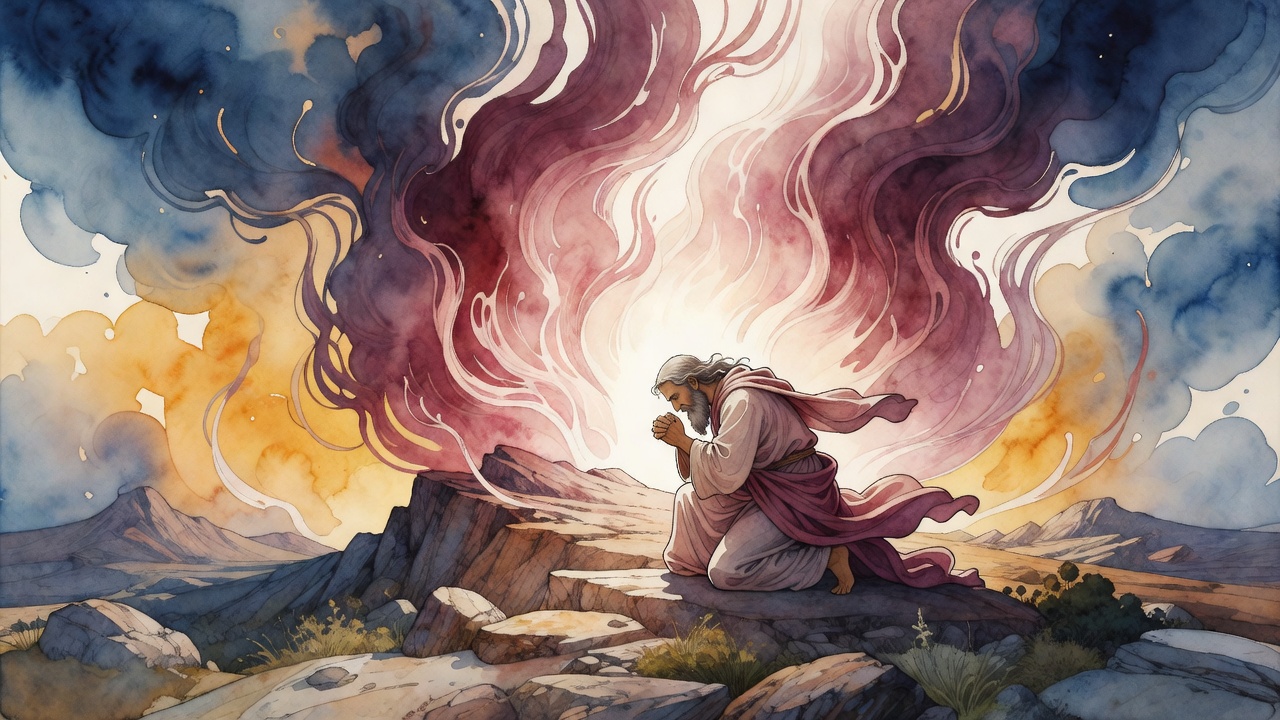
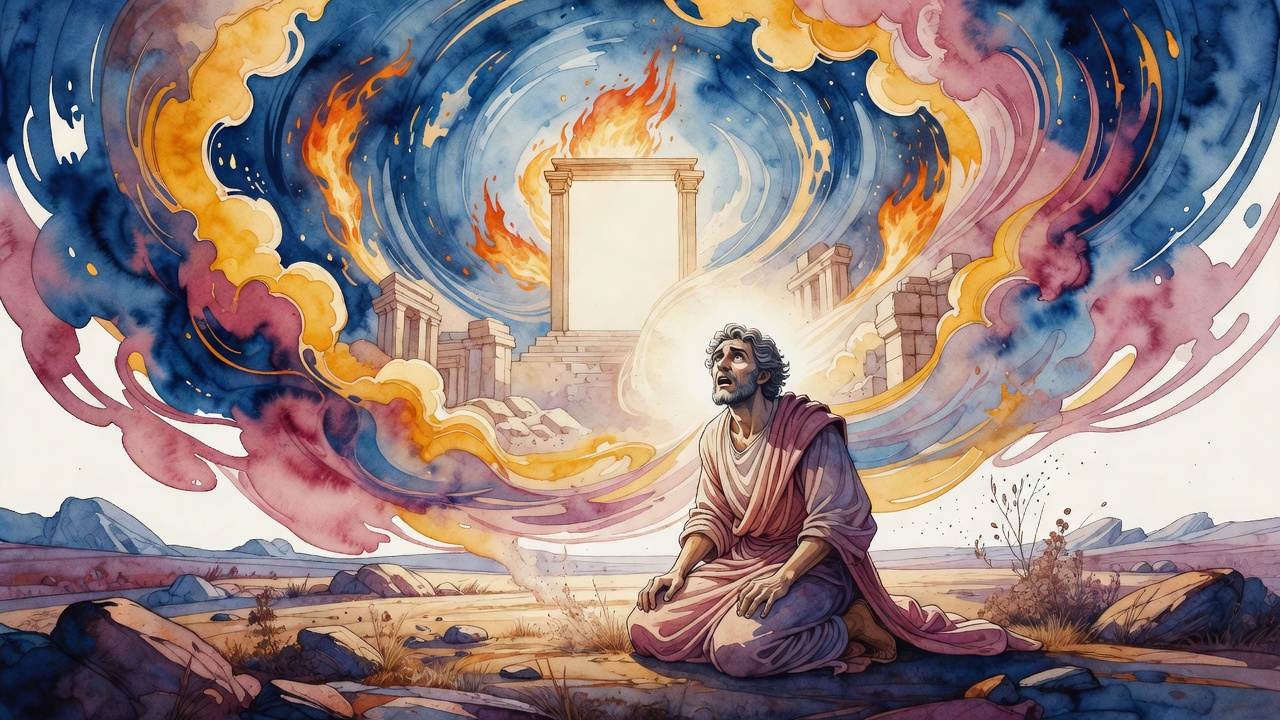
The Baal Tefilah lived outside the towns where money made the rules. His days were prayer, song, and praise until the hours blurred. When he entered a settlement he did not look for the rich first. He looked for the overlooked, the ones whose names never reached the ledgers, and he spoke to them about purpose as if purpose were bread.
 Click for full size
His message never softened. The only real work of a life is service of God. Wealth, rank, comfort, and the noise of status are empty shells. When a heart opened, he took that person back to the wilderness. Fruit from trees. Water from a river. No chase after cloth. The world had nothing they wanted.
The circle grew. Some of his people learned to enter towns themselves and bring others out. The movement was slow and stubborn, soul by soul.
The Country That Made Gods of Coins
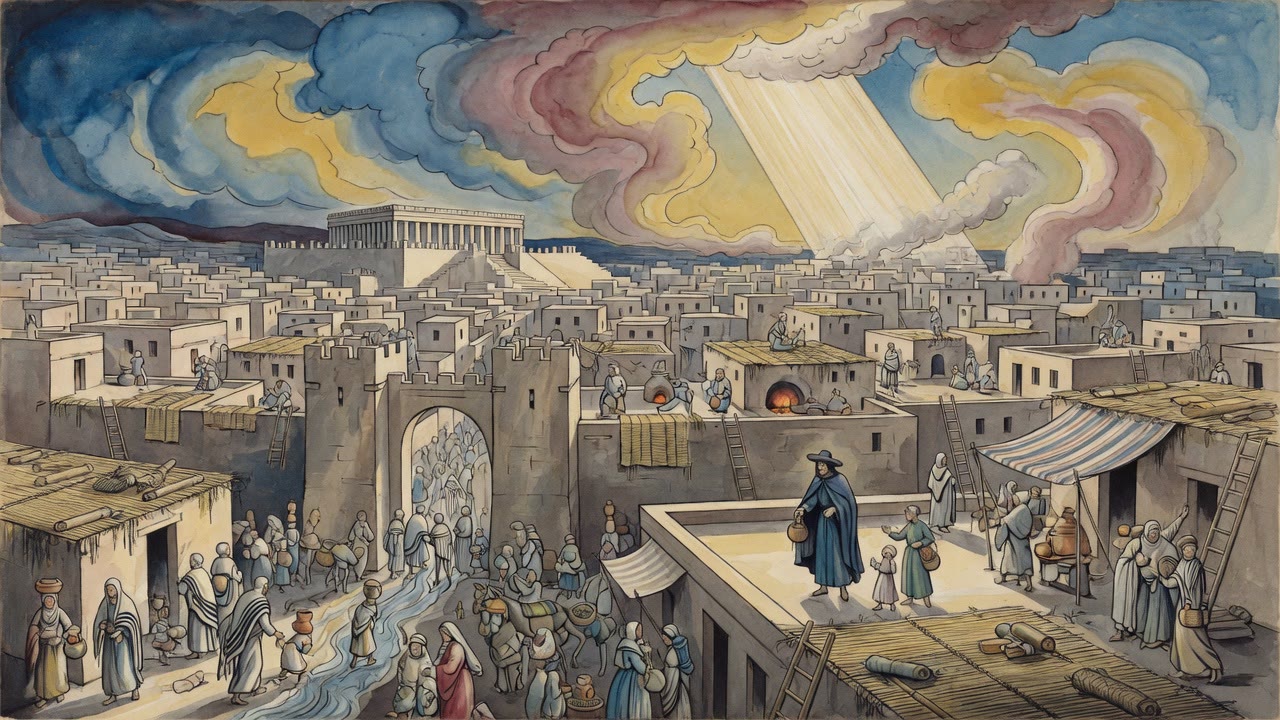
In one country the people had reorganized the whole of life around money. Citizens were ranked by net worth. Those below a line were called animals. Those above another line were declared gods walking among men. Love, justice, truth, and beauty were priced, weighed, and sold. The only measure that counted was the measure that glittered.
The Prayer Leader entered that country in rags and told them their worship was misplaced. They laughed. A man without a coin, eating berries, calling their civilization a lie, looked like a joke that had learned to walk. Some pitied him. Others wanted him locked away for spoiling the market of meaning.
He did not raise an army. He kept speaking to the ones who still flinched when a neighbor was called an animal for being poor.
An Alphabet of Wrong Priorities
An older proverb had once listed a life's checklist as if it were wisdom: acquire money, find a good wife, fear God, accumulate sons even to a hundred. The order can harden into an idol if money sits first and fear of God is only an afterthought on the same list. In the coin-country that order had become law. Fear of God was rebranded as fear of falling below the line.
The Prayer Leader reversed the list with his body. He owned nothing and feared only the emptiness of a day without prayer. People who watched him long enough felt the checklist crack. A wife, children, and bread still matter. They matter as gifts under Heaven, not as trophies in a ranking of gods and beasts.
One merchant left his counting house at dusk and followed the ragged man to the river. He did not announce a conversion. He simply stopped answering to his total.
Scattered Court, One Mission
The longer tale around the Prayer Leader fills with other figures: a Mighty Warrior, a Wise Man, a King, a Bard, a Faithful Friend. Once they had served together in a royal court that held the world in harmony. A storm scattered them. Each forgot the others. The Prayer Leader's work was not only to peel people off the worship of coins. It was to reunite the scattered forces so the old music could be heard again.
Money-country was the world after the storm, loud and sure of itself. The tzaddik (a righteous person) was the one who still remembered the tune. He hunted not for gold but for the missing members of a broken court, each of them a divine attribute walking around amnesiac in human clothes.
When he found one, the wilderness camp gained another voice. Prayer thickened. The river sounded less lonely.
What Leaves with You
Some who laughed stayed laughing. Empires of ranking rarely collapse in a single sermon. Others packed almost nothing and walked out under the trees. They discovered that fruit and water can hold a body while praise holds a soul. The country called them fools. They called the country a market that had forgotten it was a world.
Acquire money if you must feed a house. Fear of God is not an item on the same shelf. The Prayer Leader's path makes the difference visible: one hunger ends when the purse fills, the other deepens when the mouth opens in song.
At night around the river the new arrivals learned the old calendar of the heart. Serve. Sing. Do not sell the measure of a person. If a city names the poor animals and the rich gods, leave the naming behind even if you must leave the city too.
The coins stay in the vaults. The people who walk out take the only wealth that survives a storm: a purpose that does not need a price.
In the money-country market a boy sold water at a price that changed with each customer's clothes. The Prayer Leader bought nothing and still left the boy with a question heavier than a coin. Who told you a thirst is worth more in a rich throat than in a poor one? The boy had no answer. That night he followed the sound of singing out past the walls.
Not every recruit stayed. Some returned to the ranked streets because hunger for status is its own addiction. The ones who remained learned to measure a day by whether praise had been real. Ledgers cannot track that. Rivers can.
← All myths