5 min read

Heaven and Earth Trembled When One Man's Prayer Struck the Throne

Masters of the Mishnah watched prayer leave a mouth and strike the Throne. Beasts fled, ophanim shook, and speech finished what altars once did.

Curated by Arthur · Told by Maggid ·
Table of Contents
  1. The Stones Left His Mouth
  2. Four Prayers, One Complete Throw
  3. The Temple Built of Approach Alone
  4. When the Throne Accepts a Blow
  5. The Crown That Follows the Throw
Heaven and Earth Trembled When One Man's Prayer Struck the Throne Click for full size

The Stones Left His Mouth

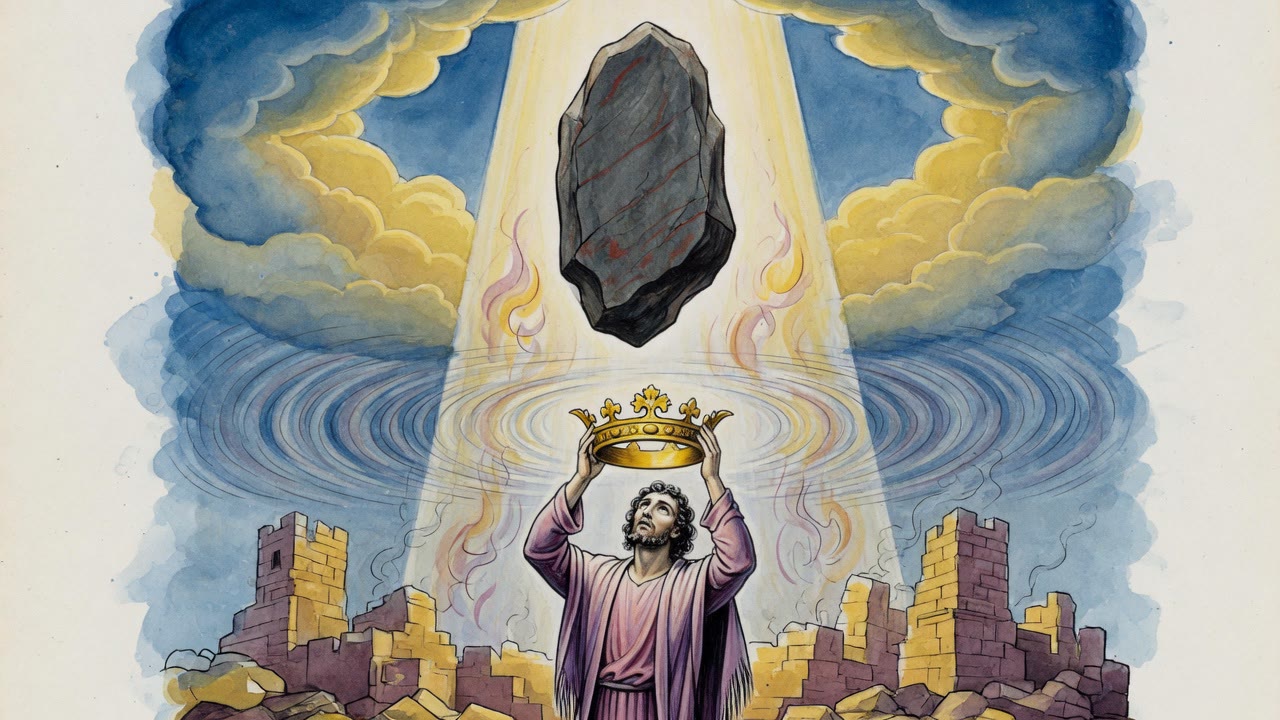
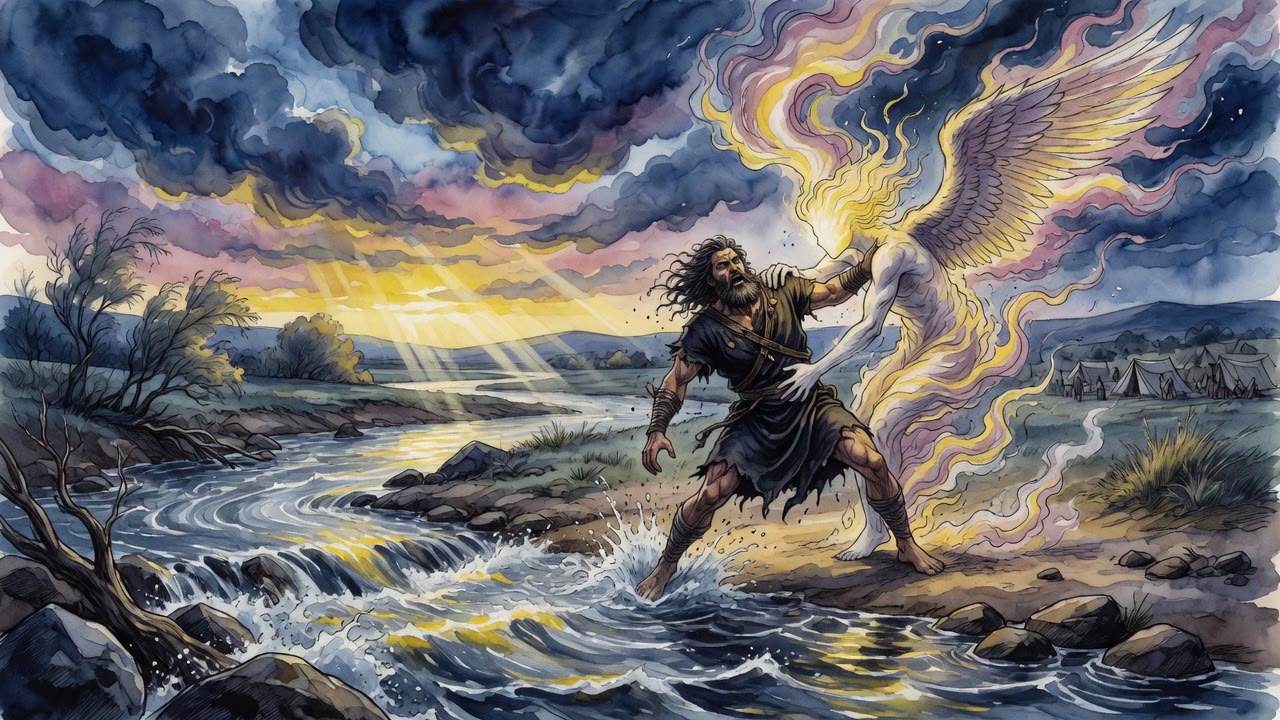
The room went still before the last syllable landed. A master stood with his feet planted and his hands empty, yet the Masters of the Mishnah cried out as if he had hurled rocks into a palace court. "Rabbi! Rabbi! How powerful are the stones that you have thrown, with which the heavens and the earth tremble!" Beasts bolted. Birds dropped mid-flight. Cattle fell where they stood. Above them the glorious Throne shuddered, and the ophanim (אופנים), the wheeled angels of movement, shook as if a road under their rims had cracked.

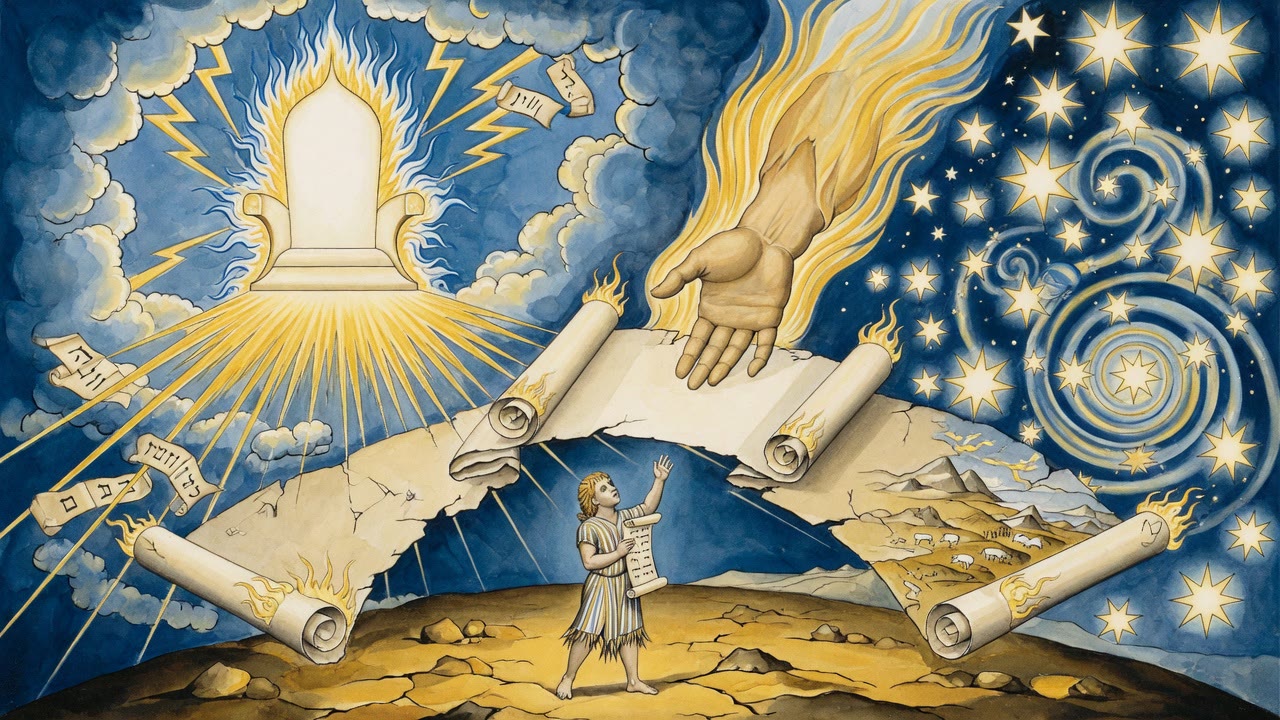
No rock left his palm. The stones were words finished in their rows, prayer shaped the way the breastplate once held four ranks of gems (Exodus 39:10). Each word struck as if weight had finally found a target. The lower world fled the impact. The upper world did not flee. It absorbed the blow and rearranged itself around the force.

Four Prayers, One Complete Throw

He did not scatter the day. He bound it. Morning, afternoon, evening, and the additional service of sacred time, Musaf, locked into a single throw. Incomplete stones rattle and die. Complete stones travel. The Masters watched him produce them whole, not as slogans but as pressure, each service leaning into the next until the four became one strike.

Outside, a cart horse refused its bit. In the rafters, dust lifted without wind. The prayer was not loud. Loudness is a human measure. What left him carried mass. Heaven counts mass differently from volume. A quiet mouth can still move a beam.

The Temple Built of Approach Alone

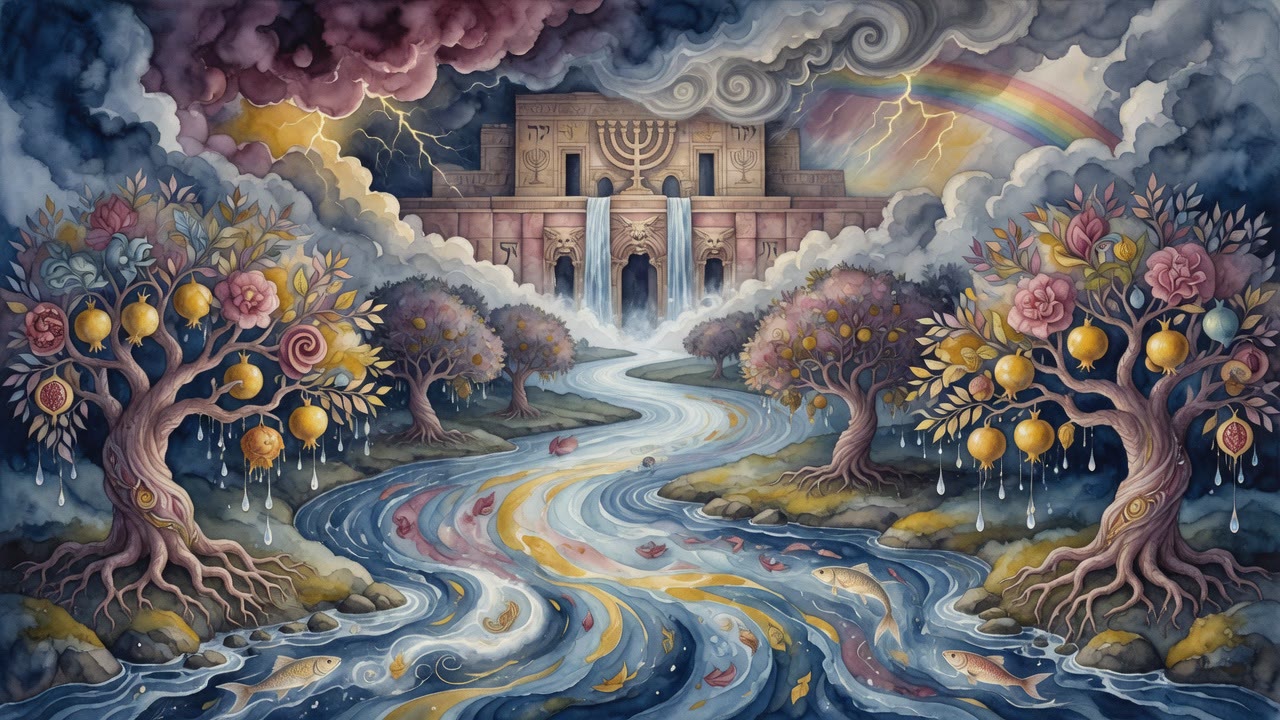
While the stones still rang, another architecture rose around him, not of cedar and gold but of approach. The right side took the form of a priest, and from that side the Crown of Priesthood opened. Loving-kindness, chesed (חסד), was not a mood. It was the hand that may enter first. A human who comes with service and devotion steps into that hand whether or not a linen tunic is on his shoulders.

The Middle Pillar held like a king in balance, the path that refuses both collapse and cruelty. On the left, severity woke. The Great Court lit. Fire climbed from that side and burned whatever in the prayer was false, flattering, or half meant. The man felt heat behind his teeth and did not stop. Impurity does not negotiate. It burns or it stays.

When the Throne Accepts a Blow

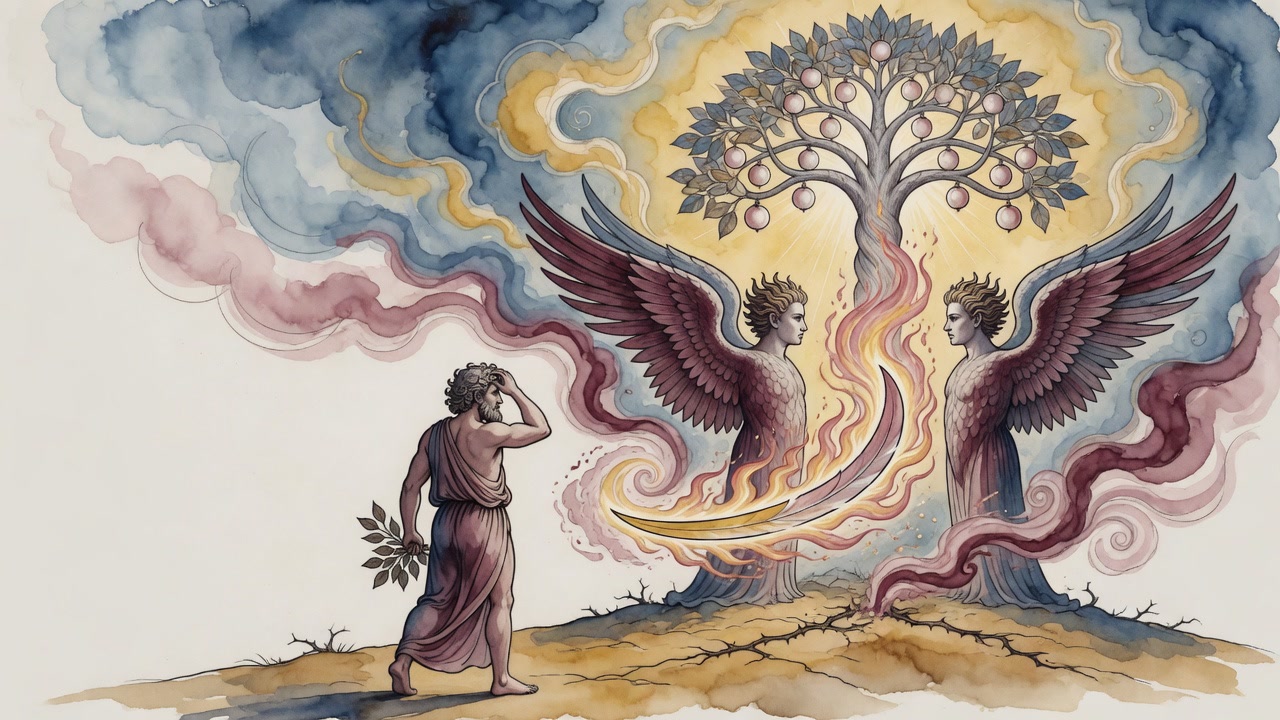
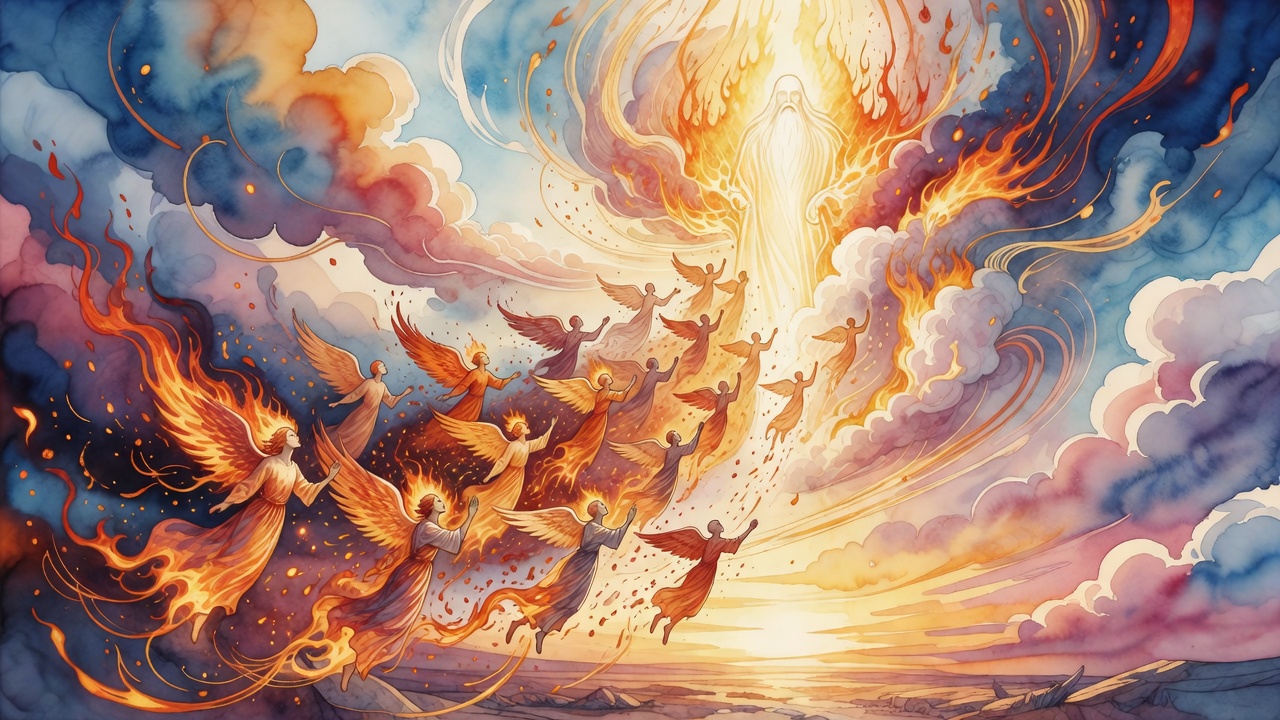
Angels do not flinch for poetry. They flinch when a mortal finds the hinge. The ophanim rolled and checked themselves. The Throne, which does not wander, shifted as if weight had been redistributed. Below, animals still fled the aftershock of a language they could not parse and still could not ignore. Creation is one body. A strike on the upper rib makes the lower limbs jump.

God did not silence the prayer. Silence would have been refusal. The tremble was admission. The stones had arrived complete. The four rows held. The additional prayer closed the set. What altars once did with blood and fire, this mouth had done with ordered speech, and the court of heaven treated the arrival as a real offering, not a metaphor left to cool on a page.

The Crown That Follows the Throw

After the fire of the left had done its work, the crown did not sit as decoration. It sat as permission. Priesthood without a Temple is still priesthood when the approach is clean. Kingship without a throne room is still kingship when the middle path holds. The master lowered his hands. The Masters of the Mishnah stayed on their feet a moment longer, as people do when a room has been rearranged and the body has not yet learned the new map.

Somewhere a bird tried its wings again. Somewhere a beast stopped running and listened. The stones were gone from the air. Their work was not. Heaven and earth had been made to know that a finished prayer is not a wish. It is a projectile aimed at the only court that can still be moved by human force.

A junior student near the wall put both hands over his ears and still felt the pressure in his teeth. The Masters did not cover their ears. They had asked for a life of words that weigh something, and now the weight had arrived. One of them whispered the breastplate rows under his breath, counting stones the way a soldier counts arrows after a volley. Four rows. One throw. The room answered with a second silence, thicker than the first.

Outside in the alley a dog that had been barking for an hour went flat to the ground. No whip had struck it. The prayer had. The master finished the last service and the fire of the left side cooled to embers behind his eyes. He tasted metal and honey. That is what remains when judgment burns the false parts and leaves the true ones standing.


← All myths

From the tradition

Sources

2 sources

The texts behind this telling. Some cards carry a translation of the source; others are our own retelling of it, and each card says which. Every card links out to the original.

Tikkunei Zohar 123:5Tikkunei Zohar

Retold in our words. Read the original at the link below.Sefaria-hosted English translation · CC-BY

They’re powerful forces, capable of shaking the very foundations of existence.

In Tikkunei (spiritual repair) Zohar 123, we encounter a fascinating scene. The Masters of the Mishnah, the sages who compiled the core of Jewish law, are in awe of someone – we don't know exactly who, but imagine a master Kabbalist – and the sheer force of his spiritual practice. They exclaim, "Rabbi! Rabbi! How powerful are the stones that you have thrown, with which the heavens and the earth tremble!"

Stones? What stones are they talking about?

The text goes on: "...and the beasts and cattle and birds all flee, some of them falling to the ground, and the glorious throne and angels and ophanim, they all tremble from your stones.” The ophanim are a type of angel, often associated with wheels and movement, signifying the dynamic nature of the Divine. The image is intense! The very structure of the cosmos is reacting to the power unleashed.

The "stones" here aren't literal rocks, of course. They are metaphors for the potent words of prayer, specifically the four rows of stones mentioned in (Exodus 39:10), which are somehow "all one." This points to the interconnectedness of everything, and how focused intention can bring seemingly disparate things together.

Now, what does it mean to "produce these stones complete"?

The Tikkunei Zohar continues, "Worthy is the one who produces these stones complete, with his prayer, through the four prayers, together with the Additional Prayer – Musaf...". Musaf is the additional prayer service recited on Shabbat (the Sabbath) and holidays. The text then quotes (Deuteronomy 27:6), "Of Complete stones you shall build...".

The key here is completeness. Not just rattling off the words, but investing them with intention, with kavanah. It’s about bringing your whole self to the act of prayer. It’s about aligning your heart and mind with the words you’re saying. And according to the Tikkunei Zohar, when you do that, when you offer these "complete stones," you’re not just praying – you're building. You're building something powerful, something that resonates through the heavens and the earth.

" Remember the potential within each word. Remember that prayer isn't just about asking for things. It's about building, creating, and connecting to something far greater than ourselves. What will you build today?

Full source
Tikkunei Zohar 124:12Tikkunei Zohar

Retold in our words. Read the original at the link below.Sefaria-hosted English translation · CC-BY

Especially the Tikkunei (spiritual repair) Zohar, a later addition to the Zohar, the foundational text of Kabbalah. It dives deep into the hidden meanings of the Torah, offering radical and often mind-bending interpretations. And Tikkunei Zohar 124 gives us a glimpse into the mystical architecture of prayer itself.

A temple, not made of stone, but of pure spiritual energy.

That "the right-hand is ‘the priest’," and that from this side emanates the "Crown of Priesthood." In Kabbalah, the right side generally represents chesed (Lovingkindness), loving-kindness, and the priestly role is all about service and devotion. So, the very act of approaching God with love and service is a priestly act in itself.

Then we have the "Middle Pillar," which the text equates with the King. This pillar represents balance, harmony, and the central path. The King, as the embodiment of justice and leadership, stands as a bridge between the divine and the earthly.

But things get interesting – and a little fiery – when we move to the left side. Here, we find Gevurah (Severity), often translated as strength or judgment. From this side emerges "the Great Court," a place of intense scrutiny. The text ominously adds that "a fire emerges from there and burns him." Who is being burned? Well, the implication is that any impurity, any lack of sincerity in our prayer, is consumed by this purifying fire. It’s a stark reminder that prayer isn't just about saying the right words, but about approaching God with a pure heart.

There's a missing section here, but luckily, we can find it in Tikkunei Zohar Ḥadash 24c. It adds an important detail: "there is a fifth arrangement in prayer." What this "fifth arrangement" might be is not explicitly stated, but perhaps it refers to the culmination of the other four – a state of complete devotion and connection with the Divine.

And then, a beautiful image: "when the priest emerges in peace from the Chamber, then the Levites are aroused in song." The Levites, in ancient times, were responsible for the music and song in the Temple. So, when the priest, representing our sincere efforts in prayer, emerges "in peace" – having navigated the fire of Gevurah – then joy and celebration erupt. Our prayers, when offered with sincerity and devotion, awaken a chorus of praise in the heavens.

The text concludes by stating that “Prayer is like sacrificial-offering, as the earlier-ones established." As the Talmud tells us in Berakhot 26b, “They fixed prayers to correspond to permanent offerings.” Prayer, therefore, isn't just a conversation; it's a spiritual offering, a way of drawing closer to God through ritual and intention. Just like the sacrifices of old, prayer requires dedication, focus, and a willingness to confront our own imperfections.

So, what does this all mean for us today?

Perhaps it's a reminder to approach prayer with a sense of awe and reverence. To recognize that we're not just reciting words, but participating in a cosmic drama. And maybe, just maybe, if we're willing to face the purifying fire, we can emerge from the Chamber in peace, ready to join the Levites in song.

Full source