5 min read

Rabbi Shimon Saved His Last Secrets for One Room

Rabbi Shimon bar Yochai was dying. He told a handful of students what he had never said out loud, and souls came up from Eden to listen.

Curated by Arthur · Told by Maggid ·
Table of Contents
  1. A Room Small Enough for Truth
  2. What the Greater Assembly Could Not Hold
  3. A River That Does Not Fail
  4. After the Last Teaching
Rabbi Shimon Saved His Last Secrets for One Room Click for full size

A Room Small Enough for Truth

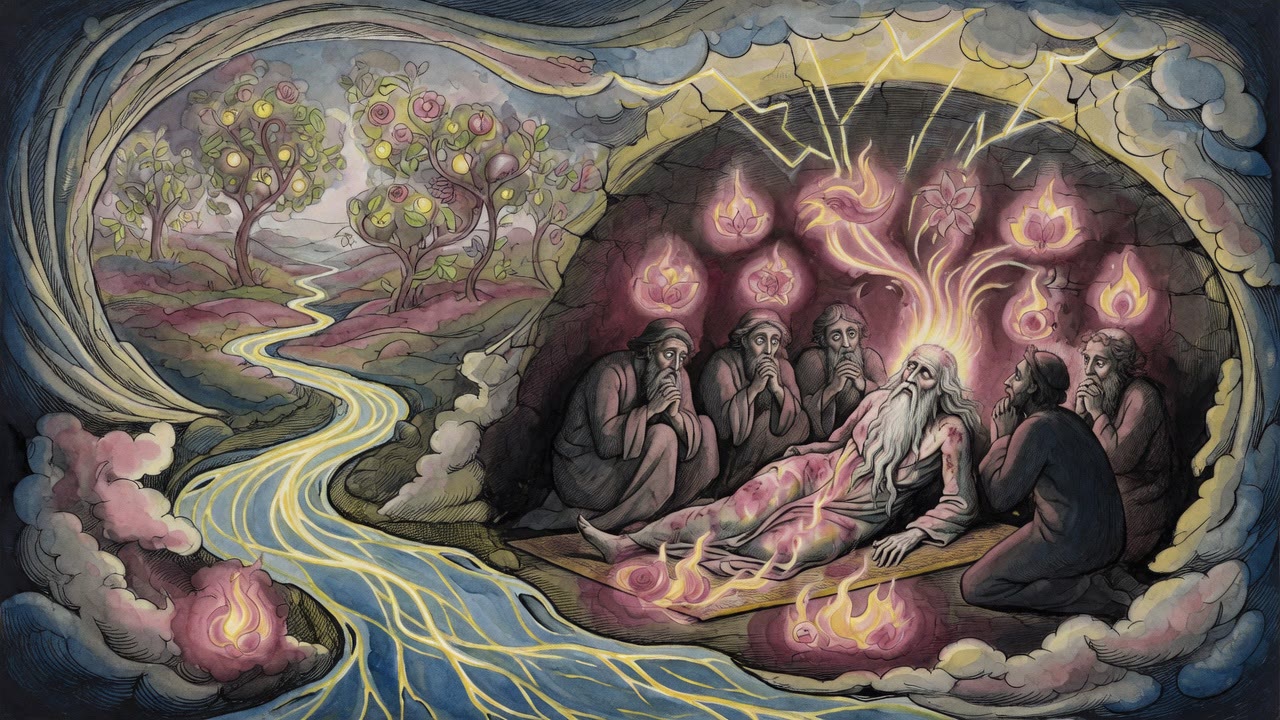
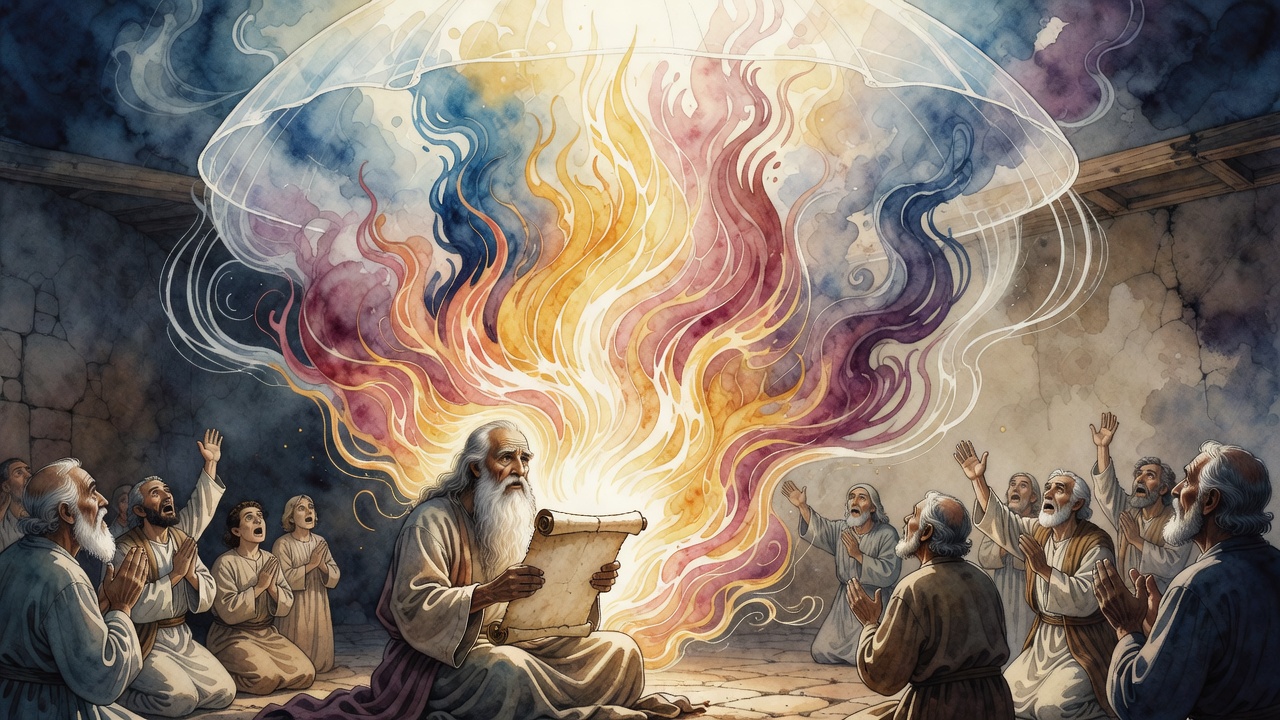
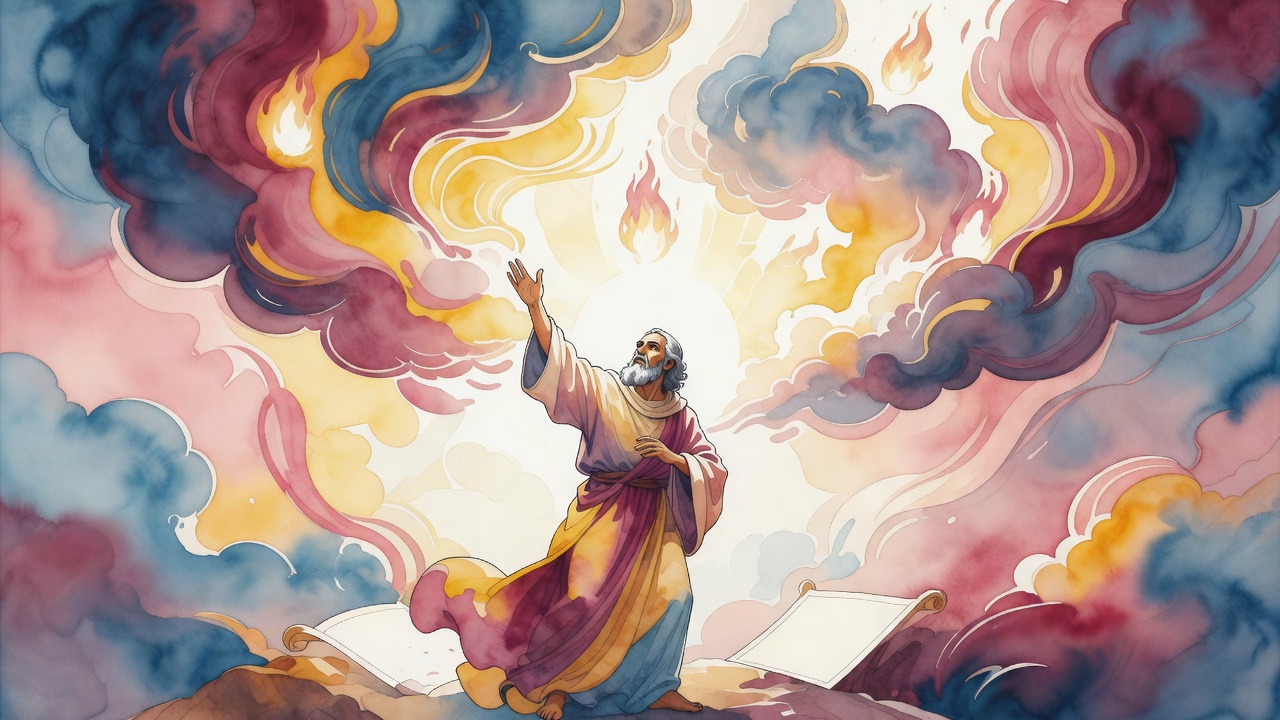
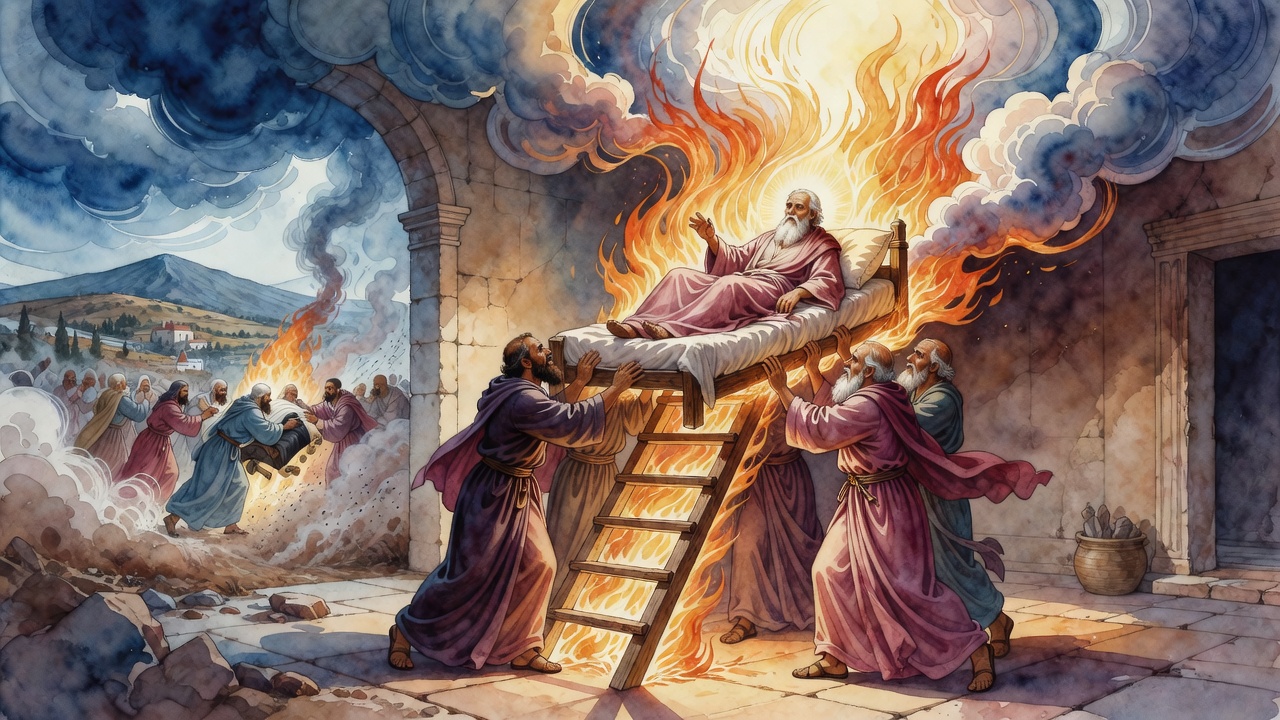
Rabbi Shimon bar Yochai sat among a few disciples while his body prepared its last argument with air. This was not the Greater Assembly, where chariots and public majesty had filled the teaching. This was the lesser room, the Idra Zuta, a circle tight enough that a whisper could reach every ear without climbing into performance. He told them he had held matters back before. I have not revealed everything, he said. These things stayed in my heart until now. He had meant, once, to save them for the world to come, where souls are questioned about wisdom and knowledge as stores of stability (Isaiah 33:6). Death's nearness changed the schedule. What he had reserved for heaven he now poured into living men who still blinked and sweat.

The air in the room thickened with more than heat. He said that here God came not only with chariots but with righteous souls from the Garden of Eden, an honor that startled even a teacher used to wonders. God takes delight in honoring the righteous, he taught, even more than in receiving honor Himself. The proof he offered was hard: Jeroboam's hand withered not first for calves of gold but when he stretched that hand against a prophet (1 Kings 13:4). Heaven's patience with idolatry snapped faster when a mouth of truth was struck.

What the Greater Assembly Could Not Hold

In the Greater Assembly the vision had been public thunder. Here the vision was intimate and final. Disciples leaned forward until their knees ached. Someone's cup sat untouched. Rabbi Shimon spoke of configurations of the divine face, of patience longer than judgment, of matters that damage lower structures yet cannot reach the highest long face of mercy. He was not decorating dying hours with poetry. He was emptying a vault before the door closed.

Outside, ordinary Galilee light continued. Inside, the lesser assembly became a hinge between worlds. The righteous dead were not props. They were witnesses that the teaching belonged to more than one generation's lungs.

A River That Does Not Fail

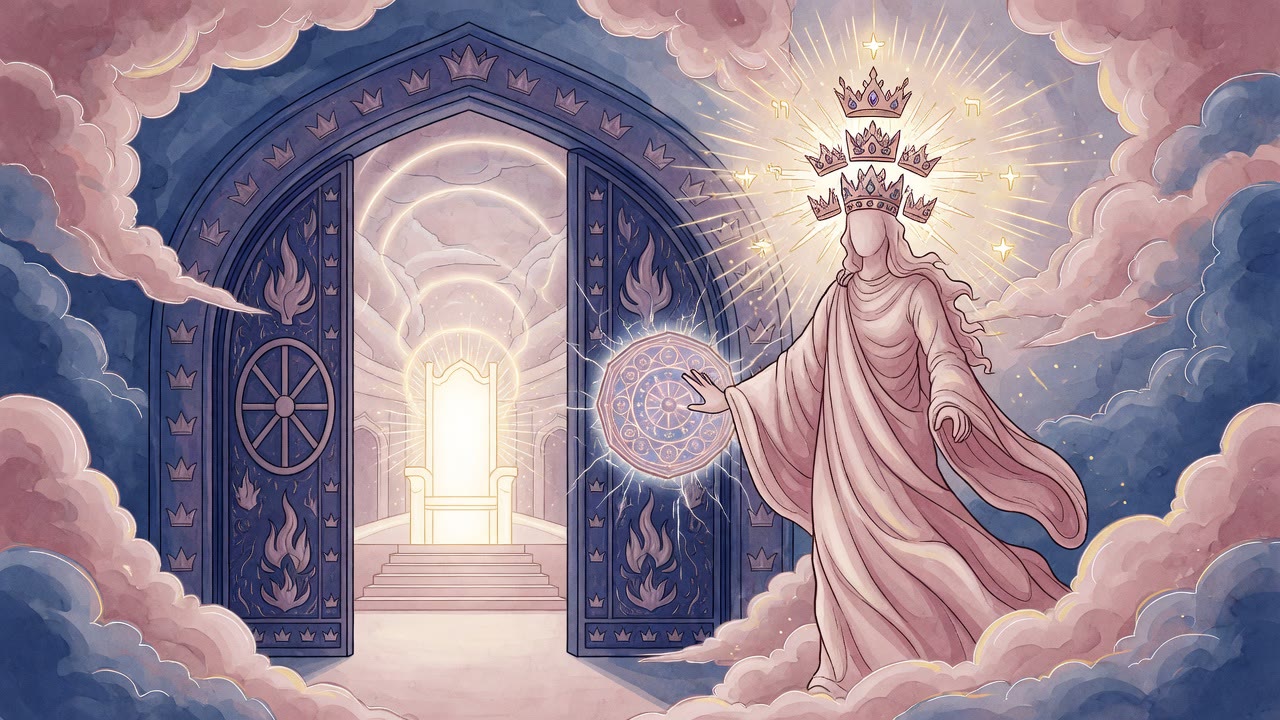
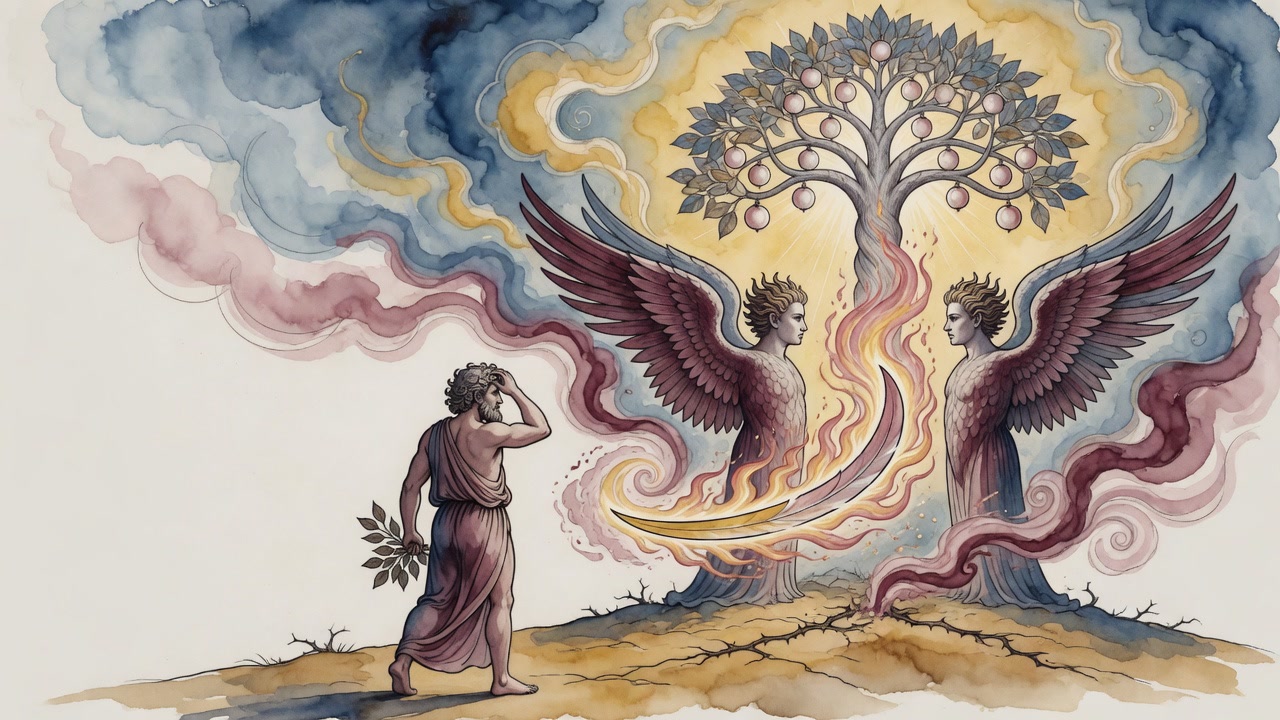
He named a river that never ceases, understanding flowing from wisdom the way a spring leaves Eden to water a garden. That river, he said, is the world to come for those who merit it, Binah returning toward Chochmah, lower Eden drinking without end. Isaiah's promise of a spring whose waters fail not stood in the room like a second teacher (Isaiah 58:11). Male and female principles of the divine flow, garden and river, longing that does not break. Abba and Imma emerge as one, dwell as one, and do not abandon each other. From that bond the smaller face of divine emotion approaches the bride of kingdom, and creation keeps receiving what it cannot generate alone.

A dying man speaking of unending water is not irony. It is defiance of drought. The disciples would leave the room into a world of Rome's pressure and scarce safety, carrying a river in words.

After the Last Teaching

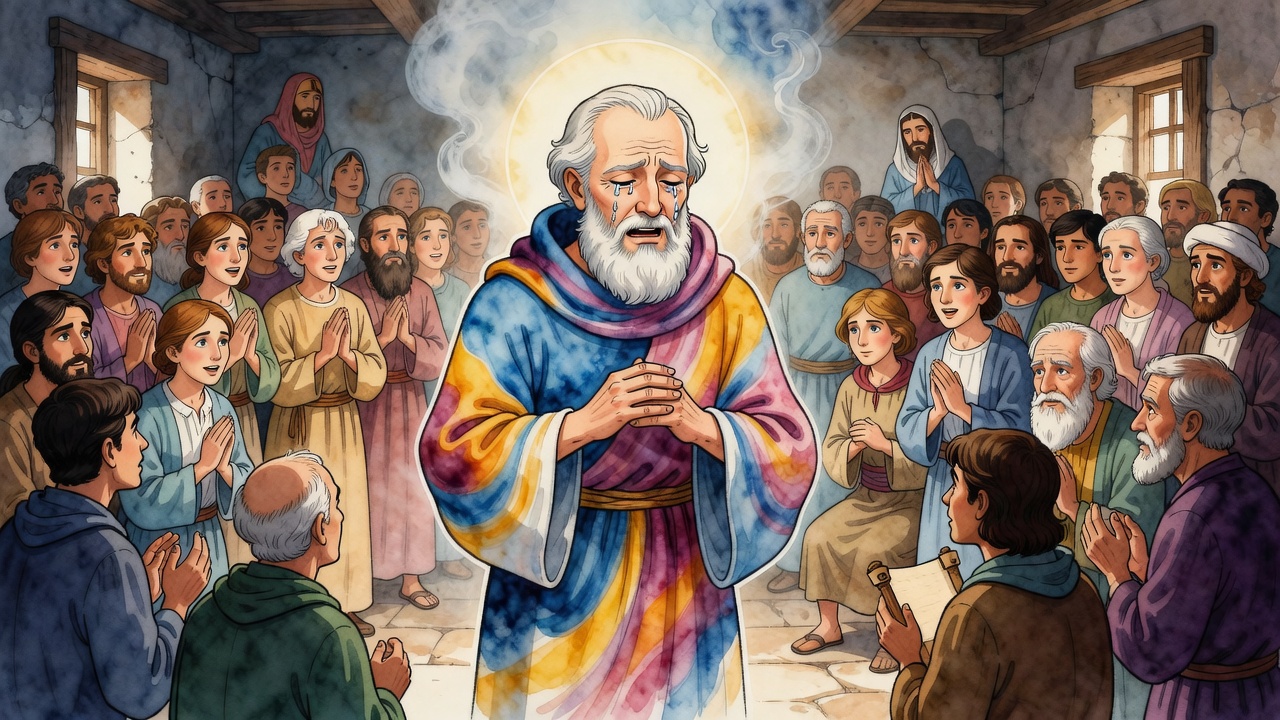
When the session ended, some were weeping without sound. Others sat as if movement would tear the fabric of what they had heard. Rabbi Shimon's body was failing, but the teaching had been moved from heart-vault to shared custody. That was the point of the lesser size. A crowd can cheer a chariot. A room can receive a will.

Later readers would call the record Idra Zuta and place it among the Zohar's most charged pages. In the hour itself there was only a teacher who refused to die with the vault locked, a few students who would spend lifetimes opening what they could barely hold, and a claim that heaven prefers to honor the righteous even while chariots wait. The river kept its name. The garden kept drinking. The small room became larger than the great assembly because final honesty is a kind of space no hall can imitate.

One disciple later tried to repeat a single image, the river that never fails, and found his voice break on the word never. That break was also faithful. Unending things are hard on temporary throats. Still he said it again, because Rabbi Shimon had not saved the secret for a safer century.

One student later admitted he had come expecting eulogies and left carrying architecture: faces of the divine, rivers, gardens, bonds that do not break. He could not repeat every name cleanly. He could repeat the posture: lean in, do not perform, receive what a dying teacher risks. Another student kept hearing the withered hand of Jeroboam whenever powerful men raised arms against truth-tellers in the market. The lesser assembly had turned politics into theology without slogans. Strike a prophet, and heaven's patience shortens. Honor the righteous, and God Himself seems to prefer their honor.

Night settled on the road home. The river teaching walked with them like a sound under speech. They would argue for years about how Binah waters the garden and how the smaller face approaches the bride of kingdom. They would not argue about whether Rabbi Shimon had been stingy. He had been precise. He saved the last keys for a room that could hold them without turning them into festival noise. In that precision the disciples found a kind of love: not every secret is a failure to share. Some secrets wait for the hour when sharing is the only fidelity left.


← All myths
From the tradition

Sources

4 sources

The texts behind this telling. Some cards carry a translation of the source; others are our own retelling of it, and each card says which. Every card links out to the original.

Idra Zuta 1:7Idra Zuta

Retold in our words. Read the original at the link below.Idra Zuta, The Small Gathering, trans. Michal Ricardo · CC-BY

Idra Zuta turns to Rabbi Shimon's Mystical Vision at the Assembly.

The setting? A mystical gathering, a moment of profound revelation. Rabbi Shimon bar Yochai, a central figure in the Kabbalah, the Jewish mystical tradition, is speaking to his close circle of students. He's reflecting on another gathering, the "Greater Assembly," described in the Torah portion of Naso.

What makes this Idra Zuta so special? Rabbi Shimon emphasizes a key difference: In the Greater Assembly, God appeared with his celestial chariots, a majestic, awe-inspiring vision. But here, in the Idra Zuta, God appears accompanied by the righteous souls from the Garden of Eden, Gan Eden (the Garden of Eden, paradise). This, Rabbi Shimon declares, is unprecedented.

Why is this so significant? The text hints at a fascinating idea: God takes even greater delight in honoring the righteous than in receiving honor Himself.

To illustrate this, Rabbi Shimon brings up the story of Jeroboam. Now, Jeroboam wasn't exactly a model citizen. As we learn in the Book of Kings (I Melachim), he led the people of Israel into idolatry. Yet, God was patient with him. But when Jeroboam raised his hand against the prophet Ido, his hand withered instantly. "And his hand, which he put out against him, dried up" (I Kings 13:4).

The key? It wasn't the idol worship that brought swift retribution, but the act of harming a prophet, a representative of God. This shows, Rabbi Shimon argues, that God values the honor of the righteous.

The passage concludes with a powerful statement: God delights in their honor, in the honor of Rabbi Shimon and his companions, seeing that the righteous from the Garden of Eden have accompanied Him. It is a moment of profound connection, where the earthly and heavenly realms meet in a shared recognition of righteousness.

What does this tell us? Perhaps it's that our actions towards others, especially those who embody goodness and truth, matter deeply. Perhaps it's a reminder that even the Divine takes joy in the recognition and celebration of righteousness. And maybe, just maybe, it offers a glimpse into the boundless love and compassion at the heart of the universe.

Full source
Idra Zuta 1:69Idra Zuta

Retold in our words. Read the original at the link below.Idra Zuta, The Small Gathering, trans. Michal Ricardo · CC-BY

Idra Zuta turns to The Lesser Holy Assembly and Its Grand Vision.

The Idra Zuta, meaning "The Lesser Holy Assembly," is a central text within the Zohar, the foundational work of Jewish mysticism. It’s said to record the final teachings of Rabbi Shimon bar Yochai, a 1st-century sage and a pivotal figure in Kabbalistic tradition. Before we dive in, you might be asking, what's so special about this gathering?

Well, imagine this: Rabbi Shimon, on the verge of his passing, surrounded by a small circle of his closest disciples. He's about to reveal secrets he's guarded for years, things he almost took with him to the grave.

The passage begins with Rabbi Shimon stating that he deliberately held back crucial teachings during the Idra Rabba – "The Greater Holy Assembly" in the Book of Naso. "I have not revealed everything," he confesses, "and all these matters were hidden in my heart until now."

Why the secrecy?

He explains that his initial intention was to reserve these insights "for the world to come." It’s a fascinating idea. Rabbi Shimon believed that in the afterlife, souls are questioned about their wisdom, as the prophet Isaiah (33:6) says, "And he shall be the stability of your times, a store of salvation, wisdom and knowledge." Ginzberg in Legends of the Jews speaks of similar heavenly interrogations. The idea is that the next world is a place of ultimate learning and understanding. Rabbi Shimon thought he was preserving these revelations for that ultimate classroom.

But something shifted.

"Now I see that the Holy One, blessed be He desires it, to reveal them," Rabbi Shimon declares. He felt a divine imperative, a nudge from Above, telling him that the time for secrecy was over. This change of heart leads to a bold statement: "so I will enter without shame before his palaces."

What does it mean to "enter without shame before his palaces?" It suggests a level of confidence and righteousness, a sense that he was fulfilling God's will by sharing these hidden teachings. He was ready to face the divine presence without reservation, knowing he was acting in accordance with a higher purpose.

What were these secrets that Rabbi Shimon held so close? What prompted him to finally reveal them? And what impact did these revelations have on his disciples, and on the generations of mystics who followed?

The Idra Zuta goes on to explore complex and profound concepts related to the nature of God, the structure of the cosmos, and the inner workings of the soul. But it all begins with this moment of decision, this turning point where a sage chooses to share his deepest wisdom, trusting that the world, or at least a small part of it, is finally ready to listen.

Full source
Idra Zuta 1:57Idra Zuta

Retold in our words. Read the original at the link below.Idra Zuta, The Small Gathering, trans. Michal Ricardo · CC-BY

The Idra Zuta, a profound section of the Zohar, offers a breathtaking vision of just that.

It speaks of a river, a flowing stream of divine energy, that never ceases. This river, we learn, represents Binah (Understanding), often translated as "understanding," which emerges from Chochmah, or "wisdom." Think of Chochmah as the initial spark of an idea, and Binah as the process of developing and understanding it.

This isn’t just any river. It’s described as the "world to come," the Olam Ha-Ba, the ultimate reward for the righteous. It's a constant, never-ending flow, a promise of eternal sustenance. It’s the Eden, the paradise, that awaits those who merit life in that future world. It’s Binah returning to Chochmah, described here as the "lower Eden."

This river, this Binah, constantly waters the garden. What is this garden? According to the Idra Zuta, it’s the male and female principles, the divine masculine and feminine energies that create and sustain existence. This constant irrigation ensures that the garden, and by extension, all of creation, flourishes without end.

The verse from Isaiah (58:11), "and like a spring of water, whose waters fail not," perfectly encapsulates this idea. It’s a promise of unending abundance, a source that will never run dry.

And what's the origin of this "world to come"? It was created by the letter Yud, the smallest letter in the Hebrew alphabet, but one pregnant with meaning. Here, the Yud represents Chochmah. So, from the seed of wisdom springs the entire edifice of the world to come.

The verse from Genesis (2:10), "And a river went out of Eden," takes on a new dimension here. It's Binah, flowing forth from Chochmah, the "highest Eden," to nourish and sustain "the garden," which again is the male and female principles, represented by the Hebrew letters Vav and Dalet.

The Idra Zuta even explores the numerical significance of the letters. A fully spelled out YudYud-Vav-Dalet – comprises two letters: Vav and Dalet. This hints at the intricate connections and hidden layers of meaning within the divine structure.

So, what does this all mean for us? Perhaps it's a reminder that the source of goodness, the potential for growth and understanding, is always flowing. It's a call to connect with that source, to allow the waters of Binah to irrigate our own "gardens," nurturing our potential and ensuring that our own spiritual wellsprings never run dry.

Full source
Idra Zuta 1:63Idra Zuta

Retold in our words. Read the original at the link below.Idra Zuta, The Small Gathering, trans. Michal Ricardo · CC-BY

It's a complex text, no doubt, but within it lies an incredibly poetic vision of creation and the flow of divine energy.

The passage These aren't your everyday parents, of course. In Kabbalistic terms, Aba represents Chochmah, or Wisdom, the initial flash of insight. Ima is Binah (Understanding), Understanding, where that insight is developed and given form. Think of it like this: Aba has the brilliant idea, and Ima figures out how to make it real.

The longing, the desire, between Aba and Ima is constant. Their connection is unending. They emerge as one, dwell as one, and never leave each other. The Idra Zuta illustrates this powerful bond with a beautiful image: "And a river went out of Eden" (Genesis 2:10). This river, it says, "went out" constantly, never stopping. It’s like a spring of water "whose waters fail not," as (Isaiah 58:11) puts it. This constant flow of divine energy, this unending connection between Wisdom and Understanding, is what sustains everything.

Isn't that a beautiful image? A river flowing endlessly from Eden, nourishing all of creation.

The text then shifts our focus to Malchut, the "Kingdom," which is often seen as the feminine principle of God's presence in the world. Here, Malchut is called a bride. When Zeir Anpin, the "Small Face" (representing the emotional attributes of God, like loving-kindness, justice, and compassion), approaches her to unite, she is a bride. In Kabbalistic symbolism, this union is a sacred act, a cosmic dance that brings new life and energy into the world.

What does it mean that her ten Sfirot are rebuilt anew? The Sfirot (singular: Sefirah (a divine emanation)) are the ten attributes or emanations through which God manifests in the world. They're like lenses that refract the divine light, allowing us to perceive and experience God's presence. When Zeir Anpin unites with Malchut, these Sfirot are "rebuilt," meaning they are refreshed and renewed, ready to receive and transmit the divine energy. With "brains and Netzach (Eternity), Hod and Yesod (Foundation) for each coupling" the whole structure is strengthened. (Netzach and Hod are "Eternity" and "Splendor," and Yesod is "Foundation," all key attributes within the Sfirotic system.)

It’s a potent image of constant renewal. The divine isn't static; it's a dynamic process of connection, flow, and rebirth. The relationship between Aba and Ima, and then the union of Zeir Anpin and Malchut, are all part of this ongoing creative process.

Perhaps it’s a reminder that connection and relationship are at the heart of everything. That the flow of energy, whether it's divine or simply human, depends on our ability to connect with one another, to understand each other, and to continually renew our relationships. And maybe, just maybe, it’s a glimpse into the secret sauce that keeps the cosmos humming.

Full source