Rashbi Taught the Name as He Departed the World
Rabbi Shimon opened the four letters while his breath failed. Companions held the room with ink, then bound the Presence the next morning.
Table of Contents
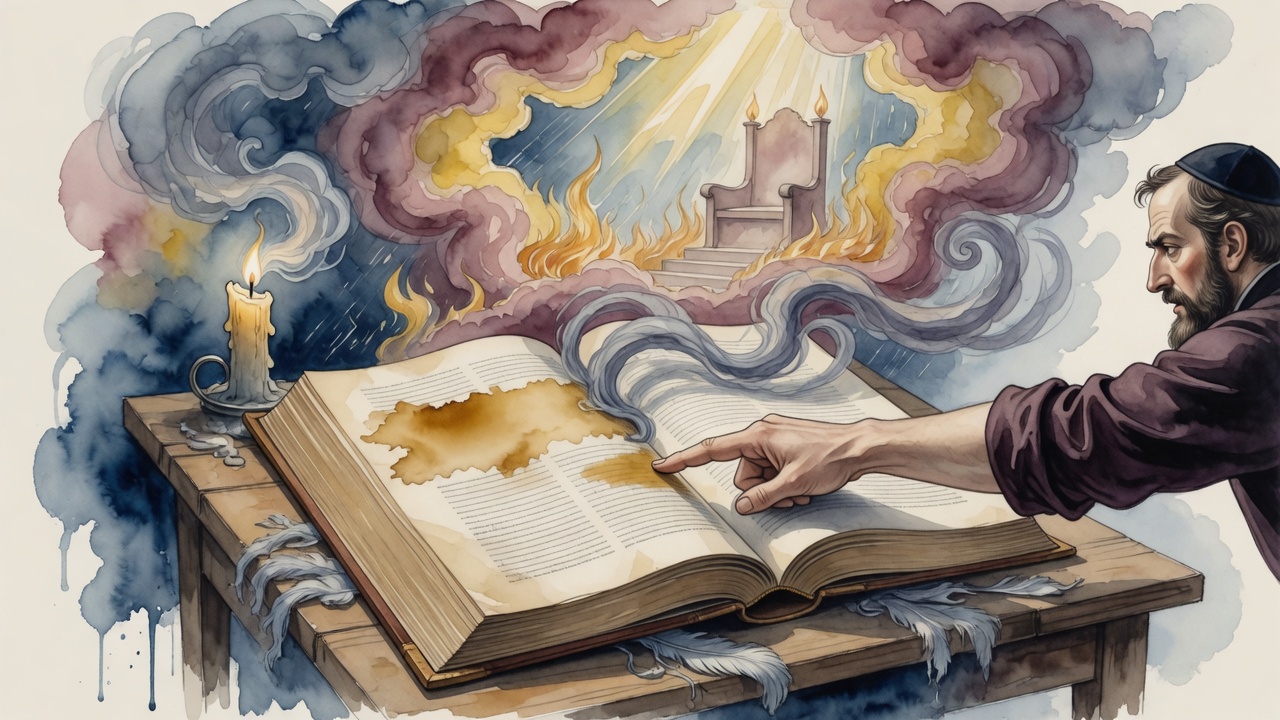
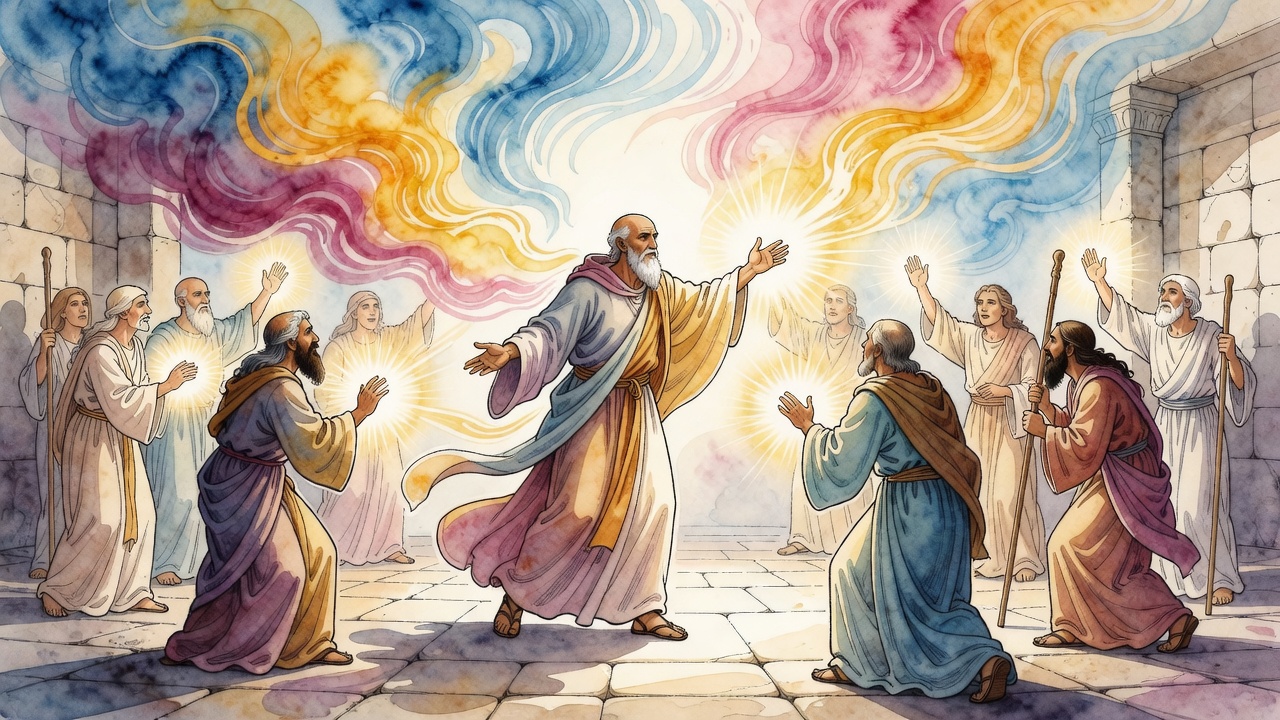
Rabbi Shimon bar Yochai opened the Name while his breath grew short. This was the Lesser Assembly, the Idra Zuta, the last gathering. Companions leaned in. The air smelled of lamp oil and the fear of silence. He did not spend what was left on farewell smallness.
 Click for full size
They called him Rashbi. Ink shook in a younger hand. He had circled the claim for years. Now, on the edge of departure, he set it plain.
Letters That Hold a World
All of existence, he taught in that hour, is engraved in the four letters Yud Hei Vav Hei (יהוה). The Yud is wisdom, the first spark, the thirty-two paths gathered as the father-face. The first Hei is understanding, the mother who takes the spark and gives it form. The Vav and final Hei are the two children, emotion and world, crowned by the mother who holds them.
Understanding, he showed, carries the letters of ben, son, within her own spelling joined to Yud Hei. The family of the Name is not a story pasted onto God. It is the way light becomes structure before it becomes history.
A companion wrote until his fingers cramped. Another held the lamp closer as the master's voice thinned. They wrote as if writing could pin him to the bench a little longer.
The Breath That Would Not Buy Farewell
His body failed while the teaching climbed. He named faces inside letters so they would not be orphaned into vague awe. Wisdom. Understanding. The middle that feels. The kingdom at the bottom. Each letter a station. Each station a relationship.
Deathbed teachings often turn to comfort. Rashbi turned to structure. A drop of sweat ran into his beard and he kept speaking. The companions did not ask him to rest. Rest would have been a different gift, and he was not giving that one.
Outside, ordinary night continued. Inside the room, Yud still sparked, Hei still mothered, Vav and Hei still stood as children under a crown. Then the voice stopped. The Lesser Assembly ended. The Name did not.
Binding Her in the Shema
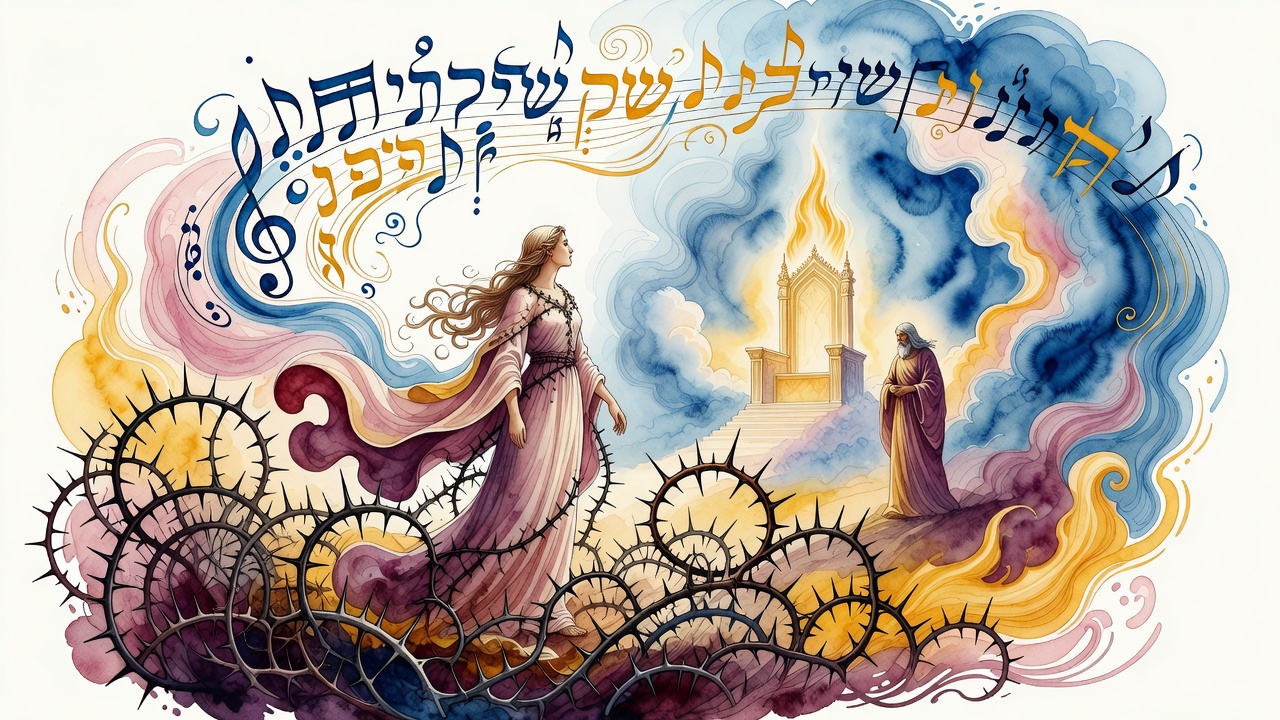
In another chamber of the same tradition they bind "Her," the Shekhinah (שכינה), the Presence nearest the world, through the words of the Shema. "And you shall love the LORD your God" (Deuteronomy 6:5) is not only a human feeling. It is a cord meant to make the Presence beloved to her Husband, the more hidden face of the Holy One.
They would not break the flow between the verses. The connection was fragile and precious. Then Jacob gathered the three patriarchs into one posture and released the silent binding. He placed in the mouth of Israel the quiet line: "Blessed is the Name of the glory of His kingdom forever and ever."
The Presence wished to be segulah, a treasured possession publicly cherished, not only held in an unspoken cord. The whispered blessing after "Hear, O Israel" is that public cherishing folded into daily speech.
A Doorway the Next Morning
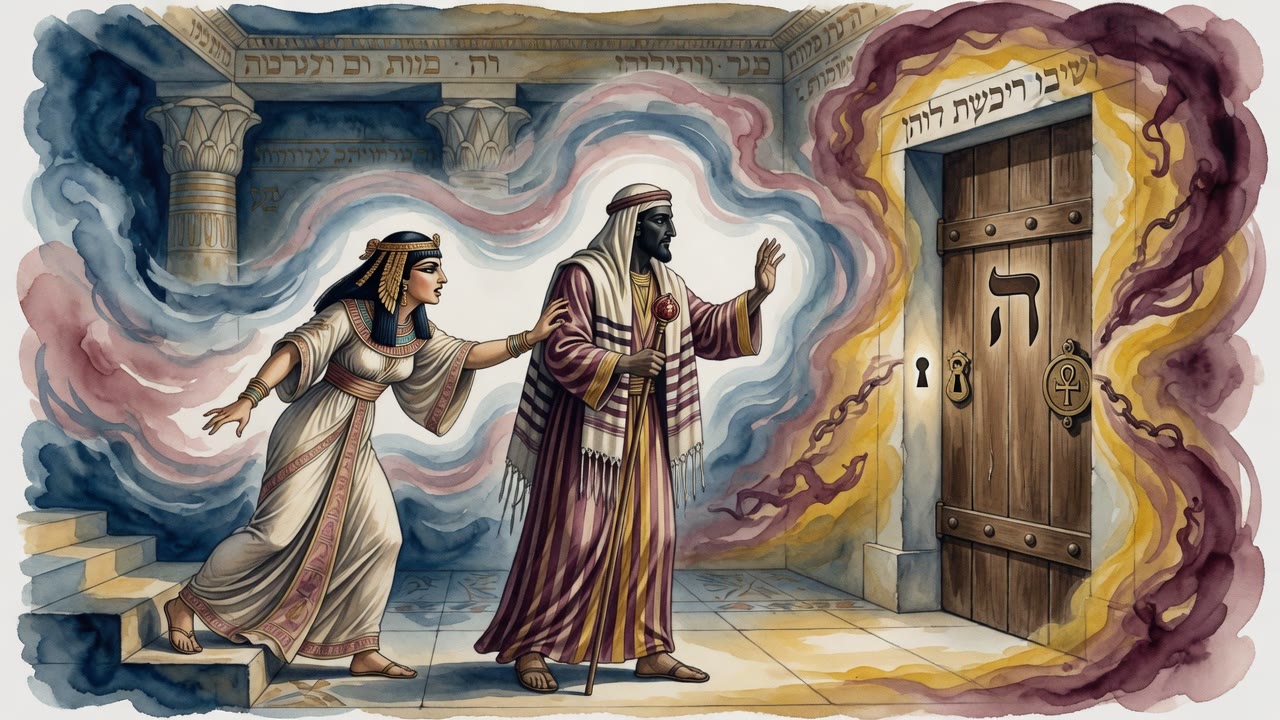
A companion who survived the Idra stood later in a doorway, covered his eyes, and bound the Presence with the same seriousness he had used to ink Rashbi's last words. Love as cord. Presence as beloved. Kingdom as a whispered public claim. Jacob's release of the silent bond into spoken blessing is a kindness to ordinary mouths. Not everyone sat in the Lesser Assembly. A child in a doorway can still say the quiet line after "Hear."
When the master died, the risk was that the map would freeze into prestige knowledge for the few. The daily Shema fights that freeze. It takes the high drama of divine union and seats it at the breakfast edge of the day, before work, before market, before the first quarrel.
The room was gone. The practice remained. A Jew who never saw that room still binds the Presence with "you shall love" and seals the binding with a blessed Name spoken almost under the breath. The master left. The letters stayed in the mouths of the living.
← All myths