Parshat Vayeshev5 min read

Reuben Waited on the Mountain While Joseph Was Sold

Reuben stalled murder with a pit and hid on a mountain to save Joseph by night, but nine brothers sold the boy while the eldest watched the wrong ridge.

Curated by Arthur · Told by Maggid ·
Table of Contents
  1. Gabriel on the Road
  2. The Pit as a Secret Clock
  3. The Sale He Did Not See
  4. Ruach in a Foreign House
Reuben Waited on the Mountain While Joseph Was Sold Click for full size

Gabriel on the Road

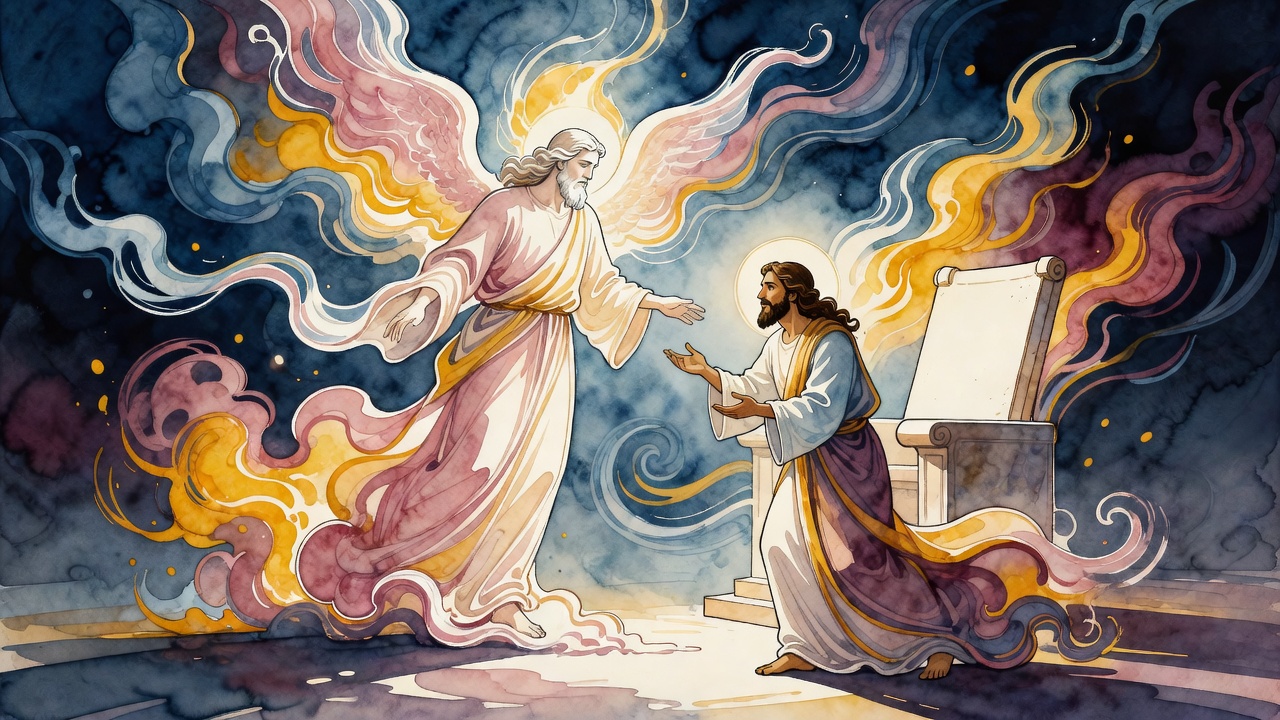
Joseph went looking for his brothers with a father's errand and a coat that still remembered favor. "I seek my brethren," he said, and the angel Gabriel, in this telling, helped him find them. Guidance can look like kindness when it is also the hinge of a harder plan.

They saw him from afar, and hatred rose like heat off stone. Murder talk. Hands ready. The coat made a bright target against the open land. Joseph walked into a circle that had already voted in its gut.

Not every brother wanted blood on the sand before sunset.

The Pit as a Secret Clock

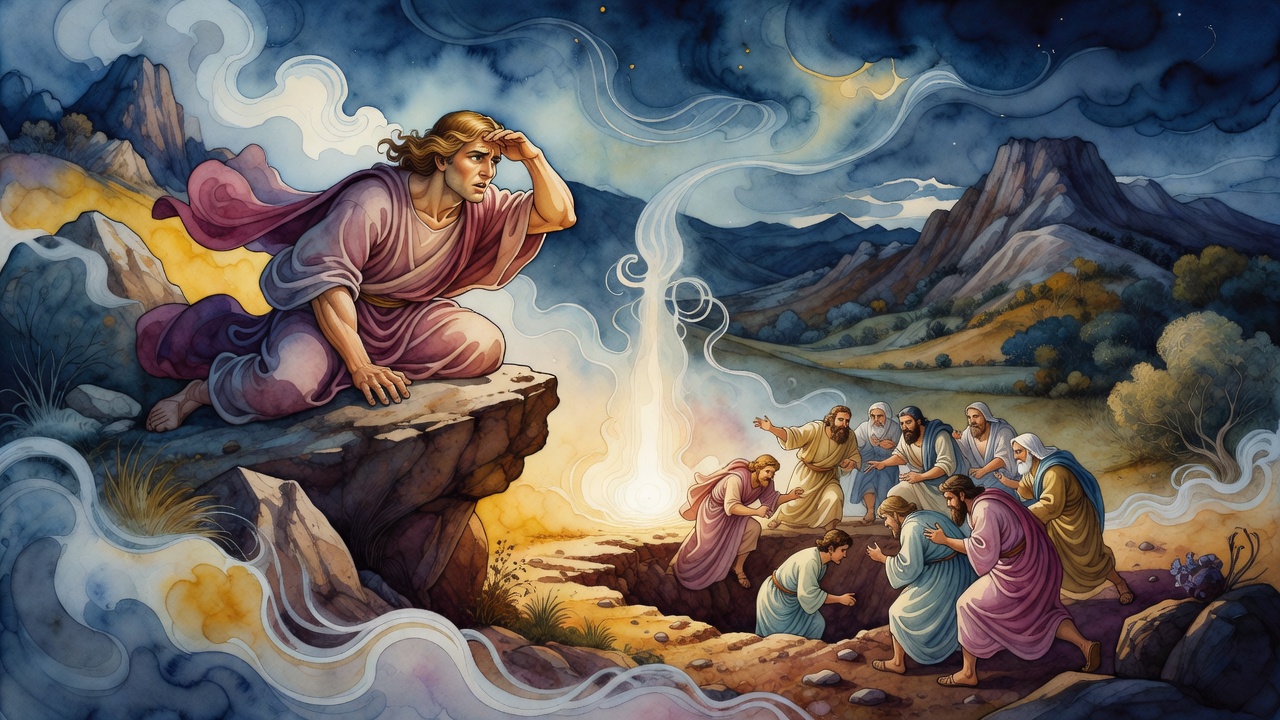
Reuben, the eldest, stepped in. "Shed no blood. Cast him into this pit that is in the wilderness." A pit can be a slow death, and the brothers heard disposal. Reuben heard time. He was not washing his hands. He was buying a night.

Pirkei DeRabbi Eliezer places him on a mountain afterward, waiting for darkness so he could go down alone and lift Joseph out. Picture the eldest brother flat against rock, counting hours, planning a private rescue that would undo a public crime without a public fight. Dangerous mathematics. Defiance dressed as agreement.

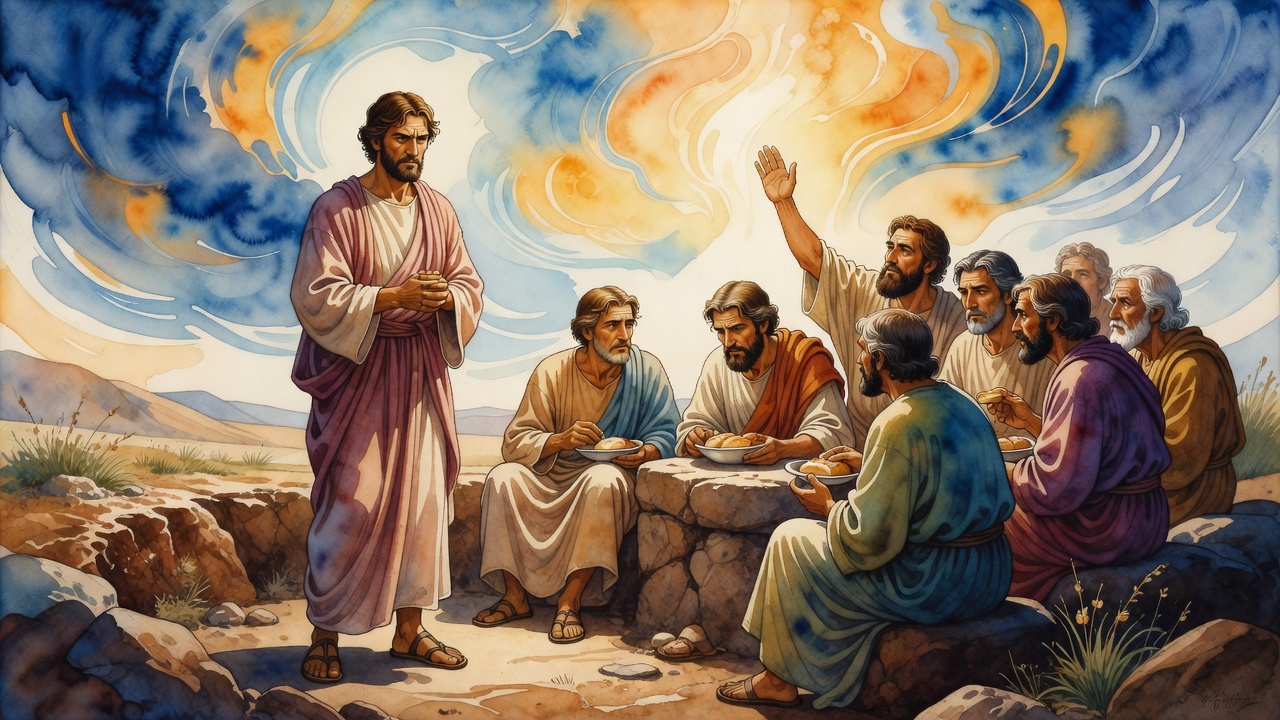
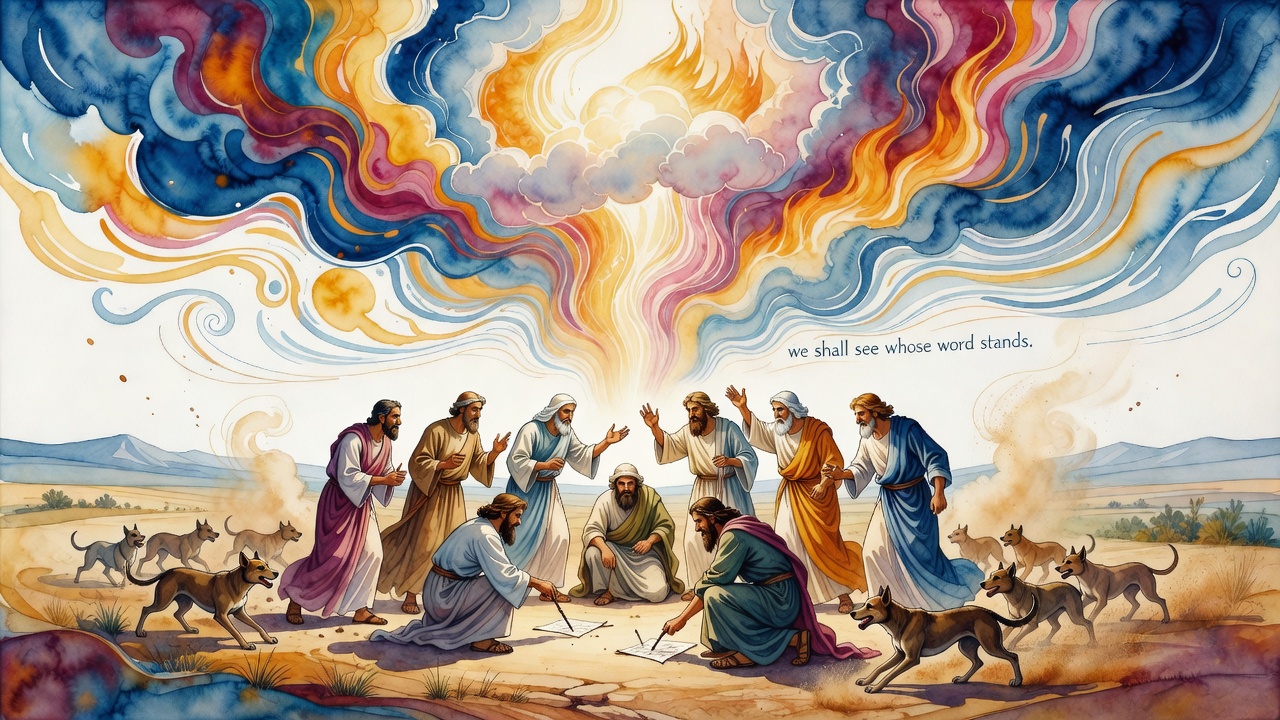
Below, nine brothers sat in one place, one heart, one plan. Unity of malice is its own weather.

The Sale He Did Not See

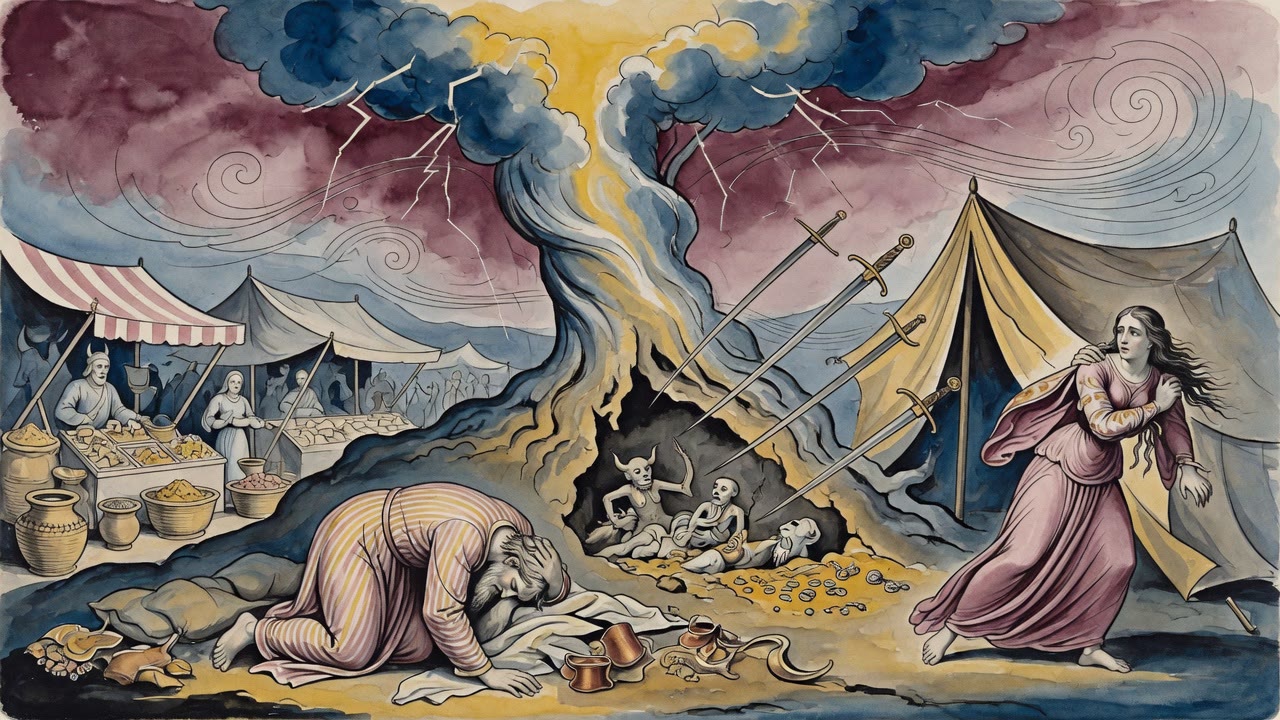
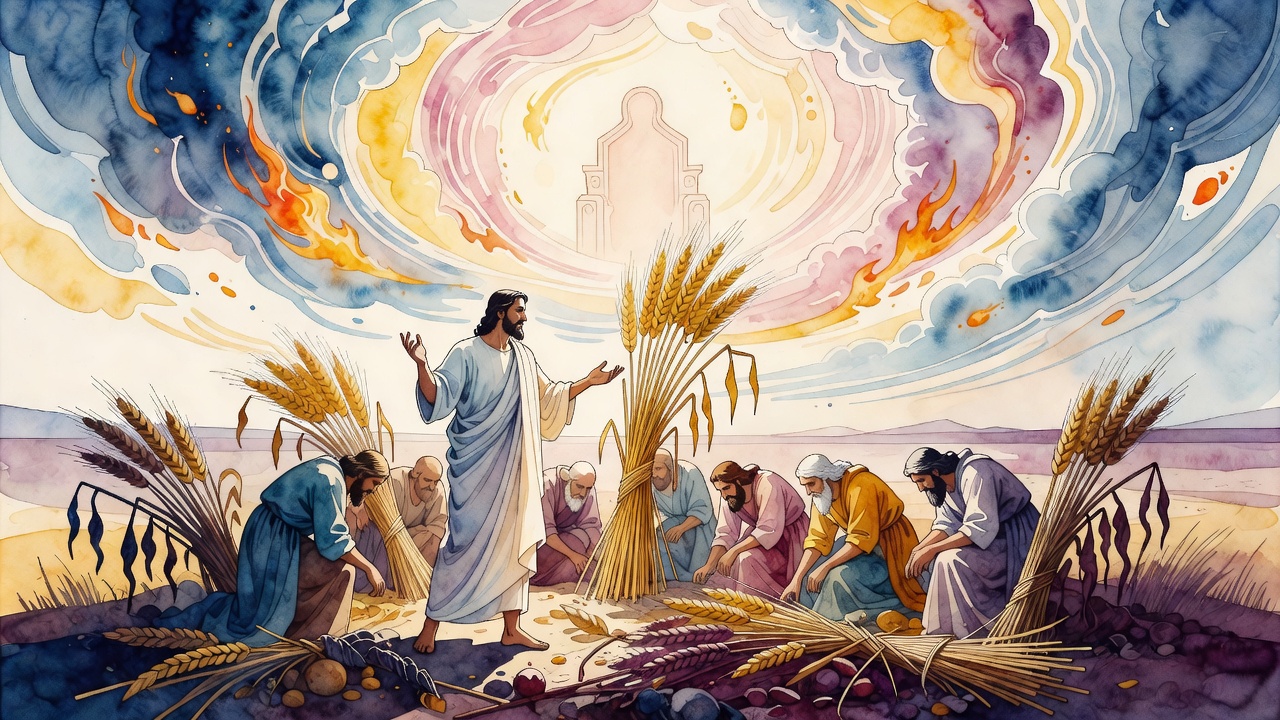
Ishmaelites appeared on the road, dust and commerce and a route that ended far from Jacob's hearing. "Come, let us sell him," the brothers said, "and they will lead him to the end of the wilderness, and Jacob will not hear any further report concerning him." Silver. Hands. A boy who had dreamed of sheaves becoming merchandise.

Reuben's mountain watch faced the wrong moment. When he finally came to the pit to keep his promise to himself, the pit held silence. The caravan was already a line on the horizon. The secret rescue arrived late to an empty hole.

What if he had reached first? The midrash leaves the question aching on purpose. Good intention without timing becomes a story fathers tell with a flinch.

Ruach in a Foreign House

The road that stole Joseph also carried him toward a strange elevation. In Egypt the Holy Spirit, ruach hakodesh (רוח הקודש), would rest on him until a prisoner became a reader of dreams and a ruler under Pharaoh. The brothers meant erasure. Heaven meant a longer plot with grain and famine and bows they had once mocked.

Reuben tore clothes later when the truth of the empty pit settled. Partial courage had saved Joseph from immediate blades and failed to save him from the market. The eldest's mountain became a monument to almost.

Years afterward, when Joseph stood in linen and power, the pit was still under his feet somewhere. So was the ridge where a brother waited for a night that commerce stole first. The coat was gone. The spirit was not.

The brothers' unity "like one man" is the midrash's chill. Disagreement might have saved a life. Consensus sold one. Reuben's private plan assumed he had time the group would not steal. Leadership from a mountain only works if the valley waits.

Joseph in the pit had already begun a different education. Darkness. No coat. The sound of brothers eating at a distance in other tellings, or at least the knowledge that family could choose absence. When ropes and foreign hands replaced Reuben's intended night rescue, the curriculum accelerated. Egypt would add language, prison, and dreams that were no longer only adolescent visions.

Gabriel's role stings. An angel helping a boy find his murderous brothers is not comfort in the short run. It is the claim that the road to power runs through betrayal heaven did not prevent and did not waste. Reuben could not see that from the ridge. He could only see a pit he meant to empty and a plan that assumed he was still the eldest in control.

When ruach hakodesh (the holy spirit) later rested on Joseph in a foreign court, the mountain watch became backstory. The almost-rescuer and the sold dreamer would meet again over grain and a silver cup. Reuben would still be the brother who tried. Joseph would still be the brother who learned that trying is not the same as arriving before the caravan.

Jacob waiting at home for news made the mountain tragedy larger. A father had sent a favored son to check on flock and brothers. He would receive a coat dipped in blood and years of mourning that refused comfort. Reuben's almost-rescue would never appear in that bloodied cloth. Only the sale would, translated into a lie about beasts.

The midrash lets the "what if" hang because moral life is full of ridges and wrong clocks. Reuben was not the villain of the pit. He was the man who chose a half measure and a secret, and half measures lose races to full malice. Joseph's later greatness does not cancel that loss. It only proves heaven can build highways out of failed night rescues and still leave the eldest brother with a memory that stings.


← All myths
From the tradition

Sources

2 sources

The texts behind this telling. Some cards carry a translation of the source; others are our own retelling of it, and each card says which. Every card links out to the original.

Pirkei DeRabbi Eliezer 38:10Pirkei DeRabbi Eliezer

Retold in our words. Read the original at the link below.Pirke de Rabbi Eliezer, trans. Rabbi Gerald Friedlander, London (1916) · CC-BY

The familiar story is this: jealous brothers, a colorful coat, a treacherous sale. But sometimes, the details we gloss over hold the most fascinating secrets. to one particular version of the tale, found in Pirkei DeRabbi Eliezer, a remarkable collection of stories and interpretations from the early Middle Ages.

The scene: Joseph, sent by his father Jacob to check on his brothers, finally finds them. Only, instead of a warm welcome, he’s met with murderous intent. "And he said, I seek my brethren" (Gen. 37:16), Joseph says, unknowingly walking into a trap. As Pirkei DeRabbi Eliezer tells it, the angel Gabriel himself is involved in guiding Joseph to his brothers! "And they saw him afar off" (Gen. 37:18), the Torah tells us, and their hatred boiled over.

Not all the brothers were united in their malice. Reuben, the eldest, steps in, attempting to save Joseph's life. "And Reuben said unto them, Shed no blood; cast him into this pit that is in the wilderness" (Gen. 37:22). A pit? A death sentence by slow demise. But Reuben, according to our source, had a plan. He wasn't just banishing Joseph; he was buying him time.

Pirkei DeRabbi Eliezer adds a beautiful, albeit heartbreaking, detail: Reuben wasn’t just washing his hands of the situation. Instead, he "went and stayed on one of the mountains, so as to go down by night to bring up Joseph out of the pit." Can you picture it? The eldest brother, secretly watching, waiting for the cover of darkness to rescue his younger sibling. He's playing a dangerous game, defying his brothers while attempting a covert rescue.

But fate, as it often does, had other plans. While Reuben was playing the hero on the mountain, the other nine brothers were "sitting down in one place, all of them like one man, with one heart and one plan." The unity of evil can be a terrifying thing. Ishmaelites appear, and the brothers seize the opportunity. "Come, let us sell him to the Ishmaelites, and they will lead him to the end of the wilderness, and Jacob will not hear any further report concerning him." And so, Joseph is sold. His fate, seemingly sealed.

What would have happened if Reuben had reached the pit first? Would Joseph's destiny have been averted? It's a tantalizing "what if" that Pirkei DeRabbi Eliezer leaves us pondering. The story reminds us that even in the darkest of times, acts of kindness and bravery can flicker, offering a glimmer of hope – even if that hope is ultimately dashed. It also highlights the chilling power of collective malice, and how easily good intentions can be thwarted.

Full source
Pirkei DeRabbi Eliezer 39:8Pirkei DeRabbi Eliezer

Retold in our words. Read the original at the link below.Pirke de Rabbi Eliezer, trans. Rabbi Gerald Friedlander, London (1916) · CC-BY

That was Joseph.

The familiar story is this: Joseph, the favored son, sold into slavery, who rises through the ranks in Egypt. But have you ever stopped to consider just how remarkable his rise truly was? It wasn't just luck. It was ruach (spirit) hakodesh, the Holy Spirit, resting upon him.

Pirkei DeRabbi Eliezer, a fascinating early medieval midrash (rabbinic interpretive commentary), emphasizes this divine connection. Pharaoh himself recognized it! "Can we find such a one as this," he asks, "a man in whom the spirit of God is?" (Genesis 41:38). Pharaoh wasn't just impressed with Joseph's administrative skills; he saw something truly special, something… divinely inspired.

It's this divine spark that explains Joseph's incredible linguistic abilities. Egypt was a melting pot of cultures. During the famine, people from all corners of the ancient world flocked there seeking food. And Joseph, according to Pirkei DeRabbi Eliezer 39, spoke to each of them in their own language. He understood them all.

This wasn't just a knack for languages; it was something more. The verse reads, "And Joseph spoke to each people according to their different tongue… And he knew what they were speaking." It was as if the ruach hakodesh granted him the ability to connect with people on a deeper level, to truly understand their needs and their fears.

That's why, the text says, he was called Jehoseph. "For Joseph understood them, for there was an interpreter between them" (Genesis 42:23). The name itself became evidence of his unique gift. It’s not just about translating words, but understanding the heart behind them.

Think about the implications. In a time of immense hardship, when nations were desperate and resources were scarce, Joseph served as a bridge. He didn't just provide food; he provided understanding. He connected people across cultural divides, offering a glimmer of hope in a dark time.

It's a story about the power of connection, the importance of understanding, and the potential for divine inspiration to manifest in even the most challenging circumstances.

Full source