5 min read

Samuel Hears the People Demand a King Like the Nations

Israel wants a king to judge them and fight their wars. Samuel hears idolatry under the request. Saul will rise. Thunder waits for a tree.

Curated by Arthur · Told by Maggid ·
Table of Contents
  1. The Request
  2. A Prophet Who Was Answered
  3. Slight Commandments, Heavy Outcomes
  4. What the People Thought They Were Buying
  5. Thunder Without a Tree Yet
Samuel Hears the People Demand a King Like the Nations Click for full size

The Request

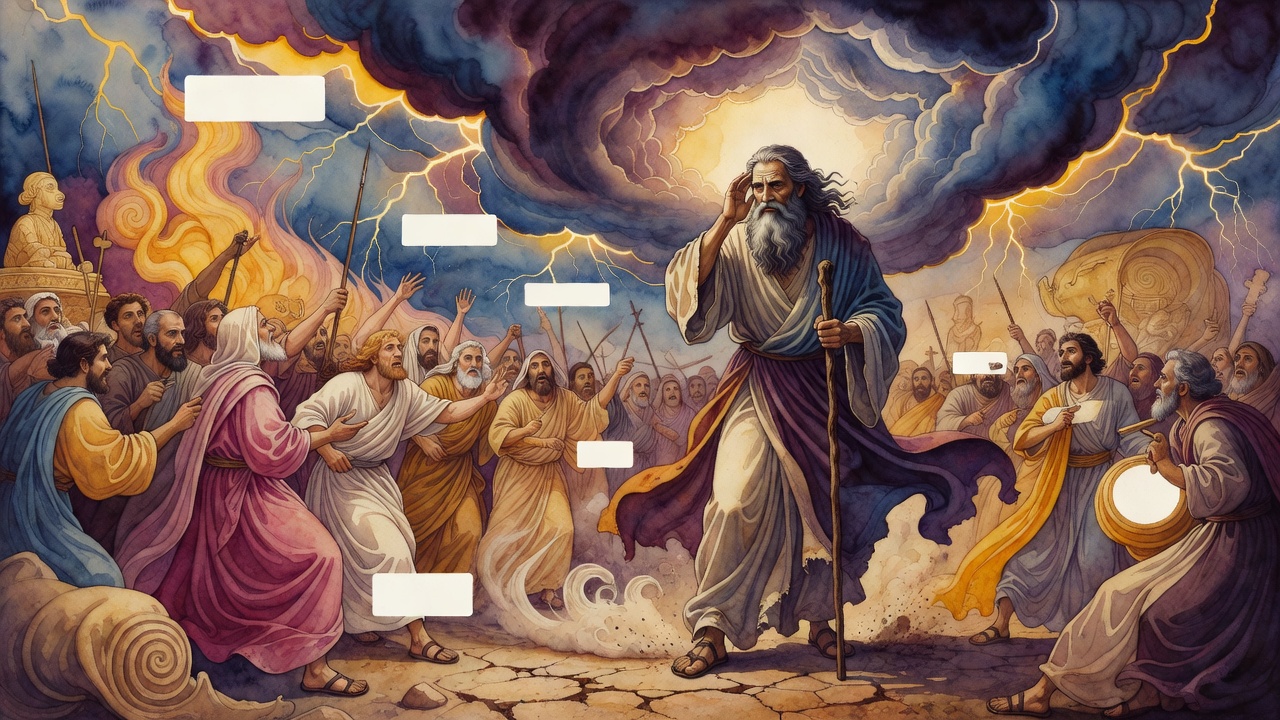
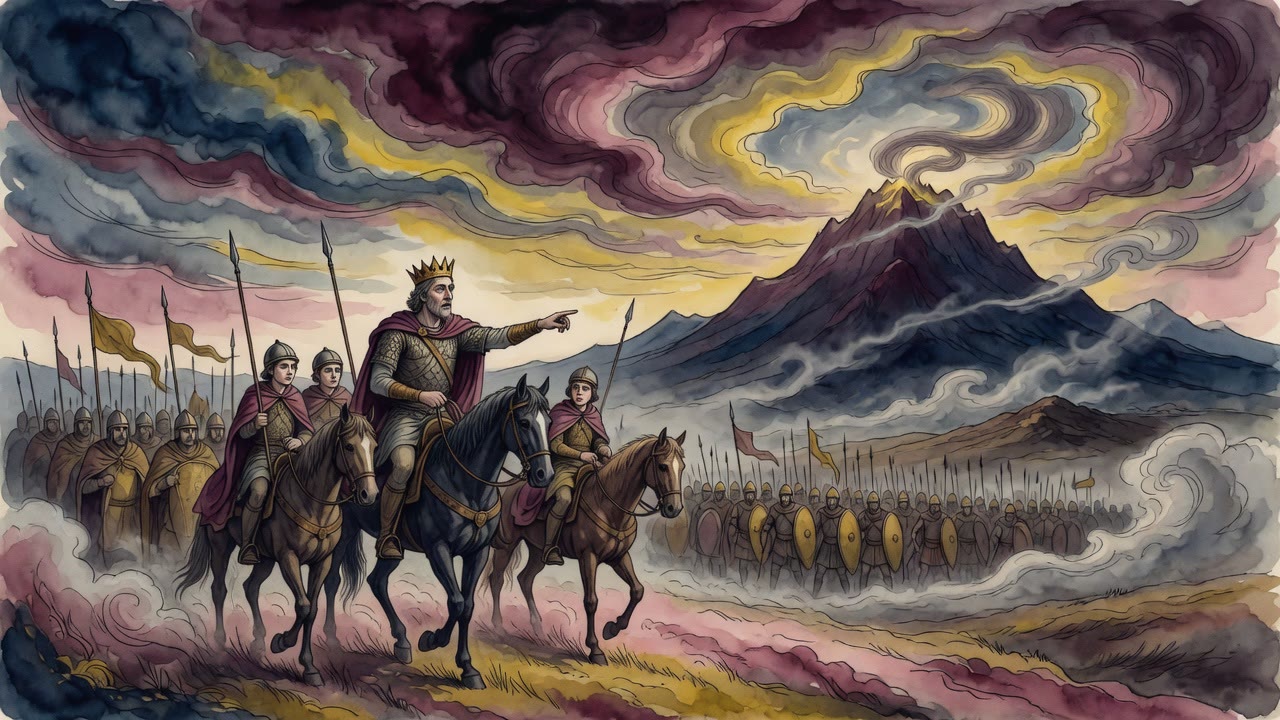
The elders of Israel stood before Samuel with a sentence that sounded practical. Appoint for us a king to judge us, like all the nations (1 Samuel 8:5). Markets need courts. Borders need captains. The nations already had the arrangement. Why should Israel remain the exception?

Samuel's face darkened. The request was not only politics. In the Sifrei's hearing, the eagerness for a king carried a second hunger. "That we also may be like all the nations, and that our king may judge us, and go out before us, and fight our battles" (1 Samuel 8:20). Like the nations is the phrase that smells of other altars.

They wanted a body on a horse more than a voice from heaven. They wanted the comfort of visible power. Samuel heard the idolatry under the logistics. The elders spoke of administration. Samuel heard a people tired of the risk of remaining distinct.

The room did not empty after the sentence. It thickened. Men who had brought a request as if it were a form now felt the form turn into a quarrel with their own prophet.

A Prophet Who Was Answered

Samuel was not a minor functionary. The psalm sets him with Moses and Aaron among those who call on the Name and are answered (Psalms 99:6). The midrash catches a sign over his court, a cloud token that heaven still spoke near him.

When village women directed Saul toward the seer, they were pointing toward a man whose prayers left tracks in the weather of the spirit. Samuel could anoint. Samuel could rebuke. Samuel could grieve in public without losing the office.

That is why his resistance mattered. If a lesser judge had objected, the people might have shrugged. When Samuel objected, the air itself seemed to lean in. A man answered from heaven is dangerous to ignore and costly to obey. Israel chose the cost of ignoring him while still demanding his hands for the anointing.

He prayed. He was answered. The answer was permission laced with warning, not permission laced with delight.

Slight Commandments, Heavy Outcomes

The same stream of teaching that remembers Samuel also warns about commandments that look slight. A king who treats small instructions as optional will treat large ones as negotiable. Saul will learn this with Amalek, with sacrifices offered too early, with a kingdom torn while the robe tears in Samuel's hand.

Unwavering commitment is not perfectionism. It is the refusal to let convenience rewrite the word. Samuel's generation wanted a king for convenience. Convenience is a poor author of covenants.

Saul studies, fights, fails, and is remembered as the tall man who could not stay small before God. The midrash's concern with "slight" mitzvot is already humming under his coronation music. Height is easy to measure. Fidelity is measured in the commands no crowd is watching.

What the People Thought They Were Buying

They thought they were buying stability. They thought they were buying military competence. They thought they were buying a face other nations would recognize at the border.

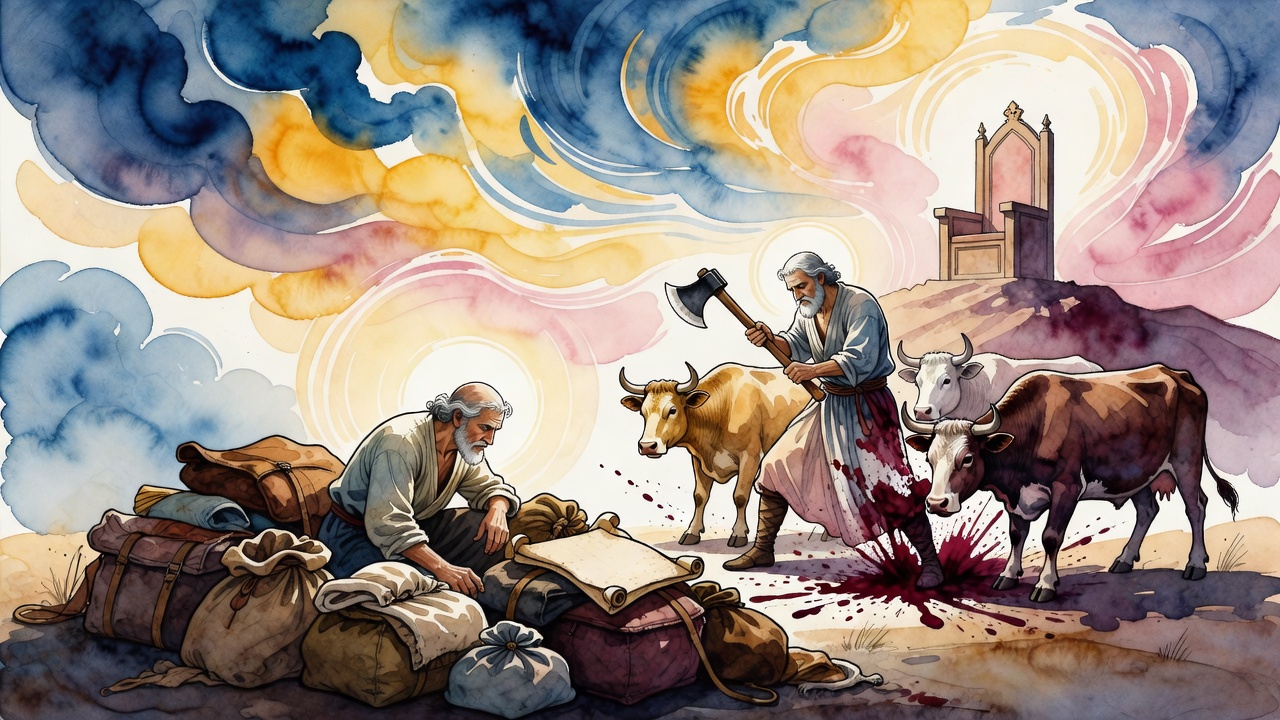
Samuel told them the price list. Sons taken for chariots. Daughters taken for work. Fields taken. A day would come when they would cry out because of the king they had chosen, and the Lord would not answer in that day (1 Samuel 8:18).

They still said, No. Give us a king. The tragedy is not that they were stupid. The tragedy is that they preferred a mirror of the nations to the risk of remaining distinct. They had tasted the chaos of the judges and decided that chaos was worse than the yoke they had not yet worn. History would teach them that yokes also come in sizes that choke.

Thunder Without a Tree Yet

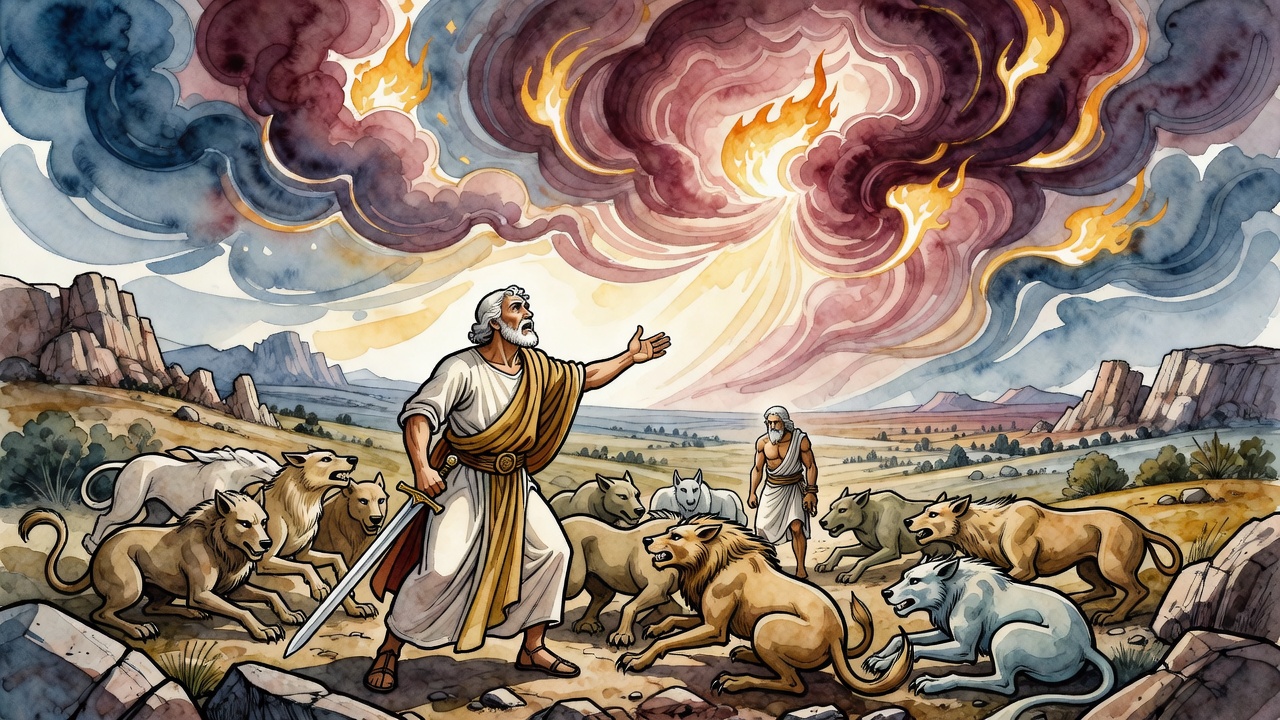
God tells Samuel to listen to the people, for they have not rejected Samuel only, but God as king. The concession is real. The warning is also real. History will proceed with monarchs, temples, schisms, and exiles.

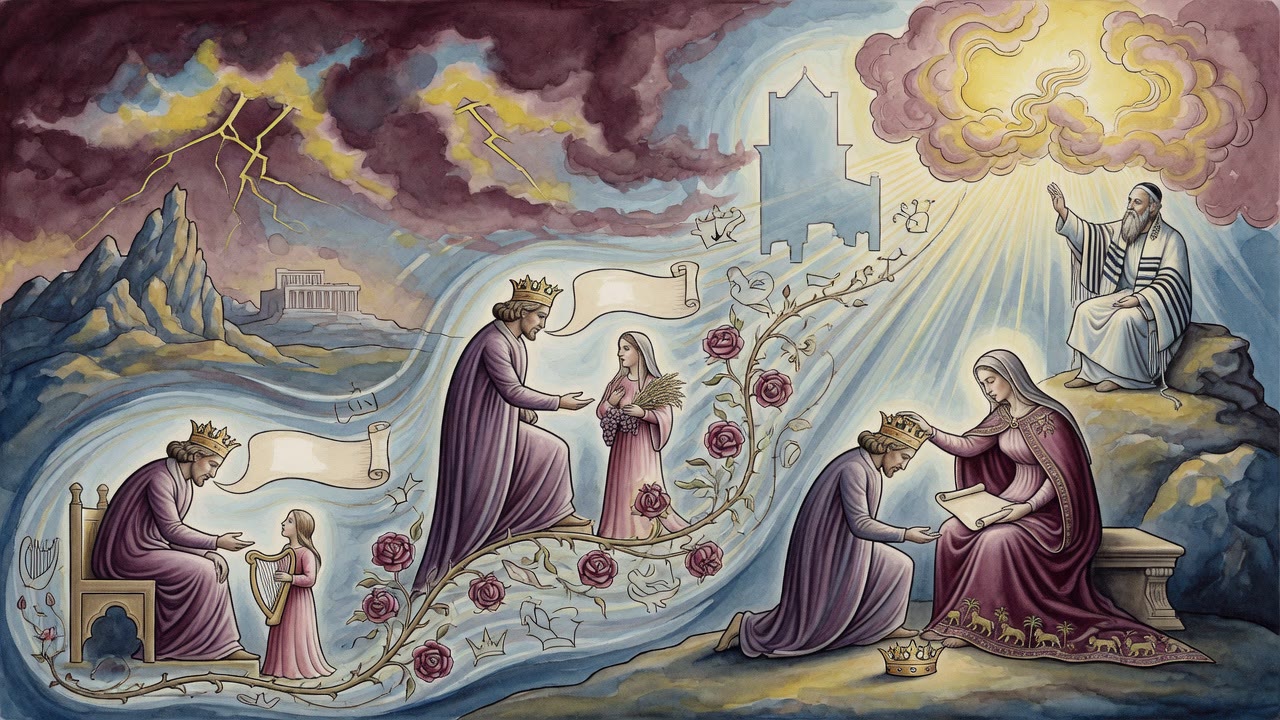
Samuel anoints Saul. Later he anoints David. The office of king becomes a vessel that can hold either obedience or ruin. The first request remains the template for every later hunger to be "like the nations."

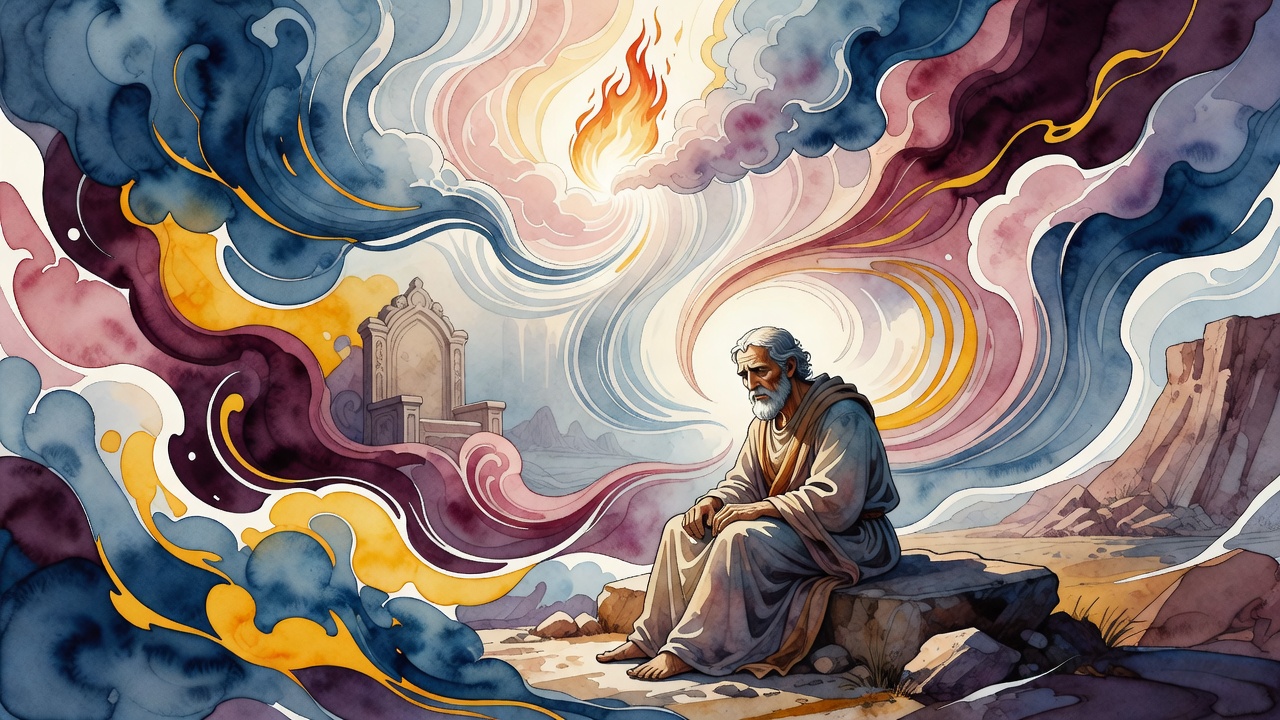
A people can survive a king. A people cannot survive the lie that the king was only a management upgrade. Samuel heard the lie early, named it, and still had to live through the answer. The oil runs. The crowd cheers. The thunder waits for the tree it will eventually choose.

That night Samuel does not sleep like a man who won an argument. He sleeps like a man who lost a custody battle over a people's imagination. The flask of oil waits for morning. The first king waits in a taller body than most. The warning waits longer than both of them.


← All myths
From the tradition

Sources

3 sources

The texts behind this telling. Some cards carry a translation of the source; others are our own retelling of it, and each card says which. Every card links out to the original.

Sifrei Devarim 157:1Sifrei Devarim

Retold in our words. Read the original at the link below.Sifrei by Rabbi Shraga Silverstein · CC-BY

Sifrei Devarim turns to Samuel Remembered.

Rabbi Nehorai, as quoted in Sifrei Devarim, gives us a rather startling answer. He suggests their eagerness for a king wasn't just about national pride or military strength. It was something far more dangerous: a yearning for idolatry. The verse in 1 Samuel (8:20) spells out their desires: "And we, too, will be like all the nations, and our king will judge us and go out before us, and fight our wars." The first reading, it sounds like a reasonable desire for order and security. But Rabbi Nehorai sees something deeper, a subconscious pull towards the practices of the surrounding nations, practices that often involved idol worship. Was the desire for a king then, a veiled desire to move away from the direct covenant with God? To have an earthly intermediary who might, in some way, resemble the pagan deities of other cultures?

It’s a chilling thought, isn’t it? That the very act of seeking leadership could be rooted in a spiritual yearning for something…else.

The Torah anticipates this. We read in Devarim (Deuteronomy 17:15), "Place shall you place over yourself a king." The Sifrei Devarim draws a crucial point from this verse. It says, "If he dies, appoint another in his place." This implies a continuity of leadership, a recognition that kings are mortal and replaceable. This might seem obvious, but it emphasizes a vital point: no earthly leader, not even a divinely appointed king, can ever truly take God's place. The kingship is an office, a responsibility, not a divine right.

So what are we to make of all this? Perhaps it’s a cautionary tale about the dangers of imitation. About the subtle ways in which we can be drawn away from our core values by the allure of the "other." Or maybe it's a reminder that even our most fervent desires can be tinged with hidden motivations, that we need to constantly examine our hearts and intentions. It definitely makes you wonder if we're always being honest with ourselves about why we want what we want. Something to ponder, isn't it?

Full source
Sifrei Devarim 162:4Sifrei Devarim

Retold in our words. Read the original at the link below.Sifrei by Rabbi Shraga Silverstein · CC-BY

Sifrei Devarim, a legal midrash on the book of Deuteronomy, tackles this head-on. It emphasizes the importance of unwavering commitment to mitzvot (commandments). And it's not just about the big, headline-grabbing commandments, but even the seemingly "slight" ones. even seemingly minor actions can have significant consequences. The text emphasizes "and so that he not turn aside from the mitzvah": even a 'slight' mitzvah of a prophet." To illustrate this point, Sifrei Devarim brings up the story of Saul, the first king of Israel. Remember him? He wasn't exactly known for his patience. He jumped the gun and offered a sacrifice before the prophet Samuel arrived, a clear violation of protocol. And as we read in I (Samuel 13:13), Samuel rebuked him harshly: "You have acted foolishly. You have not kept the mitzvah."

Ouch.

The lesson? No mitzvah is too small to ignore. Even a "slight" deviation can have significant repercussions, especially for a leader.

It goes even deeper. What happens when you're told that up is down, and right is left? What if someone in authority tries to redefine the very essence of what’s right and wrong? The text continues "and so that he not turn aside from the mitzvah, right or left": even if he (seems to be) told that right is left and left is right." This is a powerful statement about staying grounded in your moral compass, even when external pressures are immense.

It’s about having the courage to stand your ground, even when it's unpopular.

Now, what about the rewards for staying the course? The text promises: "so that he prolong his days in his kingdom." In other words, if a leader acts justly and righteously, they will be worthy of a long and successful reign. This isn't just about personal gain. It's about creating a stable and thriving society.

And the legacy? That matters too.

The passage then shifts to succession. “He and his sons.” What does it mean? If the king does what is right, his son succeeds him. But, the text asks, does this apply only to kings? The answer, it states, is no. “He and his sons in the midst of Israel” implies that anyone "in the midst of Israel" – any leader, any person of influence – should be succeeded by their children, provided they are fit to carry on the mantle.

This isn’t just about bloodlines. It's about the transmission of values and the continuity of leadership within the community. It's about ensuring that the next generation is equipped to uphold the same principles of justice and righteousness.

So, what’s the takeaway here? It seems to me that the message in Sifrei Devarim is timeless. It speaks to the importance of integrity, the courage to stand up for what’s right, and the responsibility of leadership. Whether you're a king, a community leader, or simply a person striving to live a meaningful life, these are values worth holding onto. And when you feel like you're being pulled in opposite directions, remember the story of Saul, remember the importance of even the "slight" mitzvah, and trust your own moral compass. It might just be the thing that keeps you, and those around you, on the right path.

Full source
Pesikta DeRav Kahana 4:5Pesikta de-Rav Kahana

Translation of the source text.Pesikta de Rav Kahana according to an Oxford manuscript, Dov Mandelbaum ed., N.Y. 1987 · CC-BY

"Moses and Aaron among His priests, and Samuel among those who call on His name" (Psalms 99:6). Rabbi Yudan in the name of Rabbi Yose son of Rabbi Judah, and Rabbi Berekhiah in the name of Rabbi Joshua ben Korhah: All those forty years that Israel spent in the wilderness, Moses did not cease serving in the high priesthood, as it is written, "Moses and Aaron among His priests" and "Samuel" (Psalms 99:6). Rabbi Berekhiah in the name of Rabbi Shimon learned it from this: "And the sons of Amram: Aaron and Moses, and Aaron was set apart" and so on (1 Chronicles 23:13), and what is written after it? "And Moses, the man of God" (1 Chronicles 23:14), but his sons "are called after the tribe of Levi" (1 Chronicles 23:14). Rabbi Eleazar son of Rabbi Yose said: It is plain to us that Moses served in the wilderness in a white tunic. Rabbi Tanhum son of Rabbi Yudan said, and it is taught: all seven days of the consecration Moses served in the high priesthood, yet the Divine Presence did not rest through his hands; and once Aaron came and served in the priesthood, the Divine Presence rested through his hands, as it is written, "For today the LORD will appear to you" (Leviticus 9:4).

"They called on the LORD and He answered them" (Psalms 99:6): this one calls and is answered, this one calls and is answered. "In a pillar of cloud He spoke to them" (Psalms 99:7): we find with Moses that He spoke with him in a cloud, as it is written, "And the LORD descended in a cloud and stood" and so on (Exodus 34:5), "And the LORD descended in a cloud and spoke" and so on (Numbers 11:25). And with Aaron He spoke in a pillar of cloud, "And the LORD descended in a pillar of cloud and stood at the entrance of the tent and called Aaron" and so on (Numbers 12:5). But with Samuel we have not heard. And where have we heard it? "And they answered them and said: Yes, behold, he is before you" and so on (1 Samuel 9:12). Rabbi Yudan in the name of Rabbi Mari son of Jacob: the women said to them, Do you not see a cloud bound above his court? And "yes" means nothing but a cloud, as you say, "And there were times when the cloud" and so on (Numbers 9:20).

"They kept His testimonies and the statute He gave them" (Psalms 99:7): we have heard concerning Moses that the Torah was written in his name, "Remember the Torah of Moses My servant" and so on (Malachi 3:22). And we have heard concerning Samuel that a book was written for him, as it is written, "And he wrote it in a book and laid it before the LORD" and so on (1 Samuel 10:25). But concerning Aaron we have not heard; rather, this teaches that this portion was given to him, that it should not depart from him nor from his sons nor from his sons' sons until the end of all the generations. And which is this? "This is the statute of the Torah" (Numbers 19:2).

Full source