Saul Lost the Crown on Five Hard Charges
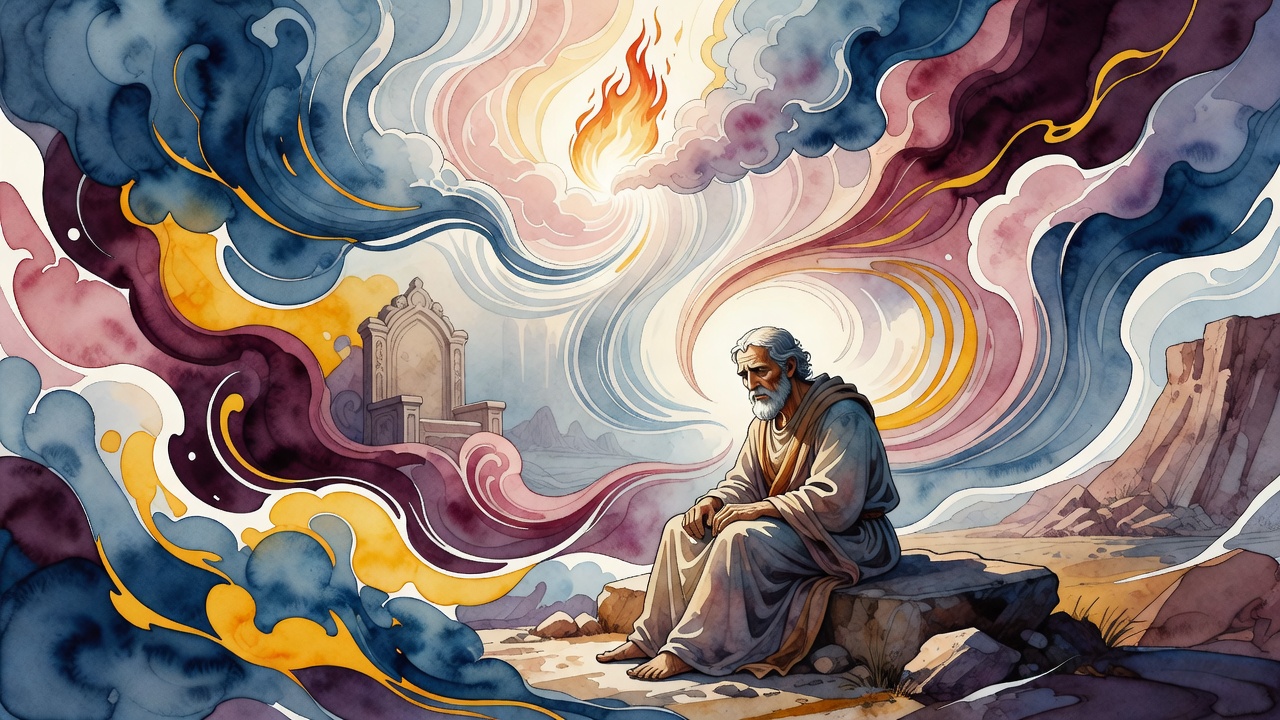
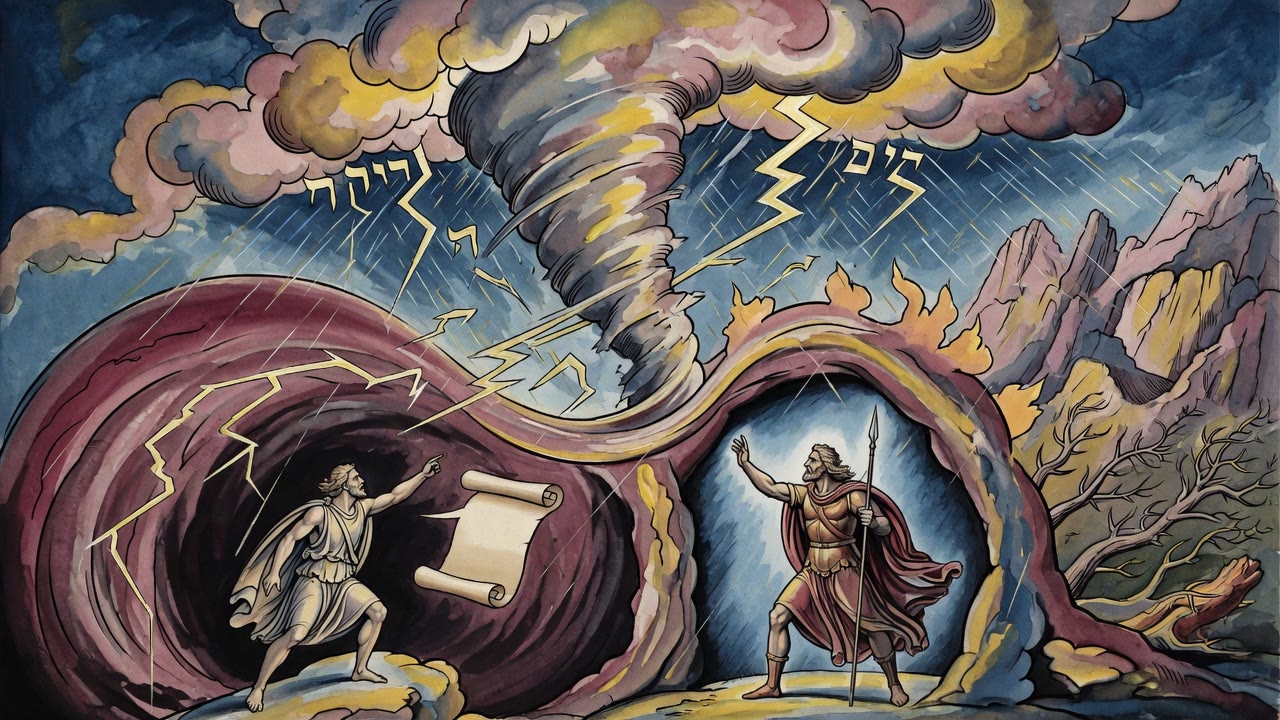
The army leaked into the hills on the seventh day. Saul put fire on the altar where no king belonged, and Samuel walked in on the smoke.
Table of Contents
Saul counted his men every morning, and every morning there were fewer.
 Click for full size
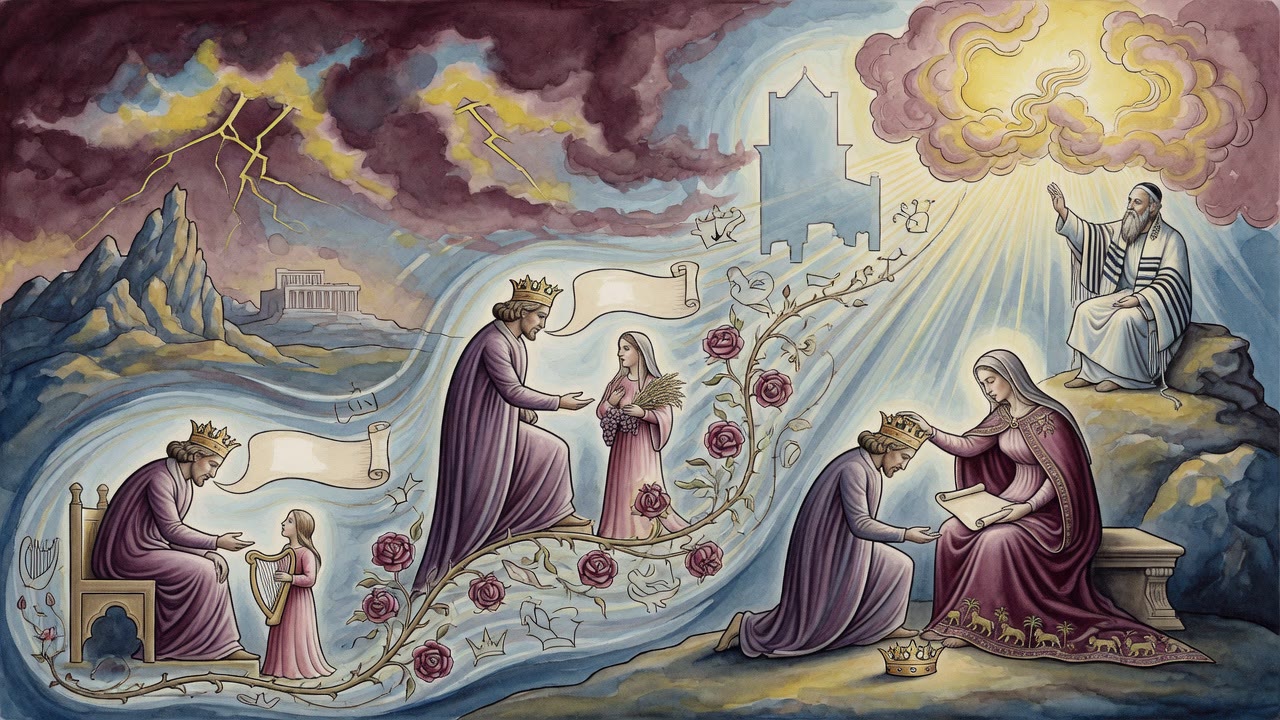
The Philistines had come up to Michmash with chariots past counting and foot soldiers like sand. Israel had gone to ground in caves, in thickets, in pits and dry cisterns. Some crossed the Jordan and kept walking. Samuel had named a number before he left. Seven days. Wait seven days at Gilgal and I will come down and tell you what to do.
Seven Days at Gilgal
On the seventh day the prophet did not come. Saul stood in a camp that was emptying itself into the hills, two men here, four men there, and he sent for the animals. The fire caught. The smoke went up off the altar with the king standing beside it where no king belonged.
Samuel walked in while the smoke was still climbing.
"What have you done?"
Saul answered with the truest sentence of his life. The men were scattering. The prophet had not come. The Philistines were massing at Michmash. "So I forced myself," he said, "and offered the burnt offering."
Samuel told him the crown would not stay in his hand.
The Bleating Behind the King
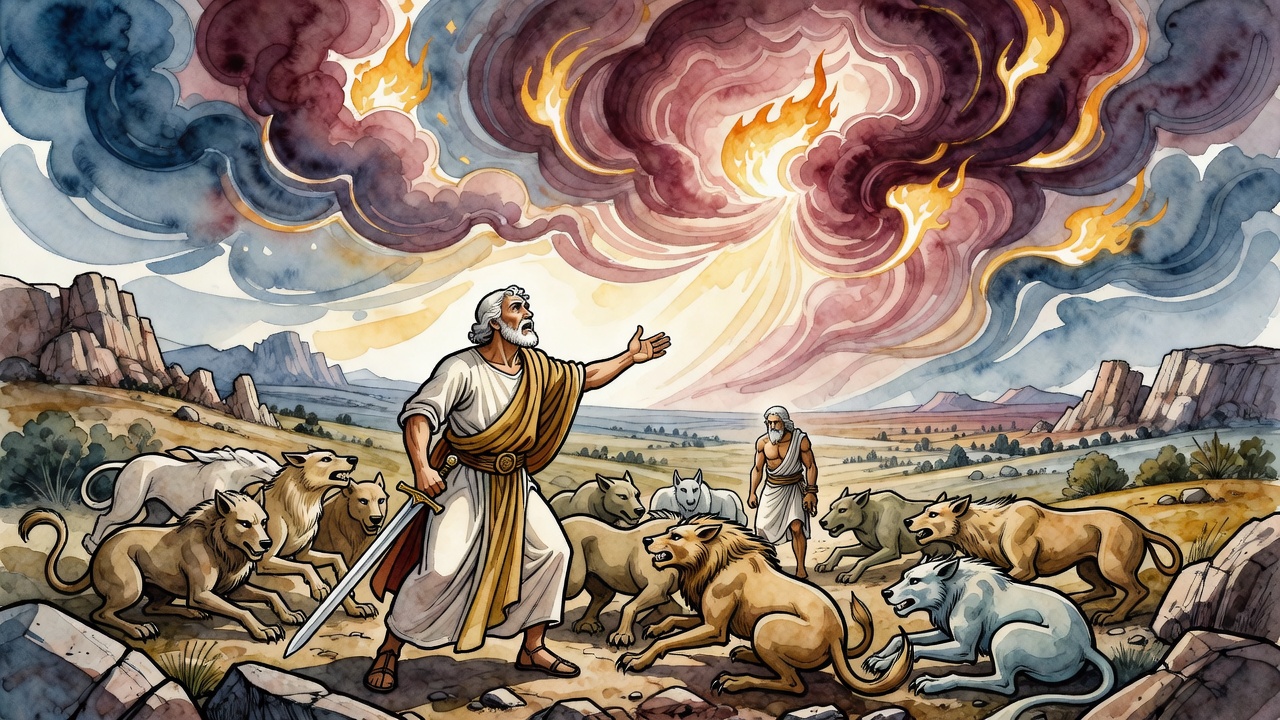
The next order left no gap to step through. Strike Amalek and spare nothing that breathes. Saul went out. He won. He came home with Agag king of Amalek walking alive at his side, and the best of the sheep and the fat cattle driven along behind. On the way he stopped to raise a monument to himself.
Samuel met him at Gilgal. Saul greeted him warmly and reported that the word of the Lord had been carried out. Somewhere behind him a sheep bleated.
"What then is this bleating in my ears?"
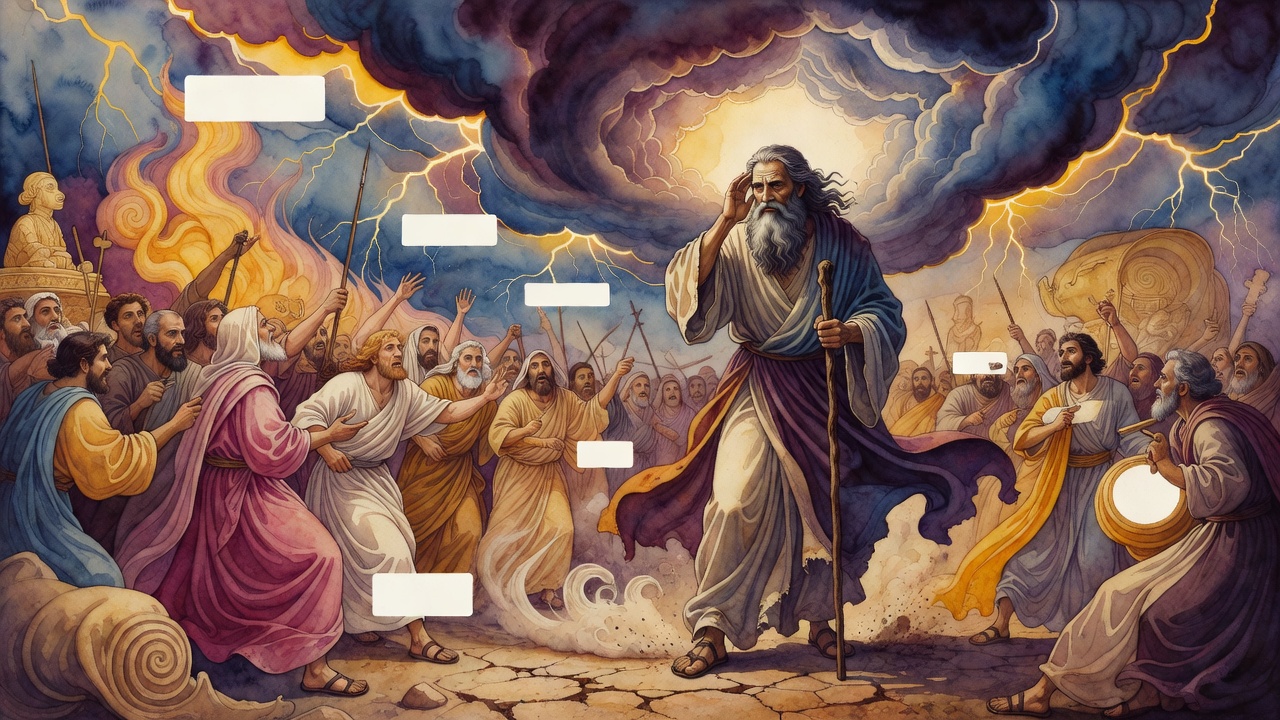
The people took the best of them, Saul said, to sacrifice to the Lord your God. Samuel answered that obedience is worth more than fat, and turned to go. Saul caught the hem of his robe. The cloth tore off in his hand.
"The Lord has torn the kingdom of Israel from you today," Samuel said. He called for Agag and cut him down at the sanctuary himself. He never went to see Saul again as long as he lived.
Eighty-Five Men in Linen
Then David ran, and the running took him through Nob. Ahimelech the priest gave him bread off the holy table and the sword of Goliath wrapped in a cloth behind the ephod. Doeg the Edomite was there that day, held back at the sanctuary for reasons of his own, and he watched.
Saul heard about it under a tamarisk tree with his spear in his hand. He summoned every priest of Nob and charged them with conspiracy. Ahimelech told him the truth, that he had asked God for David many times before and no one had ever called it treason. Saul told his guard to turn and kill the priests of the Lord. The guard stood there. Not one of them would put a hand on a priest.
Doeg would. He turned and struck them down, eighty-five men wearing the linen ephod, and then he went on into the town and put its men, its women, its children and its nursing infants and its oxen and donkeys and sheep to the sword. One son of Ahimelech got out of Nob alive and ran until he found David.
Heaven Went Quiet
Years passed and the Philistines gathered at Shunem. Saul looked down at the size of that camp and his heart shook in him. He asked the Lord what to do. Nothing came back. Not through dreams. Not through the Urim (אוּרִים) in the priest's breastplate. Not through any prophet living.
He had cleared the mediums and the ghost-callers out of the land himself, by decree, with soldiers. Now he stood in the dark with an empty sky over him and told his servants to go find him a woman who could still raise the dead.
The Woman at En-Dor
He went at night, in another man's clothes, with two men walking behind him. The woman at En-Dor heard what he wanted and refused. "You know what Saul has done, how he has cut off the mediums from the land. Why are you laying a snare for my life?" He swore to her by the Lord that no punishment would touch her, which is a strange oath from a man who came to break that Lord's own law. "Bring up Samuel."
She began, and then she screamed. "Why have you deceived me? You are Saul."
"What do you see?"
"An old man coming up, and he is wrapped in a robe."
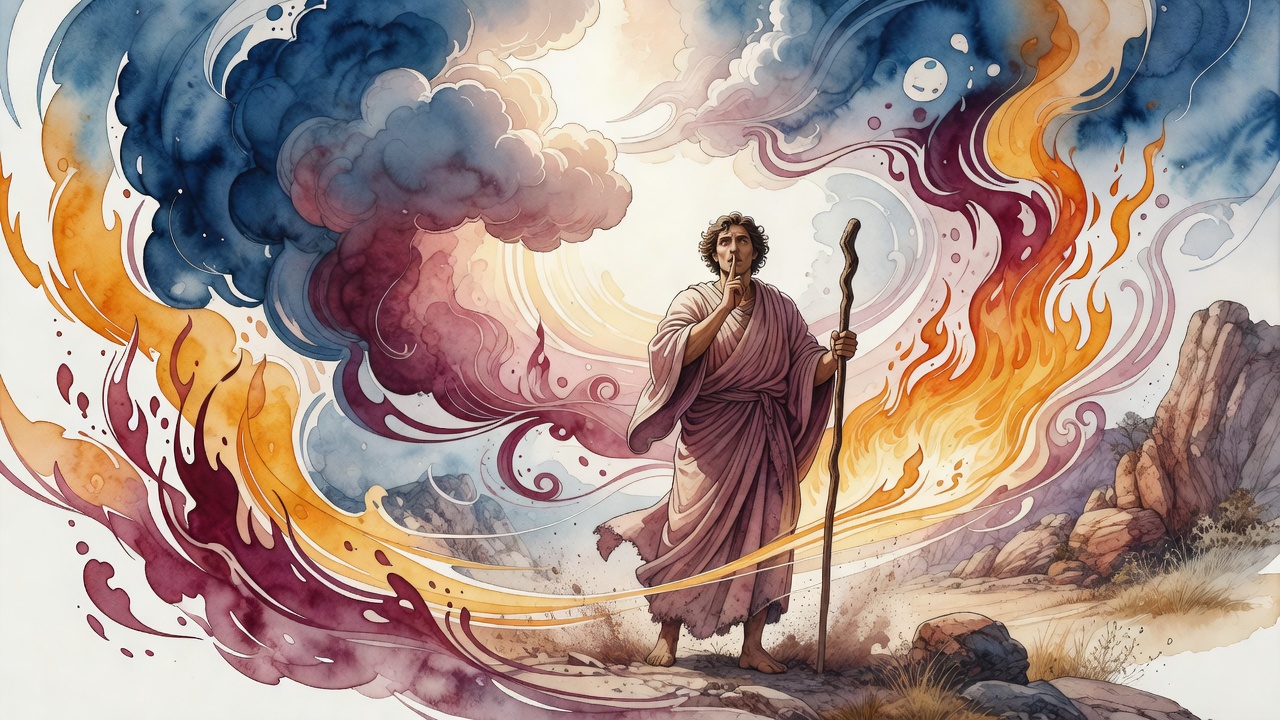
Saul bent his face to the ground. The voice he had waited seven days for at Gilgal, and never waited for again, asked him why he had been disturbed. Saul said that God had turned away and would not answer him, not by prophets, not by dreams, and so he had called the one man who might still tell him what to do. Samuel told him the answer had already been given years ago at Gilgal with a torn robe. The kingdom was in David's hand. Tomorrow you and your sons will be with me.
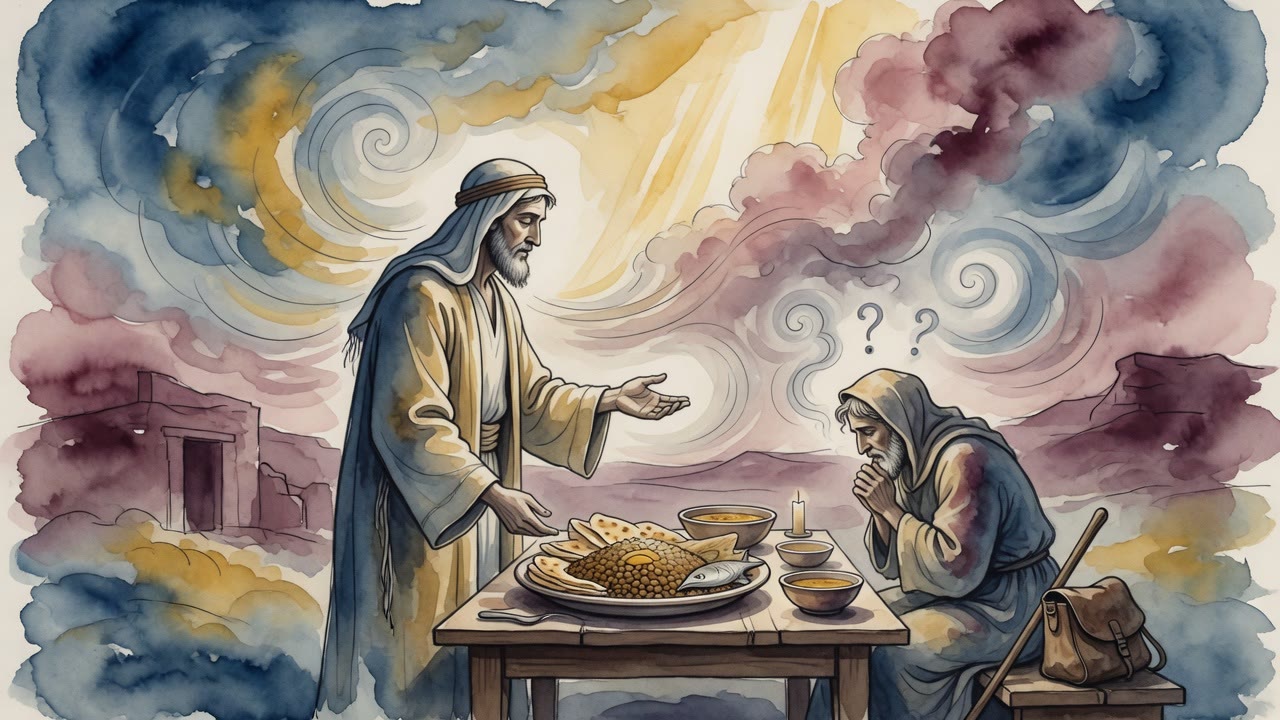
Saul went down full length on the floor of the house, all of him at once, and he had not eaten since the morning before. The woman he had come to hire knelt beside the king and coaxed him up onto the bed, and killed the fattened calf she kept in the house, and baked unleavened bread with her own hands, and set it in front of him. He ate. Then he stood up and walked out into the night toward Gilboa.
← All myths