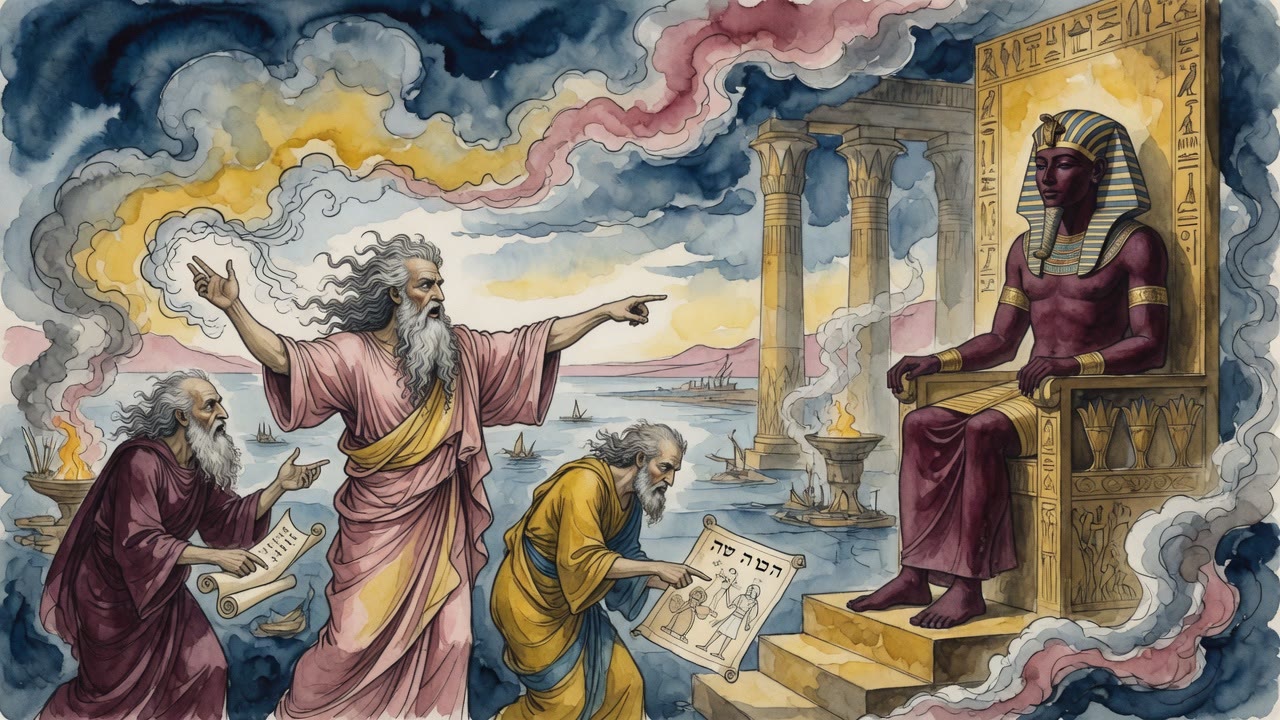
Serach Knew Moses Was the Redeemer by Joseph's Password
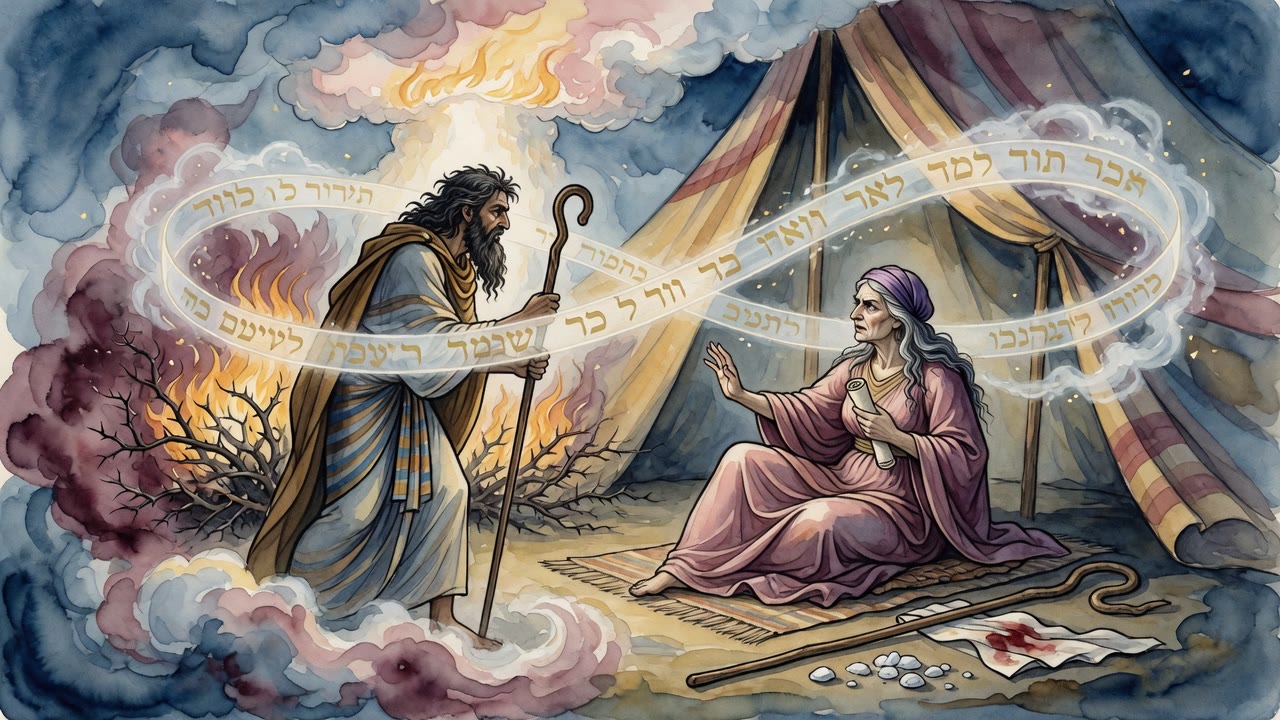
The elders wanted a verdict on a staff that had moved. Serach asked for a sentence Joseph spoke while dying. When she heard it, she named the man.
Table of Contents
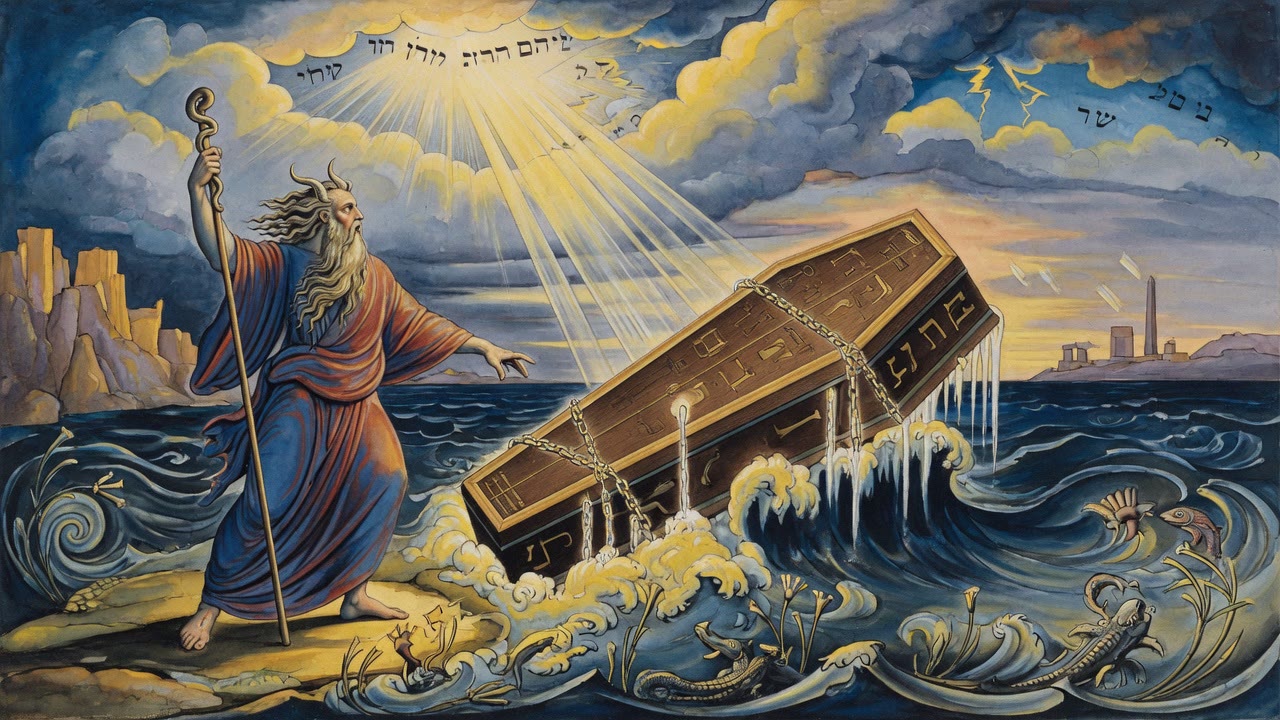
The elders came to Serach daughter of Asher with a wonder-worker and a report. A man had arrived from the wilderness. His staff had become a serpent. Water had become blood. They wanted her to say he was the one.
 Click for full size
She was not impressed. "There is no reality in the signs," she said. Egypt had magicians. A stick that moves is not yet a key.
She Waited for a Sentence
The room waited. Serach had heard men claim a staff before. She listened for a sentence, not for theater. The elders repeated the phrase the way a person repeats a password they are not sure they heard right. He had said pakod yifkod, God will surely visit.
Serach's face changed. "He is the man who will redeem Israel from Egypt, for thus did I hear: Pakod pakadti, I have surely visited you."
No one asked the staff to move again. The elders took her sentence and carried it out to the people.
The Word Joseph Left
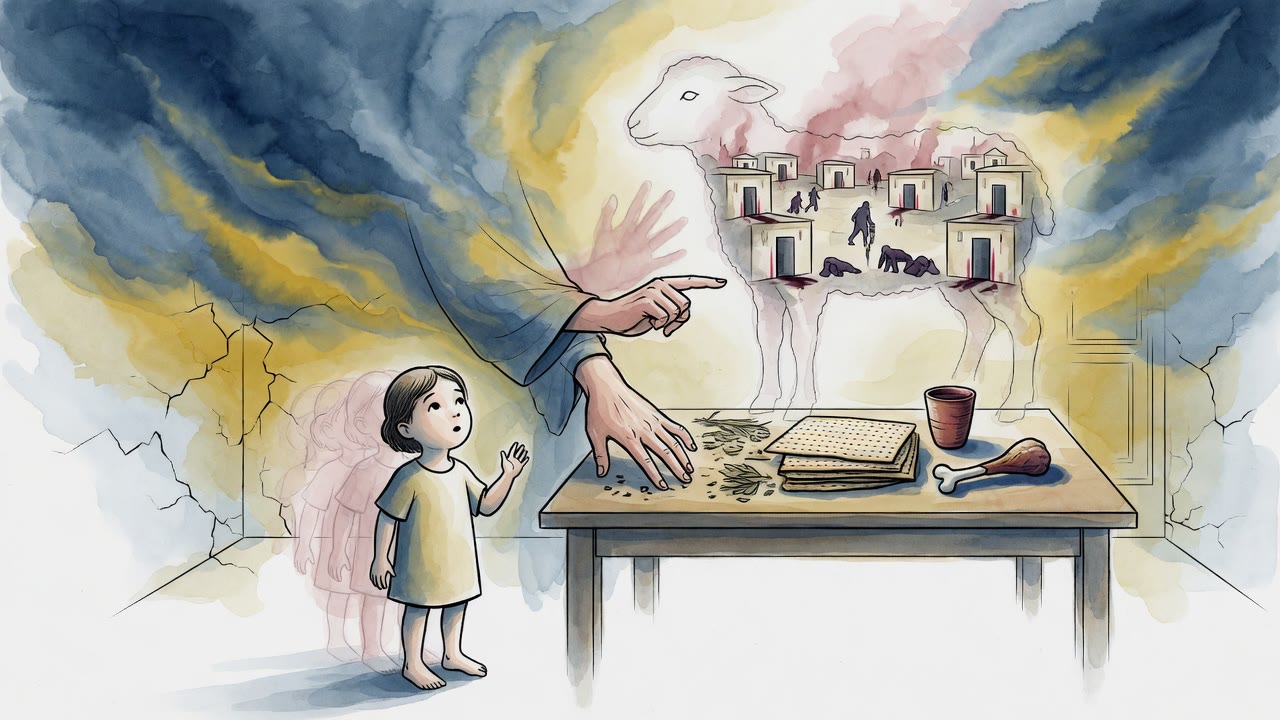
The password did not begin with Moses. Joseph was dying in Egypt when he spoke it. The brothers stood in the room. He did not give them a new sign. He gave them a sentence to keep until a later mouth said it back. God will surely visit you, and you will carry my bones up from here (Genesis 50:24-25). He pointed at the oath the way a dying man points at the one thing that must not be lost. Wait for the visit. Do not let Egypt teach you a different word for rescue.
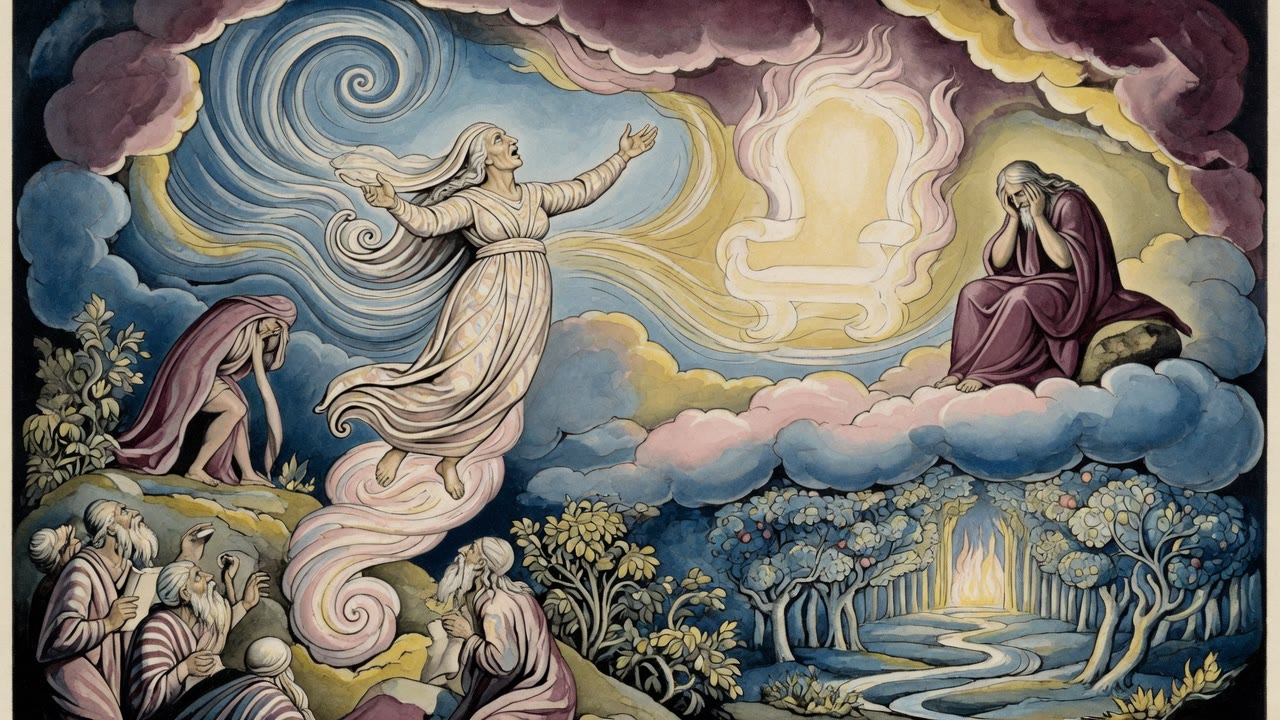
Asher taught that sentence to Serach. She outlived the men who first heard it. Elders could forget. She refused to forget. When Moses and Aaron came, the living witness was a woman who still knew how redemption sounds when it knocks.
The Family's Older Rescues
She told the elders the word was older than Moses. Abraham had left Ur on a doubled letter, when God said, "Get thee out of thy country" (Genesis 12:1). Isaac had been pushed from Philistine space as one much mightier than they (Genesis 26:16). Jacob had begged to be delivered from Esau (Genesis 32:12). Joseph had spoken visit on his deathbed. Now a mouth from the wilderness had said it back.
That was the proof. The stick was not.
Rabbi Eliezer would later count those doubled shapes on a page: khaph, mem, nun, peh, tsadi, five letters that take a second form, each pair bound to a rescue, the last of them a branch still to grow and rebuild. Serach did not need the later count. She had kept the middle one in her ear since the brothers still argued about grain and graves.
The Visit That Opened a Womb
The visit she was waiting for was the same force that counted every firstborn male (Numbers 3:40). It was the same force that remembered Hannah until a closed womb opened and she bore sons and daughters (I Samuel 2:21). Job spoke of a remembrance that preserved his spirit. Isaiah heard a remembrance for peace.
When Moses spoke visitation, he opened a family vault that held Joseph's dying certainty. After Serach named him, God's visit moved from Joseph's future tense into a living mouth. The people heard it and bowed.
The People Who Believed a Word
Slavery had lasted long enough to make any wonder look like a trap. Serach asked for the only proof a court magician could not forge: the family's own sealed speech of visitation. Moses had it.
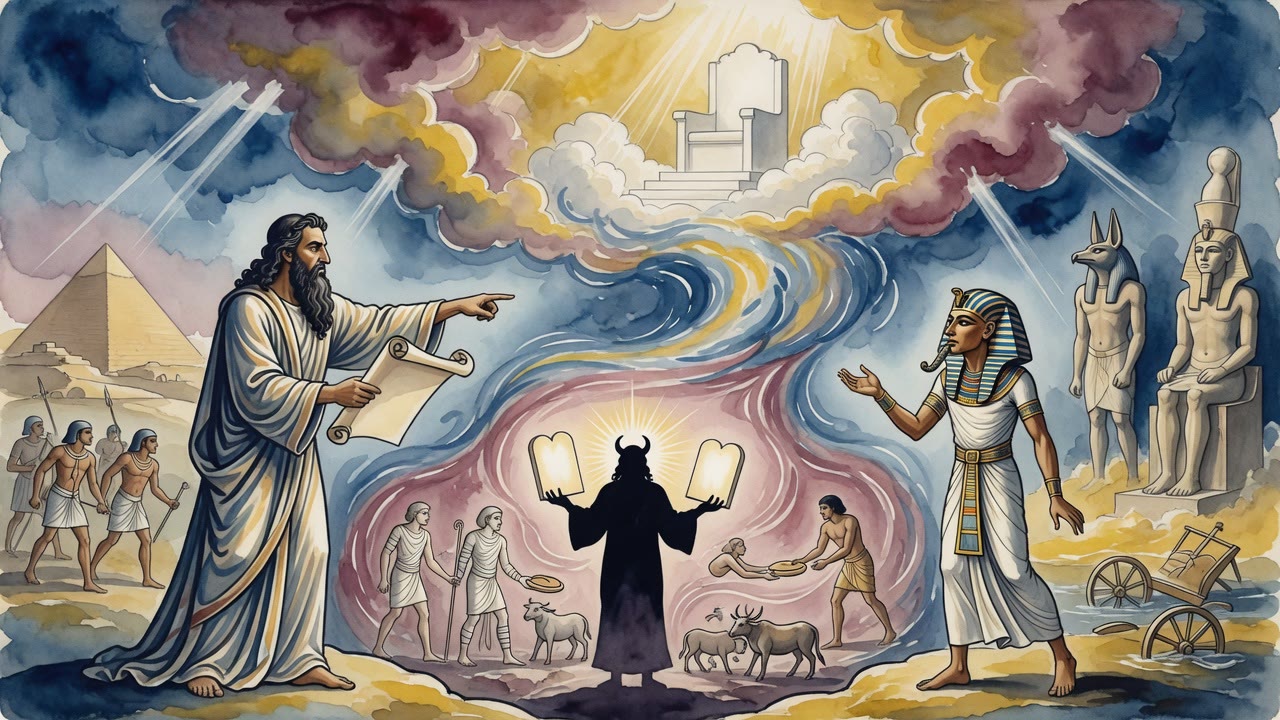
Without that sentence he might have remained another wonder-worker in a land full of them. With it he became the continuation of Joseph's last clear word. The people believed, and when they heard that the Lord had visited the children of Israel, they bowed (Exodus 4:31). Egypt had reason to worry.
← All myths