Serach Sang Joseph Alive and Entered Eden
While sages hunted the missing seventieth soul, Serach of Asher sang Joseph living to Jacob and was carried into Eden alive.
Table of Contents
 Click for full size
Sixty-Nine Names
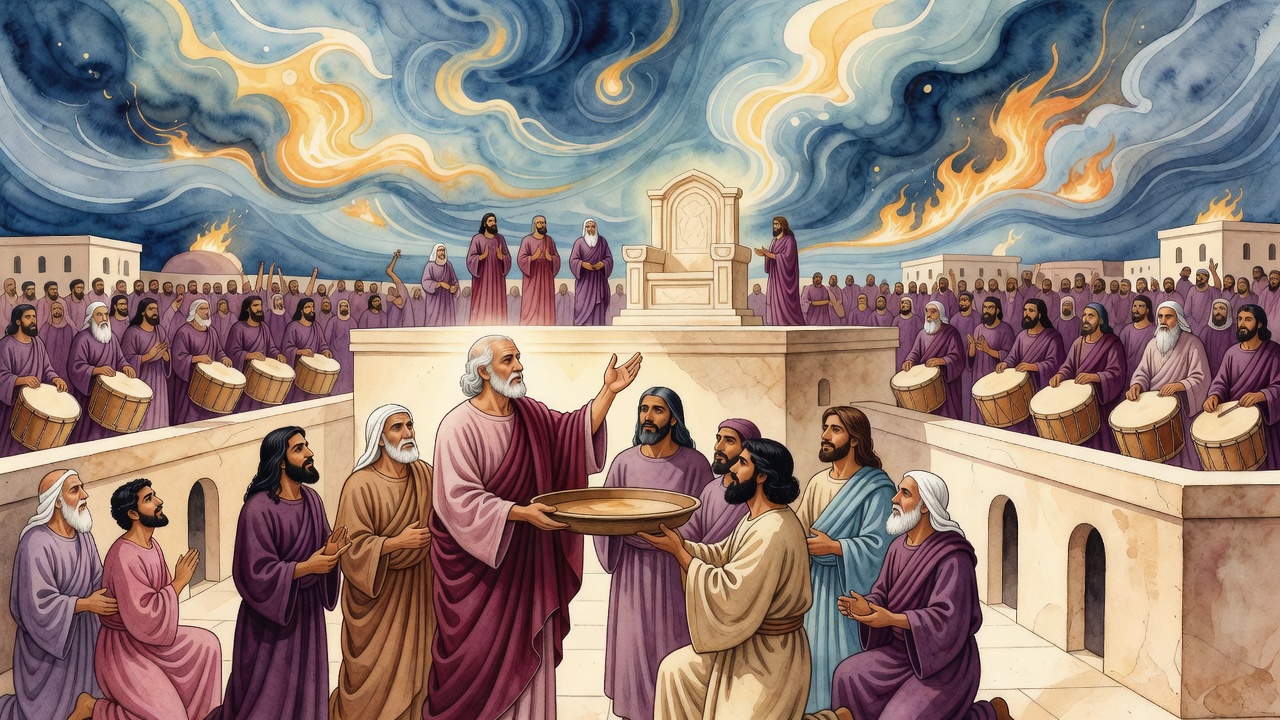
The wagons were ready for Egypt. Jacob's household lined up in the census of leaving, and Scripture set the total at seventy souls (Genesis 46:27). Children clung to cart wheels. Dust rose around the animals. When later sages counted the listed names, they stopped at sixty-nine and felt the missing one like a tooth gone from a smile.
Rav Cheyah tried a twin for Dinah on the strength of a small particle in the verse. A colleague knocked the particle down; it behaves that way in other places too. Rav Cheyah sighed and guarded a secret he would not empty into an argument. Then Rav Chama bar Chanena named the cleaner answer: Jochebed, conceived on the road, born between the wall and the gate of Egypt, first Israelite breath on that soil, and already, in the long story, the mother of the redeemer to come.
The missing number was not only arithmetic. It was a womb timed for the future. The count closed on a girl who would one day hold Moses before Pharaoh's daughter ever opened a basket.
The Harp in the Tent
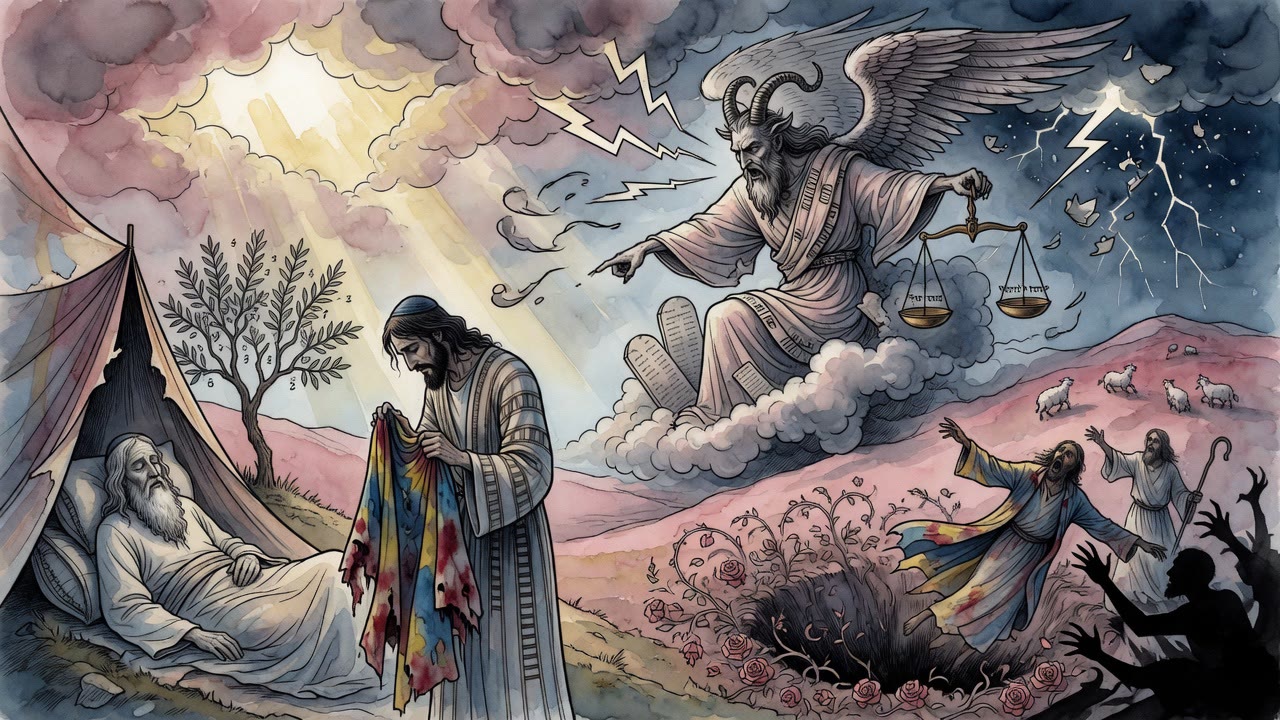
Among the seventy walked Serach bat Asher, a name easy to skip in a list of sons. She did not skip history. When the brothers returned from Egypt with news too sharp for an old grieving father, they feared a blunt sentence would kill what famine had not. Jacob had lived for years inside the lie of a bloodied coat. Joy, delivered wrong, can finish what sorrow began.
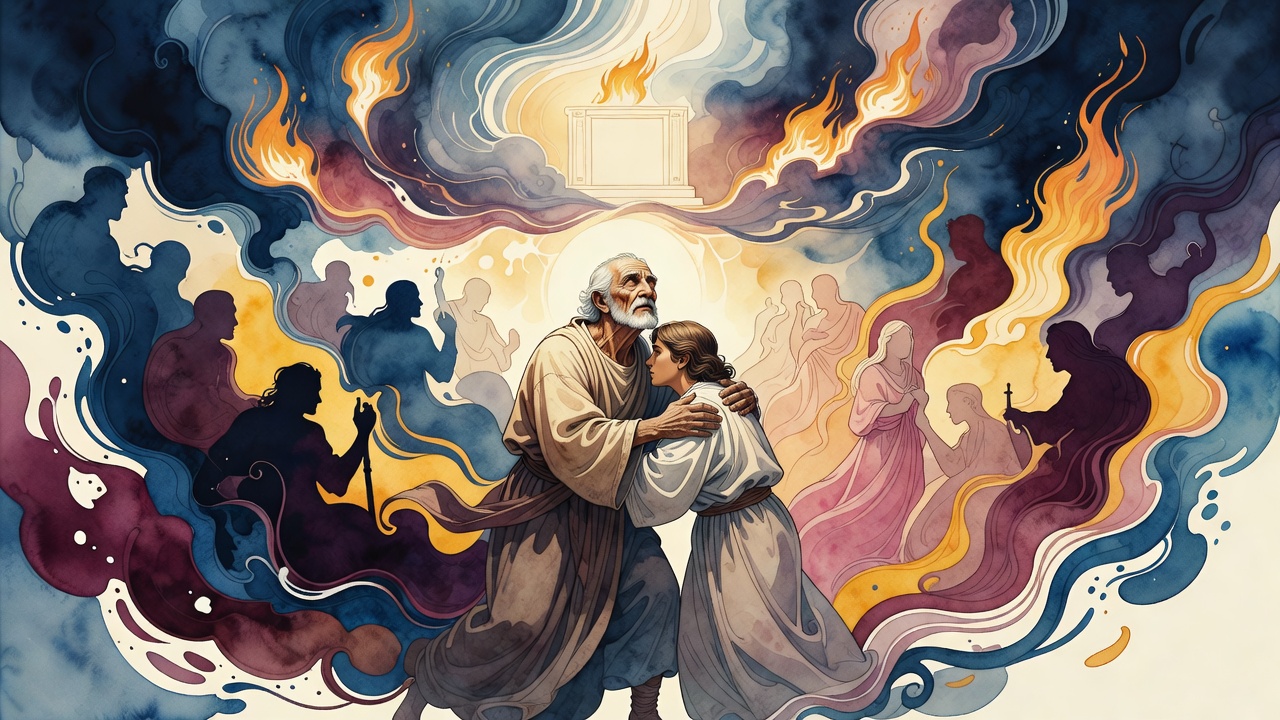
They sent Serach with a harp. She sat near him and let the strings find a road the words could walk on. She sang it gently. "Od Yosef chai." Joseph still lives.
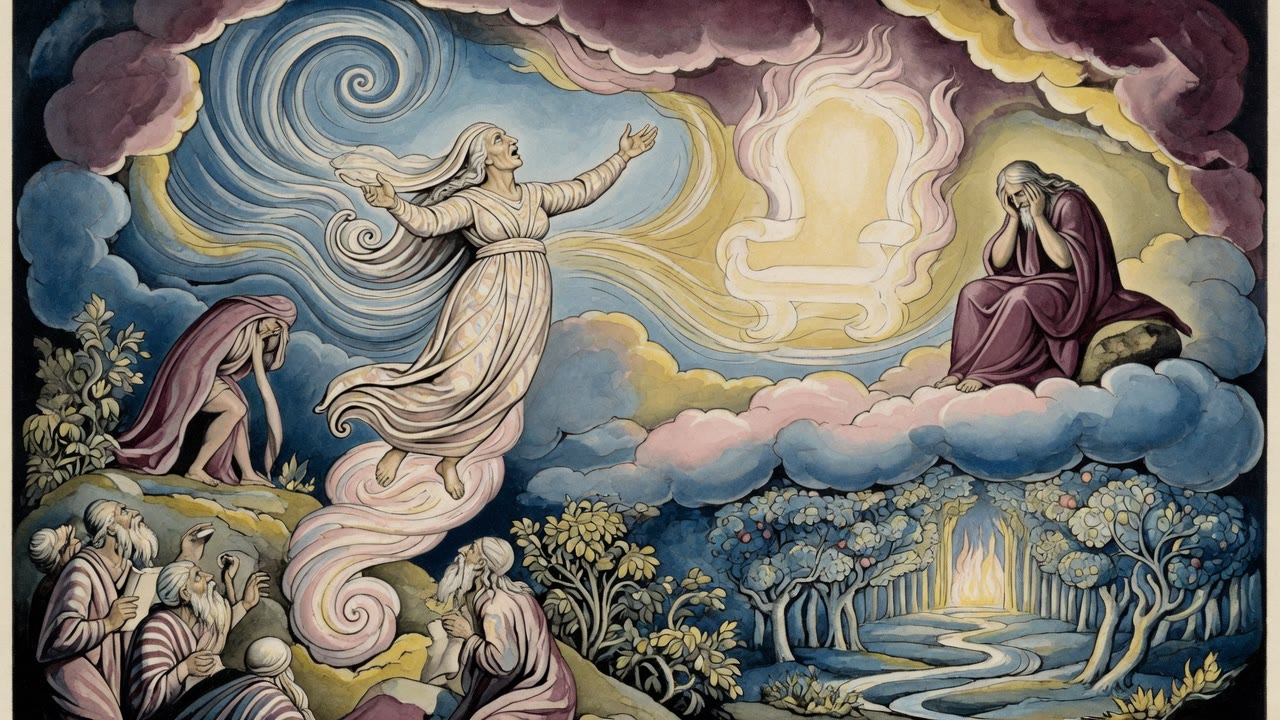
Jacob's spirit, which had gone cold over that coat, warmed again. Color returned to a face the household had watched fade. The girl who restored a grandfather's soul received a gift larger than a song's fee. She was carried while still alive into the Garden, into Gan Eden, given a life that would not end with her generation. Death, for her, became a door she was not required to use on schedule.
The Witness Who Would Not Fade
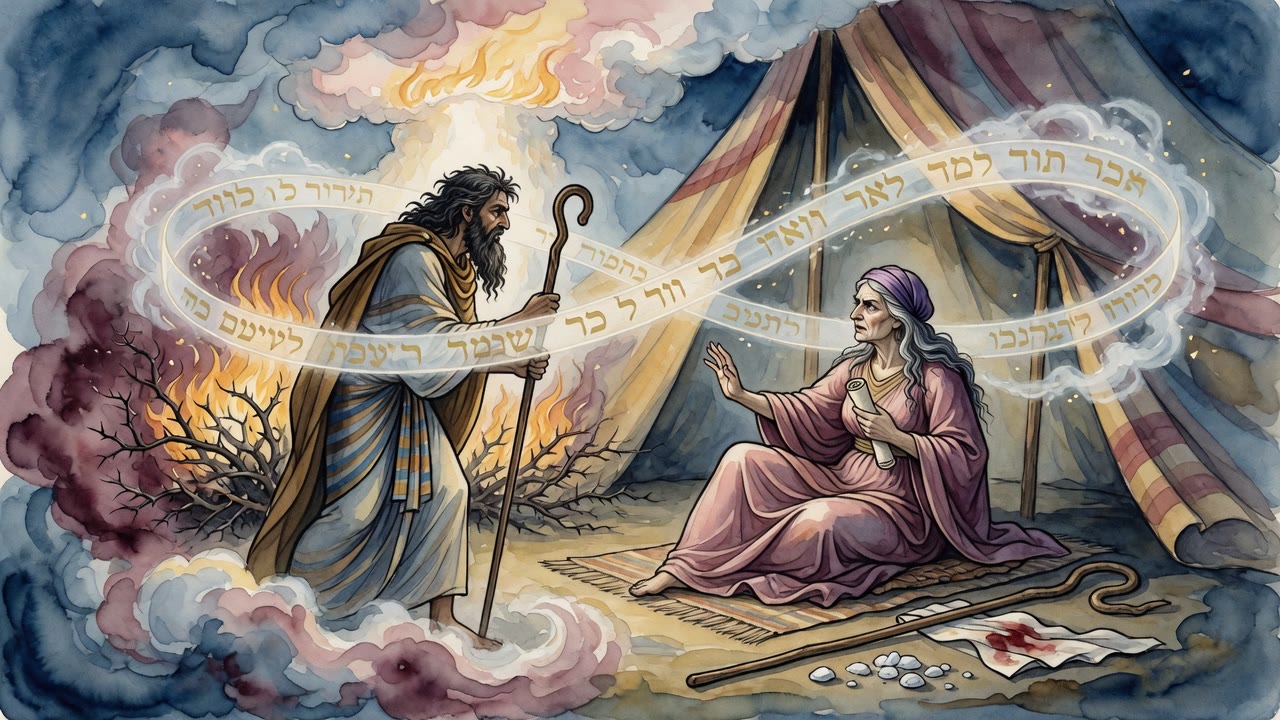
Serach's work did not stop at the tent flap. Centuries later a wise woman of Abel of Beth-maacah talked Joab down from destroying her city during Sheba's revolt (2 Samuel 20). The old memory names that woman as Serach still speaking, still turning a siege into a bargain of life. Walls that should have fallen stayed up because a voice older than the army knew how to trade a rebel's head for a city's breath.
When Israel needed someone who had seen Joseph's face, Serach could still point. When bones had to be lifted for the road out of Egypt, tradition says she knew the place. When a redeemer spoke the password of remembering, she was the living ear that could confirm the phrasing. Lists die. Witnesses who sing life into the dying keep walking.
Seventy Plus One Kind of Immortality
Jochebed made the count whole by arriving at the gate. Serach made the count mean something by refusing to become only a name. One closed the ledger of descent into Egypt. The other opened a corridor of memory through Egypt and out the other side.
On the road south, dust rose around carts and children. Jacob did not yet know which granddaughter would outlast empires. He only knew the song that had put breath back in his chest, and the strange peace of a household finally numbered, at last, as seventy. Somewhere in the line, a baby not yet born already belonged to the total. Somewhere ahead, a woman with a harp already belonged to forever.
What Memory Can Carry
Nations keep archives in stone and ink. This family kept one in a singer who would not die on time. Every later generation that told Joseph's story owed a debt to the girl who refused to shout it. Gentle news can be stronger than a trumpet. It can raise a father. It can earn a place in the Garden. It can still be speaking when the walls of a threatened city need a bargainer who remembers how life sounds.
In the dark of later exiles, someone always hums a version of her line. Joseph still lives. The people still lives. The count still wants a witness who can sing without breaking the hearer.
Jacob's hand found the edge of the harp after the song ended, as if wood could keep the miracle from floating away. Serach lowered her eyes. She had not come for praise. She had come so an old man would not die of a truth delivered like a spear.
The wagons creaked again toward Egypt. Serach walked among them with a harp string still warm from use, already older than the road in ways no census column could record.
← All myths