Sihon Barred the Road While Israel Offered Peace First
Hired to block Israel's path, Sihon gathered for war while the Torah still required a first word of peace at the gate.
Table of Contents
 Click for full size
The Hired Border
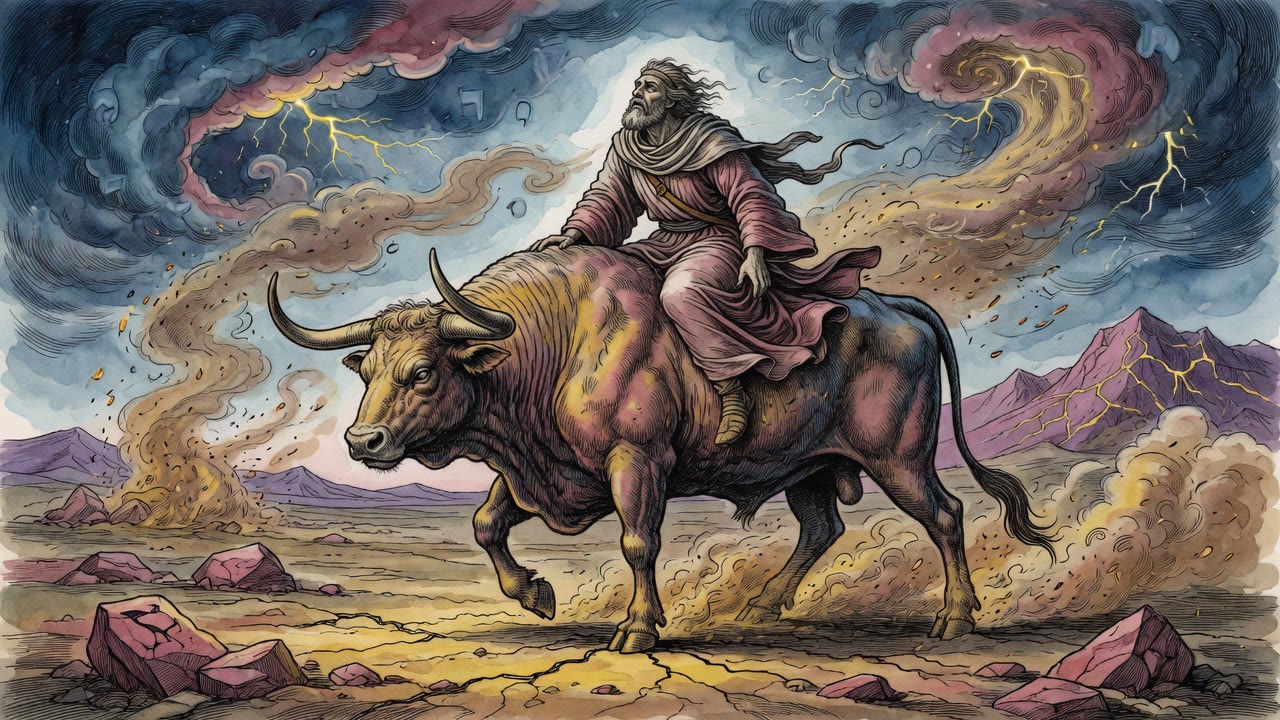
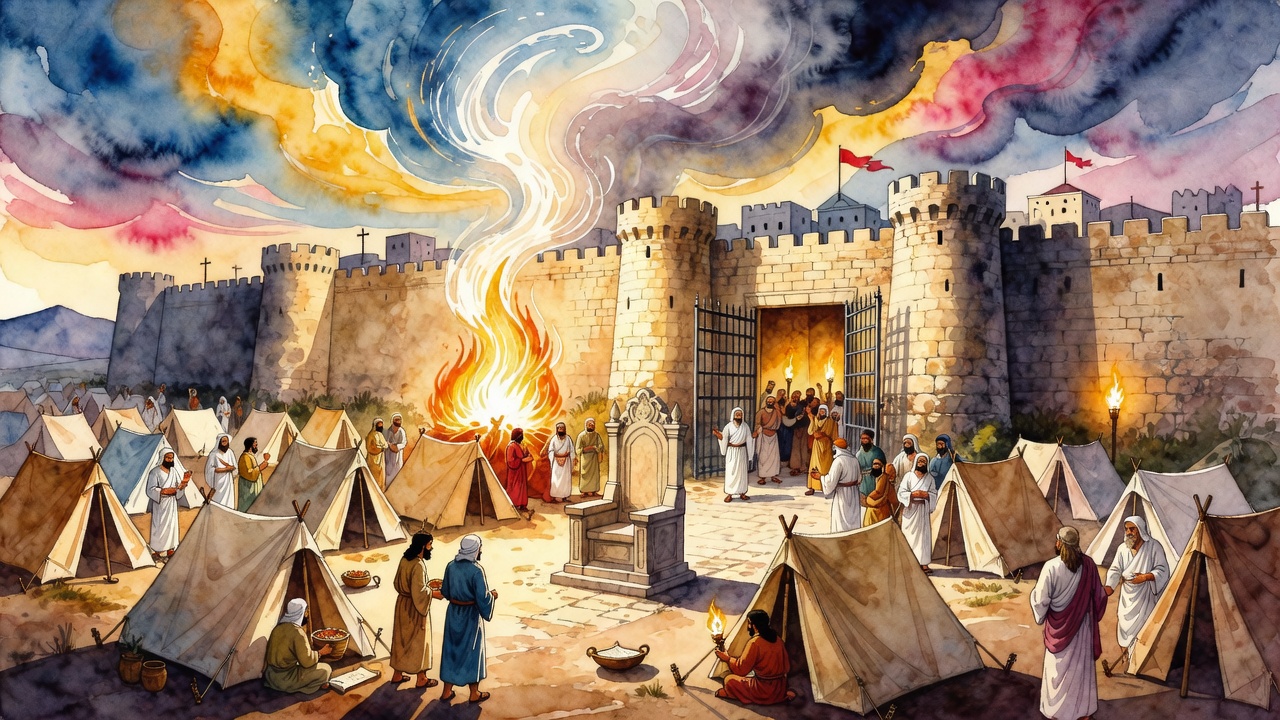
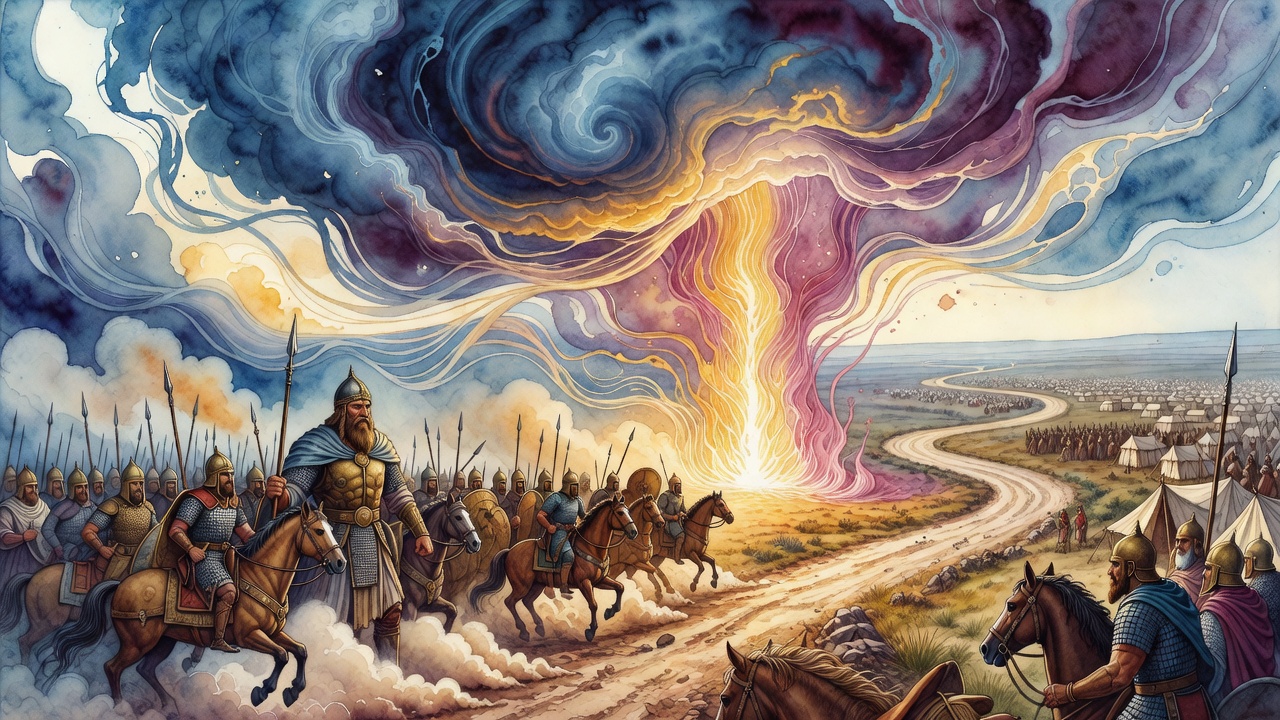
Sihon stood where the road narrowed. Israel asked only for passage, water bought with coin, feet on a path that would not stay. He refused. The Canaanite kings had set him there for one charge: bar the road, do not let Israel pass. The moment the request reached him, he gathered all his people for war.
The sages heard a sermon in his name. Sihon, they said, chased after sichah, talk and rumor, a man swayed by speech wherever it carried him. His true name was Canaani. He performed a Canaanite's task, standing guard so Israel could not enter the land. Hired fear does not negotiate. It only thickens at the gate, counting spears while the petition for a road still hangs in the air unanswered.
Open With Peace
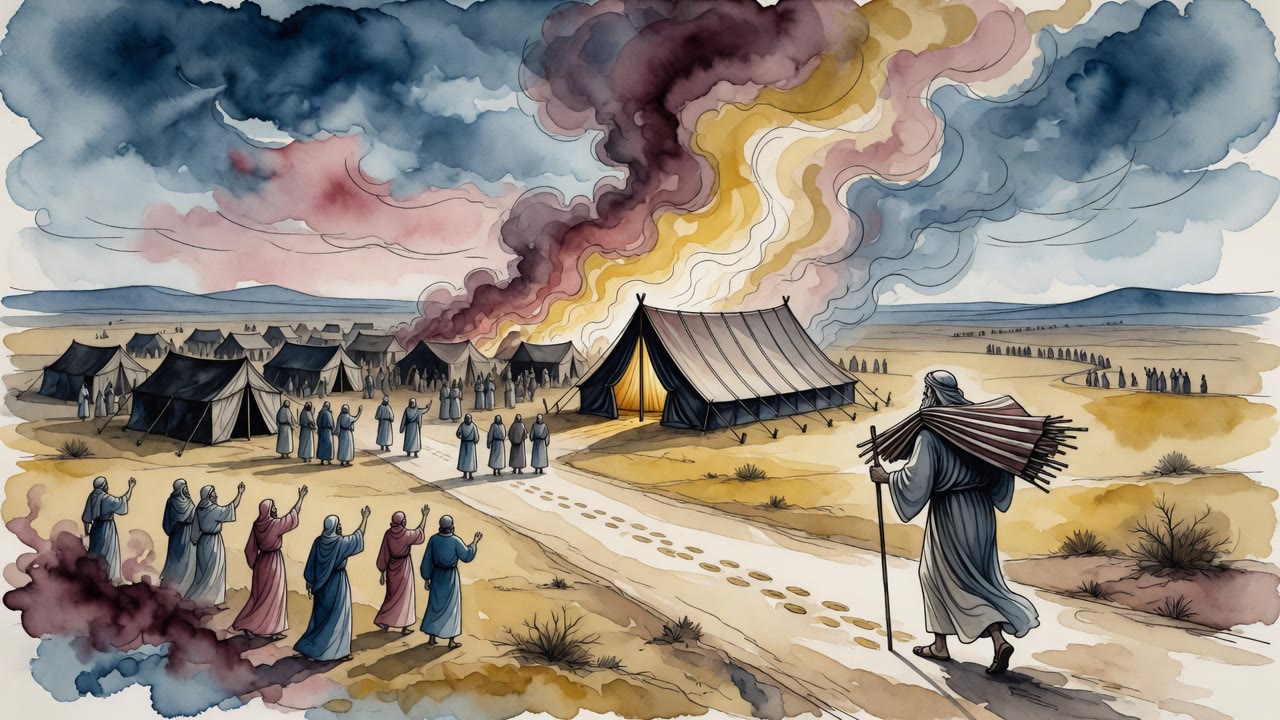
Against that wall the Torah still spoke a softer first word. "When you approach a town to attack it, you shall offer it terms of peace." Midrash Tanchuma on Shoftim presses the power of that opening. Even enemies receive the greeting of peace. The rabbis taught that Israel inquires after the welfare of the nations for the sake of the ways of peace, not as flattery, but as law that refuses to let the sword be the first language.
When Israel becomes one group, the trait of strict judgment does not reach them, even if idolatry sits among them. When their heart divides, judgment finds the crack. Rabbi Yehoshua of Sakhnin in the name of Rabbi Levi noted how far Scripture will go for peace. Joseph's brothers invented a deathbed command from Jacob they never heard, so Joseph would forgive them. Quills break and ink spills for words that never were, because peace is worth the falsehood of mercy. Even God softened Sarah's laughter when He reported it to Abraham, sparing the marriage a wound that truth, spoken raw, might have cut open.
Sihon had no such softening. His contract was the opposite of the first greeting. He had been paid to make sure no peaceful word could mature into a road.
The Calendar of Justice
Earlier still, at the Exodus, God turned Israel away from the near road through the land of the Philistines. "For it was near," the verse says, and the sages heard an older promise under it. God had told Abraham in a deep darkness that the fourth generation would return, because the wrongdoing of the Amorite was not yet complete (Genesis 15:16).
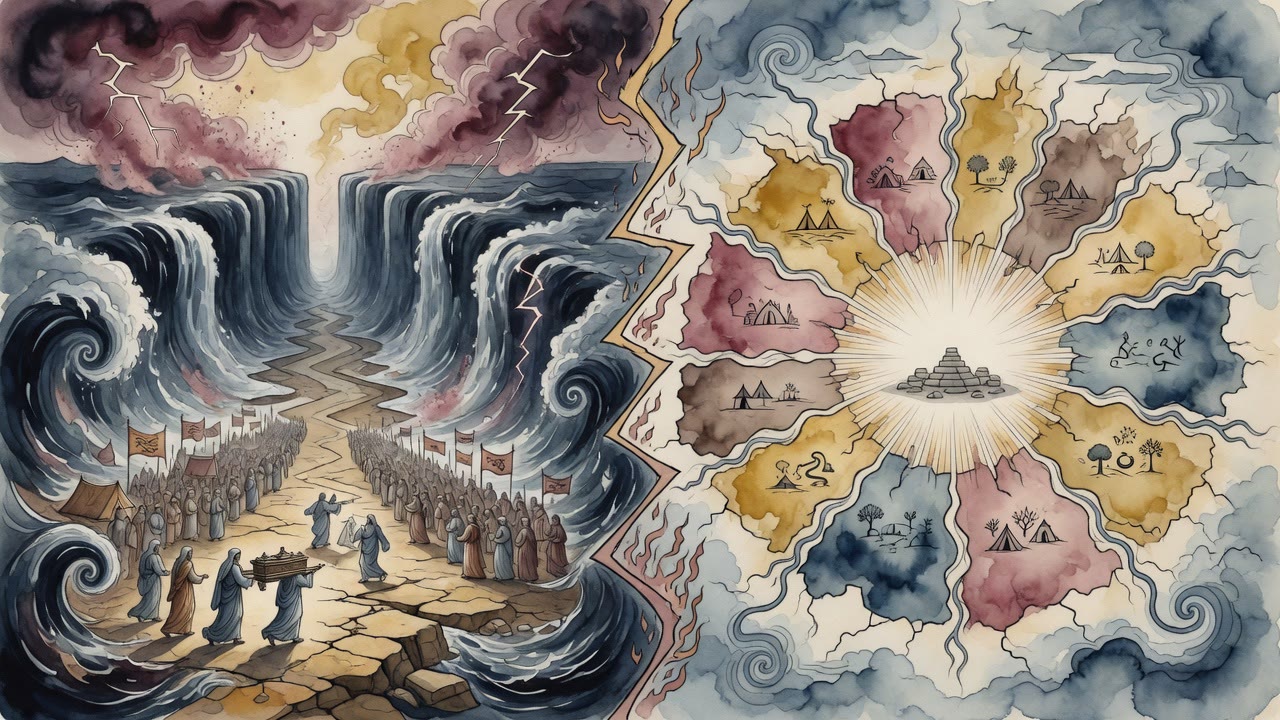
Justice has a calendar. The Canaanites would forfeit the land not by Israel's haste but by their own corruption ripening to full measure. To march in early would seize what had not yet been sentenced. So the Holy One held His people back into the wilderness and let the clock of judgment run. The detour kept the conquest honest. Plunder is not the same as a verdict fulfilled. A people who wait for heaven's timing learn a different kind of strength than a people who only know how to rush a border.
Sihon's later refusal sits on that same map. When the fourth generation's time had come, the hired barricade could no longer claim unfinished sin as its shield. The road that had been closed by heaven's patience would open by heaven's sentence, with or without Sihon's consent.
Armies Like Sand
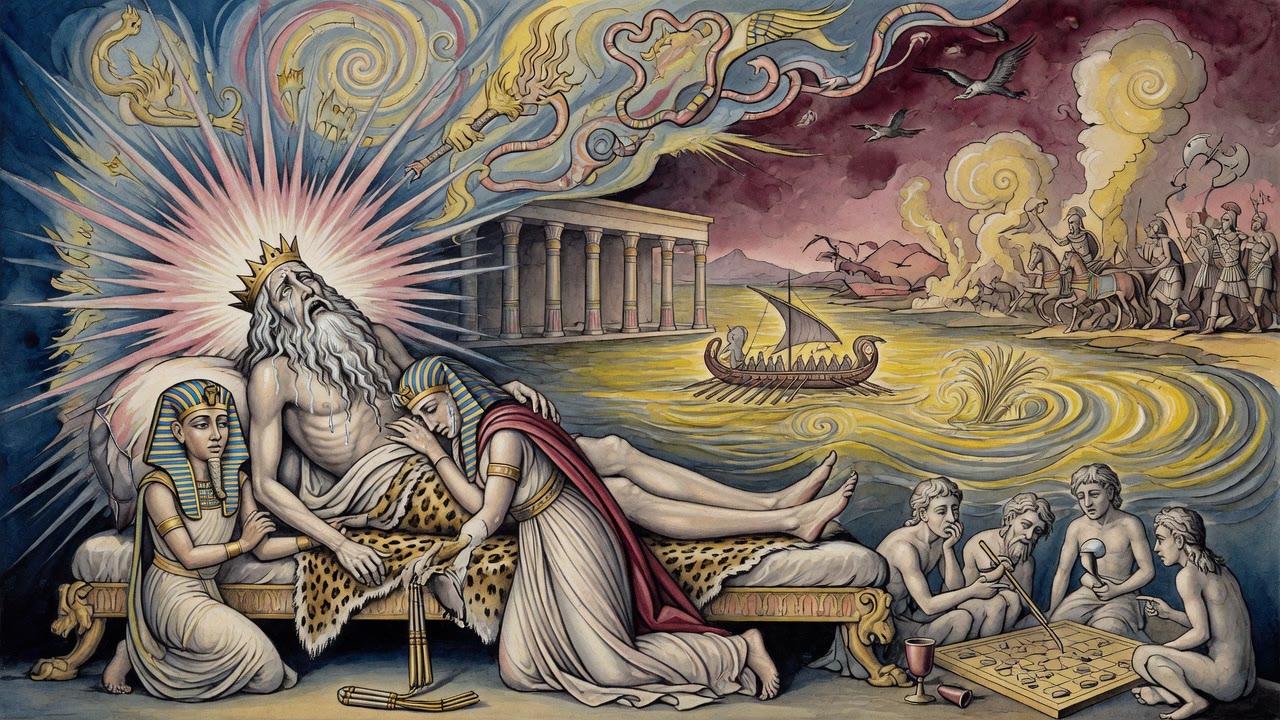
Centuries later another king gathered force the way the sea gathers sand. In the First Book of Maccabees, the king of Egypt massed an army "like the sand that lieth upon the sea shore," and a fleet with it, aiming by deceit to seize the remnants of Alexander's kingdom. Ambition still prefers numbers to greetings. The sand does not ask for peace. It only threatens to bury the road under boots and oars until no petition can be heard above the noise.
Israel's law at the gate refuses that reflex. Offer peace first. Wait for the calendar of sin to complete itself before you claim the land. Do not become Sihon, paid to stop a people God is moving. Do not become the Egyptian king who confuses a coastline of soldiers with a right to rule.
What the Border Remembers
Sihon gathered and fell. The midrash does not weep for the hireling. It remembers the charge he took and the speech that owned him. Against him stand Jacob's invented plea, God's softened report of Sarah, and the wilderness years that refused a premature conquest. Peace is not weakness at the gate. It is the first test of whether the army still hears Torah when the horses are already stamped and ready.
The road remains. Some stand on it as barricades. Some approach it with terms. The tradition chooses which face Israel must wear when the town comes into view. Sihon's name is a warning carved into that choice: a man can be hired to be a wall, and a wall can still be wrong.
← All myths