Sisera's Nine Hundred Chariots Sank in the Mud
Sisera counted nine hundred iron chariots as invincible armor until rain and stars turned his pride into a swamp of broken wheels.
Table of Contents
Sisera climbed into the foremost chariot and felt iron under his boots. Nine hundred machines of war stood in ranks behind him, axles oiled, horses stamped, drivers already tasting victory. On open ground no foot army could face that wall of metal. He had told himself this until the words became a second skin.
 Click for full size
Israel waited in the hills without armor that matched his. Deborah's word had drawn them out. Barak's spear was not a chariot. Sisera smiled into the wind and gave the order to roll. The thing he trusted most was the thing that would kill him, though he did not know the sentence yet.
Mud was already gathering in the ruts. He did not look down.
Iron That Cannot Swim
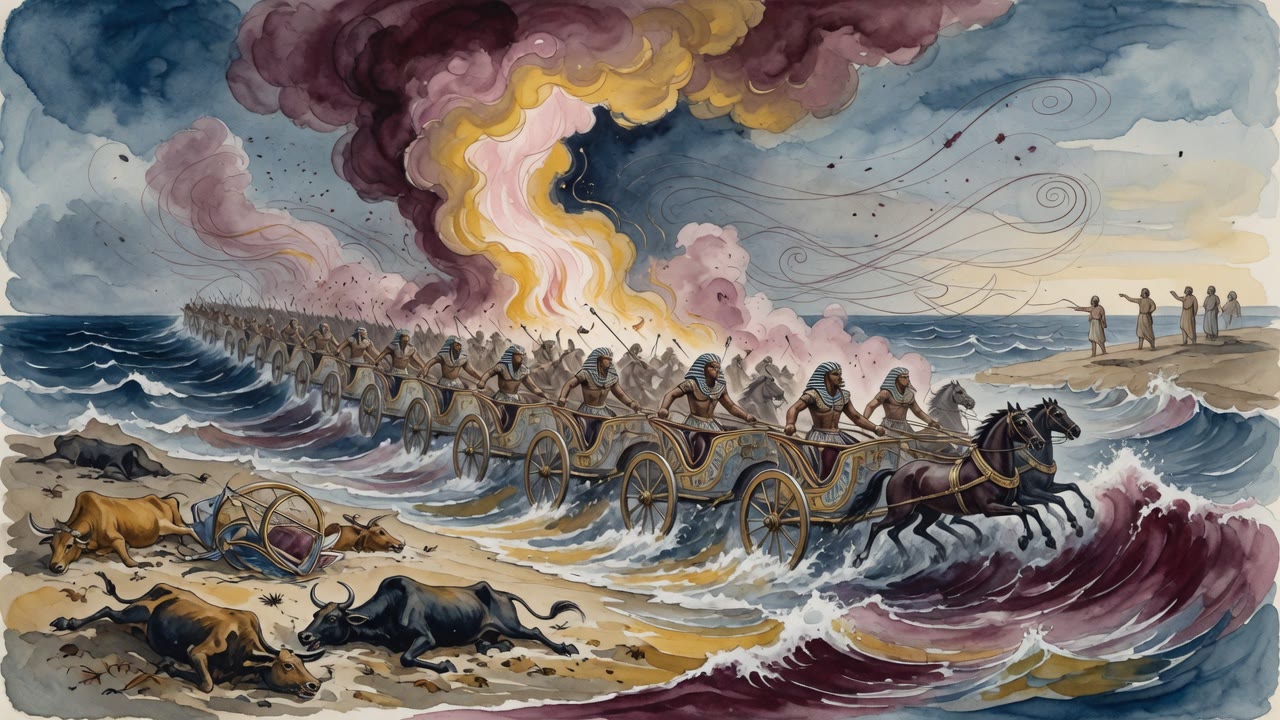
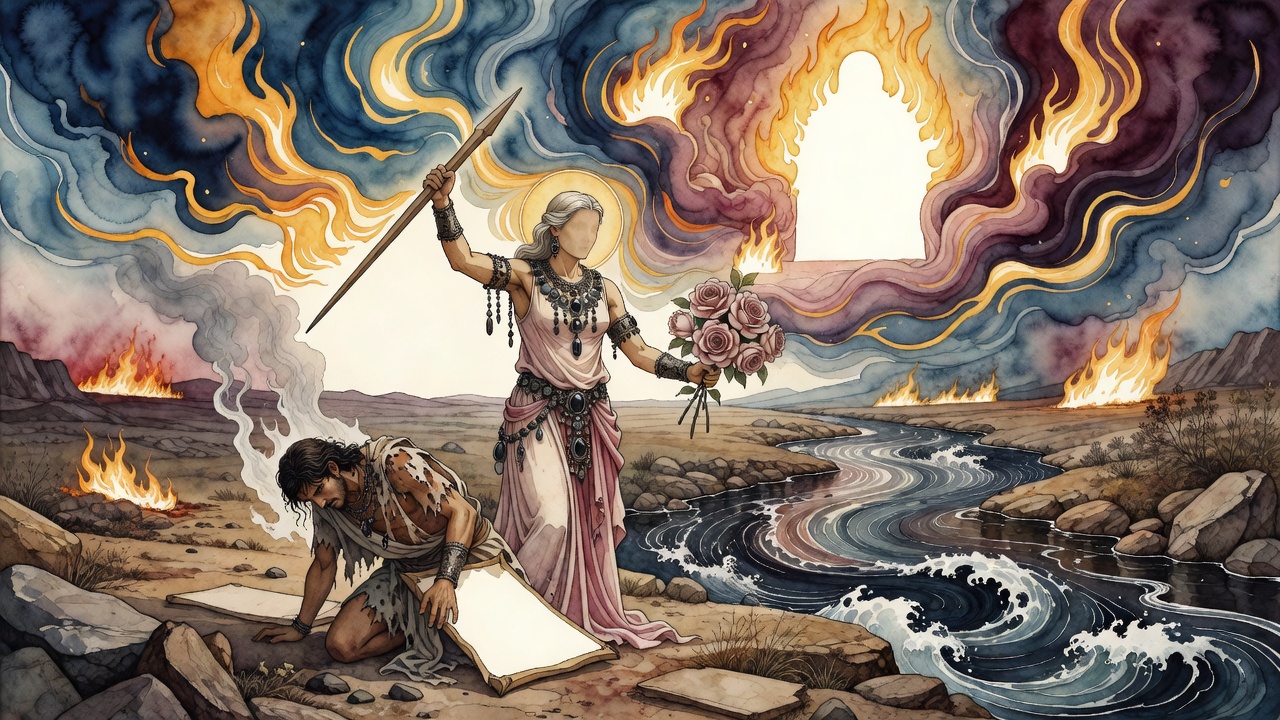
The rain came as if the sky had chosen a side. Wheels sank. Horses screamed and reared. Drivers who had boasted of speed found themselves hauling dead weight through a field that had turned into a bog. Nine hundred chariots, the pride of Canaan, became nine hundred traps. Men who trusted iron learned that iron cannot swim.
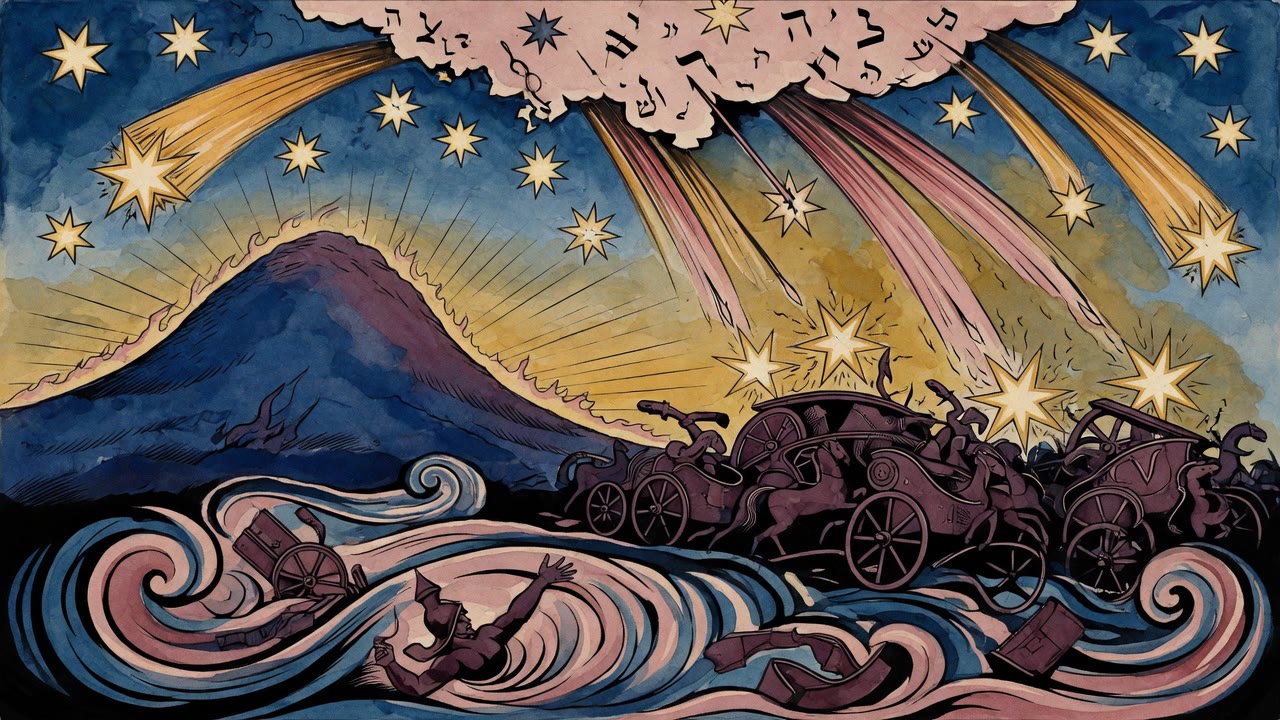
Sisera abandoned the first chariot and tried another. The second sank deeper. He left the line on foot, cloak heavy, breath raw, the general of an army that had outrun itself into clay. The stars, the Song of Deborah would say, fought from their courses against him (Judges 5:20). He had measured power in forged wheels. Heaven measured him by a different scale.
Every boast has a domain. His domain was hardware. The answer came through water and sky, the two things no forge can command.
The Shield That Is Not Iron
Below the ridge, Israel felt the storm as help, not terror. The people who had no chariots discovered they were not alone in the field. The Sages would later name that nearness the Shechinah (the Divine Presence), the Presence that helps in the moment of need, not as a theory but as a shield pressed close to the body. David had sung of God as rock and shield and horn of salvation. On this day the shield was weather itself, turned against the man who had made metal his god.
A people helped by the Lord does not mean a people that never bleeds. It means the help arrives from a place the enemy cannot inventory. Sisera counted chariots. He never counted rain. He never counted the quiet resolve of a camp that trusted something heavier than iron.
Barak's men moved when the wheels failed. Spears found drivers who had climbed free of broken frames. The battle became a hunt among stuck machines, and the machines no longer answered to their master.
Flight to a Tent Peg
Sisera ran until his lungs burned. He reached the tent of Jael, wife of Heber the Kenite, and begged for water and cover. She gave him milk. She covered him with a rug. He slept the sleep of a man who still believed he could outrun the day.
She took a tent peg and a hammer. The general who had trusted nine hundred chariots died by a household tool, soft as a domestic scene, hard as judgment. The Song would remember both the stars and the woman's hand. Pride that begins in public arsenals often ends in a private room where no armor fits.
When Barak arrived, she showed him the body. The war was finished not by a better chariot, but by the collapse of the thing Sisera had made absolute.
What a Person Elevates
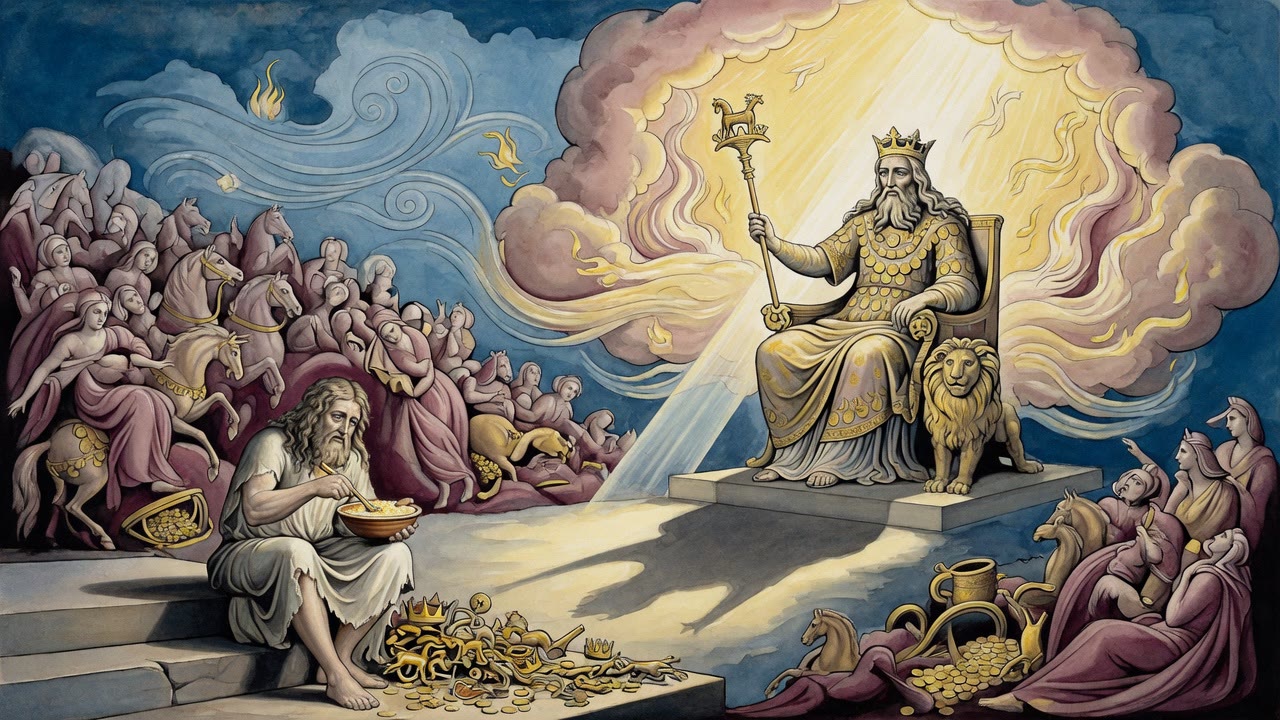
The Mekhilta draws the line clean. When a person elevates any created thing, strength, beauty, office, or weapon, to the rank of ultimate trust, God answers inside that same domain. Sisera's punishment did not come from a random plague. It came through the failure of the very hardware he had worshipped with his confidence.
Israel did not win because it forged better wheels overnight. Israel won because the Presence that helps a people does not need to match the enemy's inventory. The shield of salvation is not a thicker plate. It is the refusal of Heaven to let iron rewrite the covenant.
Years later, when singers named the stars as fighters, they were not writing astronomy. They were naming a justice that knows how to aim. The boast writes the sentence. The mud only delivers it.
Walk any age and you will find new chariots, new metals, new counts of nine hundred. The question does not change. What do you trust when the ground softens? If the answer is only what your hands built, watch the ruts. Rain is patient. Stars keep their courses. The general who forgets both is already mid-flight toward a tent he cannot control.
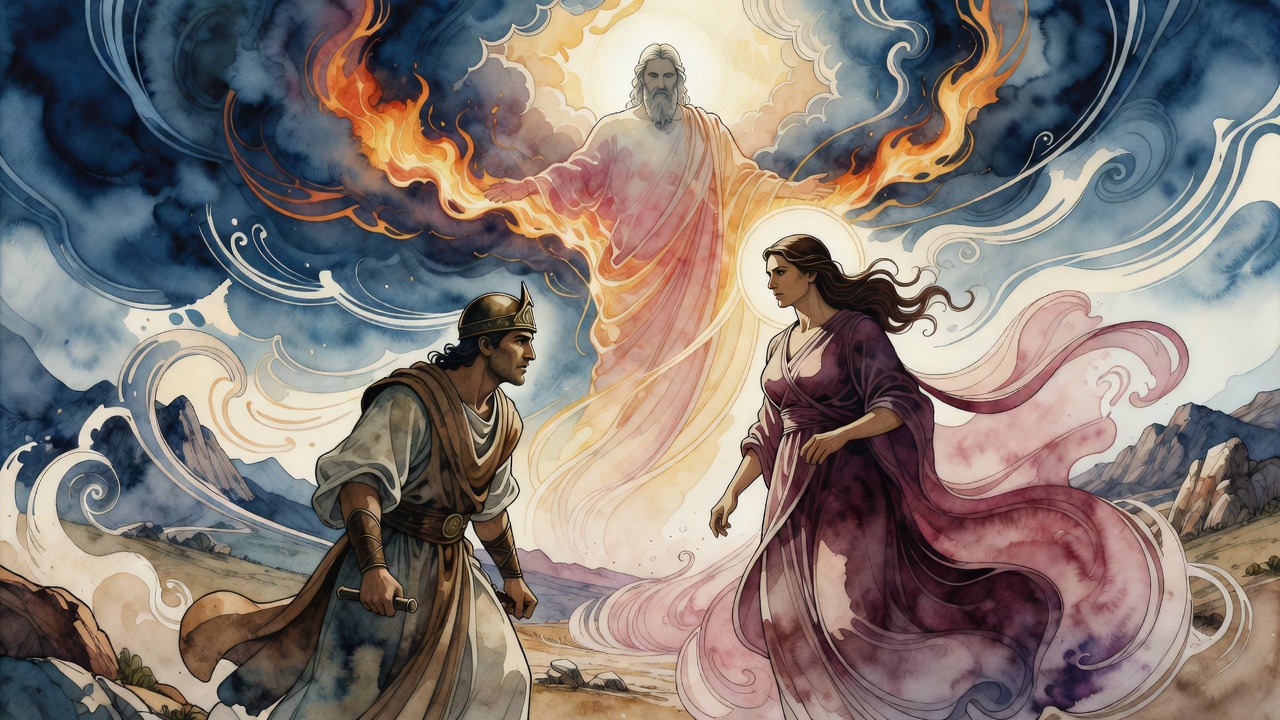
Deborah stood on the high ground with the song already forming behind her teeth. She had called the tribes when calling felt like folly. Now the folly wore Sisera's abandoned cloak in the mud. Prophecy is sometimes only the courage to stand where rain will choose a side.
Barak walked among broken axles and did not collect souvenirs. Victory that depends on weather can make a man humble or make him invent a story where his arm did all the work. He chose the quieter account. Heaven had fought. Israel had moved when the wheels failed.
← All myths