The Arrows, the Bleeding Nile, and the Fire Inside the Ice
Pharaoh went down to the Nile at dawn as if the river still belonged to him. Aaron stood on the bank with the rod already raised.
Table of Contents
 Click for full size
The Quiver Already Had Names
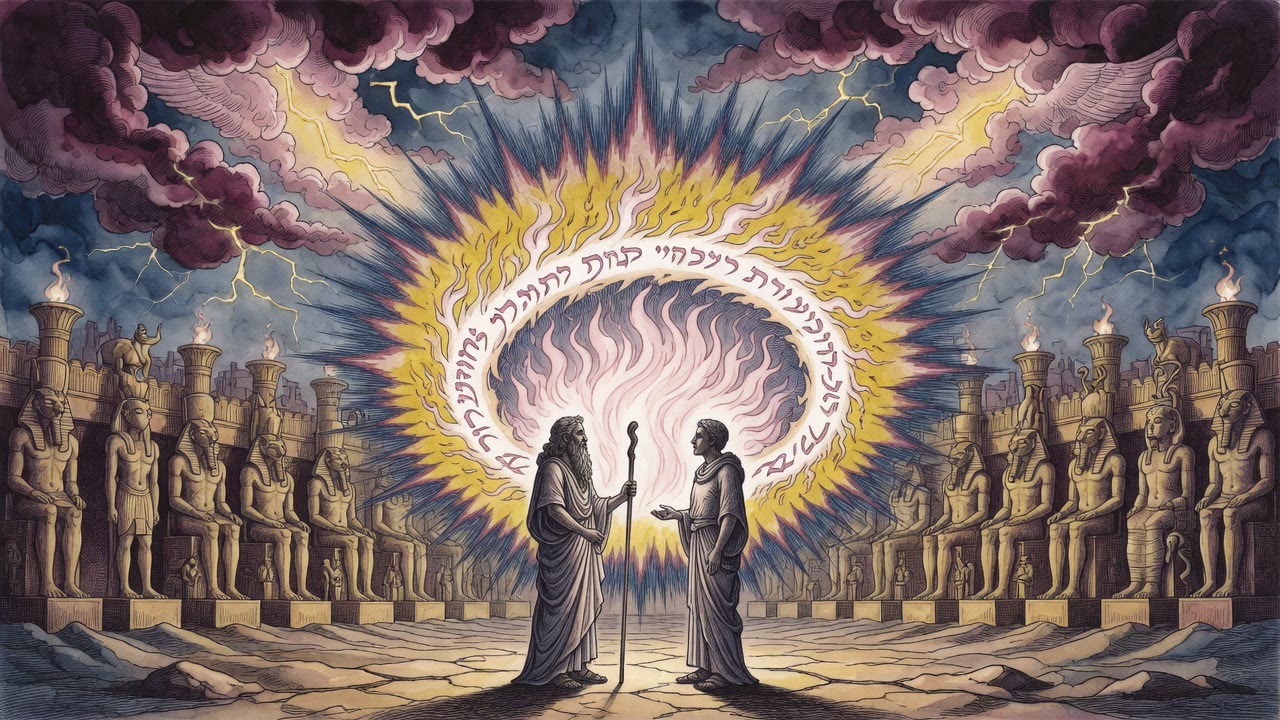
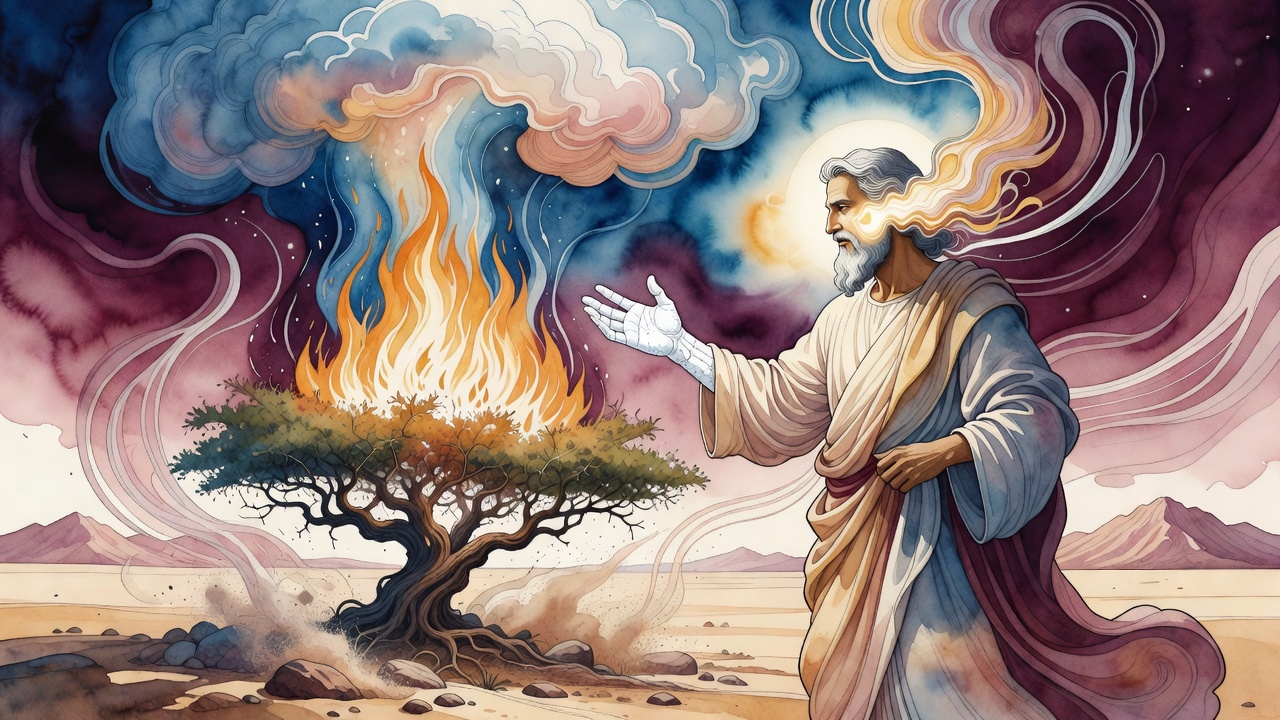
Moses already knew the answer before he asked it. He had stood in the throne room once and watched the king's face close like a door. Now the voice that had spoken to him out of the burning bush spoke again, and it did not promise that Pharaoh would listen.
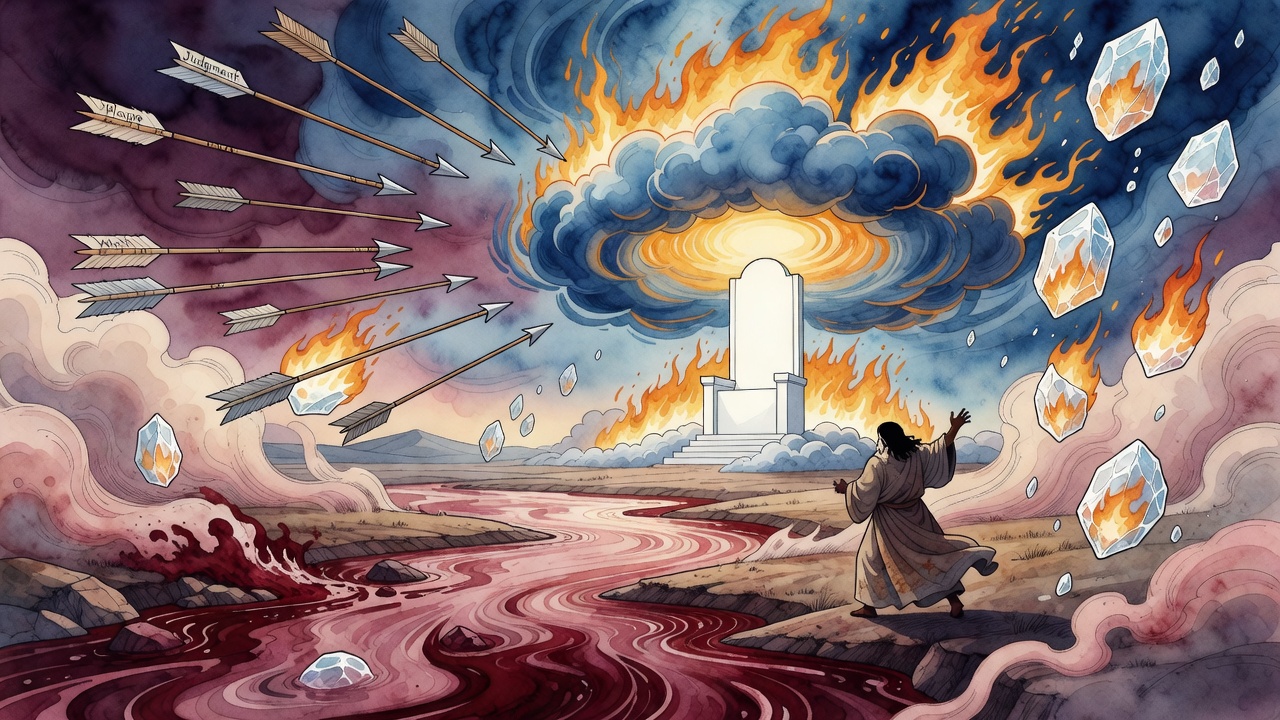
"He will not hear you," God said. The redemption would come anyway, and it would come by force. "I will shoot among them the arrows of death, and I will lay the plagues of My mighty hand upon Egypt."
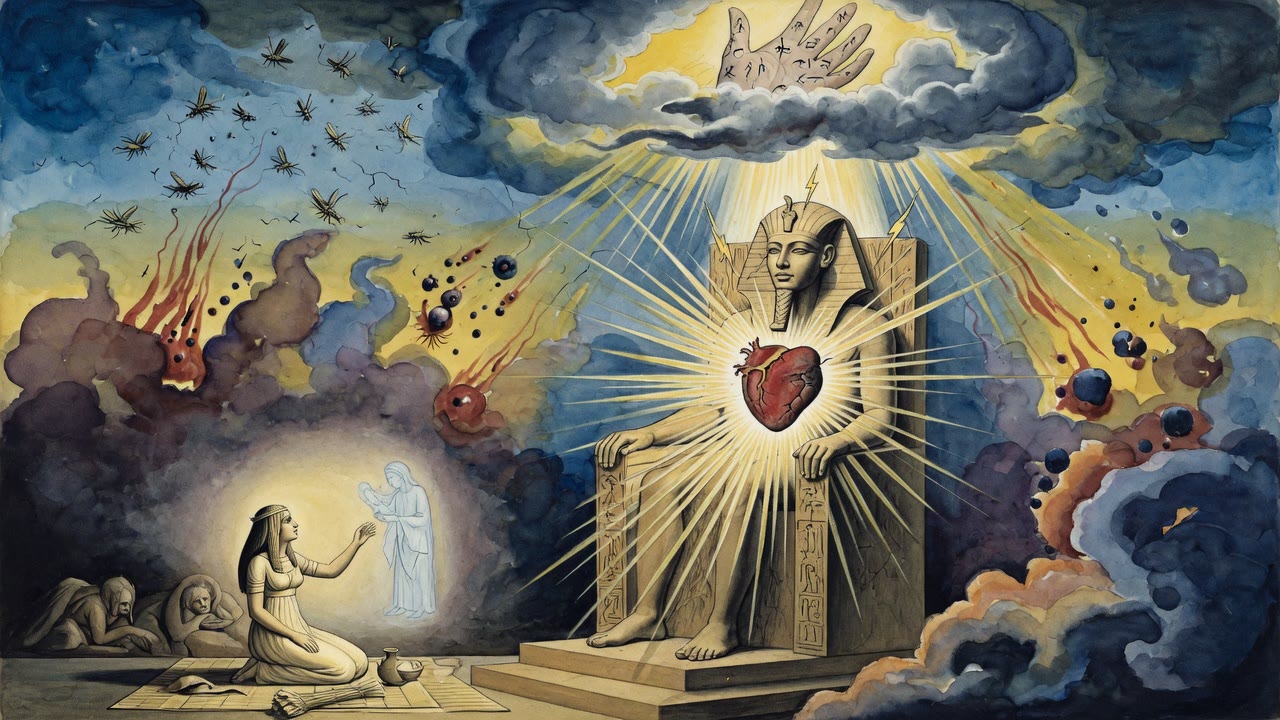
Arrows. Not a flood of undirected rage. Not weather gone wrong. An arrow is aimed. It carries an address. Ten of them waited in the quiver, and each shaft already had a name written down its length: blood, then frogs, lice, wild beasts, pestilence, boils, hail, locusts, darkness, and last of all the death of the firstborn.
The end was decided before the first shaft flew. "I will bring out the children of Israel free from among them," God said. Egypt's only remaining question was how many arrows would fall before the door opened.
Aaron Struck the River in Court
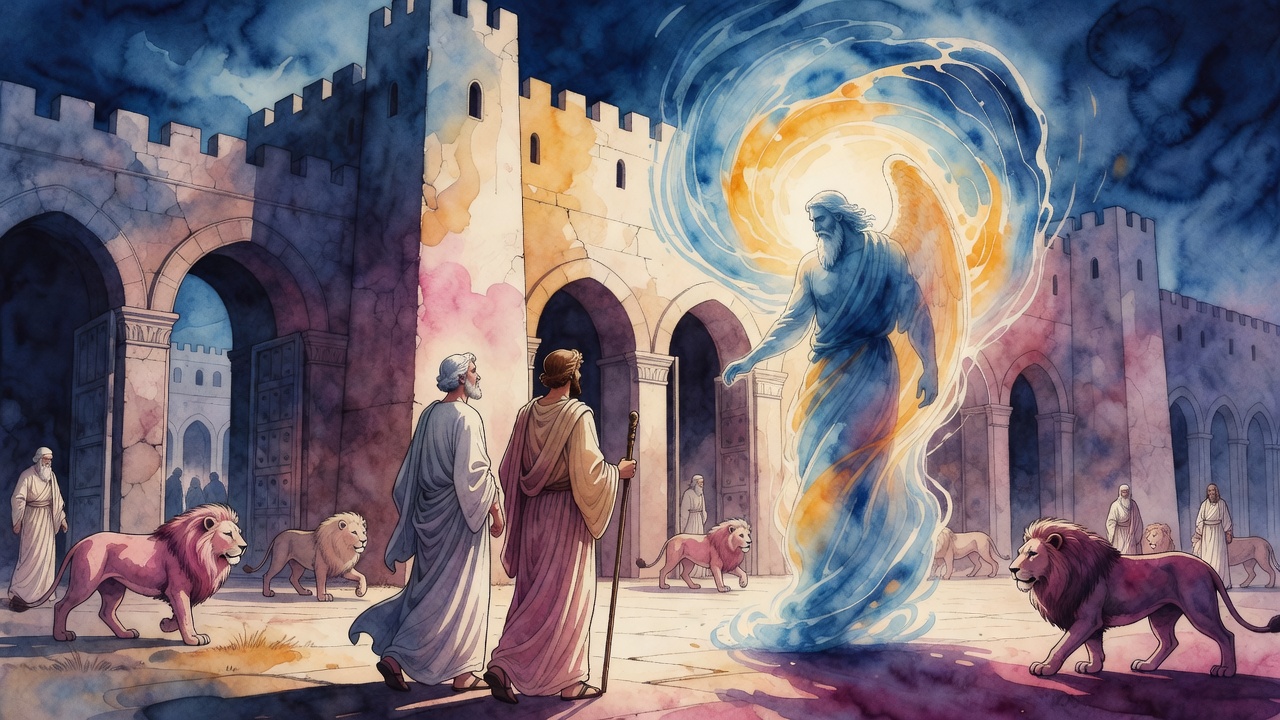
At dawn Pharaoh went down to the water the way a priest goes to an oracle. The Nile was Egypt's lifeline. It flooded the fields, filled the cattle troughs, washed the temple vessels, and the king consulted its current each morning as though the river carried his fortune in it. Moses was waiting for him on the bank.
"By this sign you shall know that I am the Lord," God had told him. No hedging in it. The waters of the river were about to become blood.
Aaron lifted the rod. Moses did not touch the water himself. He let his brother strike it, in the sight of Pharaoh and in the sight of all his servants, and the whole river turned. This was not a private miracle in a back room that a man could deny by nightfall. The color shifted in front of the very men whose power rested on the belief that Egypt's gods owned the water. The servants saw. The king saw.
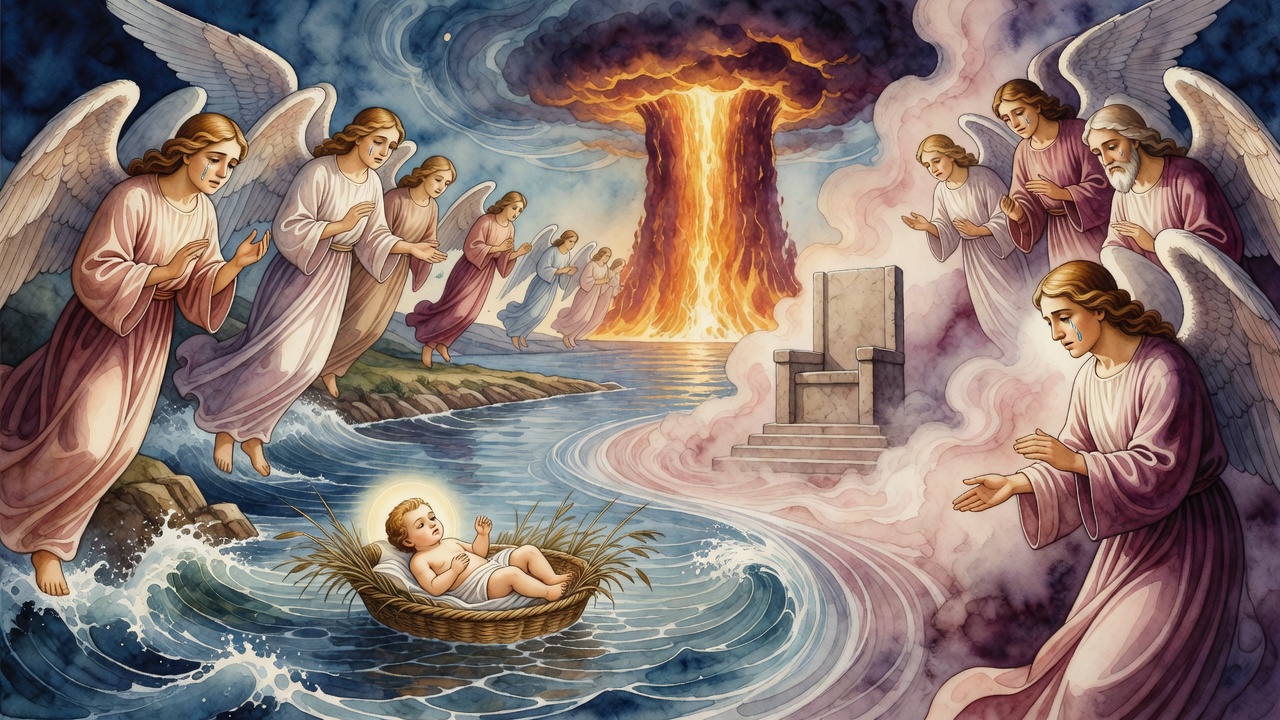
The blood was a memory. This was the same river into which Pharaoh had ordered every Hebrew boy thrown. The water that had swallowed those children now handed gore back to the fist that had poured them in. Fish died and floated. The Egyptians dug around the banks for a drink that was not red. The Nile had become a witness against the man who worshiped it.
Ash From the Furnace Climbed
The arrows kept flying because the king kept refusing. After a while the instruction changed shape. No rod to raise. No river to strike. "Take handfuls of fine ash from the furnace," God told Moses and Aaron, "and let Moses scatter it toward the height of the heavens, in the sight of Pharaoh."
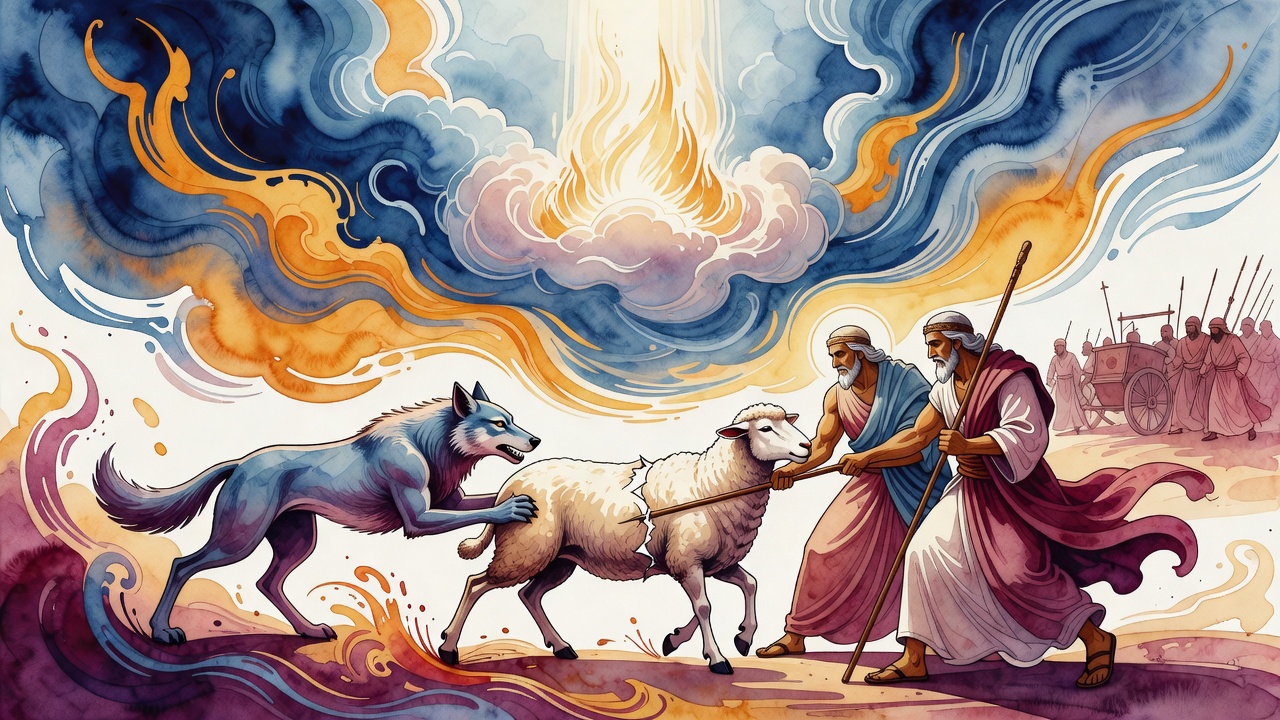
The ash was not gathered at random. It came from the kiln, the furnace of the bondage itself, the same smoke that had risen off Israel's forced labor for generations. Moses filled both fists with it. The grit bit his palms. Then he flung the two handfuls upward, toward the sky, in front of the king who had fed that furnace with Hebrew backs.
The handful became a storm. The soot spread across the whole face of the sky and came down over Egypt as boils, breaking out on man and beast together. What Egypt had used to break Israel's bodies was lifted into the firmament, scattered thin, and dropped as reckoning onto Egyptian skin. Pharaoh had to stand there and watch it climb. He did not look away in time. The ash found him anyway.
Fire Kept House Inside the Hail
Then Moses lifted his rod toward the height of the heavens, and heaven answered with something that should not be able to exist.
The Lord sent thunder. He sent hail. And threaded through the ice, burning where it had no business burning, ran flaming fire, and the two came down together on the land of Egypt. Fire and ice are enemies. Each is built to destroy the other. Ice should drown a flame, and fire should melt the hail to nothing long before it lands. Neither happened.
The ice did not quench the fire. The fire did not melt the ice. Each did its work, then withdrew, and left the fields flattened and the cattle dead in the open. A man standing under that sky and calling it foul weather had not been paying attention. Ordinary hail does not carry a flame inside it.
This was not a storm. It was a signature pressed across the heavens where every Egyptian could read it, the mark of the same archer who had promised arrows with names written on them. Pharaoh's mouth stayed shut. The ice hissed. The fire kept burning inside it until the order was done.
← All myths