The Avenger Ran With His Heart Boiling in Grief
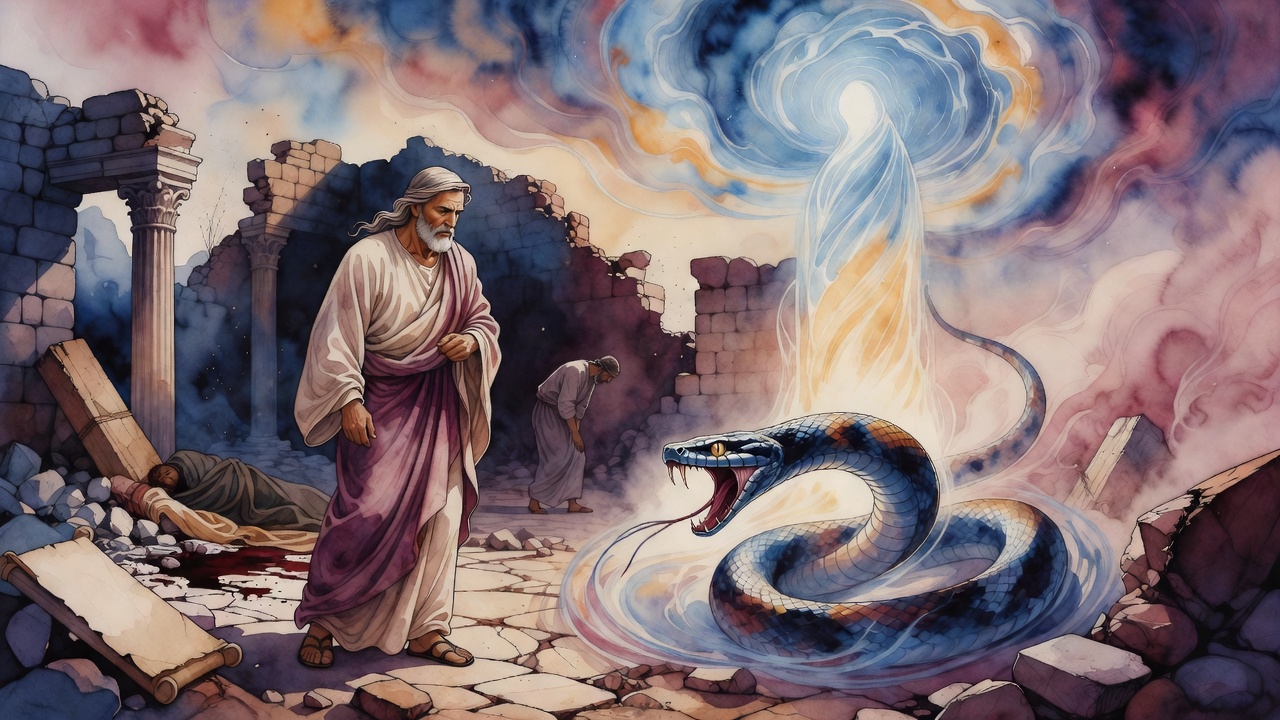
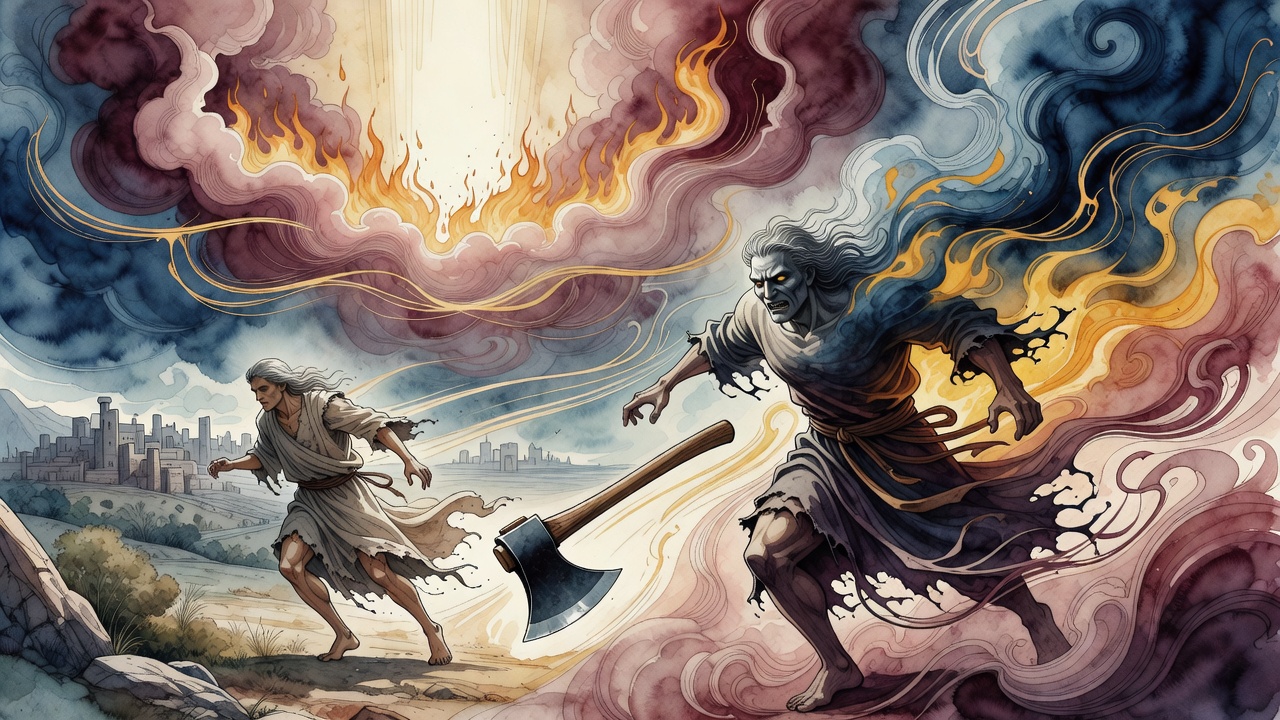
The axe head left the handle and struck a neighbor stacking wood. The man who had swung it dropped the haft and ran for the gate.
Table of Contents
 Click for full size
The Iron Left the Haft
The iron flew apart from the haft and lit on a neighbor who had been stacking wood a breath earlier. No enmity yesterday. None the day before. Only a tool that failed and a body that fell.
The man who had swung the axe dropped the useless handle and ran.
Behind him the blood avenger, the go'el ha-dam (גואל הדם), took up the chase with his heart boiling within him on account of his grief. Rage and sorrow shared one pulse. The road to the city of refuge was not a legal idea. It was a race against a relative who could not yet tell accident from murder and did not care to.
The axe head lay in the dust, still ordinary. The dead man's brother did not look at it. He looked at the runner's back and ran.
The Gate Had to Shut in Time
Three cities stood ready inside the land, with a high road cut toward each so a manslayer could flee there and live (Numbers 35:12). If the way was long, the boiling heart would catch him. If the way was short, a gate could close first.
The runner's lungs burned. He did not stop to explain. Explanation is a thing for men who are not being hunted. He saw the wall, then the lintel, then the open mouth of the gate, and he threw himself through it. The avenger arrived close enough to hear footfalls on the far side of the wood.
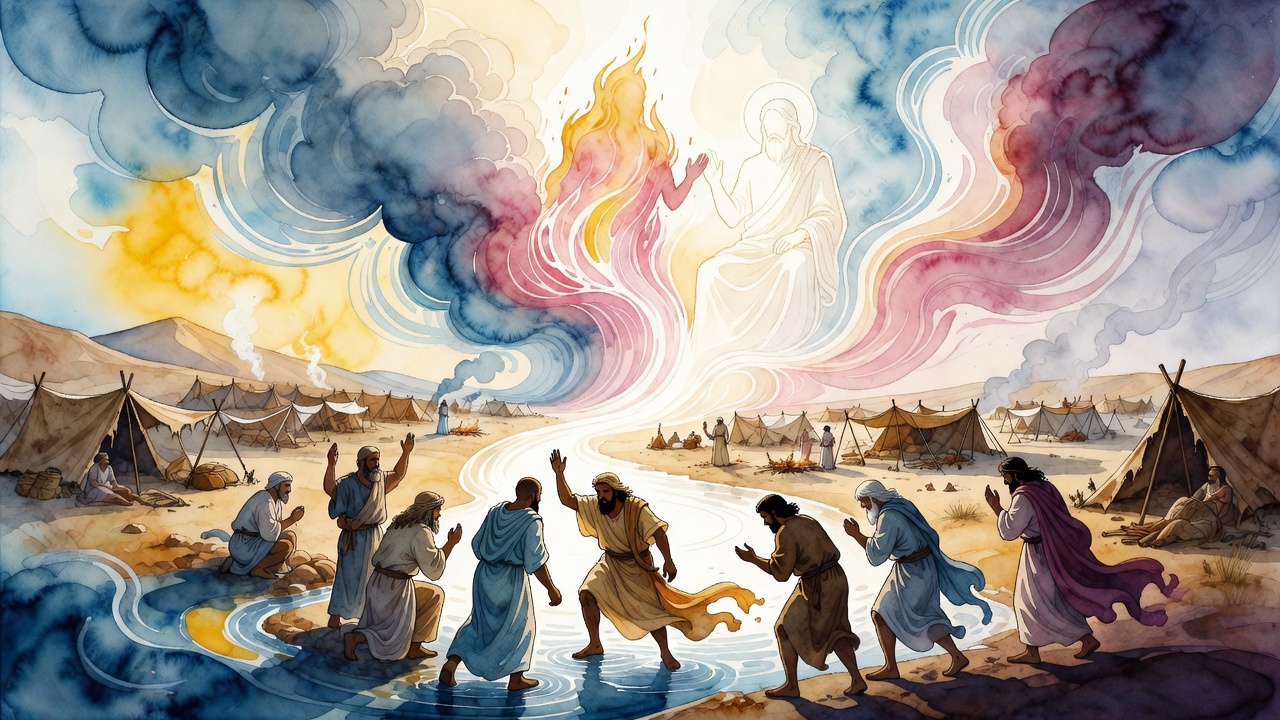
The gatewardens did not ask for a speech. They saw the terror and the empty hands. Inside, the runner collapsed against a wall and learned that safety can feel like a second crime. Outside, the boiling heart walked the boundary. One pace beyond that border, the protection ended. The avenger could slay him there. The edge of the city was as sharp as the axe that started it.
The slayer would not die, even then, until he stood before the congregation for judgment. The avenger's knife waited. Grief still ran. A gate had shut in time.
They Dragged Him From the Horns
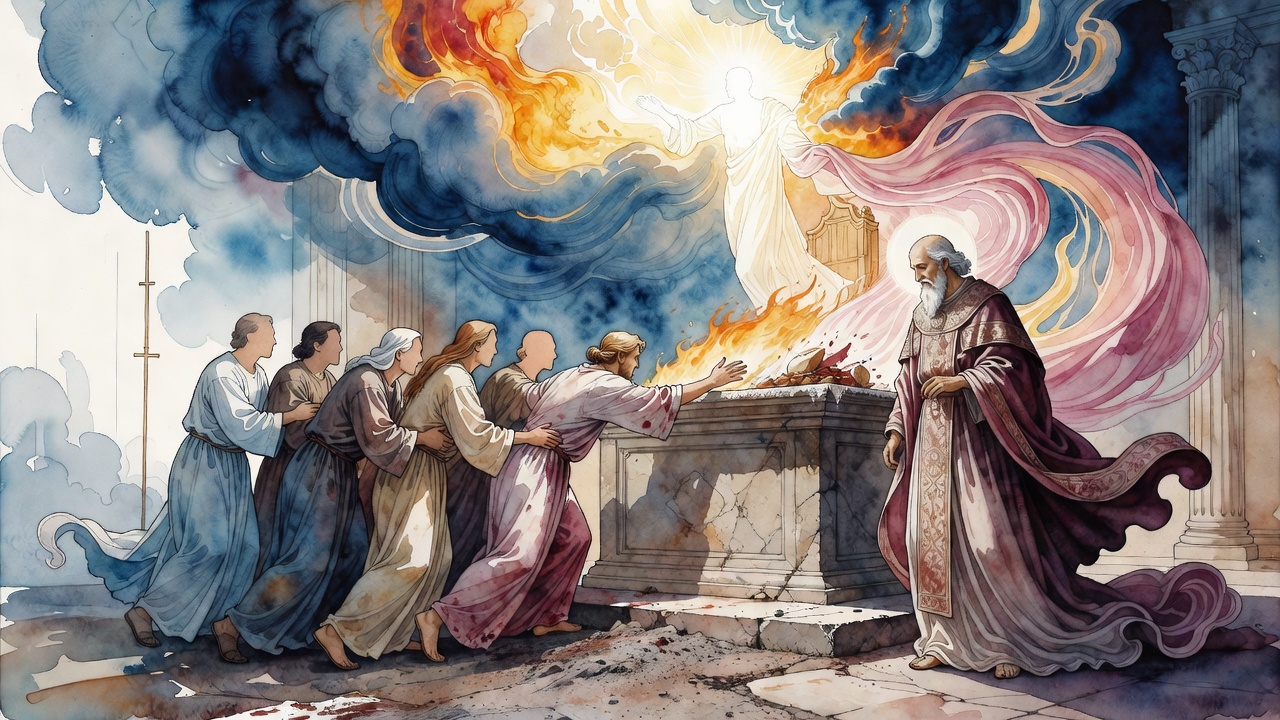
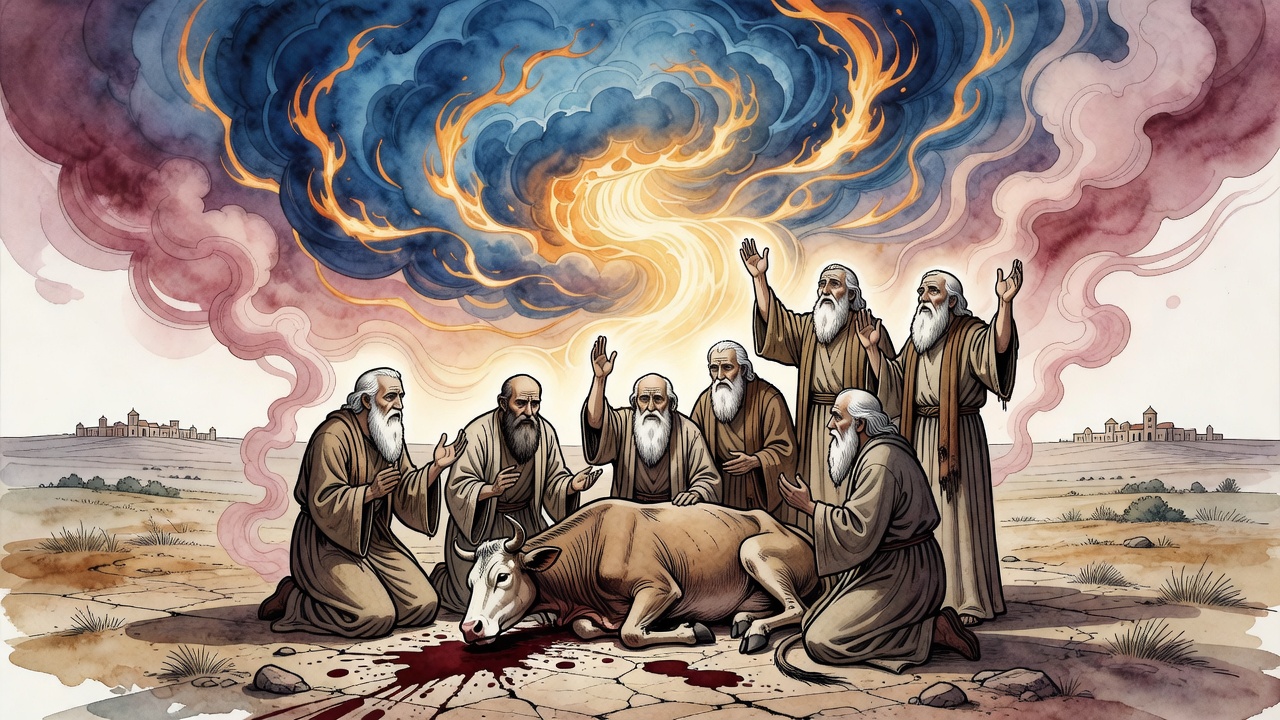
A different man, who had come maliciously upon his neighbor to kill with craft, fled to the altar and clung to its horns while priests still ministered. Smoke rose. The service went on. His fingers found the stone the way a drowning man finds a rope.
"From My altar they shall take him," the word had already gone out, "and slay him with the sword." Even now. Even here. Premeditated murder had no hiding place in the holy furniture.
Hands pulled him off the horns. The priests did not stop the offering. The crafty killer left the stone in the grip of the court. The accidental runner had a city. The planner had a sword. The altar would cover a tool that failed. It would not cover a plan that succeeded.
No Witness Stood in the Field
A third man shed blood where no eye watched. He bribed the only mouth that had started to open. He buried a body in a field no one searched. The human court closed its docket for want of witnesses.
The Lord of the world did not close His. Whoso sheddeth the blood of man, the judges, by witnesses, shall condemn him unto death. But he who sheddeth it without witnesses, the Lord of the world will bring punishment on him in the day of the great judgment, because in the image of the Lord He made man (Genesis 9:6).
The killer walked home with clean shoes. The image of God in the buried man did not expire when the trial failed. Earthly dockets close. The heavenly docket does not.
The Boiling Heart Learned the Wall
In the city of refuge the accidental killer learned the weight of a single missed wedge pin. He walked streets he had never chosen and waited for a high priest's death to open a road home, another hard clock set on grief and release. Outside, the avenger learned that boiling does not grant a license to ignore the gate. The law loved the victim enough to give his relative a role and loved the land enough to stop that role at a wall.
When the border later enlarged as sworn to the fathers, men drove stakes for three more cities, so innocent blood would not be shed because the map had grown and the roads had not. Geography itself had to keep pace with grief.
The accidental killer reached the gate with the avenger close enough to hear footfalls. Inside, he pressed his palm to stone that was not his. Outside, the boiling heart walked the boundary and learned that love of the dead has a map and a limit. The axe head in the dust still looked ordinary. The city still needed its walls.
← All myths