They Dragged Murderers Off God's Own Altar
Even a killer mid-service at the Tamid was pulled out to die, while the high priest's tunic atoned daily for innocent blood.
Table of Contents
 Click for full size
Blood on the Horns Is Not a Hideout
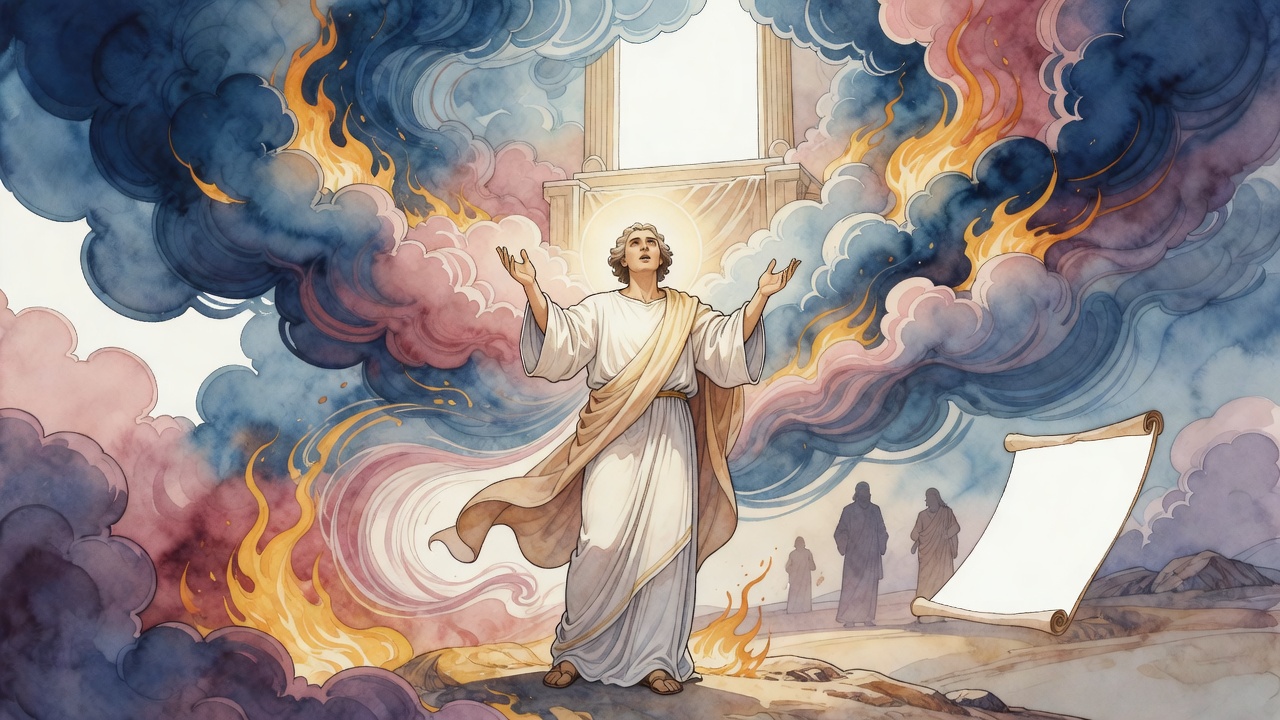
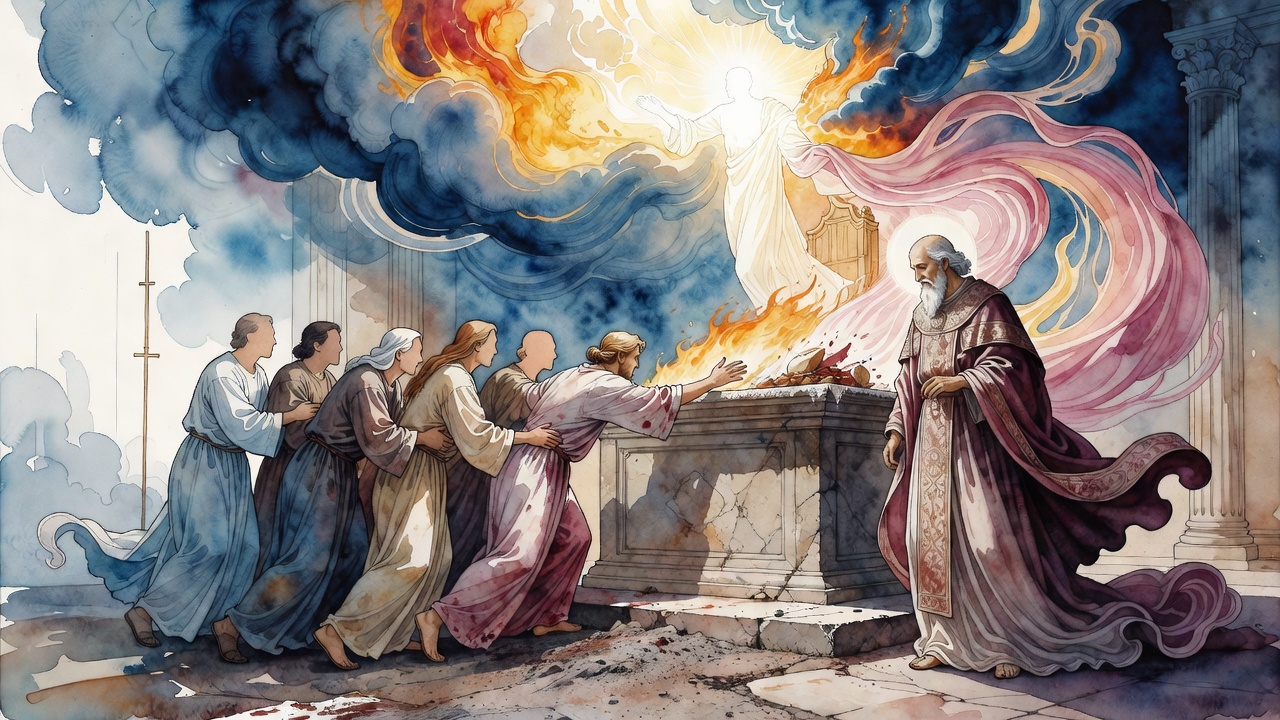
A murderer ran for the altar and thought the smoke would cover him. The Torah answered first. "From My altar you shall take him to die" (Exodus 21:14). Even if the man stood in the middle of sacred service, the service stopped. The altar was not allowed to become a hiding place. Hands took him by the garment and led him out for judgment.
Temple service overrides the Sabbath. Execution for murder overrides Temple service. The ladder of urgencies has a top rung that blood cannot climb past. Rava pinned the verse to the daily Tamid itself. "My altar" means the offering most specially God's. Even there, murder is not swallowed by holiness.
The Tunic That Answered Blood
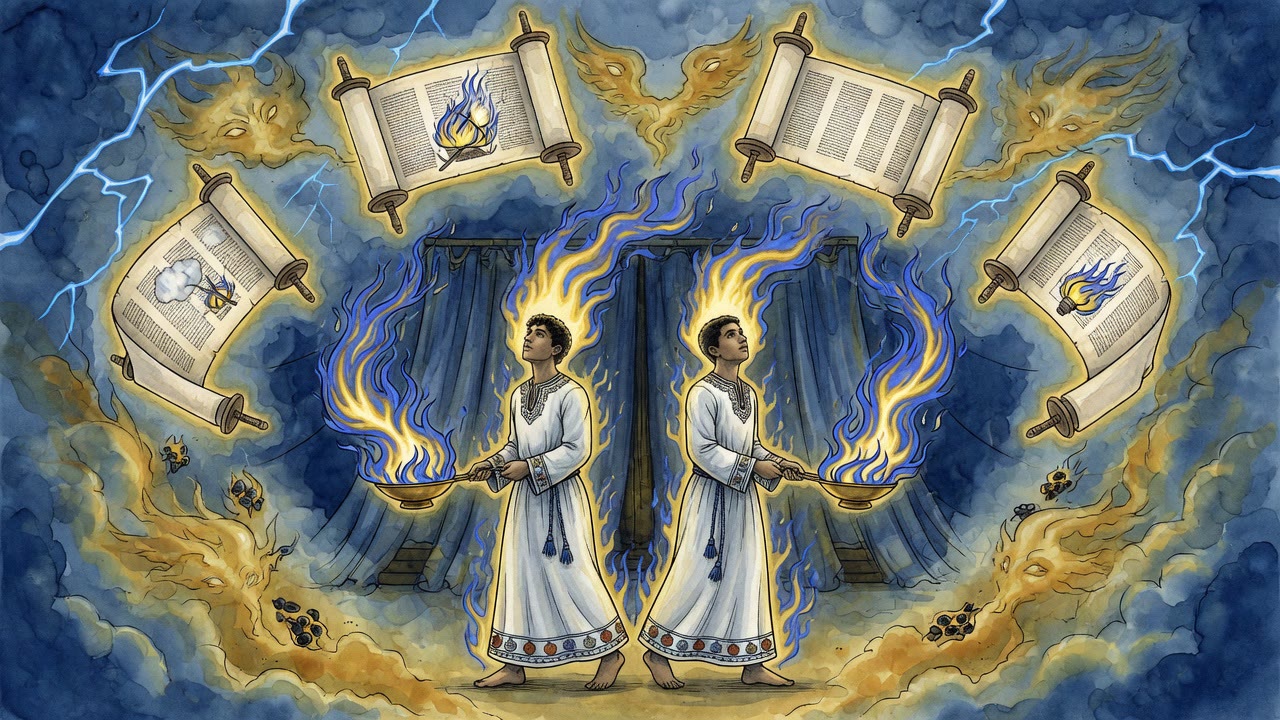
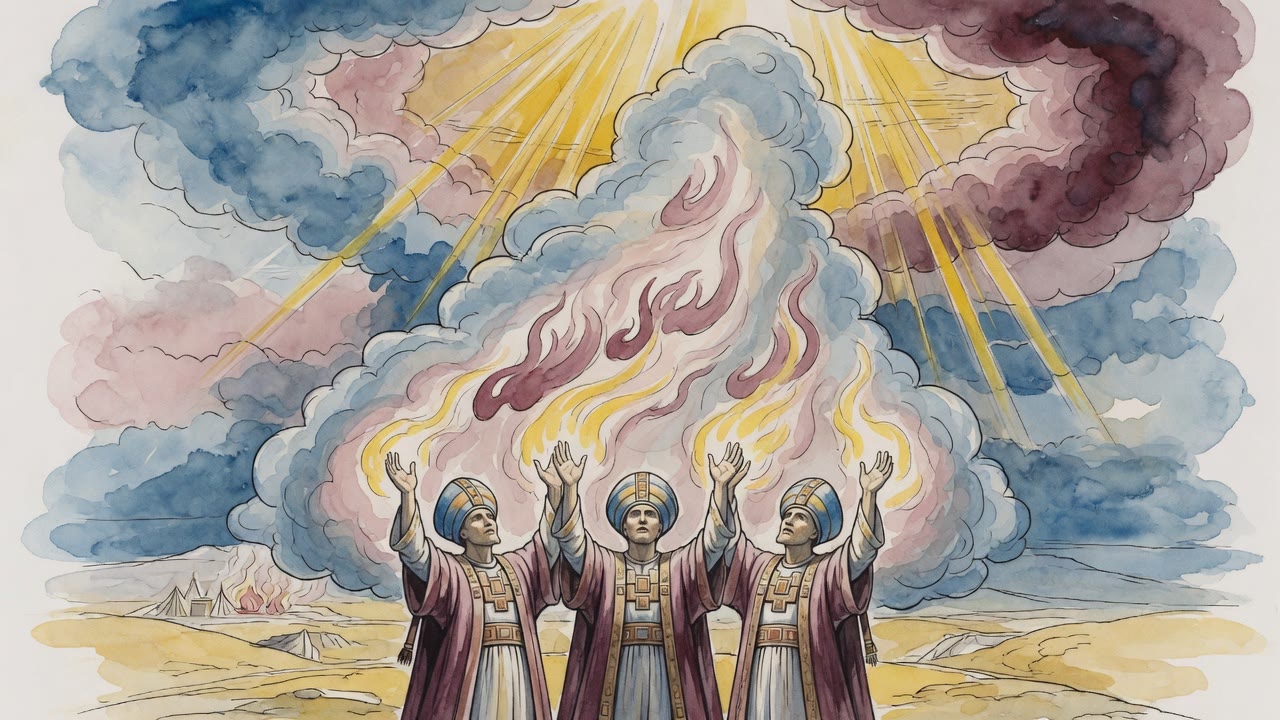
Each garment of the high priest atoned for a failure. The tunic, neck to ankle, the most visible cloth, was for the shedding of innocent blood. The tiara answered the pride of thoughts. The girdle answered crooked designs. From head to body, from arrogance to violence, the wardrobe mapped how Israel actually falls.
No private sacrifice is large enough for murder. But every morning Aaron put on the tunic, and every morning the nation's unanswered bloodshed began to find an answer simply because the cloth existed and was worn. Clothing became liturgy. The work of dressing was already a kind of repentance woven into thread.
The Bronze Pause
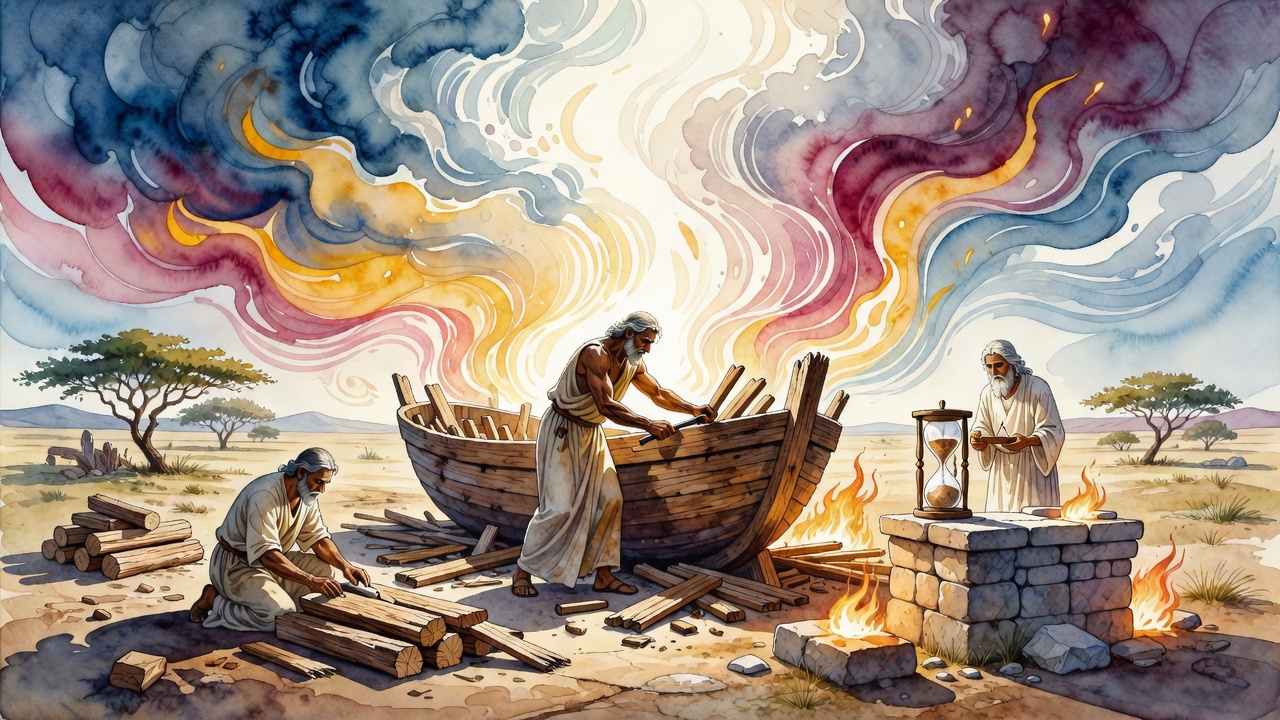
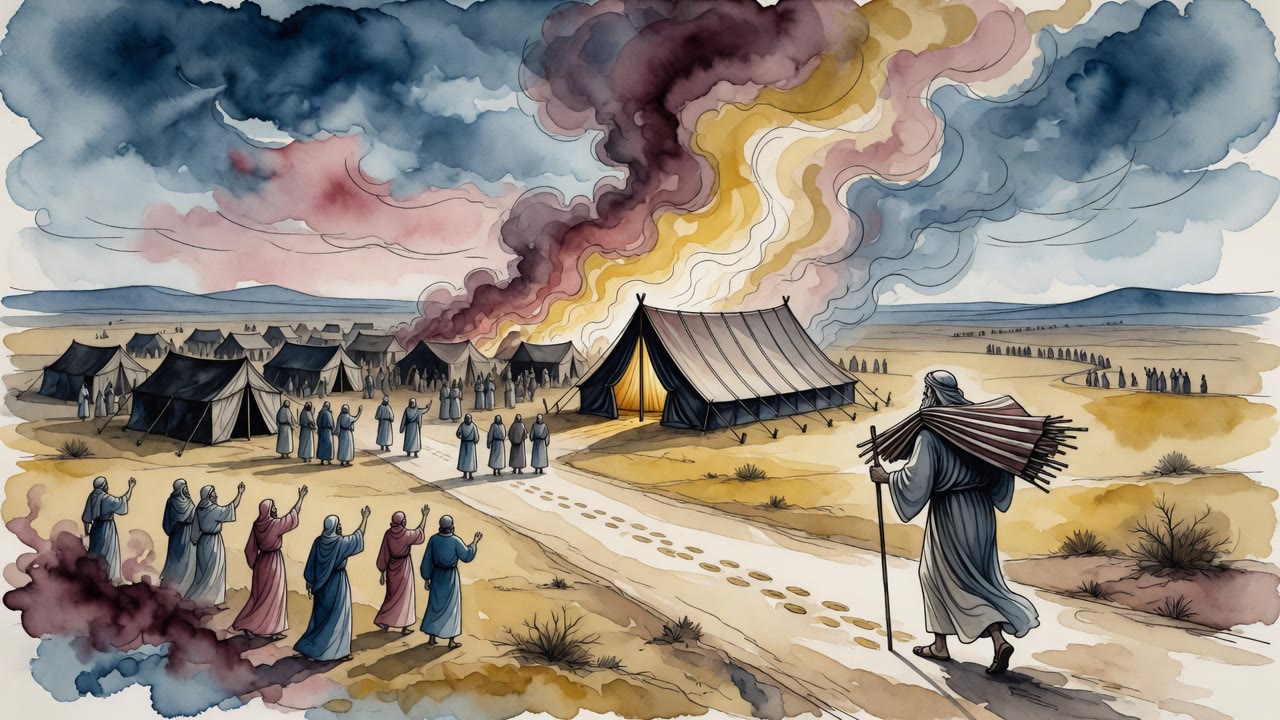
Between the altar of sacrifice and the Tent of Meeting stood a basin of bronze, not gold, not silver. The kiyor held water for purification, set exactly between the blood-work of the courtyard and the light-work of the Holy Place (Exodus 30:18). The priest had to pass it. He had to wash.
Not because the altar had dirtied him. The ashes were holy. Not because water could buy the threshold of the Tent. The washing was the pause, the moment a man stopped being one thing and became another. Hands for what he would hold. Feet for where he would stand. The whole active body dipped in the in-between.
When the Killer Reaches for the Horns
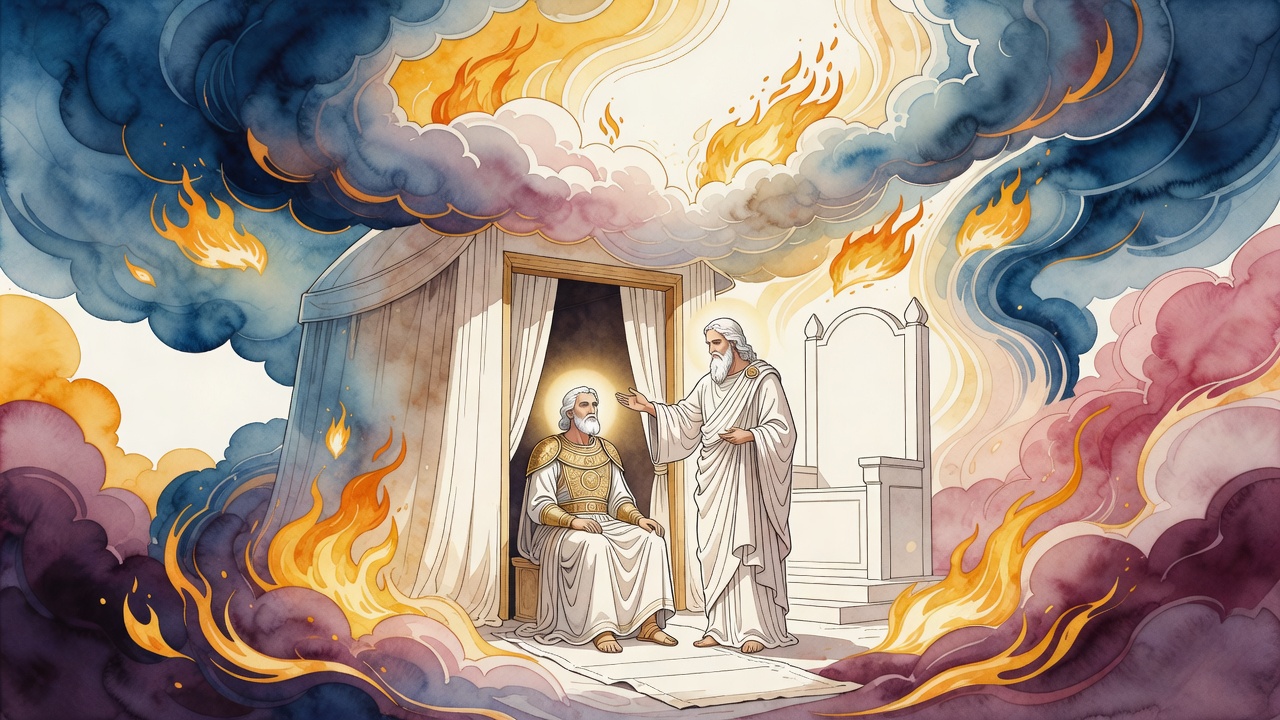
Picture the courtyard on an ordinary morning. The Tamid smoke rises. A man with blood still under his nails clutches the altar's edge and shouts the Name as if the Name were a legal loophole. The priests do not negotiate with the gesture. They remember the verse. They remember the tunic that already carries the weight of innocent blood. They take him from the place of atonement to the place of sentence.
Justice walks up to the altar and does not bow to it. Holiness that protects a killer against the dead is no longer holiness. It is theater.
Water After Blood, Cloth After Crime
The laver stands as the map of the day: struggle, pause, communion. The tunic stands as the map of the people: public cloth for public blood. The dragged man stands as the map of the law: no sacred furniture outranks a life already spilled.
A priest who washed and dressed and served still knew that if he himself shed blood, the same altar would not keep him. The courtyard taught fear and mercy in the same breath of smoke.
Service Stopped Mid-Sentence
Imagine the daily offering already on the fire, the priest's hands mid-gesture, the song of the Levites halfway through a line. A man with blood under his nails seizes the horns and screams sanctuary. The verse does not consult the schedule. Hands that were serving become hands that remove. The Tamid's smoke continues to rise while the killer is walked out, because holiness is not a costume for the guilty to wear against the dead.
The Sabbath questions follow in the study halls of later centuries, testing how far the ladder climbs. Court deaths do not override Shabbat. Saving life does. The murderer's claim is not life-saving; it is life already taken, trying to hide in the furniture of forgiveness. The sages keep the narrow edges sharp so no one confuses compassion with cover.
Aaron's tunic still hangs in the mind of the courtyard: cloth for blood the nation cannot fully answer with one animal. The bronze laver still waits between struggle and light. A priest washes and remembers that if his own hands ever shed blood, the same altar will not keep him. The Tabernacle trains fear and mercy in one complex of bronze, thread, and law. Justice that cannot enter the courtyard is not Jewish justice. Holiness that cannot eject a killer is not the holiness of the God who spoke at Sinai.
The killer's fingers left marks on the altar's edge that the next priest would scrub without sentiment. Sacred stone remembers contact, but the law remembers the dead first. No amount of incense could perfume a murder into a legal right to stay.
← All myths