The Beaten Officers Became Israel's Elders
In Egypt the Israelite officers took the whip so the people would not. In the wilderness God told Moses to gather those same men as seventy elders.
Table of Contents
 Click for full size
Soft Mouth, Then the Whip
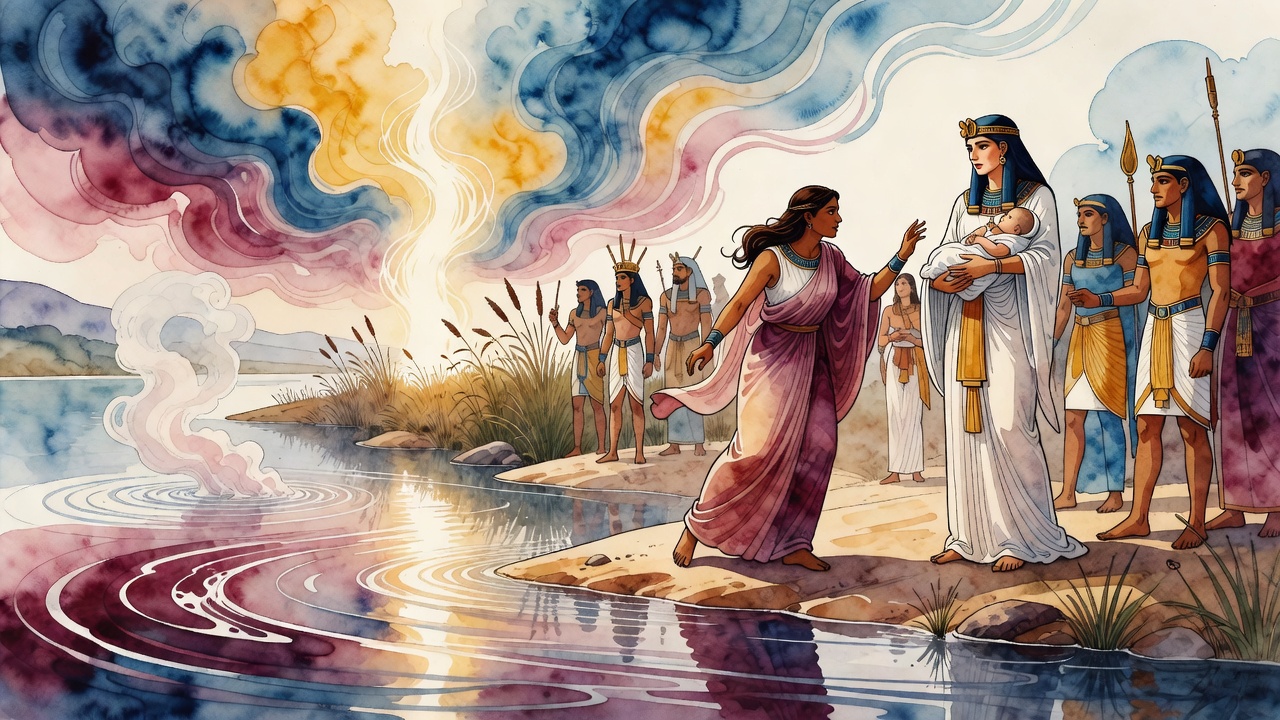
When Pharaoh schemed, "Come, let us deal shrewdly," he did not start with lashes. He gathered all Israel and said sweetly, "Do me a favor today, work with me." He himself took up a basket and a trowel and went down to the bricks. The people, strong and eager, rushed to labor beside their king all day. Scripture calls it labor be-farekh, with rigor, but the Sages hear be-feh rakh, with a soft mouth.
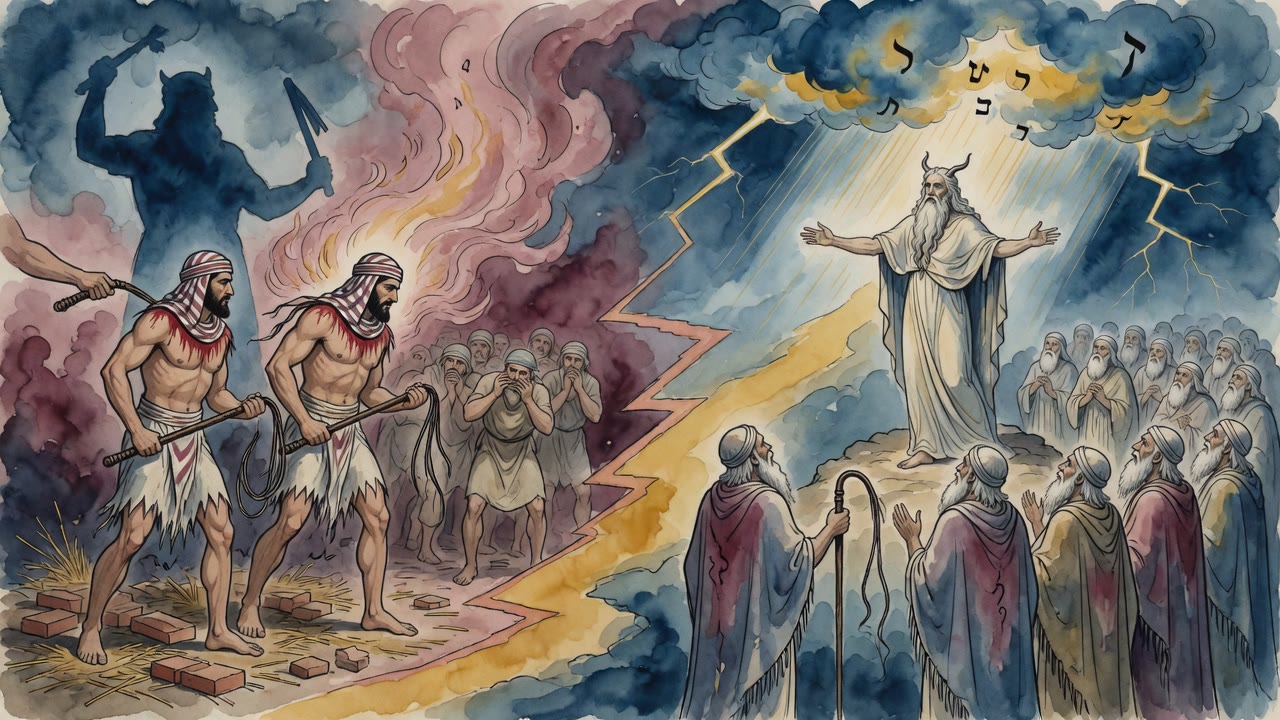
When darkness fell, the mask dropped. Pharaoh set taskmasters over Israel's own officers, demanding a fixed count of bricks each day. When straw was withheld and the count fell short, the Egyptians beat those officers. The officers would not pass the blow down to the people. "Better that we be flogged," they said, "than that the rest of Israel stumble." Backs opened. They kept the whip from their brothers.
Gather Me Seventy
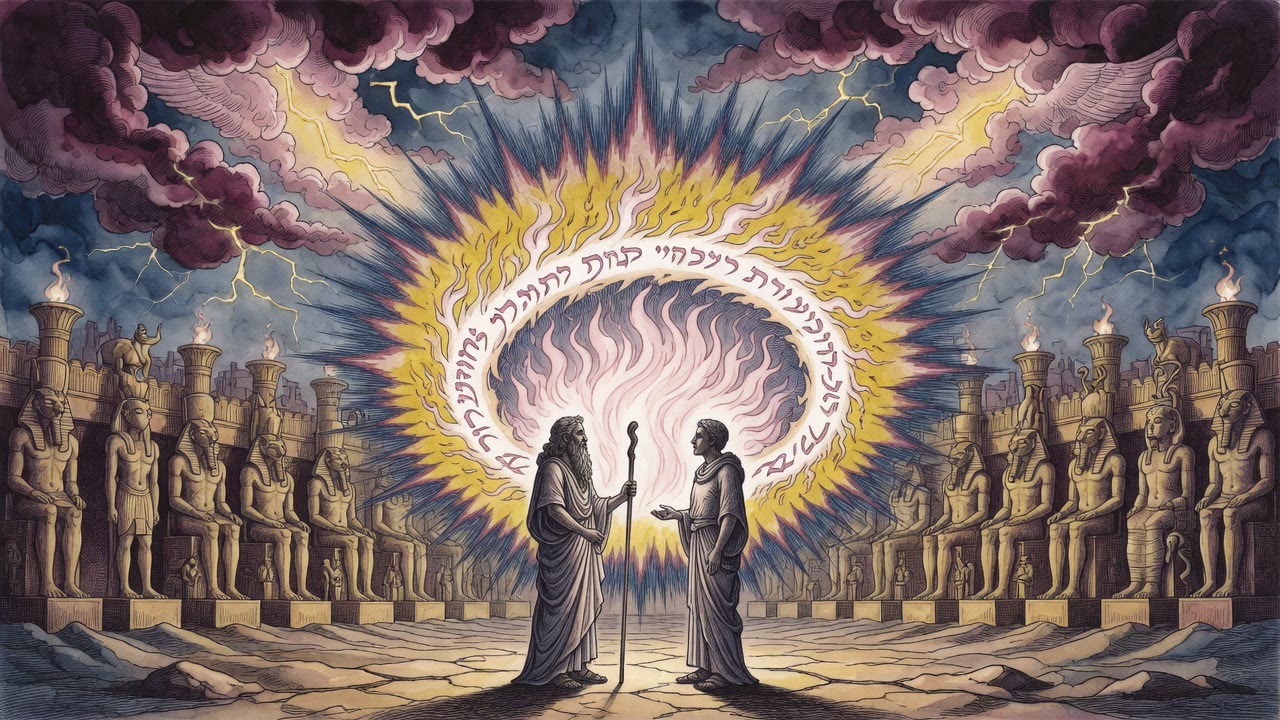
In the wilderness the burden of the people grew too heavy, and Moses cried that he could not bear it alone. The Holy One said, "Gather Me seventy of the elders of Israel." Why "gather Me" now, when Israel had elders already in Egypt? The word teaches who earned the crown. When Moses pleaded he did not know who was worthy, God answered: "Whom you know to be the elders and officers." These were the very men beaten in Egypt for their brothers. Let them come and receive this greatness. Whoever offers himself for the sake of Israel merits honor.
God taught Moses with a parable of an orchard and a single watchman paid in full. When the watchman asked for helpers, the king brought them, but their wages would be drawn from the wage already given. "I will take away some of the spirit that is upon you." The seventy would prophesy from Moses' overflow. Moses lacked nothing. The spirit shared was still his gift, not a thinning that left him empty.
Slips in an Urn, Two Who Stayed Outside
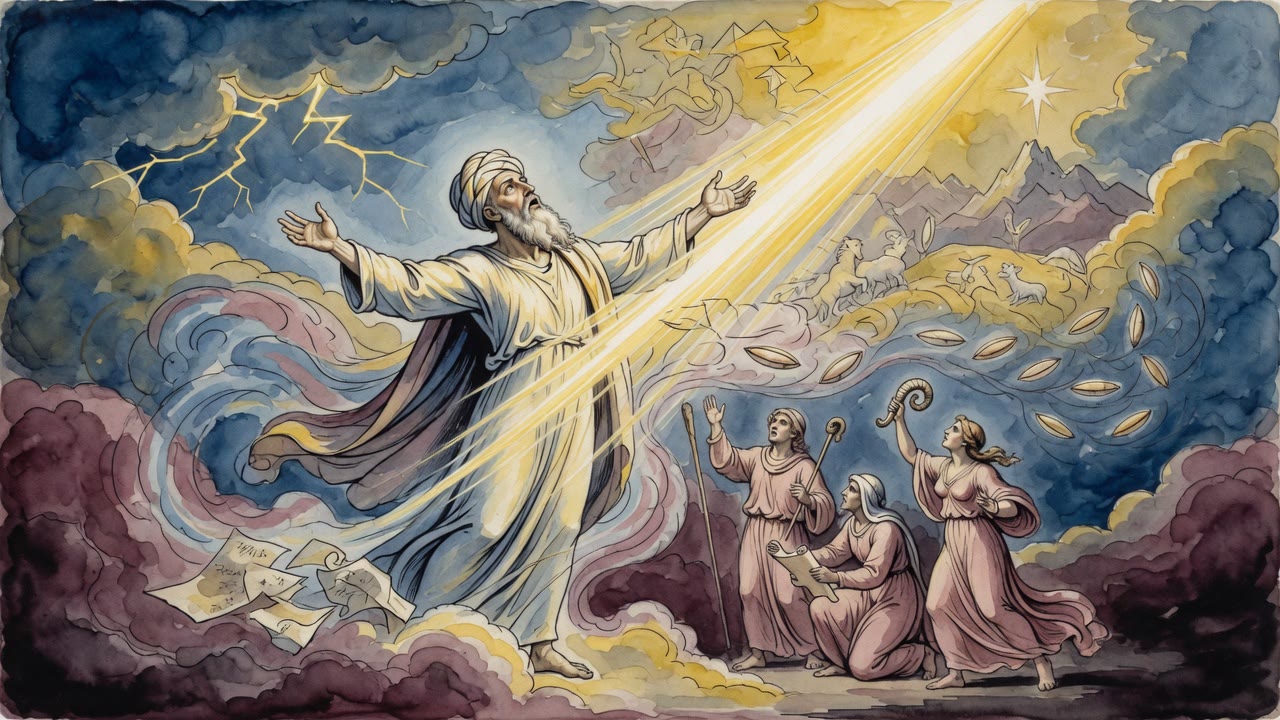
Twelve tribes will not divide cleanly into seventy. Five apiece yields sixty; six apiece yields seventy-two. Taking five from one tribe and six from another would sow jealousy, and Moses would not do it. He wrote "Elder" on slips, mixed them with blanks, and set them in an urn. "Come and draw." Whoever drew "Elder" knew he was chosen; whoever drew blank knew he was not.
Eldad and Medad remained in the camp. Some say they feared they were unworthy and did not come to the tent. The spirit rested on them anyway, and they prophesied outside. A lad ran to Moses. Joshua said, "My lord Moses, shut them in." Moses answered with a wish larger than jealousy: would that all the LORD's people were prophets. The men who had once taken beatings so others would not stumble now shared a spirit that would not stay locked in one tent.
Honor With Old Scars
The seventy stood around the tent with backs that still remembered Egypt. Authority in Israel was not invented as a clean robe for men who had never been hit. It was laid on officers who had already chosen whose pain they would absorb. Eldad and Medad proved the spirit could fall even on those who shrank from the urn.
Moses, who had wanted to quit the orchard alone, watched helpers rise from the wage of his own spirit and did not resent the math. Pharaoh's soft mouth had once tricked a people into bricks. God's gathering now turned the beaten into judges of a free camp. Night came. Somewhere an old scar under a new mantle itched when the wind turned. Somewhere a man who had drawn a blank slept without bitterness because two who stayed outside had still been found.
The camp learned a definition of elder that no genealogy alone can give: the one who took the whip, the one who drew the slip, the one who prophesied without a seat, all bound to a Moses who would rather the whole people speak than that prophecy stay rare.
One of those officers, years later under a wilderness sky, still flinched when a strap snapped on a pack animal. The body remembers Egypt after the mouth has learned freedom songs. When Moses called the names of those who would stand as seventy, that man felt the old welts under his shirt and understood the promotion as a continuation, not a clean start. He had already led by taking blows. Now he would lead by sharing spirit and judgment.
The urn of slips kept tribal jealousy from becoming a second Egypt of unfair counts. Moses' refusal to favor one tribe with six and another with five was the same instinct as the officers' refusal to pass the whip downward: do not build order on someone else's unnecessary pain. Eldad and Medad, prophesying outside, stretched the point further. Even those who decline the tent may be seized by the spirit. Joshua's instinct to shut them in was loyalty. Moses' wish that all would prophesy was larger than loyalty. It was the opposite of Pharaoh's soft-mouth monopoly on power.
When the spirit rested on the seventy, the camp felt a shift as real as manna. Burden shared is still burden, but it is no longer a single chest cracking. Moses remained Moses. The watchman's wage could fund helpers without bankrupting the original hire. In the evenings the new elders sat near the tent and heard cases, and sometimes a man with brick-dust still imagined in his scars judged a dispute about flocks with a patience he had learned under a taskmaster's eye. Israel had elders because some backs had already been offered. That is the midrash's definition of readiness for glory.
← All myths