Parshat Vayetzei6 min read

The Boy Sent to Kill Jacob and the Dead Man Who Saved Him

Robbed of everything by his nephew on the road to Haran, Jacob finds a dead man, a waiting horse, and a promise that never sleeps.

Curated by Arthur · Told by Maggid ·
Table of Contents
  1. The Boy with the Drawn Sword
  2. What a Boy Would Not Do
  3. Stripped Bare on the Road North
  4. The Dead Man's Clothes and the Waiting Horse
  5. The Keeper Who Never Sleeps

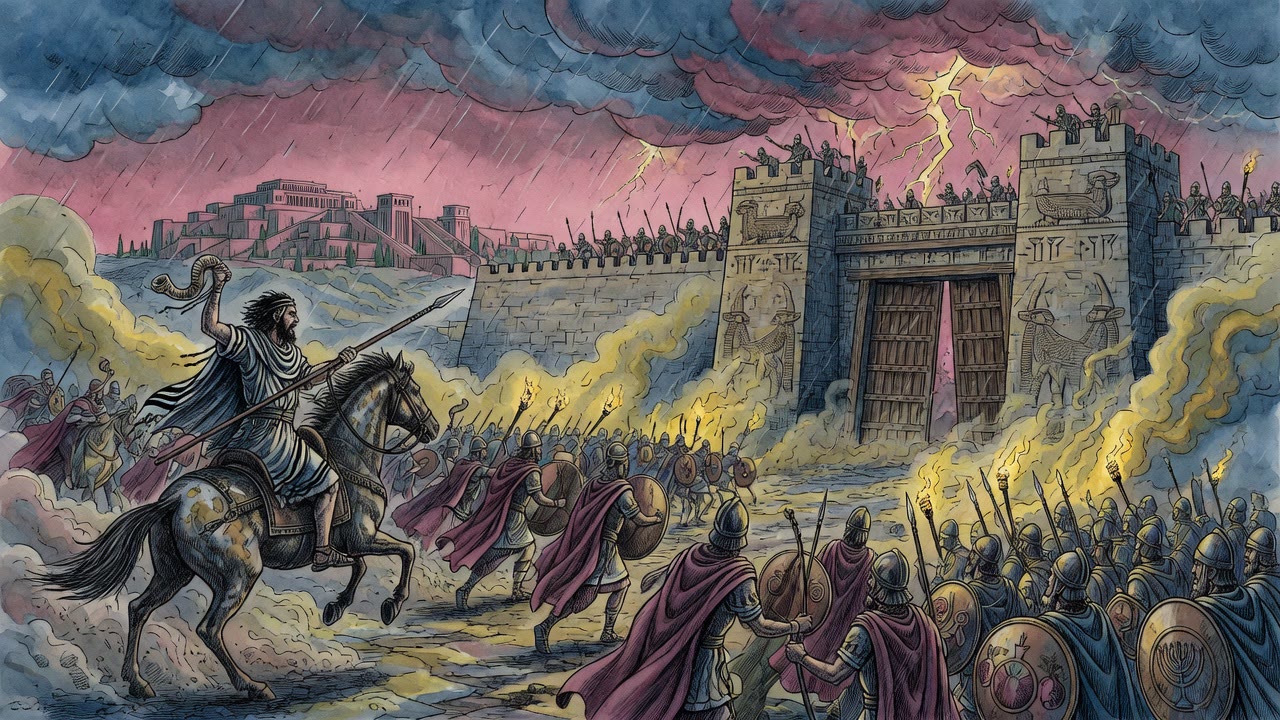
Jacob heard the hoofbeats before he saw the riders. He had been walking north since Beersheba, alone, the dust of Hebron still on his sandals, his mind on his mother's last words at the gate. Now eleven men came up the road from Shechem with their swords already drawn, and at their head rode a boy.
The Boy with the Drawn Sword

The boy was thirteen years old and his name was Eliphaz, firstborn of Esau, dexterous and expert with the bow. His father had called him in secret and put a single command in his hand. "Take thy sword, pursue Jacob, and slay him," Esau had said, "and take everything that is his." So Eliphaz had gathered ten of his mother's brothers and ridden out to catch his uncle before he could vanish into the country of Laban.

Jacob stopped in the road. He looked at the swords, at the boy who carried his brother's hatred in a face still smooth with youth, and he did not understand. "Wherefore have you come hither," he asked, "and why do you pursue with your swords?"

Eliphaz did not flinch. "Thus did my father command me," he said, "and now therefore I will not deviate from the orders which my father gave me."

What a Boy Would Not Do

Jacob understood then. Esau wanted him dead on the road, far from Isaac's tent, where no one would ask questions. He did not draw a weapon. He had told his mother, when she begged him to flee, that he was not afraid, that if Esau wished to kill him he would kill Esau first. But this was a child holding the sword, and a child could be reached.

He offered everything. The silver his parents had pressed on him, the gold, the gifts of his father's house, all of it. "Take unto thee and go from me, and do not slay me," he pleaded, "and may this thing that thou wilt do with me be accounted unto thee as righteousness."

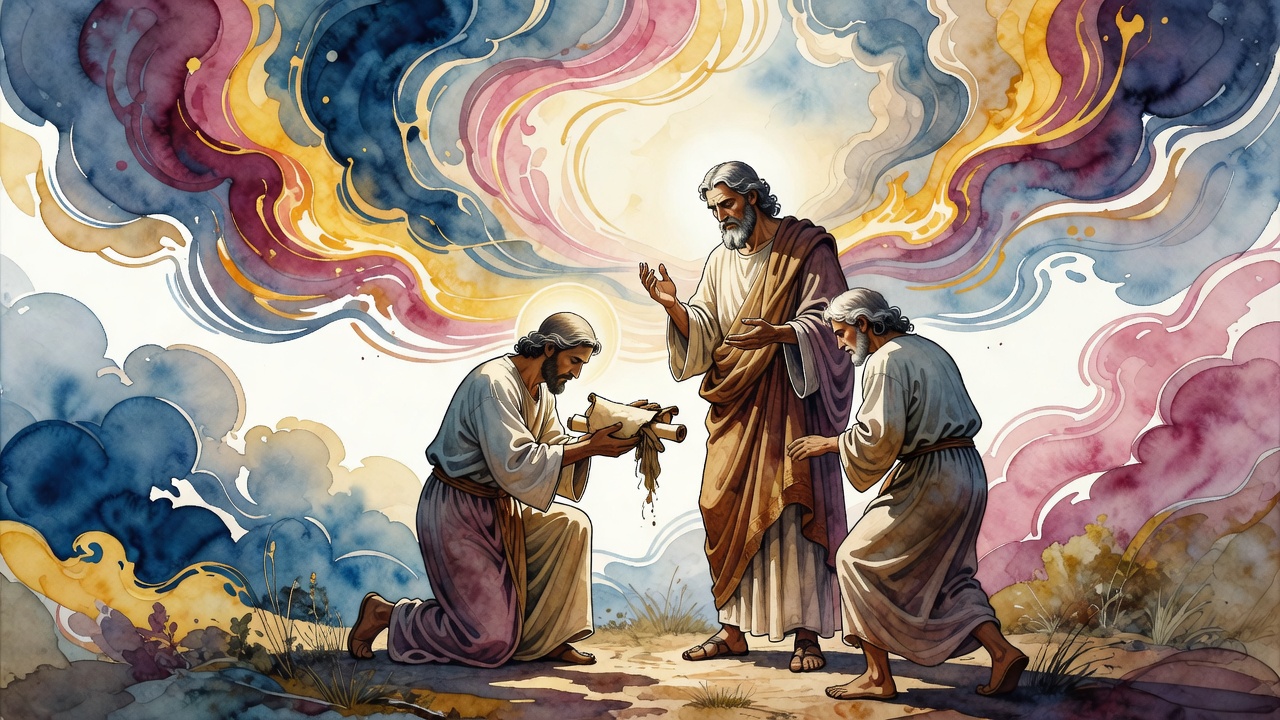
And the Lord caused Jacob to find favor in the sight of Eliphaz and his men. The boy lowered his sword. He had been sent to spill blood and could not. So instead his uncles stripped Jacob of everything he carried, the silver and the gold and the goods, and they rode back toward Seir with their saddlebags heavy. They left him standing in the road with nothing.

Stripped Bare on the Road North

Jacob watched the dust settle behind them. A moment before he had been a rich man's son carrying his inheritance to a foreign land. Now he owned the clothes on his back and the staff in his hand, and Haran was still a long way off. Behind him, somewhere south, Esau would learn that his son had failed and would take the stolen treasure into his own house and still want Jacob dead.

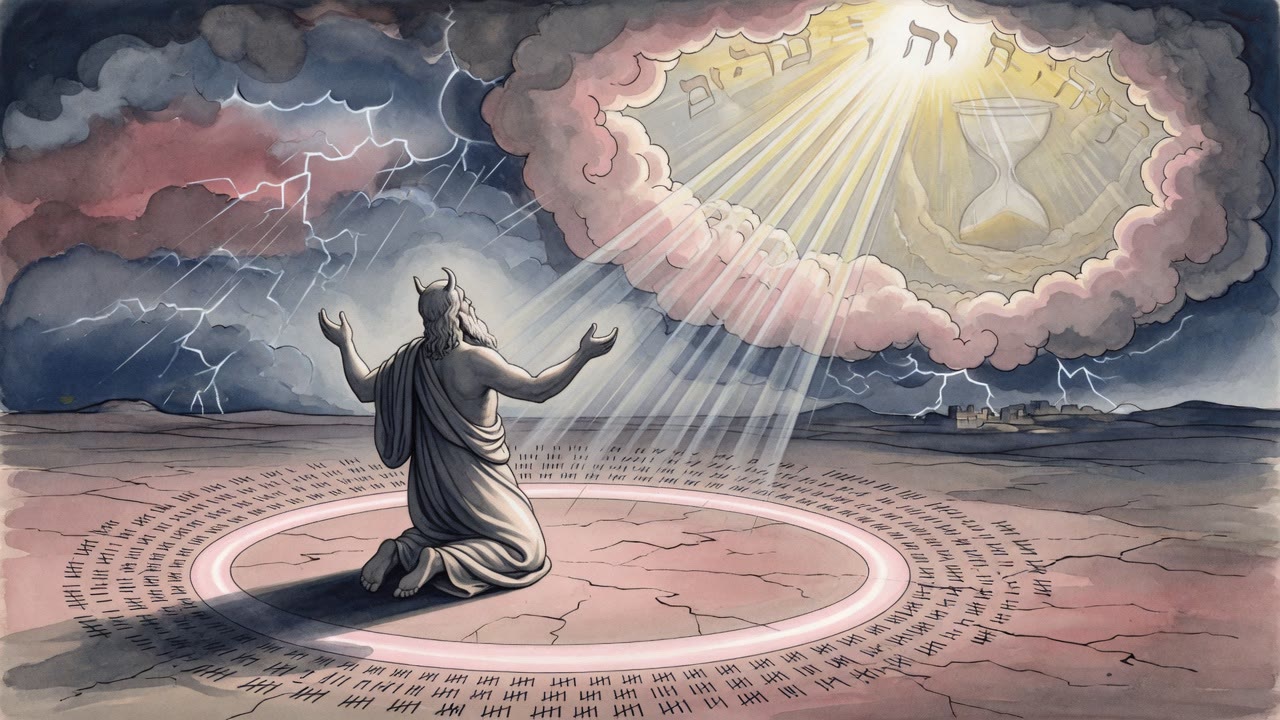
Jacob did not sit down in the dust and weep. He spoke into the empty road, as if answering an argument no one else could hear. "Should I lose hope in my Creator?" He set his eyes on the merits of his fathers, on Abraham and Isaac, and he trusted that for their sake the road would not swallow him. "I set my eyes upon the merits of my fathers," he said. "For the sake of them the Lord will give me His aid."

The Dead Man's Clothes and the Waiting Horse

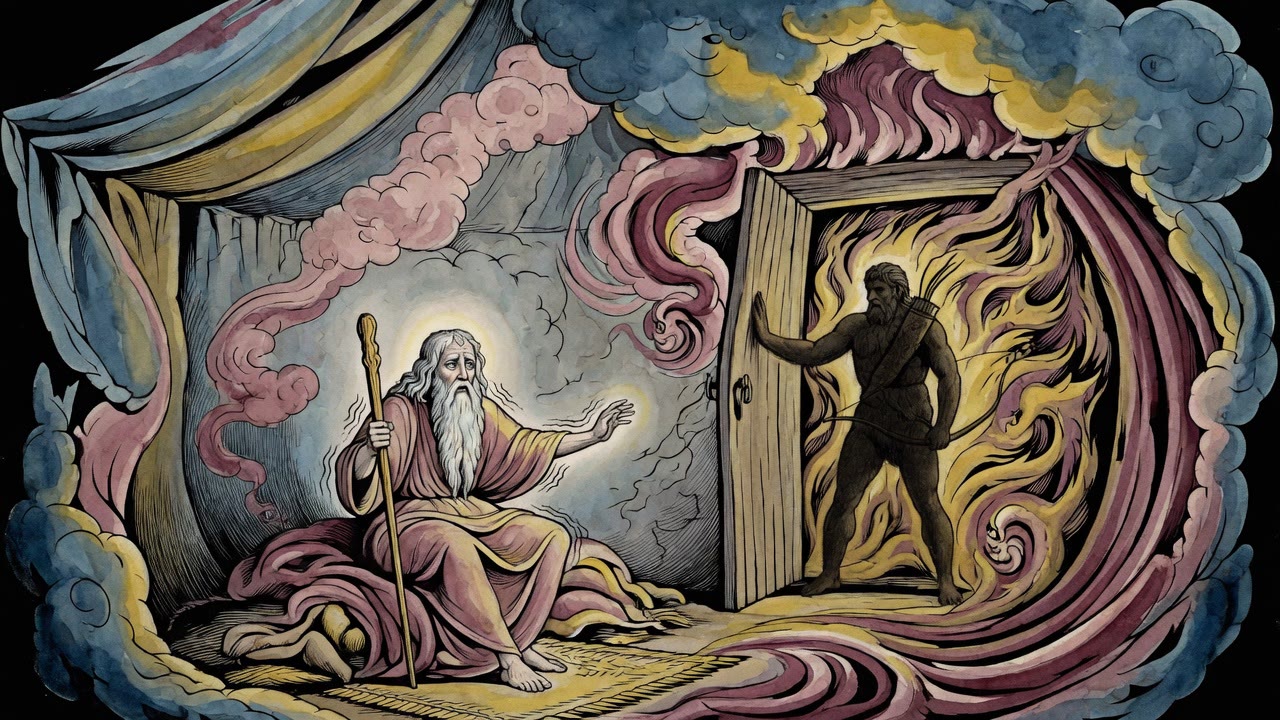
He walked on, and what he came upon next was so strange he could almost not believe it. A man lay dead beside the road, and near the body stood a horse, saddled and waiting, with the dead man's garments still folded and whole. There was no one to claim them and no one to forbid him. Jacob took the clothes and put them on. He mounted the horse. The thing that looked like a stranger's bad luck was the only reason he would not arrive before Laban naked and shamed, a beggar asking for a daughter's hand.

And as he rode, the answer came that he had been waiting for. "Jacob, thou puttest thy trust in the merits of thy fathers," God said, "therefore I will not suffer thy foot to be moved. He that keepeth thee will not slumber."

The Keeper Who Never Sleeps

The promise did not stop there. A human watchman guards by day and sleeps at night, but the voice on the road claimed both halves of the dark. "While a keeper watcheth only by day as a rule, and sleepeth by night, I will guard thee day and night, for, behold, He that keepeth Israel shall neither slumber nor sleep."

Every danger was named and answered. "The Lord will keep thee from all evil, from Esau as well as Laban. He will keep thy soul, that the Angel of Death do thee no hurt. He will keep thy going out and thy coming in, He will support thee now thou art leaving Canaan, and when thou returnest to Canaan."

So Jacob rode north on a dead man's horse, dressed in a dead man's clothes, robbed of everything his parents had given him and armed instead with a promise that covered the whole length of his exile, from the day he left the land to the day he would come back to it. The boy with the sword had taken his gold. The road had given him a horse. And the keeper of Israel rode the distance with him, awake.


← All myths
From the tradition

Sources

3 sources

The texts this telling draws on, in full. Open a card to read inline, or expand it for a wider, quieter read.

Legends of the Jews 6:94Legends of the Jews

Legends of the Jews turns to Jacob and the Angels of Eliphaz.

Jacob, penniless and vulnerable after Eliphaz's robbery, stumbles upon this scene. It's a strange, almost unbelievable coincidence. He takes the dead man's clothes, mounts the horse, and continues his journey. According to Legends of the Jews, as retold by Louis Ginzberg, this seemingly random tragedy served a specific purpose: to save Jacob from the humiliation of appearing naked before others.

Even after such a devastating loss, losing everything he owned, Jacob doesn't despair. He declares, "Should I lose hope in my Creator?" Instead, he places his faith in the merits of his ancestors, trusting that their righteousness will pave the way for divine assistance.

It's a powerful statement of faith. He says, "I set my eyes upon the merits of my fathers. For the sake of them the Lord will give me His aid."

And God responds. the verse says God says, "Jacob, thou puttest thy trust in the merits of thy fathers, therefore I will not suffer thy foot to be moved; He that keepeth thee will not slumber."

The promise goes even further. God pledges unwavering protection, night and day. "While a keeper watcheth only by day as a rule, and sleepeth by night, I will guard thee day and night, for, behold, He that keepeth Israel shall neither slumber nor sleep." It's a beautiful image of divine vigilance, a constant, unwavering presence. We see this reflected in Psalms 121, which echoes this idea of God as the ultimate guardian who neither slumbers nor sleeps.

The divine reassurance continues, offering protection from all evil: "The Lord will keep thee from all evil, from Esau as well as Laban; He will keep thy soul, that the Angel of Death do thee no hurt; He will keep thy going out and thy coming in, He will support thee now thou art leaving Canaan, and when thou returnest to Canaan."

This blessing encompasses Jacob's entire journey, from his departure from Canaan to his eventual return. It’s a promise of safety, both physical and spiritual.

It makes you wonder, doesn't it? How often do we, like Jacob, face moments of utter vulnerability, feeling stripped bare by life's challenges? And how often do we remember to place our trust, not just in our own strength, but in something greater? Maybe, just maybe, even in the darkest of times, there's a divine hand at work, arranging events in ways we can't yet comprehend.

Full source
Legends of the Jews, VI. Jacob, Jacob Pursued By Eliphaz And EsauLegends of the Jews

Compiled by Rabbi Louis Ginzberg, it was a near-death experience involving Esau's son, Eliphaz.

Fueled by rage and a thirst for revenge, Esau doesn't waste any time. He calls for his son Eliphaz, who Ginzberg describes as "dexterous and expert with the bow," and gives him a chilling order: hunt down Jacob, kill him, and take everything he owns. A pretty direct command. Eliphaz, only thirteen years old at the time, gathers ten of his mother's brothers and sets off in pursuit. He finds Jacob near Shechem, ready to fulfill his father's command.

The scene: Jacob, alone on the road, sees Eliphaz and his men approaching, swords drawn. He's confused, unsure of their intentions. "Wherefore have you come hither, and why do you pursue with your swords?" he asks, according to Ginzberg's retelling.

Eliphaz delivers the grim news: "Thus did my father command me, and now therefore I will not deviate from the orders which my father gave me."

Desperate, Jacob pleads for his life, offering everything he has – all the possessions given to him by his parents. He begs them to spare him, promising that this act of mercy will be considered righteousness on their part.

And here, something interesting happens. "The Lord caused Jacob to find favor in the sight of Eliphaz and his men," Ginzberg writes. They listen to Jacob, but they don't let him go scot-free. They take everything – his possessions, his silver, his gold, leaving him with nothing.

When Eliphaz returns to Esau, empty-handed in terms of blood spilled, Esau is furious. Why didn't they kill him?! Eliphaz explains that Jacob's pleas moved them to pity, so they only took his belongings. Esau, ever the opportunist, takes the stolen goods and adds them to his own treasury, but still, he's not satisfied. He really wants Jacob dead.

Esau continues his pursuit, setting up an ambush on the road to Haran. But Jacob, sensing the danger, miraculously parts the waters of the Jordan River with his staff, escaping to the other side.

But Esau doesn't give up. He anticipates Jacob's path, lying in wait near the hot springs of Baarus. Jacob, unaware of the trap, decides to bathe in the springs, seeking warmth and respite. Esau blocks every exit, ready to trap him in the scalding water.

But again, a miracle occurs! As Ginzberg tells it, a new opening appears in the spring, allowing Jacob to escape certain death. This escape, Ginzberg notes, fulfills the words, "When thou passest through the waters, I will be with thee; when thou walkest through the fire, thou shalt not be burnt," a passage we find in (Isaiah 43:2).

And just when you think the story couldn’t get any stranger, Ginzberg adds a final twist: a rider, cooling off in the river, drowns. Jacob takes the dead man's clothes and horse, a lucky break that allows him to continue his journey without shame after being stripped of everything by Eliphaz.

Despite being robbed and nearly killed, Jacob doesn't lose hope. He trusts in the merits of his ancestors, believing that God will aid him. And God, responds, promising to protect him from all evil, day and night. "He that keepeth Israel shall neither slumber nor sleep," God says, echoing the words of Psalm 121.

Before leaving the Holy Land, though, Jacob seeks divine guidance at Beer-sheba. He wants to ensure he's acting according to God's will, referencing the precedent of Isaac receiving permission to leave Canaan in the past (Genesis 26). He avoids the Philistines, fearing a covenant that could bind his descendants. He also avoids fighting Esau, understanding the wisdom of avoiding unnecessary danger, a lesson learned from his ancestors.

What does this story tell us? It’s a reminder that even when we face immense challenges and feel utterly alone, faith and the merits of our ancestors can provide strength and protection. Jacob's journey to Haran wasn't just a physical one, but a spiritual long road marked by divine intervention and unwavering trust. It makes you wonder about the unseen forces at play in our own lives, doesn't it?

Full source
Legends of the Jews 6:91Legends of the Jews

A monumental compilation of Jewish folklore by Rabbi Louis Ginzberg, Rebekah, overcome with distress, began to weep as soon as Jacob departed. Isaac, ever the comforter, reassured her. "Weep not for Jacob!" he declared. "In peace doth he depart, and in peace will he return." He had faith that God would protect Jacob, guiding him and ensuring his safety because Jacob walked the "right path."

Esau, consumed by rage and resentment, had other plans. He summoned his son, Eliphaz, for a clandestine meeting. "Take thy sword," he commanded, "pursue Jacob, and slay him!" Esau also instructed Eliphaz to seize all of Jacob's possessions. Eliphaz, only thirteen but already "dexterous and expert with the bow," as the text says, gathered ten of his maternal uncles and set off in pursuit.

The scene: Jacob, journeying towards Haran, unaware of the danger closing in. Eliphaz and his men, lying in ambush near Shechem. When Jacob saw them approaching with drawn swords, he stopped, confused. "Wherefore have you come hither?" he asked, "and why do you pursue with your swords?"

Eliphaz, unflinching, relayed his father's command. But then, something remarkable happened.

Jacob, facing imminent death, pleaded for his life. He offered Eliphaz everything he owned, including the gifts from his parents. "Take unto thee and go from me, and do not slay me," he begged, "and may this thing that thou wilt do with me be accounted unto thee as righteousness."

And here's where the story takes an unexpected turn. According to Legends of the Jews, "The Lord caused Jacob to find favor in the sight of Eliphaz and his men." Moved by Jacob's supplication, they spared his life, taking all his belongings instead. They left him with absolutely nothing.

Can you picture Jacob, stripped bare, continuing his journey? It's a stark image.

When Eliphaz returned to Esau and confessed to his disobedience, Esau was furious. Why hadn't they killed Jacob? Eliphaz explained that Jacob's plea had moved them to pity. Esau, though displeased, seized the stolen silver and gold, stashing it away in his house.

So, what are we to make of this dramatic encounter? It's a story of sibling rivalry, revenge, and ultimately, the power of supplication. It highlights the complexities of family relationships and the potential for both cruelty and compassion. And, perhaps most importantly, it reminds us that even in the face of seemingly insurmountable odds, divine intervention. Or a change of heart in others, can alter the course of destiny.

Full source