Parshat Shemini5 min read

The House That Would Not Taste Wine and the Serpent in the Cup

Jonadab ben Rechab bound his whole line with one oath against wine, and their dry tents outshone Israel while the cup bit like a serpent.

Curated by Arthur · Told by Maggid ·
Table of Contents
  1. The Oath Carried From Tent to Tent
  2. The Cup Set Before Them in the House of God
  3. The Verdict Spoken Over Two Houses
  4. The Serpent Coiled in the Cup
  5. The Third of the World the Cup Brought Down
  6. The Vineyards Kept for the Age to Come

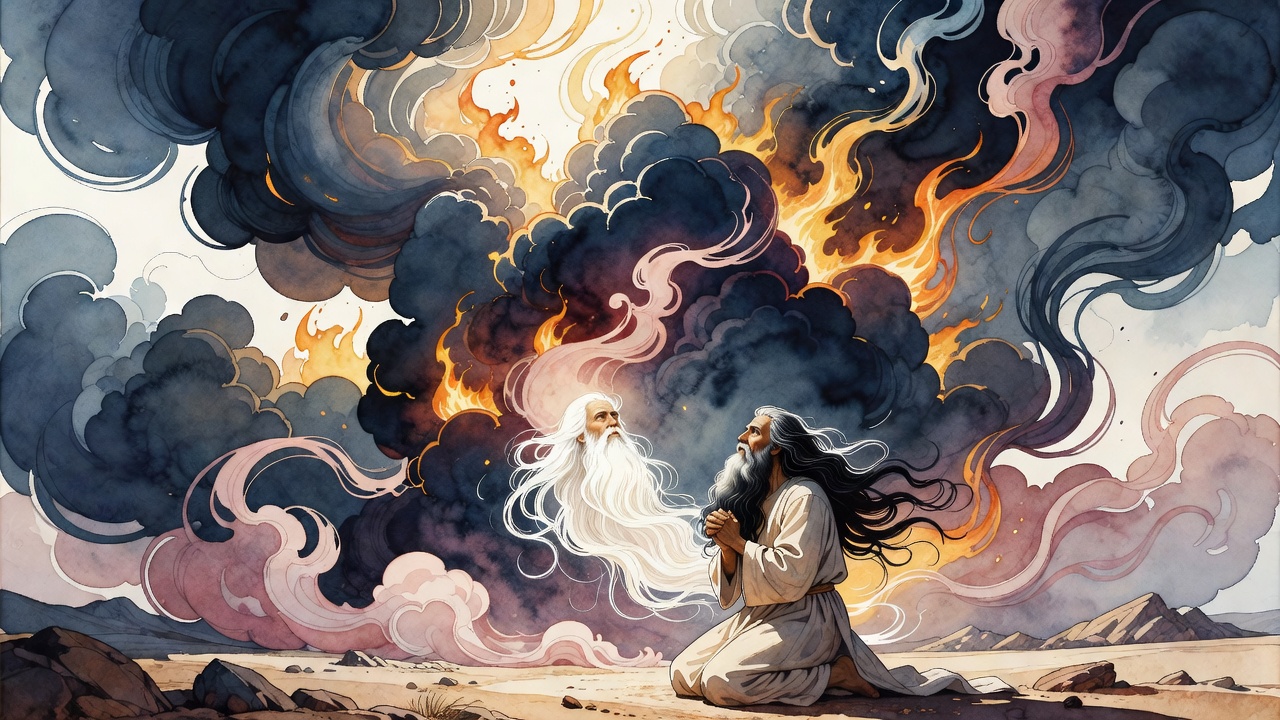
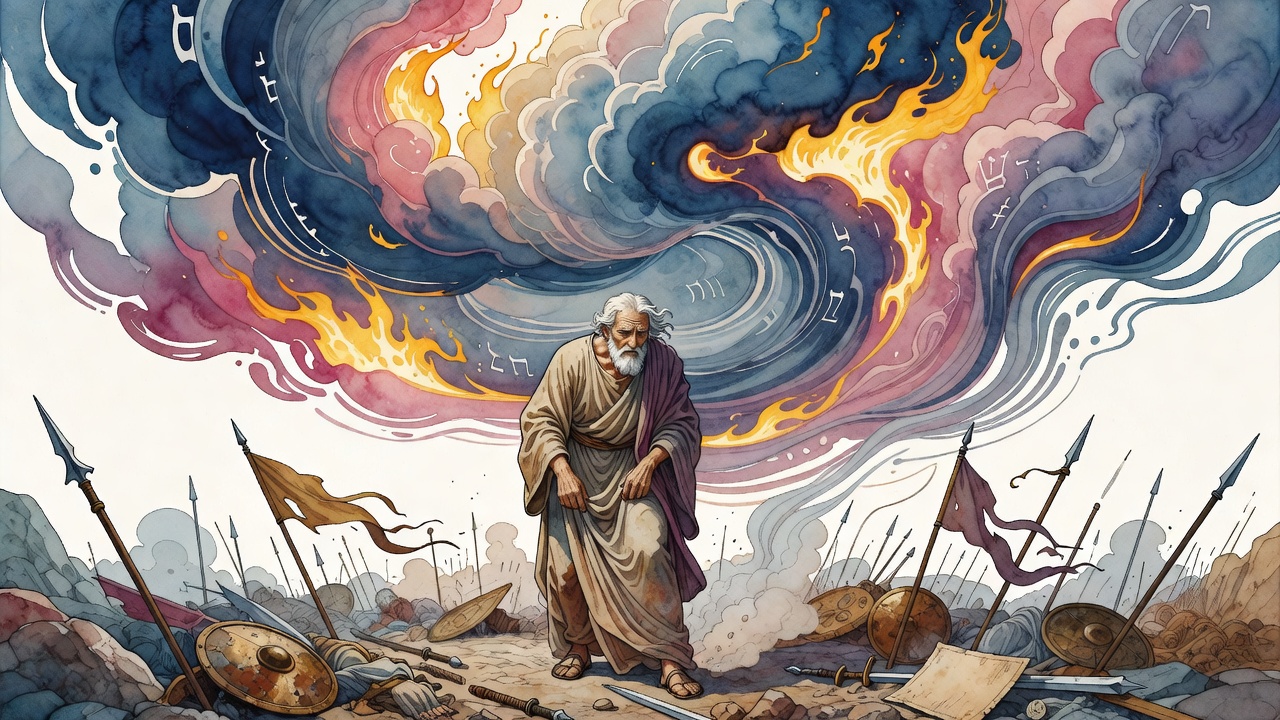
Jonadab ben Rechab stood at the edge of the crowd while the prophet's voice cracked over the rooftops of Jerusalem. The Temple would fall. The houses would burn. The vineyards would be trampled back into the mud they grew from. Jeremiah said it plainly, and the people around Jonadab laughed or turned their backs, and Jonadab walked home with the words still burning in him.
The House That Would Not Taste Wine and the Serpent in the Cup Click for full size

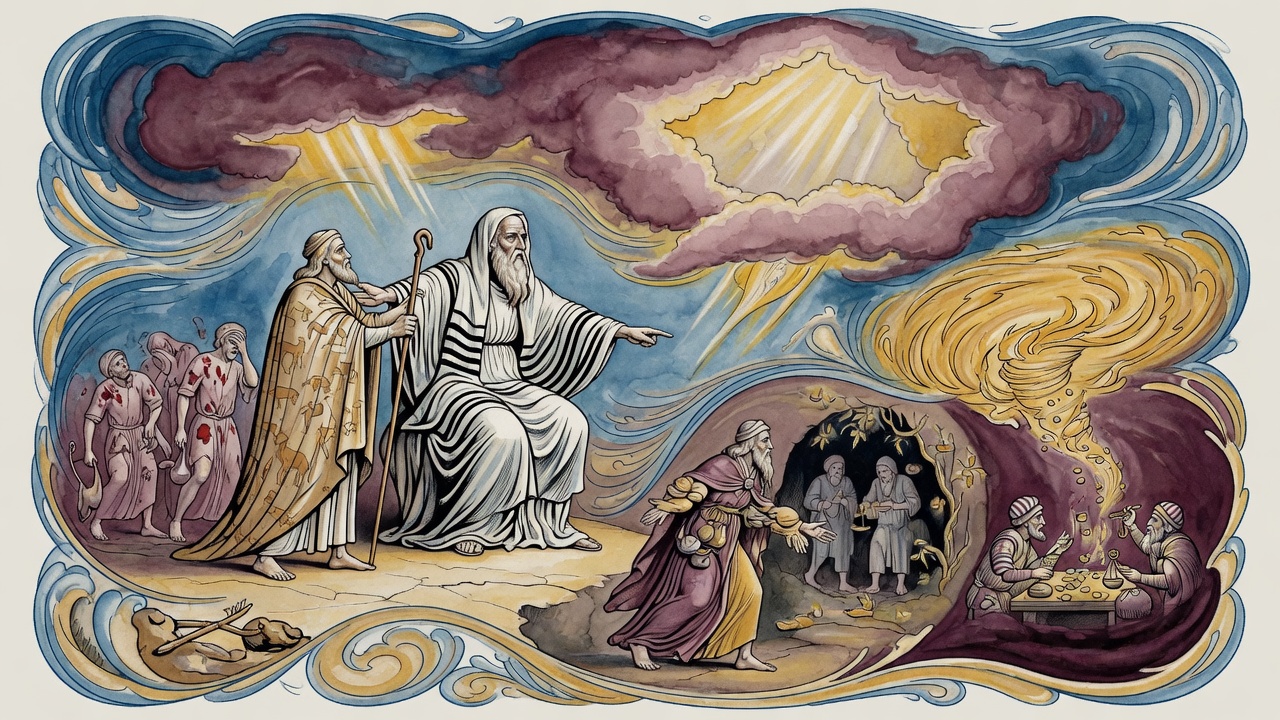
He gathered his sons in the doorway. "From this day we are in mourning," he told them. "Drink no wine, not you and not the children who come after you. Build no house. Sow no seed. Plant no vineyard and own none. Live in tents all your days." He did not explain the whole of it. He had heard what was coming for the settled and the comfortable, and he meant his line to be strangers to everything that would be torn away.

The Oath Carried From Tent to Tent

The sons obeyed, and their sons after them. They raised no walls and pressed no grapes. Their households moved with the seasons, cloth stretched over poles, and no cup of wine ever passed a Rechabite mouth. What one man swore in a doorway hardened into the whole shape of a family, and the family did not bend.

The Cup Set Before Them in the House of God

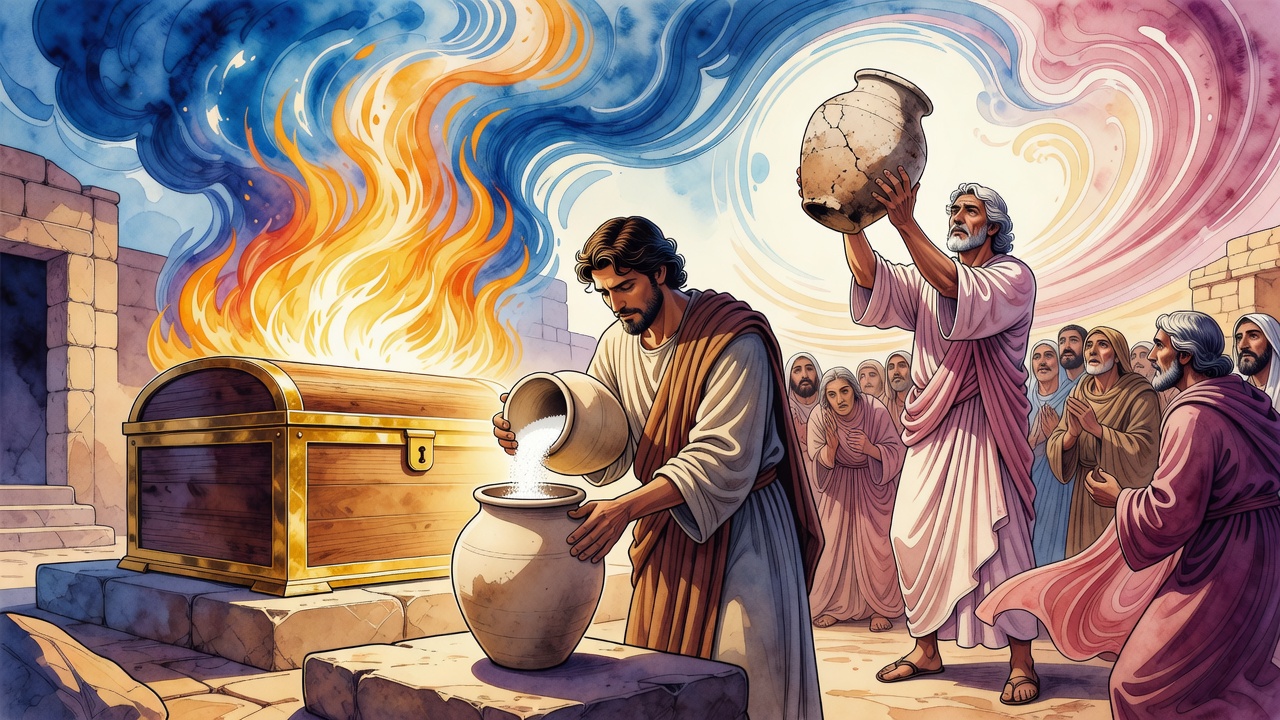
Years later Jeremiah led them into a chamber of the Temple. He set pitchers brimming with wine before them, and cups beside the pitchers, and he said, "Drink." Not a hand moved toward a cup. "We drink no wine," they answered, "because Jonadab our father laid it on us. We are to drink none, build no house, plant no vineyard, and live in tents, and we have kept every word of his to this day." The pitchers stood full. The men stood dry.

The Verdict Spoken Over Two Houses

God turned to Jeremiah and set the two houses side by side. "The words of Jonadab ben Rechab have been kept. Their father laid one light command on them and they hold it still, and I have spoken to Israel from early morning, calling them to turn back, and they will not listen to Me." Israel had the whole Torah and let it slide. The Rechabites had one dry oath and would sooner die of thirst than break it. So God swore over them: "Because you kept your father's charge, a man of the house of Jonadab ben Rechab shall never be cut off from standing before Me, all the days."

The same voice that blessed their thirst had once warned the priests at the altar, "Drink no wine nor strong drink when you come into the tent." Two of Aaron's sons had already fallen before the fire. The warning was not about a pleasant cup. It was about what waits at the bottom of it.

The Serpent Coiled in the Cup

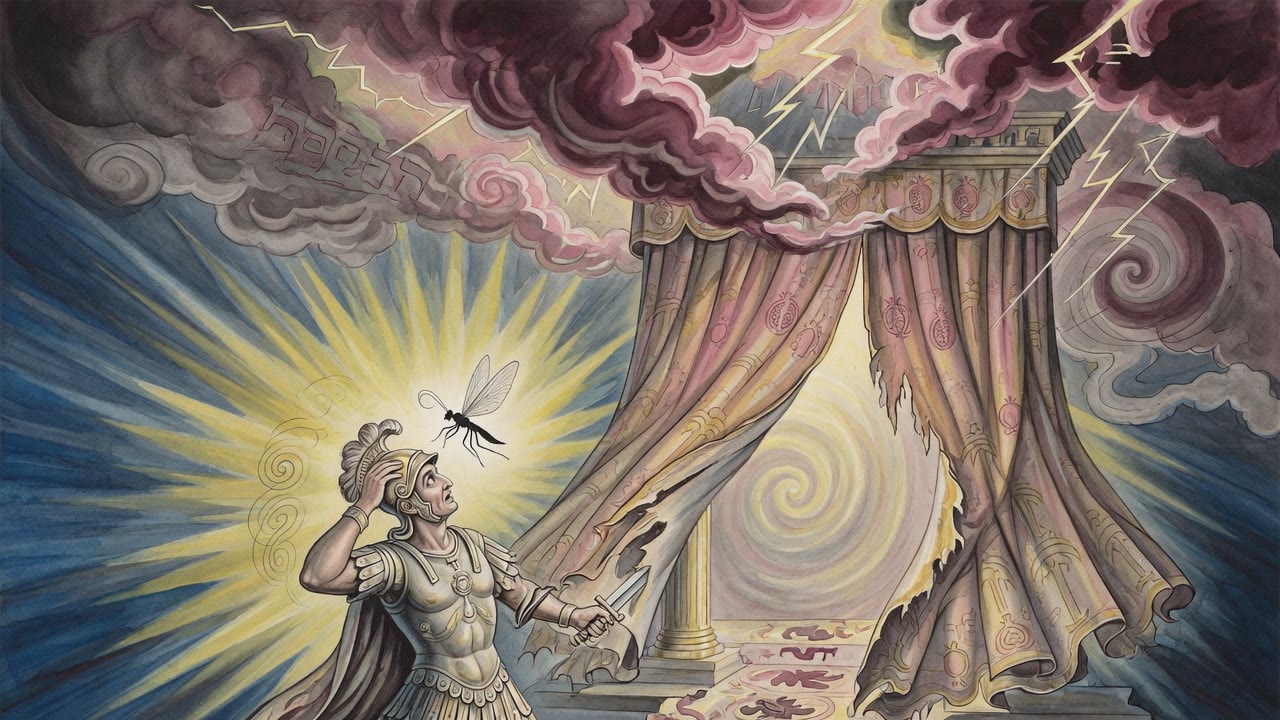
The sages looked into the wine and saw a snake. It goes down smooth and warm, and there the trouble starts. The drinker begins to permit himself what was forbidden, treating each barred thing as if it were ownerless and free for the taking. He talks with a woman in the marketplace and does not guard his mouth. He spits out foul words and feels no shame, because his mind has slipped its harness and he knows neither what he says nor what he does. The bite comes late. A serpent strikes and slides off before the flesh even feels the wound, and only when the man is home behind his own door does the blow begin to churn inside him.

The Third of the World the Cup Brought Down

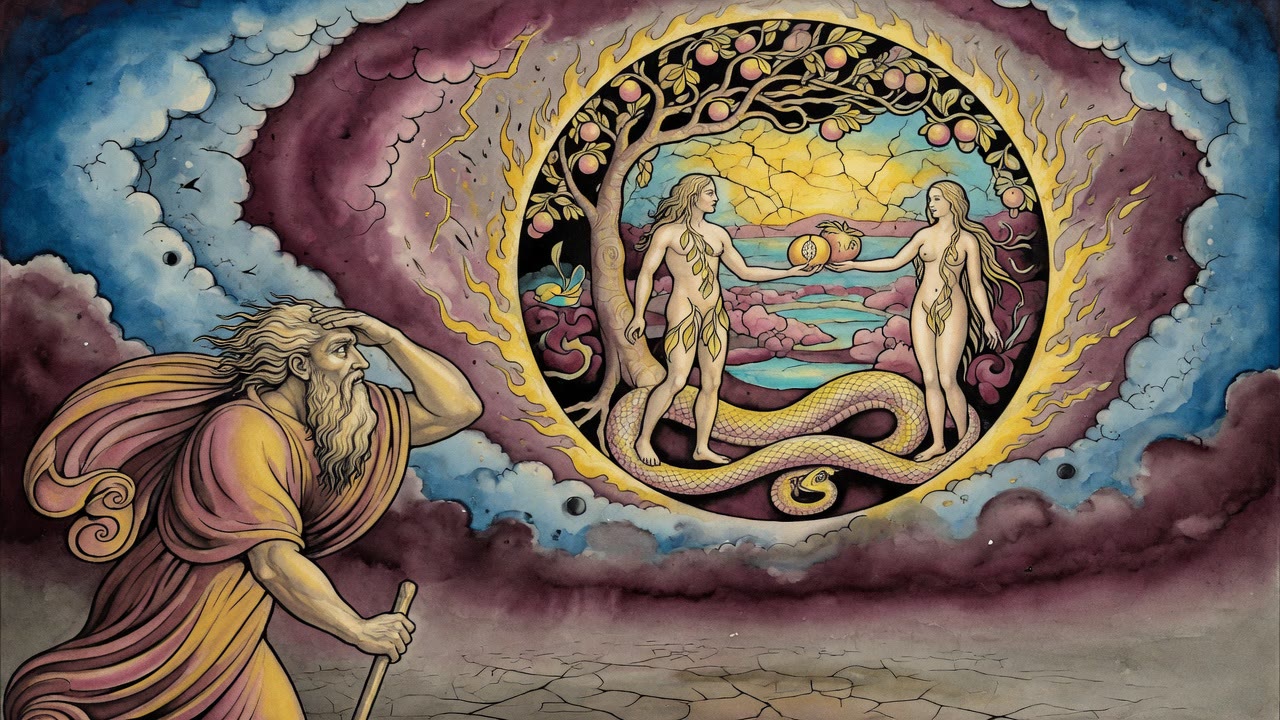
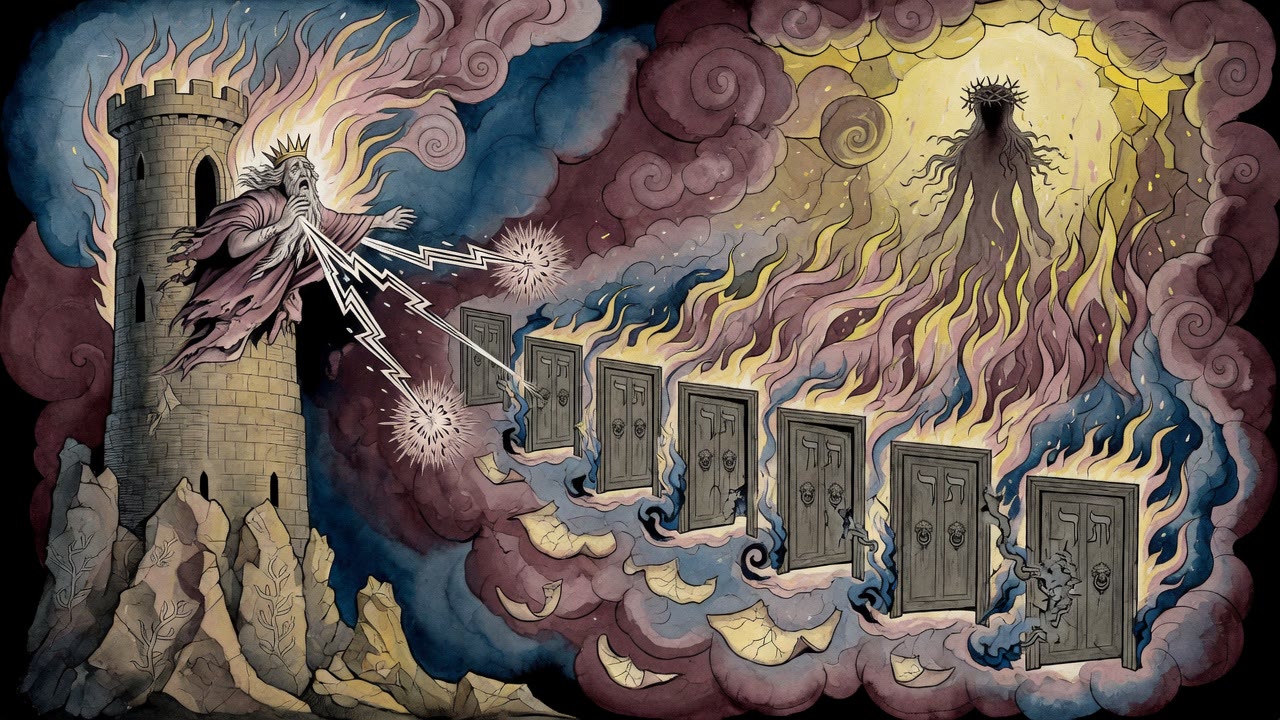
The serpent in Eden had brought a curse on the ground. The cup did worse. Noah woke from his wine and cursed Canaan, and a third of the world went down with that curse. Wine sets strange things before the eyes. It set them before the people at the mountain, who ate and drank and rose up to make sport and pointed at the gold and cried, "These are your gods, O Israel." Idolatry, bloodshed, forbidden beds, and slander, four gates stand behind the cup, and the cup opens all four. The drunkard is struck and does not feel it, beaten and does not know it, and when at last he stirs his first thought is the cup again. "When will I wake," he says, "so I can go looking for it once more."

The Vineyards Kept for the Age to Come

Isaiah heard the outcry over wine rising from the streets, all gladness gone dark like the falling of evening, the joy of the earth led off into exile. In this world the cup is a sign of the curse. But the promise did not end there. In the age to come the mountains themselves will run with sweet juice, and the thing that once bit like a serpent will be pressed into blessing. Until then the tents of the Rechabites still stand in the wind, their pitchers dry, their line unbroken before the Throne, a whole house carried through the fire by one father who heard a prophet in the street and believed him.


← All myths
From the tradition

Sources

2 sources

The texts behind this telling. Some cards carry a translation of the source; others are our own retelling of it, and each card says which. Every card links out to the original.

Midrash Tanchuma Buber, Shmini 9:1Midrash Tanchuma Buber, Shmini

Translation of the source text.Midrash Tanchuma (Buber), Public Domain, on Sefaria · CC-BY-SA

Blessed is the person who is not greedy for wine, for thus you find with the children of Jonadab ben Rechab, whose father commanded them and told them not to drink wine. And what did he see that they should not drink wine? Only that he heard Jeremiah prophesying that the Temple would be destroyed. He said to them: Be in mourning from now on. "You shall not build a house, [and you shall not sow seed,] and you shall not plant a vineyard, and you shall not have one, but you shall dwell in tents all your days" (Jeremiah 35:7). And they kept the commandment of their father.

When Jeremiah was prophesying to Israel, telling them to repent, they would not do so. The Holy One, blessed be He, said to Jeremiah: You tell them to repent and they do not do so; yet the children of Jonadab ben Rechab, their father commanded them a light commandment and they keep it, while I tell Israel to repent and they do not heed. As it is said: "The words of Jonadab ben Rechab have been upheld, who commanded his children not to drink wine, and they have not drunk to this day, for they have obeyed the commandment of their father; but I have spoken to you, rising early and speaking, and you have not hearkened to Me" (Jeremiah 35:14).

What is written there? The Holy One, blessed be He, said to Jeremiah: Say to them, by your lives, since you have kept this commandment, your families shall never cease from before Me. For thus it is written: "Therefore thus said the Lord [of hosts, the God of Israel]: There shall not be cut off a man belonging to Jonadab ben Rechab standing before Me all the days" (Jeremiah 35:19). Therefore He warns them concerning wine: "Drink no wine nor strong drink" (Leviticus 10:9).

Isaiah cried out concerning wine: "There is an outcry over wine in the streets; all joy is darkened" (Isaiah 24:11). What is "all joy is darkened (arvah)"? All joy has grown dark, as you say, "And there was evening (erev)" (Genesis 1:5). "The gladness of the earth is exiled" (Isaiah 24:11), for Zion has ceased, of which it is written, "Beautiful in elevation, the joy of the whole earth" (Psalms 48:3). The Holy One, blessed be He, said to Israel: In this world wine is a sign of a curse, but in the world to come I will make it into sweet juice, as it is said: "And it shall come to pass on that day that the mountains shall drip sweet juice" (Joel 4:18).

Full source
Midrash Tanchuma Buber, Shmini 7:3Midrash Tanchuma Buber, Shmini

Translation of the source text.Midrash Tanchuma (Buber), Public Domain, on Sefaria · CC-BY-SA

Another interpretation of It goes down smoothly (Proverbs 23:31): In the end he permits transgressions and makes them [as ownerless as that which is permitted]. He talks with a woman in the marketplace, defiles his mouth, and speaks evil words in his drunkenness, and he is not ashamed, because his mind has been unsettled, and he knows neither what he says nor what he does.

In the end it bites like a serpent (Proverbs 23:32): This serpent bites a person and he does not feel it at the moment, but once he goes to his house the blow churns within him. In the end it bites like a serpent, certainly like a serpent. Just as, on account of the serpent, He cursed the ground, as it is said, Cursed is the ground because of you (Genesis 3:17), so too on account of wine a third of the world was cursed, as it is said, And Noah awoke from his wine [and he said: Cursed be Canaan] (Genesis 9:24-25). Thus, In the end it bites like a serpent.

Your eyes will see strange things (Proverbs 23:33): See what wine causes to the one who drinks it, it caused him to serve idols, and it says, These also reel with wine and stagger with strong drink (Isaiah 28:7). What did they say? These are your gods, O Israel (Exodus 32:4), as it is said, And the people sat down to eat and to drink, and rose up to make sport (Exodus 32:6), out of the wine they said, These are your gods, O Israel. And your heart will speak perverse things (Proverbs 23:33): for it causes four things, idolatry, sexual immorality, bloodshed, and evil speech. See how grave wine is, and it is written, And moreover, wine is treacherous (Habakkuk 2:5), and it is written, A scoffer, proud, insolent is his name (Proverbs 21:24). And "insolent" (zed) means nothing but idolatry, as it is said, You rebuke the cursed insolent ones (Psalms 119:21); and "insolent ones" (zedim) means nothing but sexual immorality, as it is said, O God, the insolent have risen against me (Psalms 86:14), and it says, Also keep Your servant from the insolent (Psalms 19:14).

And he drinks and errs and sees the whole world as a ship, as it is said, And you will be like one who lies down in the heart of the sea (Proverbs 23:34). When he lies down they strike him and he does not feel it, as it is said, They struck me, but I was not hurt; they beat me, but I did not know it (Proverbs 23:35). And he does not know and is not ashamed, and he uncovers himself, and afterward he returns and seeks it [again], [as it is said], When shall I awake? I will seek it yet again (Proverbs 23:35).

Full source