The North Wind Failed and Passover Went Dark
Miriam stood a short while by the river to see what would become of the basket. Years later all Israel waited seven days in the desert for her.
Table of Contents
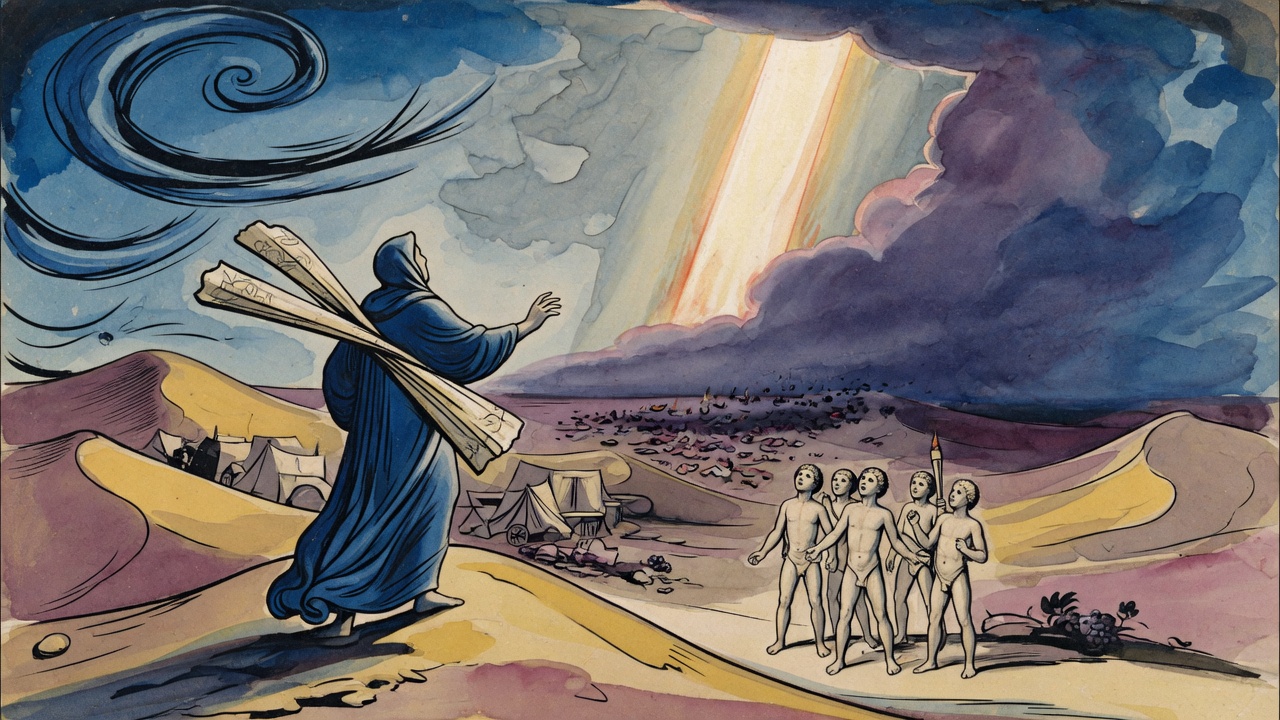
God cancelled the decree to annihilate Israel after the spies, but favor did not return with the same warmth. For years of the march the north wind did not blow. Heat stacked on heat until the boys born in the desert could not be circumcised without danger. Brit milah waited while the air itself refused to help.
 Click for full size
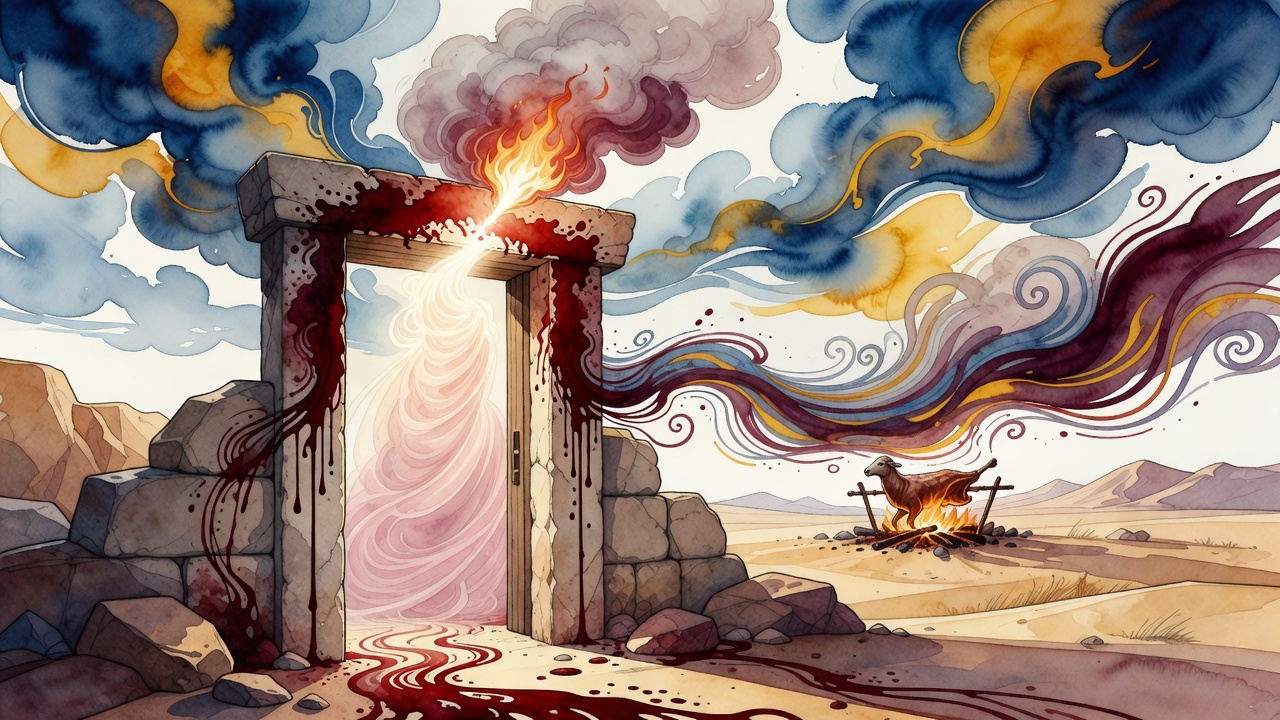
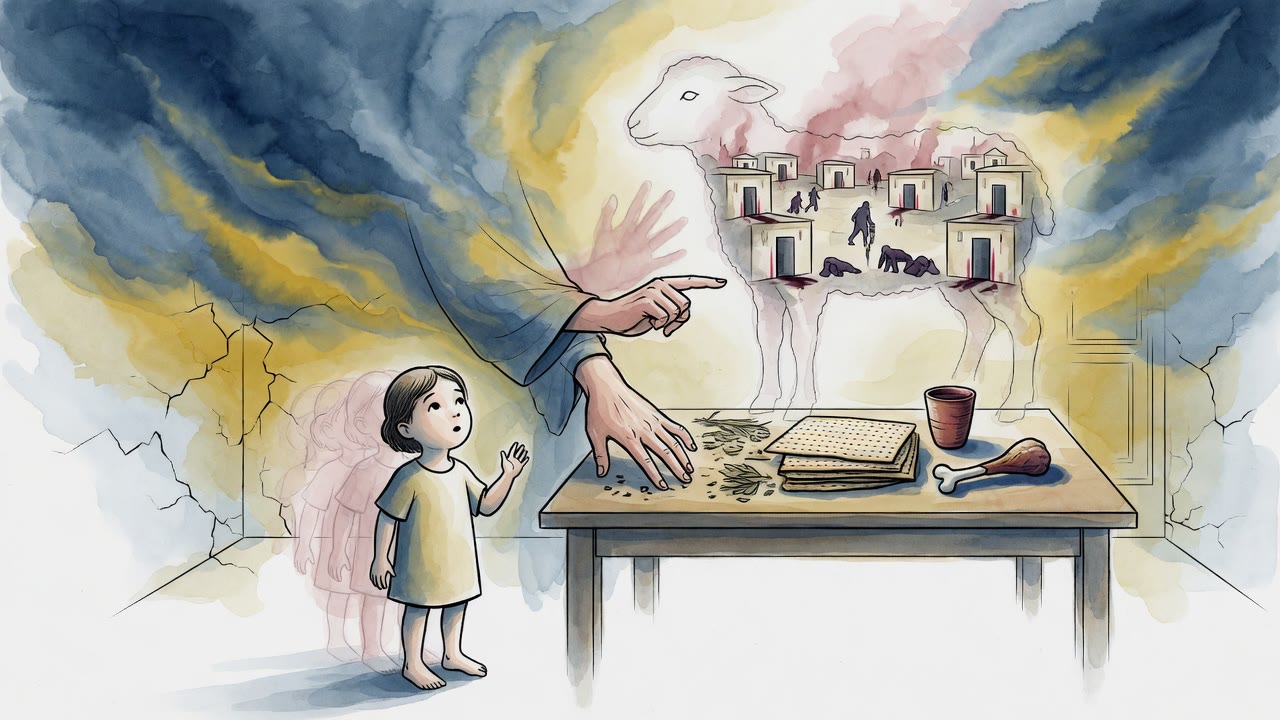
Without circumcision the paschal lamb could not be offered. Passover, the feast of leaving Egypt, went dark in the wilderness that was supposed to be the road to freedom. The generation lived between a cancelled death and an unfinished covenant cut.
Moses Felt the Cold in Prophecy
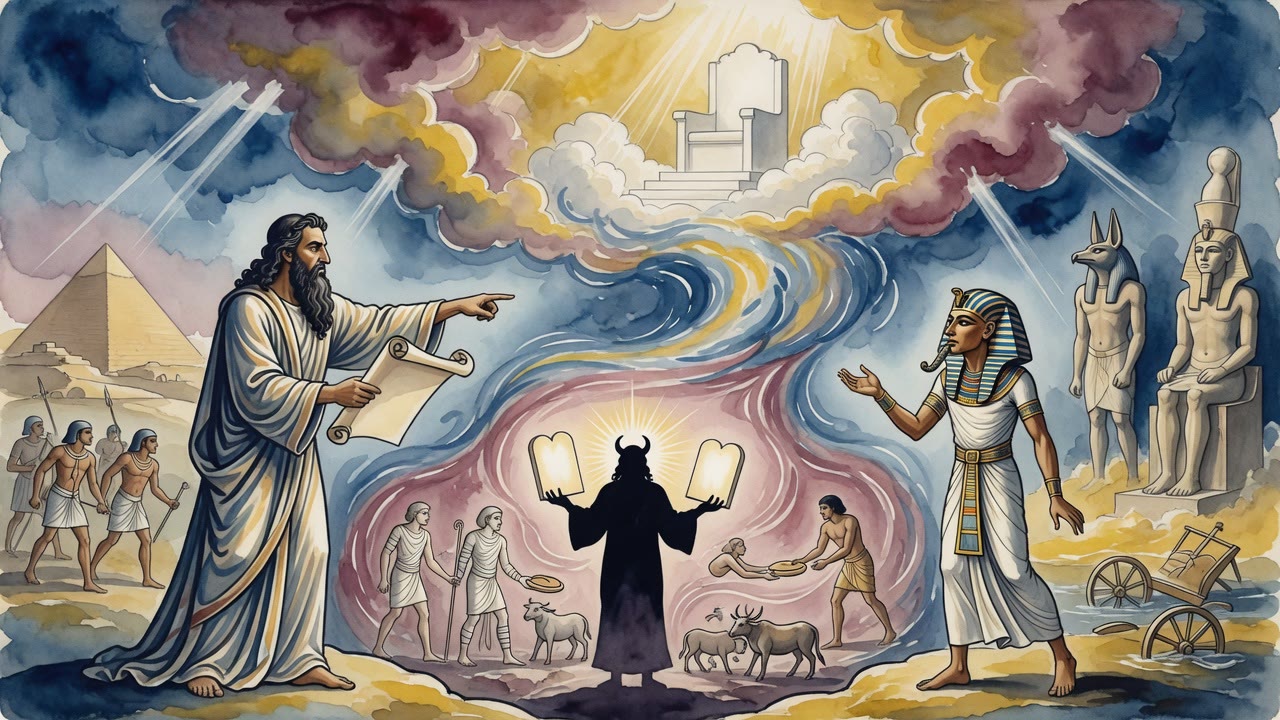
Moses received only the essential directions in those years, no affectionate surplus of revelation. Prophets receive their distinction for Israel's sake. When Israel stood in disgrace, God did not speak to Moses as a friend leans toward a friend. The leader's fate to die outside the land was sealed with the fate of the generation he led out of Egypt. One decree, two burials in sand.
The people who would not enter still needed manna, water, and law enough to survive. They did not need the extra fire of intimacy. Distance became climate. Moses walked through both kinds of heat, the sky's and heaven's.
Orders still came. Love's surplus did not. A prophet can starve for conversation even while feeding a nation instructions.
As One Metes, So It Is Meted
The Mekhilta teaches the long arithmetic of waiting. Miriam stood from afar a short time to know what would be done with the basket-child, and the Lord later held back for her the ark, the Shechinah (the Divine Presence), the priests, the Levites, and all Israel for seven days under the clouds of glory when she was shut out. A brief watch at the river bought a week of national pause.
Joseph merited to bury his father, and none among his brothers was greater than he. Chariots and horsemen went up with him. Who was as great as Joseph, who was attended only by Moses when the bones needed carrying? Moses occupied himself with Joseph's bones, there being none in Israel greater than he. Who was greater than Moses, who was buried by the Shechinah Himself in the valley?
The chain is deliberate. Small watches repay large. Great burials climb until only God remains as undertaker. Measure for measure is not a slogan. It is a schedule.
The Sister at the River and the Princess
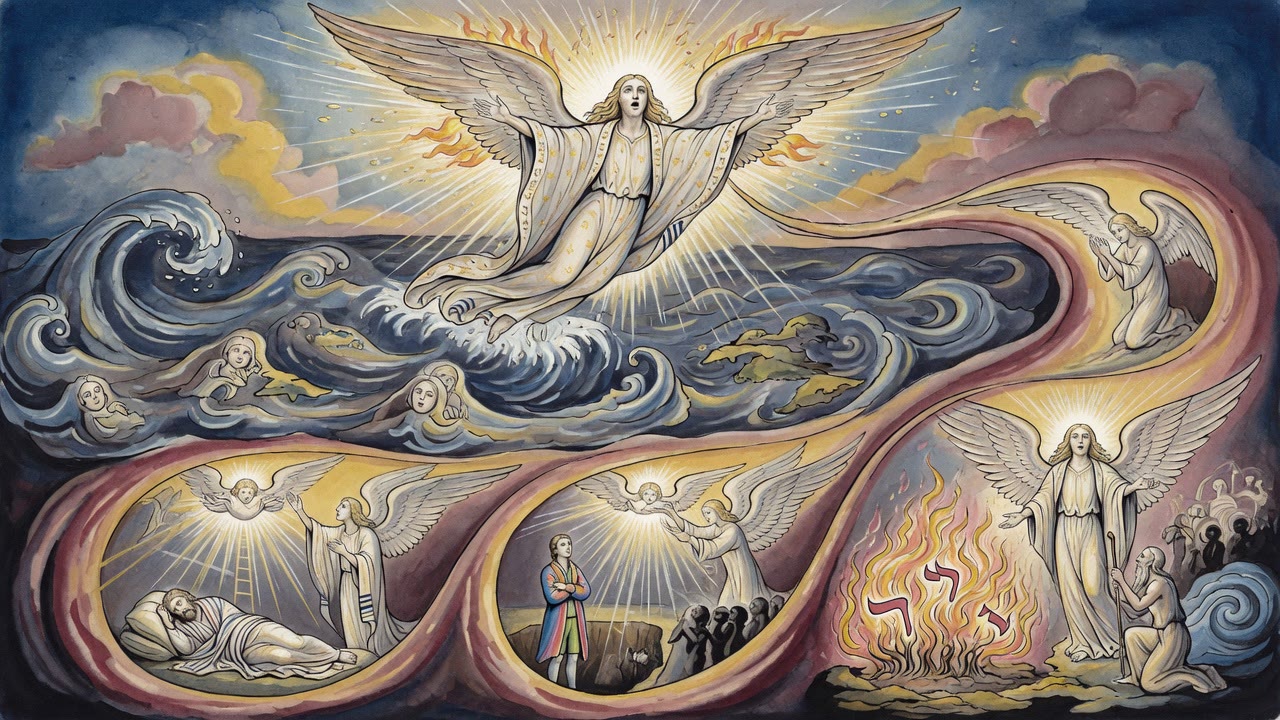
Long before the north wind failed, Tharmuth daughter of Pharaoh came to bathe and heard a child's cry. She told her maidens to bring the ark, and she had compassion. Miriam, the sister, offered to call a Hebrew nurse. Tharmuth said, "Go." Miriam called Jochebed, who received wages to nurse her own son. Measure for measure begins in a reed basket and ends in a national wait for a prophetess's return.
The same house that once paid a mother to feed her baby later could not cut a covenant into desert infants because the air would not cool. Mercy and disfavor share the wilderness the way day and night share a sky.
A princess's compassion and a sister's quick tongue saved the infant who would one day carry bones through a windless desert. The story loves that circle.
Bones on the Road When Flesh Could Not Be Cut
While living boys waited for wind, dead Joseph traveled. Moses would not leave the bones in Egypt. The man denied entry into the land still honored the oath to the ancestor who had made the brothers swear. Greatness in the Mekhilta's chain is the willingness to carry what cannot walk.
Passover stayed incomplete without circumcision. The bones of the man who once saved Egypt from famine moved toward a grave in the land his brothers had sold him away from. Moses walked between those two facts: a feast postponed by heat, a coffin advanced by loyalty.
When the generation finally thinned and the wind's punishment aged out of the story, the measure remained. Small watches are repaid large. Great burials are answered by the Presence itself. The north wind's silence was only one season in a longer justice that knows how to wait.
Campfires burned lower in the windless heat. Mothers cooled water against clay jars and still found it warm. Boys who should have entered the covenant at eight days learned to wait for weather like farmers wait for rain. Moses passed among them with Joseph's bones somewhere in the column, a moving reminder that some oaths travel even when feasts cannot be kept.
← All myths