Paradise Wind Drove Israel to the Covenant Blade
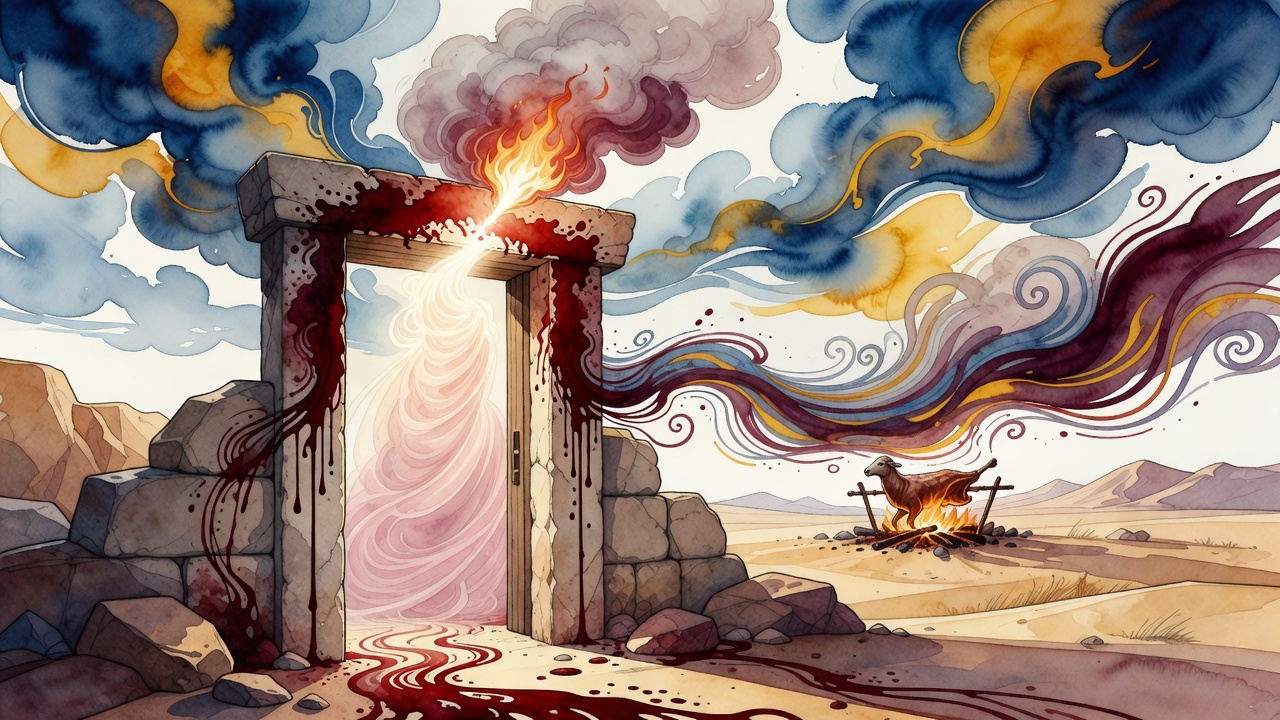
A wind from the first garden reached Moses' roasting lamb. Mouths watered all the way across Egypt. He would not let an uncut man taste it.
Table of Contents
 Click for full size
The Wind That Smelled Like a Garden
Moses had the lamb on the fire and still could not move the camp. Many of the children of Israel had refused the covenant cut, and his urgent appeals had piled up like unwashed pots. He had the command. He did not have every household willing to take a blade to flesh on the edge of a long march. Then God sent a wind.
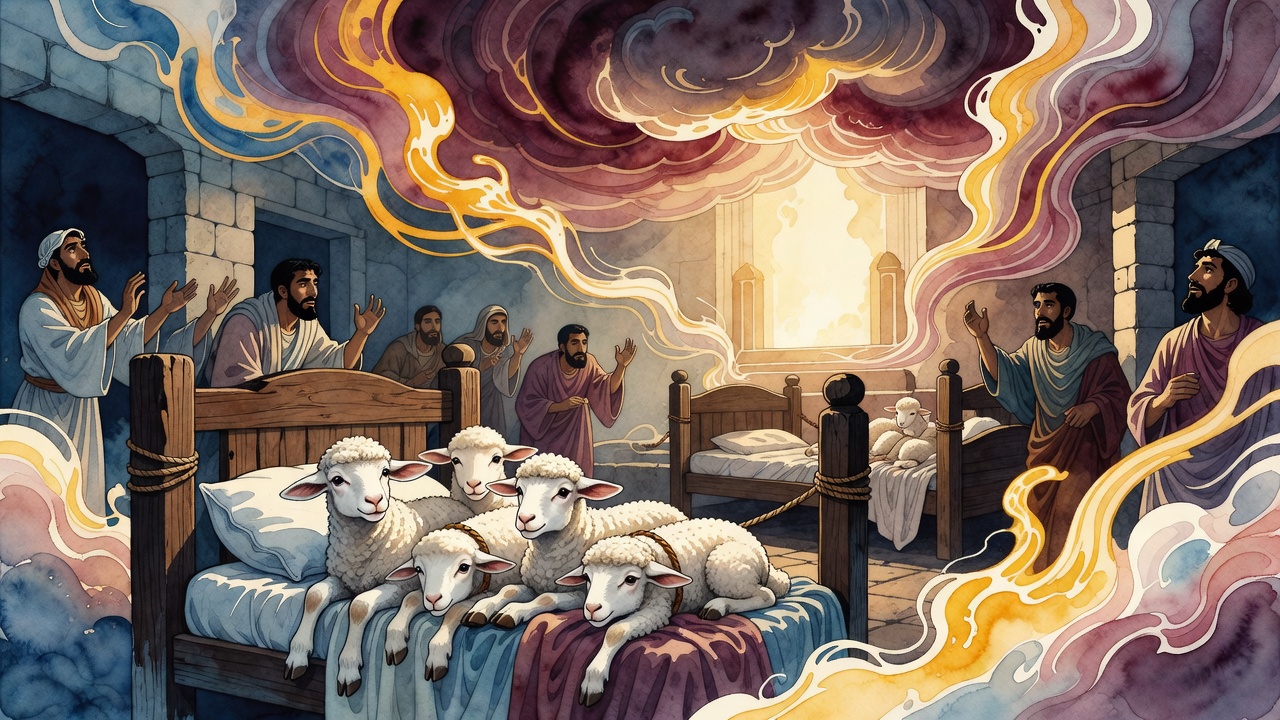
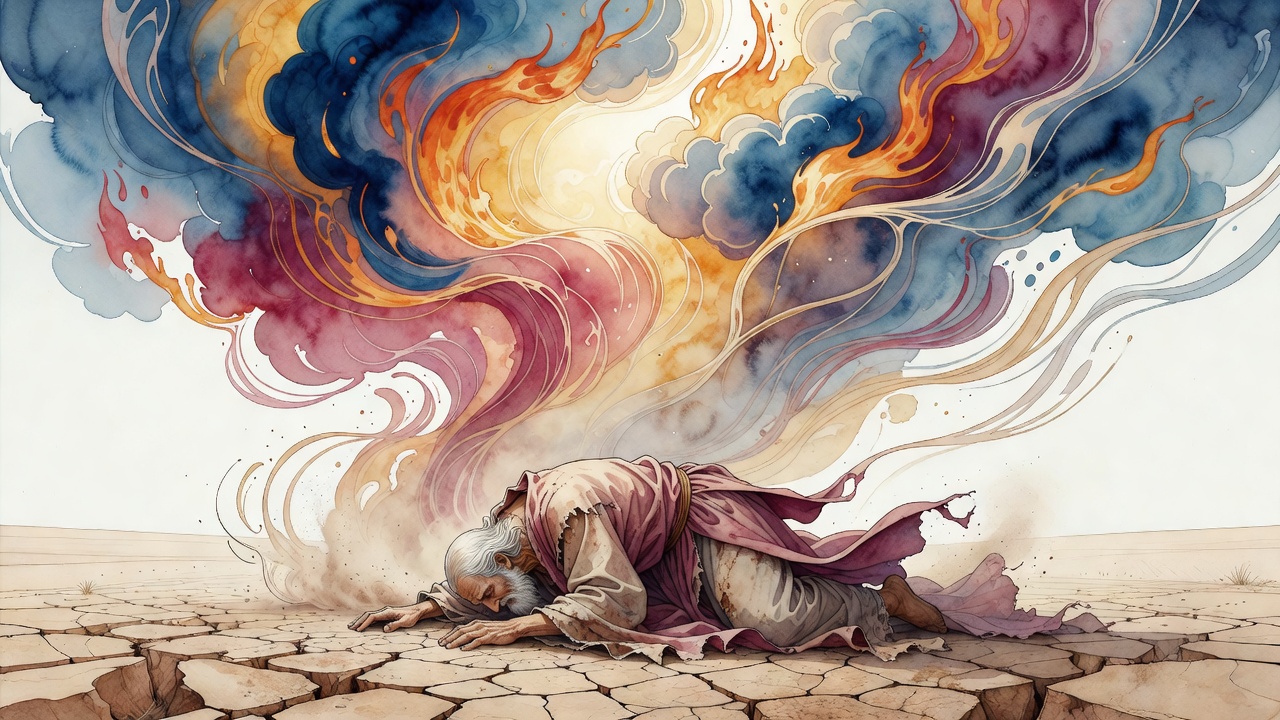
Not a desert wind that stings. A wind that carried the smell of Paradise itself, the scent of the first garden riding the night air across Egypt as far as a man could walk in forty days. Men stopped mid-step. Women lifted their heads. The odor did not ask permission. It pulled.
Crowds followed their noses the way cattle follow water. At the end of the smell stood Moses' paschal lamb, roasting under the command of the night of watching. Mouths watered. Hands reached. No market spice in Egypt could counterfeit what the wind had brought.
Moses Stood Between Hunger and the Lamb
Moses stood between hunger and the meat with a single sentence from Heaven. "This is the command of God. No uncircumcised person shall eat thereof." The smell said come. The law said not yet. Between them the camp had to choose.
Some cursed. Some laughed. Then the line formed at the blades, because hunger is an honest prophet and the roasting fat would not wait for a better mood. House after house took the covenant cut so the door to that meal would open. Paradise on the wind was not a free gift. It was bait for obedience.
They chose the blade. The uncircumcised who longed for the garden on the tongue had to accept the covenant on the body first. Moses watched a people pick flesh-pain over missing a taste of Eden. The pot stayed in his care until the mark was on them.
House After House Took the Cut
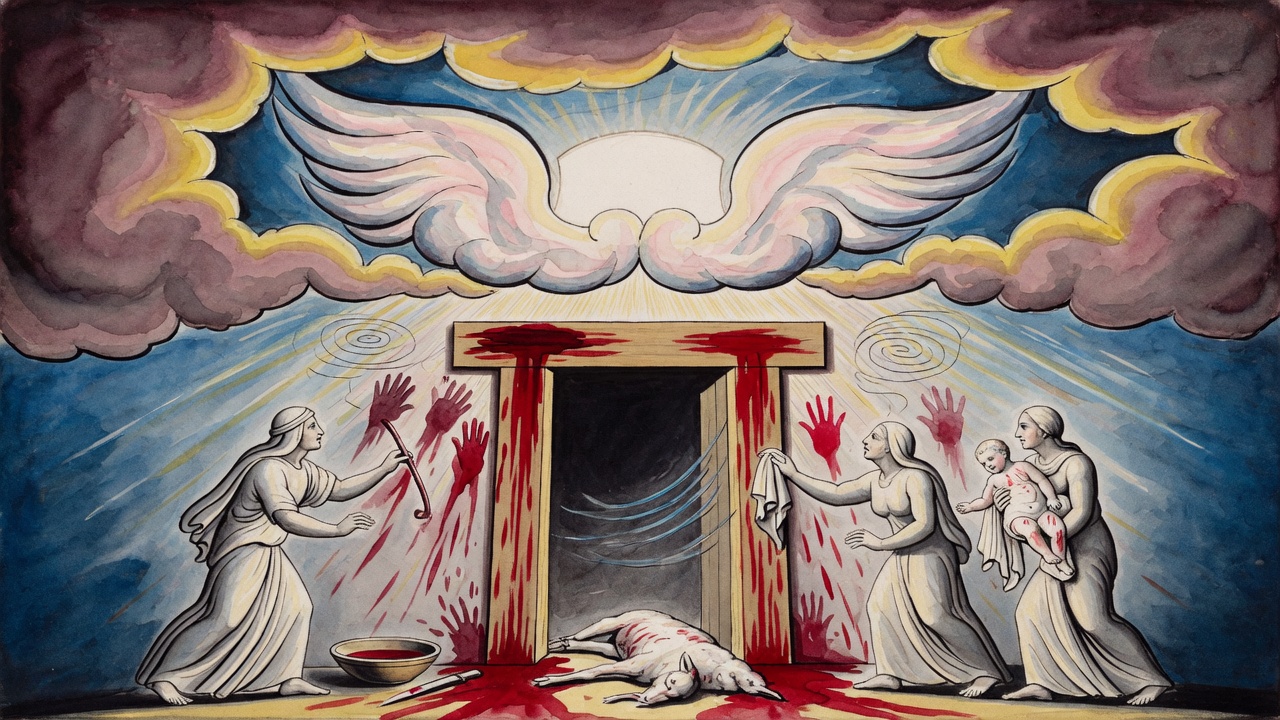
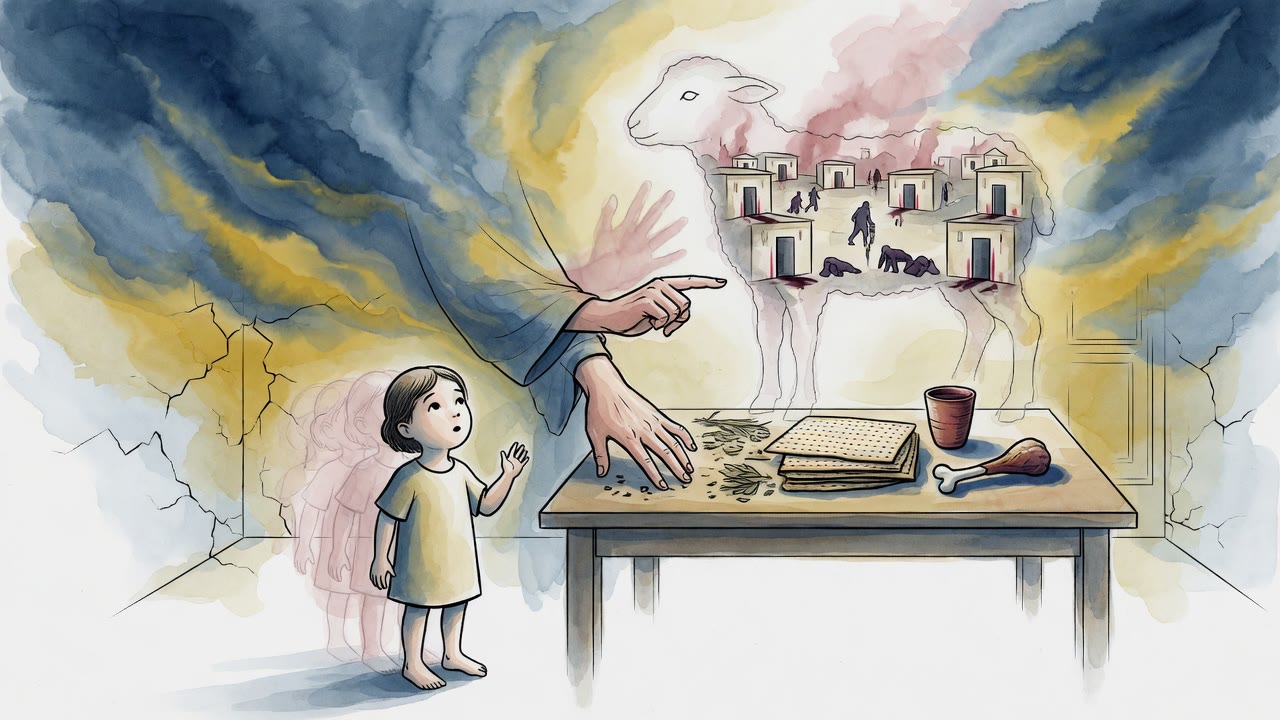
When the Lord later passed through the land of Egypt, He blessed every Israelite who had held both marks: the blood of the lamb and the blood of circumcision, two seals on one night of leaving. God did not only pass over doors painted with blood. God met people who had answered the wind with steel.
The sweet air from Eden did not cancel the command. It made the command edible. Hunger became a teacher. The nose led the will where sermons had stalled. A man who had argued with Moses for weeks took the cut in a hurry, with lamb fat on the air and a road waiting at dawn, because the smell had done what speech could not.
They walked out with lambs eaten under law and bodies marked under the same night sky. The wind that smelled of Paradise did not follow them as a permanent perfume. It had done its work. The mark stayed. The smell did not.
Abraham Did It in the Sun
The cut was not invented in Egypt. Long before, Abraham stood in daylight and took the covenant on his own flesh and on Ishmael's. "On that very day Abraham was circumcised, and Ishmael his son" (Genesis 17:26). Not at night. Not behind a tent flap. On that very day, in the sun, so that no neighbor could later claim ignorance.
Had Abraham hidden the act in darkness, the people of his generation would have said, "We declare, had we seen him, we would have not allowed him to circumcise himself." Daylight dared them. Speak now, or be still forever. From the beginning, I did not speak in secret (Isaiah 48:16). Abraham ached. He suffered the cut in public, and the ache was part of the gift, not a mistake to be wished off the page.
Later, in a study hall, Rabbi Levi tried to sand the hurt away. The verse does not say Abraham circumcised himself, he argued, only that he was circumcised, as if he had examined himself and found the work already done, almost without pain. Rabbi Abba bar Kahana called him a fabricator and a falsifier to his face. Abraham ached, he said, so that the Holy One could double his reward. The quarrel kept the scene from turning into a rumor. Public covenant. Costly flesh. A father who would not let the cut become a whisper after dark.
Two Bloods on One Night
In Canaan, Abraham's daylight. In Egypt, Moses' wind. One man standing alone before neighbors. A nation standing under a smell that made law feel like hunger. The blade that opened Abraham's house to God opened Israel's houses to the lamb.
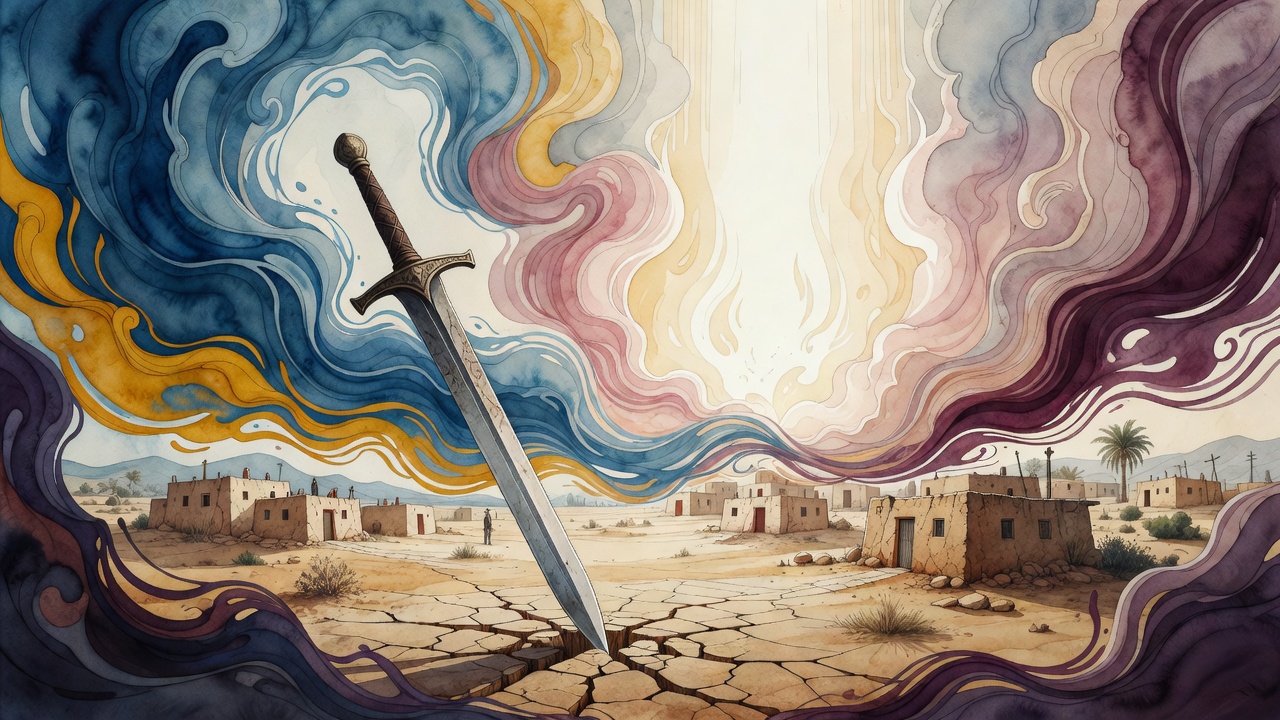
When the destroyer walked, the doors that held both bloods held living firstborn. Someone in every generation wants the taste without the mark. Moses still stands at the pot. Abraham still stands in the sun. The blade is still the door. Paradise, if it comes near again, will smell like a test before it smells like a gift.
Egypt's streets emptied toward a single fire. A people that would claim the God of the fathers had to wear the fathers' cut, and they wore it in a hurry, with the garden on the wind and the lamb just out of reach until the steel had done its work. Then they ate. Then they walked. The first father had paid in public. The last generation in Egypt paid with their noses full and a road waiting at dawn.
← All myths