5 min read

The One Who Wounded Must Pray for His Victim

Payment is not enough after the blow. Abraham prayed for Abimelech, and the injurer still owes heaven a request for mercy.

Curated by Arthur · Told by Maggid ·
Table of Contents
  1. The Debt That Survives the Court
  2. Great Is Peace
  3. When God Takes a Side
  4. The Harder Victory

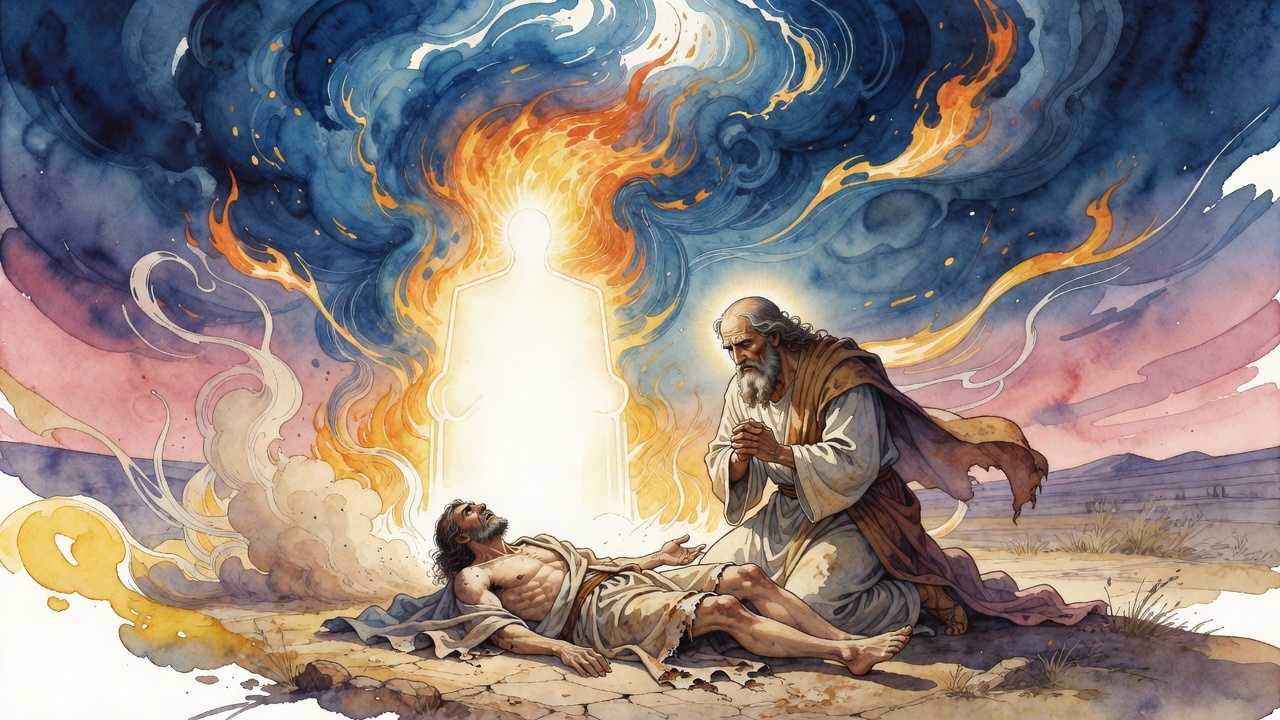
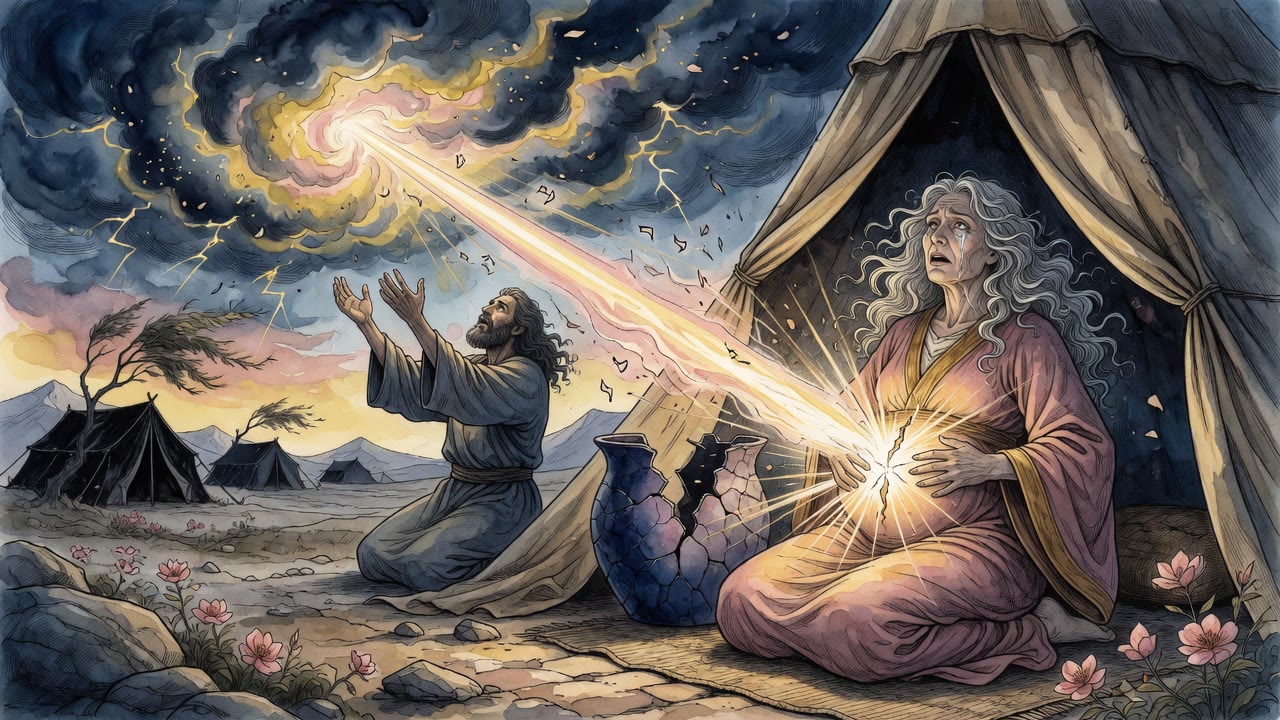
Abraham stood in the aftermath of a wound he had not meant to leave on a household. Abimelech's house had been closed because of Sarah, and the patriarch's next act was not a legal brief. He prayed for the man who had taken her, asking heaven for mercy on the one entangled in the damage.

The One Who Wounded Must Pray for His Victim Click for full size

The rabbis turned that moment into a rule that still binds. When you injure another person, payment and apology do not finish the debt. Even if the wounded never asks, you must pray for mercy on their behalf.

The Debt That Survives the Court

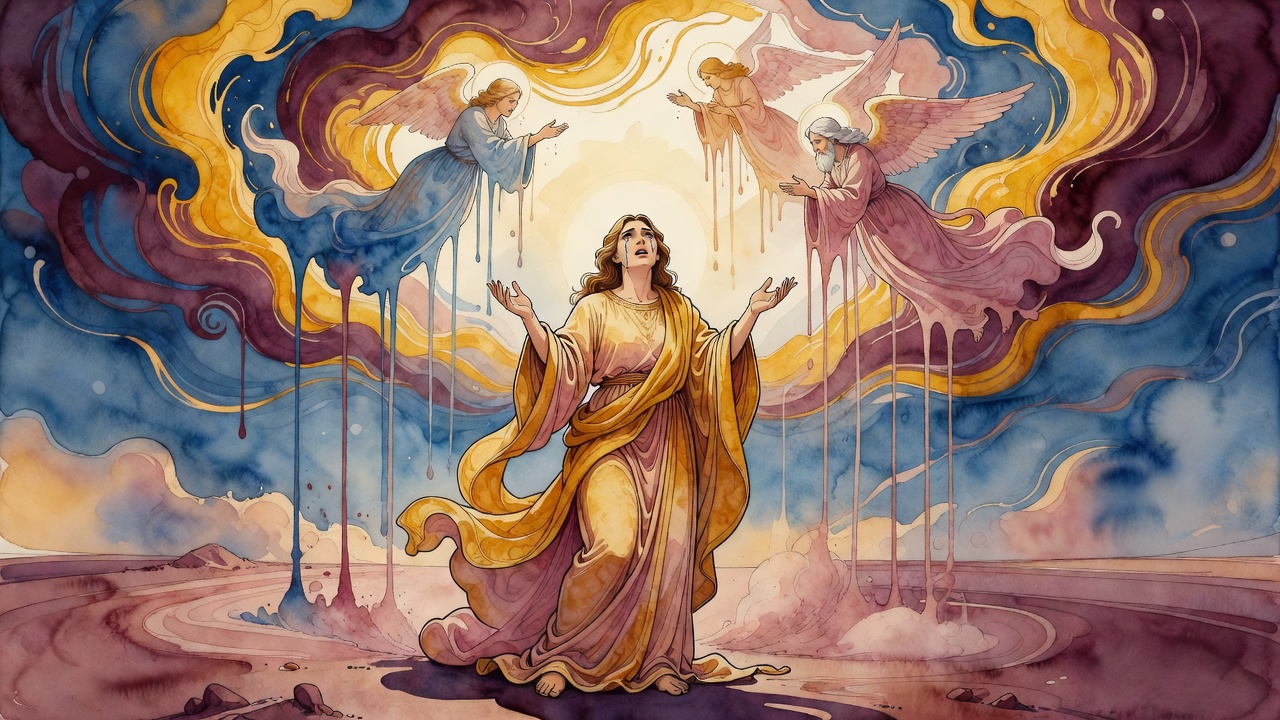
Job's friends learned a similar geometry. After they had wronged him with speeches, they were told that Job himself would pray for them. The wrongdoer is not free to keep a cold heart toward the person he hurt. He must want good for that person and ask for it out loud before God.

The closing measure is merciless in its simplicity. So long as you are merciful, the Omnipresent shows mercy to you. The channel you open toward someone else's healing becomes the channel that can reach you.

Injury creates a strange intimacy. The one who struck must now stand as intercessor. Resentment is not a permitted aftertaste.

Great Is Peace

Vayikra Rabbah stacks reasons until peace looks like the container of every blessing. Rabbi Shimon ben Yochai hears Psalm 29: "The Lord will bless His people with peace" (Psalms 29:11) and calls peace the sum of goods. Hizkiya notes that other commandments wait for their occasion, but peace must be sought and pursued even outside your place (Psalms 34:15).

In the wilderness the verbs give the plot away. "They traveled, they encamped" in the plural, a grammar of factions. At Sinai, "Israel encamped" in the singular (Exodus 19:2). Only then does the Holy One say the moment has come to give Torah. Unity is not a mood. It is the condition for revelation.

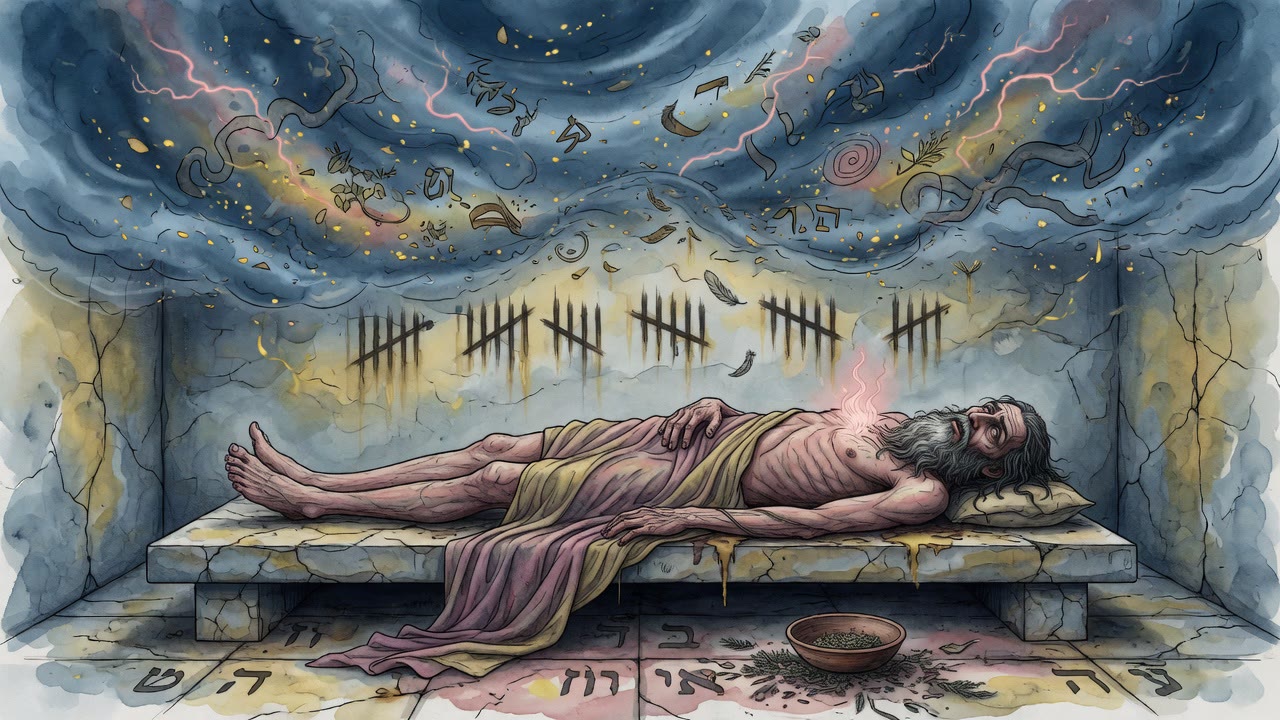
Bar Kappara goes further. Scripture itself softens facts for peace. Sarah's remark that Abraham is old is edited when God reports her words (Genesis 18:12-13). An angel tells Manoah's wife she is barren, then softens the word when speaking to her husband. Joseph's brothers invent a paternal command to win forgiveness. Even war begins with an offer of peace (Deuteronomy 20:10). God's own Name is called peace (Judges 6:24). For marital trust, that Name may be erased in the sotah waters so a household can breathe again.

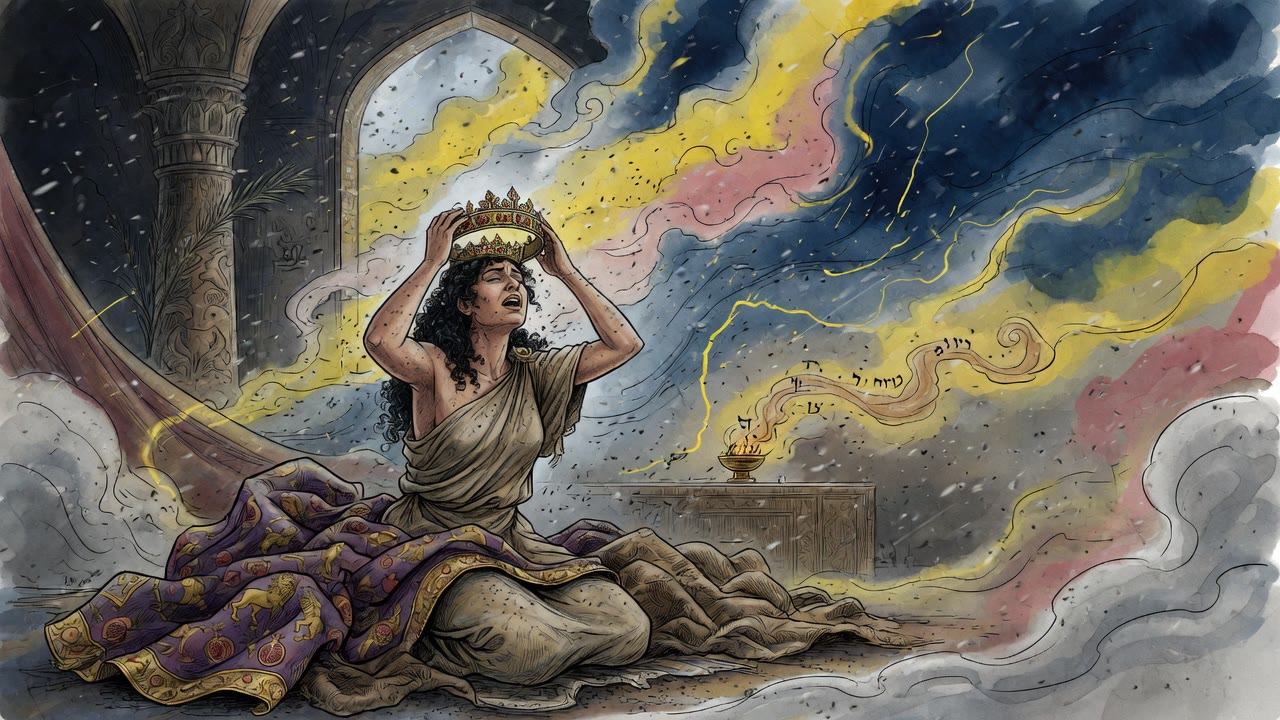
Rabbi Meir let a woman spit in his face seven times to free her from her husband's cruel vow, saying it was enough for Meir to be like his Maker. Peace costs dignity sometimes. The midrash does not pretend otherwise.

When God Takes a Side

Targum Pseudo-Jonathan hears another angle in the covenant. "If you truly hearken... I will be the enemy of your enemy, and will trouble those who trouble you" (Exodus 23:22). The alliance is conditional and mirror-shaped. God does not promise unprovoked aggression. God promises reciprocity. Hostility against a listening Israel becomes hostility God answers.

That promise sits beside the duty to pray for someone you have hurt without canceling either. Outward enemies may meet divine opposition. Inward wounds still demand the injurer's prayer. Strength toward the outside does not license hardness toward the person whose body or name you damaged.

The Harder Victory

So the day after a blow looks like this. You pay what the court sets. You speak the apology the situation requires. Then you turn toward heaven and ask for the other person's healing as if your own mercy depends on it, because it does.

Peace is not the absence of the injury. Peace is the refusal to let the injury write the last sentence. Abraham prayed. Job prayed. Rabbi Meir lowered his face. The Name accepted erasure for a marriage. Somewhere in that chain, a smaller person with a smaller wound still has to decide whether to keep score or to open a channel.

The midrash has already chosen for him. Pray.

The prayer is part of the repair, not a decoration after the repair. Coins can close a case. They cannot reopen a sealed spirit. A man who broke a neighbor's fence still has to ask that the neighbor sleep without fear. The fence is wood. The fear is the real damage.

You do not wait for peace to knock. You leave home to chase it. Students stared when Rabbi Meir wiped his cheek and sent the woman home free of her husband's vow. Peace costs dignity sometimes. The midrash does not pretend otherwise.

A people can be shielded and still be commanded to heal the neighbor they bruised yesterday. Strength toward the outside does not license hardness toward the person whose body or name you damaged. Then, if you can, pursue peace past your own door until the singular verb of Sinai has a chance to return in a smaller key.


← All myths
From the tradition

Sources

3 sources

The texts behind this telling. Some cards carry a translation of the source; others are our own retelling of it, and each card says which. Every card links out to the original.

Yalkut Shimoni on Torah 91:7Yalkut Shimoni on Torah

Translation of the source text.Torat Emet (Yalkut Shimoni) · CC-BY-NC

One who injures his fellow, even though the injurer did not seek pardon from the one injured, must seek mercy on his behalf, as it is said, "And Abraham prayed" (Genesis 20:17). And so you find with Job, "And My servant Job will pray for you" (Job 42:8). And likewise it says, "And He will grant you mercy" (Deuteronomy 13:18) - so long as you are merciful, the Omnipresent will show mercy upon you.

Full source
Vayikra Rabbah 9:9Vayikra Rabbah

Retold in our words. Read the original at the link below.The Sefaria Midrash Rabbah, 2022 · CC-BY

In Vayikra Rabbah, a collection of rabbinic homilies on the Book of Leviticus, we find a powerful exploration of peace. Rabbi Shimon ben Yoḥai declares that "Great is peace, as all blessings are included in it." He draws on the verse, "The Lord gives strength to His people; the Lord will bless His people with peace" (Psalms 29:11). It's like peace is the ultimate container for every good thing!

Ḥizkiya makes two points about the greatness of peace. First, he contrasts it with other mitzvot (commandments), commandments. Usually, you're only obligated to do a mitzvah if the opportunity presents itself. But with peace, it's different. As it says, "seek peace and pursue it" (Psalms 34:15). You have to actively chase after it, seeking it "in your place and pursue it elsewhere." It requires effort.

Ḥizkiya's second point revolves around the Israelites' journey in the desert. That "They traveled…they encamped" (Numbers 33:5) using plural verbs – implying dispute and discord. But when they arrived at Mount Sinai, something changed. "Israel encamped [vayiḥan] there" (Exodus 19:2). Notice the verb is now singular. The Holy One, blessed be He, says, "This is the moment that I am giving the Torah to My children." Only in unity, in peace, could they receive the Torah.

Then Bar Kappara chimes in with three more insights. He points out that the Torah itself sometimes alters facts to promote peace! For instance, Sarah questions, "After my withering, will I have youth, and my lord is old?” (Genesis 18:12). But when God relays Sarah's statement to Abraham, He omits the part about Abraham being old (Genesis 18:13). This little "white lie," so to speak, is told in the service of peace.

He gives another example of falsehood in the service of peace. In the Book of Judges, an angel tells a woman, "Behold now, you are barren and have not given birth; but you will conceive, and you will give birth to a son" (Judges 13:3). But to her husband, Mano'ah, the angel avoids the word "barren," simply saying she needs to follow instructions to conceive (Judges 13:13). Again, the intent is to preserve harmony.

Bar Kappara's third point is perhaps the most profound. Even the "supernal beings," the angels, who theoretically don't experience jealousy or strife, still need peace. "He makes peace in His heights" (Job 25:2). So, how much more do we earthly beings, with all our flaws and conflicts, need peace?

The Rabbis continue. Rabban Shimon ben Gamliel highlights how Joseph's brothers ask him for forgiveness in Jacob's name, even though there's no explicit command from Jacob in the text (Genesis 50:17). Again, peace trumps strict adherence to the literal truth.

Rabbi Yosei HaGelili observes that even in war, we begin with peace, citing "When you approach a city to wage war against it, [you shall call to it for peace]" (Deuteronomy 20:10). It is always our first option.

And Rabbi Yudan ben Rabbi Yosei makes a powerful connection: "Great is peace, as the name of the Holy One blessed be He is called peace," referencing the verse "He called it: The Lord is peace" (Judges 6:24). Peace isn't just something God desires; it's part of His very essence. This is why, as Rabbi Tanḥum bar Yudan notes, we shouldn't use the term "peace" to inquire about someone's well-being in an impure place.

Rabbi Yishmael teaches something truly radical. He says that God allows His own sacred name to be erased in the ritual of the sotah (Numbers 5:11–31), the suspected adulteress, in order to restore peace and trust between a husband and wife.! God's very name, a symbol of ultimate holiness, is sacrificed for the sake of marital harmony.

This idea is then illustrated by the story of Rabbi Meir, who was a sage during the time of the Mishna (around 2nd century CE). A woman was listening to Rabbi Meir's Torah lectures. Her husband, jealous, forbade her from entering their home until she spat in Rabbi Meir's face. To resolve the situation, Rabbi Meir instructs her to spit in his face seven times, thus freeing her from her husband's vow. His students questioned the rabbi's willingness to be humiliated. Rabbi Meir responded, "Is it not sufficient for Meir to be like his Maker?"

Rabbi Shimon ben Ḥalafta offers a cosmic perspective. When God created the world, He balanced the supernal and earthly realms. He created man from both, uniting heaven and earth. This act of creation itself was an act of peace.

Rabbi Mani of She’av and Rabbi Yehoshua of Sikhnin, citing Rabbi Levi, emphasize that all blessings conclude with peace: in the Shema, in prayer, in the Priestly Benediction (Numbers 6:26). Even offerings, both individual and communal, are associated with peace. They even suggest that the World to Come will be characterized by peace: "I will extend peace to it like a river" (Isaiah 66:12).

Finally, the Rabbis conclude that the messianic king will usher in an era of peace: "How pleasant are the feet of the herald on the mountains, announcing peace" (Isaiah 52:7).

So, what does all this mean for us today? It means that peace isn't just the absence of conflict. It's an active pursuit, a divine attribute, and the foundation for all blessings. Sometimes, it even requires us to make sacrifices, to compromise, and yes, even to "alter" the truth, to reconcile and unite. Maybe if we focus on peace the way the ancient Rabbis did, we can bring a little more shalom into our own lives, and into the world.

Full source
Targum Pseudo-Jonathan on Exodus 23:22Targum Pseudo-Jonathan on Exodus

Retold in our words. Read the original at the link below.The Targum of Jonathan ben Uzziel, trans. J. W. Etheridge, London, 1862 · Public Domain

Targum Pseudo-Jonathan on Exodus (Exodus 23:22) makes a promise that sounds almost like a battle cry: if thou wilt indeed hearken to His Word, and do all that I speak by Him, I will be the enemy of thy enemy, and will trouble them who trouble thee.

The Covenant Turned Sideways

Covenants usually flow top-down. God commands; Israel obeys; God blesses. But this verse turns the relationship horizontal. I will be the enemy of thy enemy. God describes Himself as taking sides in Israel's conflicts, enlisting in Israel's hostilities, opposing those who oppose His people.

The condition is real. If thou wilt indeed hearken. The divine alliance is not automatic, it is responsive. Obedience creates the channel through which God becomes Israel's ally.

The Mirror Promise

The language is careful. Enemy of thy enemy, a mirror. Trouble them who trouble thee, another mirror. God does not promise unprovoked aggression. He promises reciprocity. If someone rises against Israel, God rises against him. If someone leaves Israel in peace, Israel's God does not stir the waters.

This is the opposite of the later misreading that treats Israel's God as universally combative. The covenant is defensive, not offensive. But inside the defense it is total.

The Takeaway

A people in covenant with God gains an invisible ally. The hostility you face is no longer yours alone to bear. The Torah promises that obedience turns Israel's enemies into God's enemies. And no earthly army can match that asymmetry.

Full source