The Stolen Lulav That Testified Before the King
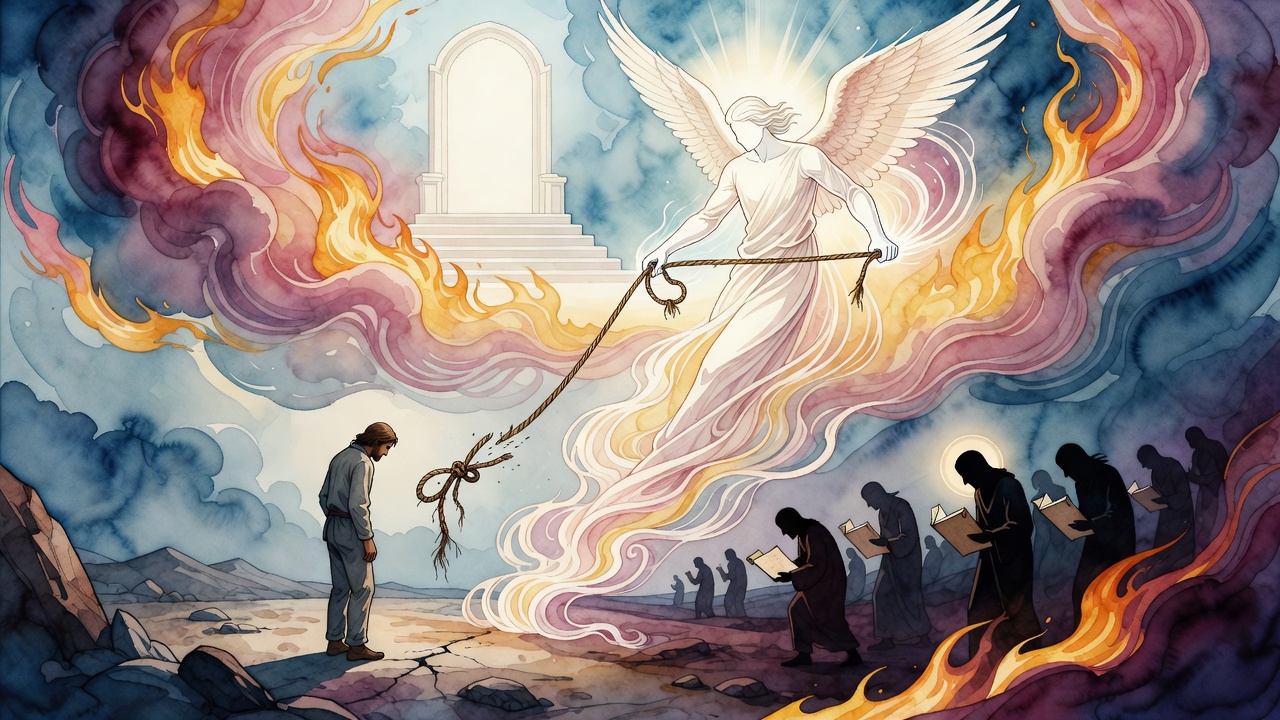
A bandit returned a rug to buy a defender and met that defender as his accuser. So a stolen lulav (palm branch) testifies on Sukkot.
Table of Contents
 Click for full size
The Crossroads and the Rug
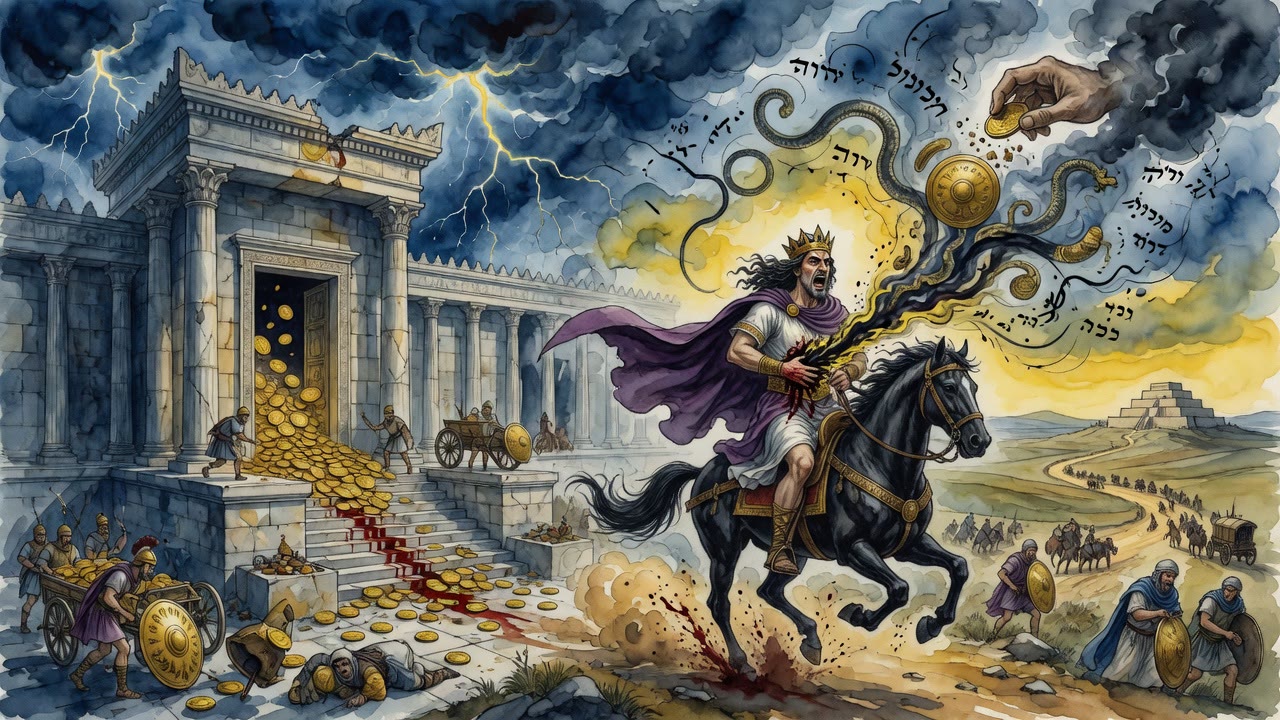
A bandit waited at a crossroads and stripped a tax officer of everything he carried, including a fine rug. Months later the bandit sat in a cell. The same officer came to the bars with a deal that smelled like mercy. Return what you took, and I will speak for your acquittal before the king.
The bandit handed back the rug, the only item left. The officer coached him on exactly what to say in court. The next day the king asked whether anyone would defend the prisoner. He named the officer. The king summoned the man and asked what he knew.
The officer testified: this is the very bandit who robbed me on the road, and this rug is my witness against him. The room erupted. Woe to the man whose defender turned into his accuser. The rug that was meant to buy a voice became the voice that closed the case. Soft cloth, hard witness.
Take for Yourselves
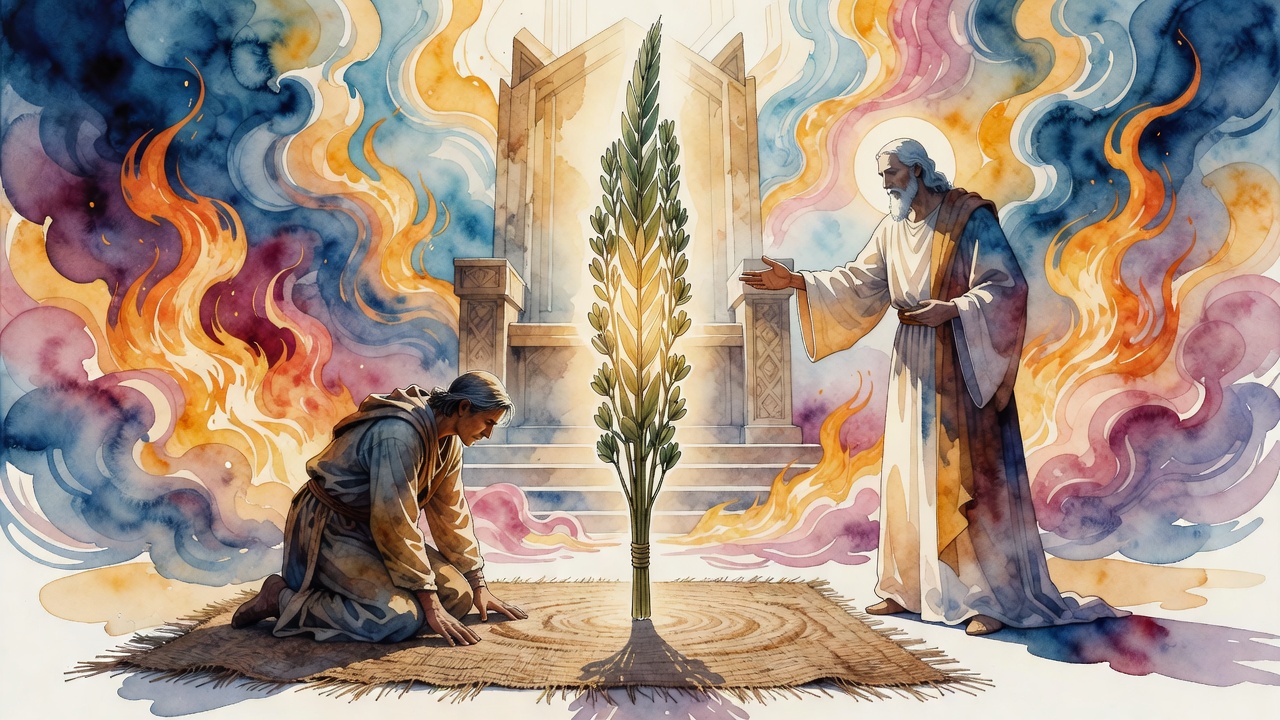
That, said Rabbi Levi, is a stolen lulav. The Torah says "and you shall take for yourselves" the four species on Sukkot (the autumn festival of booths). The rabbis hear two demands in the small words. The lulav must be taken by each person, and it must be your own. Not merely borrowed. Never stolen.
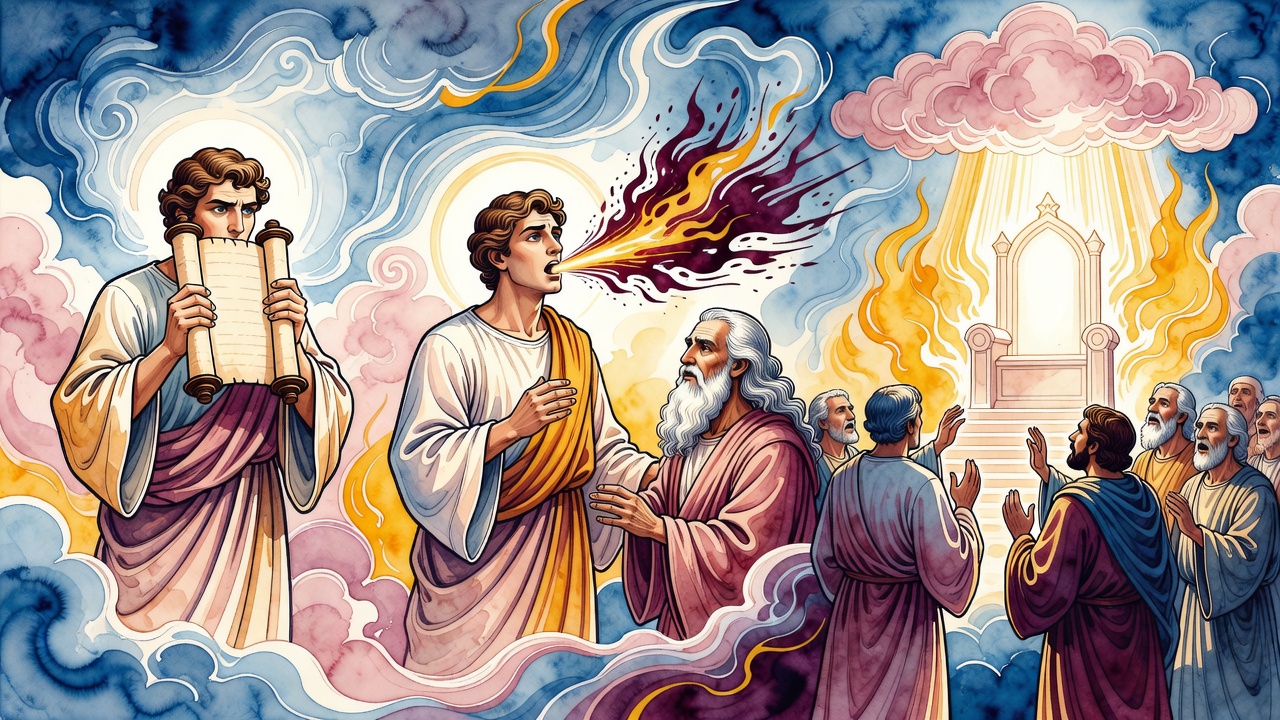
You lift the branch on the festival to plead for a year of life, but the branch itself cries out before the Holy One: I am stolen, I am robbed. The angels echo the courtroom crowd. A mitzvah (a commandment) built on theft does not advocate for you. It testifies against you.
The joy of the festival cannot launder the taking. The hand that waves a stolen palm is already on trial inside the waving. "For yourselves" is not a small legalism. It is the difference between a defender and an accuser held in green leaves.
Fifteen Steps of Water and Song
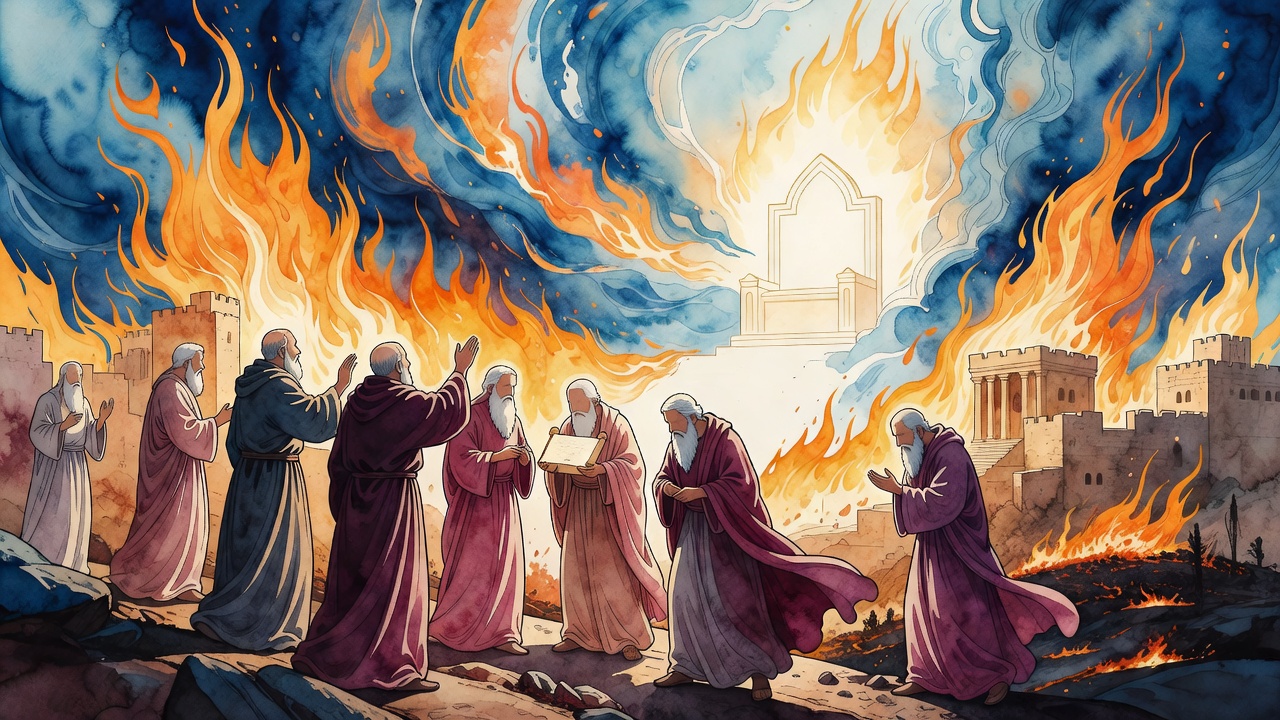
In the Temple, fifteen steps rose between the Court of the Women and the Court of Israel, and on them the Levites stood with harps, lyres, and cymbals during the water-drawing celebrations of Sukkot. The joy was so great the sages said whoever had not seen it had not seen joy in his life. Water drawn from the Shiloah at night, brought up with torches and dance, poured on the altar at dawn.
That joy was public, costly, and clean. It did not require a stolen branch. It required feet on stone, voices in pitch, and water that belonged to the rite. The contrast is sharp on purpose. Festival joy without justice is the bandit's rug in another costume. The steps count upward while a stolen mitzvah counts downward in the ledgers of heaven.
Torches lit faces that had not taken what was not theirs. The music did not need a crossroads robbery to fund its instruments. Legitimate joy has its own economy.
The Water Libation
The water libation on the altar was itself a claim about who owns the year's rain. Israel poured water before God as if to say the skies answer a people who answer law. A stolen lulav (the palm branch) interrupts that conversation. You cannot ask for rain with a hand that took what was not yours and call the request pure.
The midrash's parable refuses to stay in the jail cell. It climbs the fifteen steps and stands under the torches. Every joyful mitzvah can become an accuser if its object was seized. The king in the story is not only a human court. The King of the universe hears the rug and the palm alike. Pour clean water. Wave a clean branch. Or do not pretend the altar will ignore the provenance of your props.
Woe to the False Defense
The bandit thought he had bought a voice. He had bought a witness for the prosecution. So a person who steals a lulav to fulfill Sukkot buys a prosecutor in green leaves. Better an empty hand and honest poverty than a full hand that will speak against you when the books of life are open.
When the festival ends and the branches dry, the story still stands at the crossroads. Return what is not yours before you ask heaven to speak for you. The officer's betrayal of the deal is not the midrash's cruelty. It is the midrash's clarity. What was taken remains able to talk.
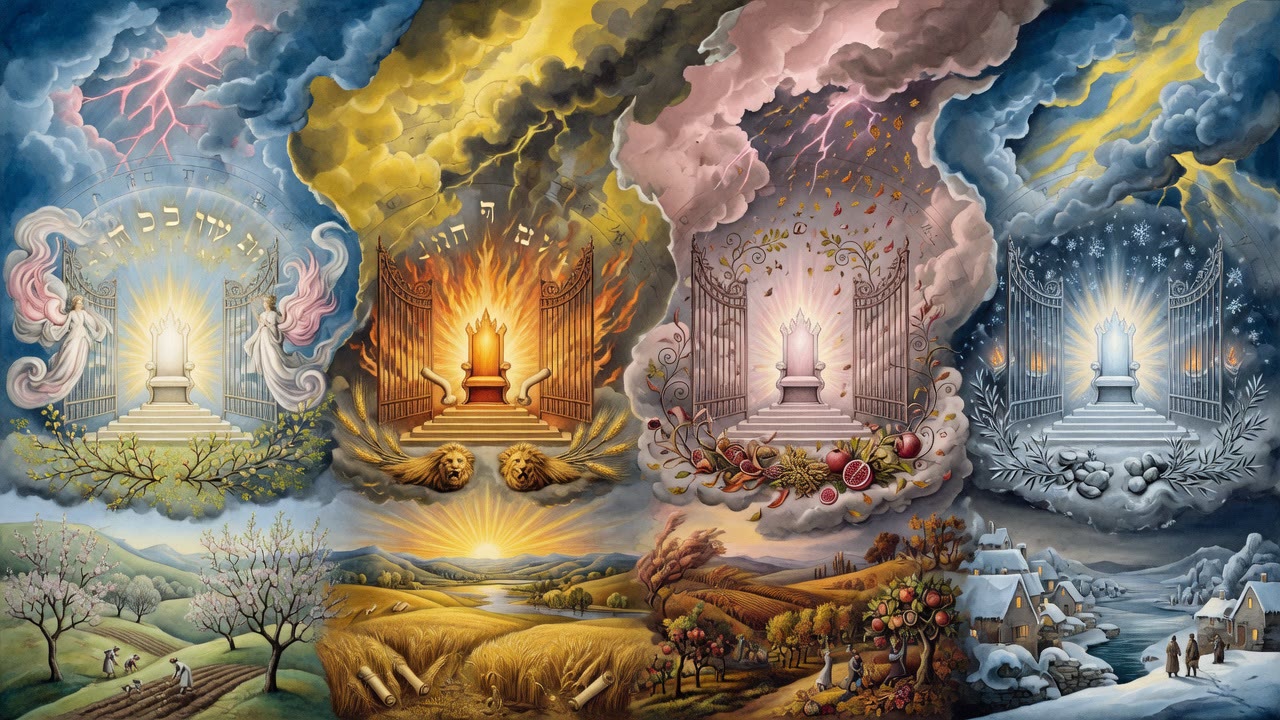
On Sukkot the nation asks for rain, life, and a sealed good year. The midrash answers with a courtroom because requests are legal speech as much as liturgy. Bring clean objects to the plea. Bring a name that is yours. Otherwise the four species become four witnesses, and the joy on the fifteen steps will not cover the theft at the crossroads.
← All myths