They Burned the Passover Meat at Midnight
Toward evening they slaughtered. At sunset they began to eat. At midnight, the hour Israel left Egypt, leftover flesh met fire and not the morning.
Table of Contents
 Click for full size
Toward Evening
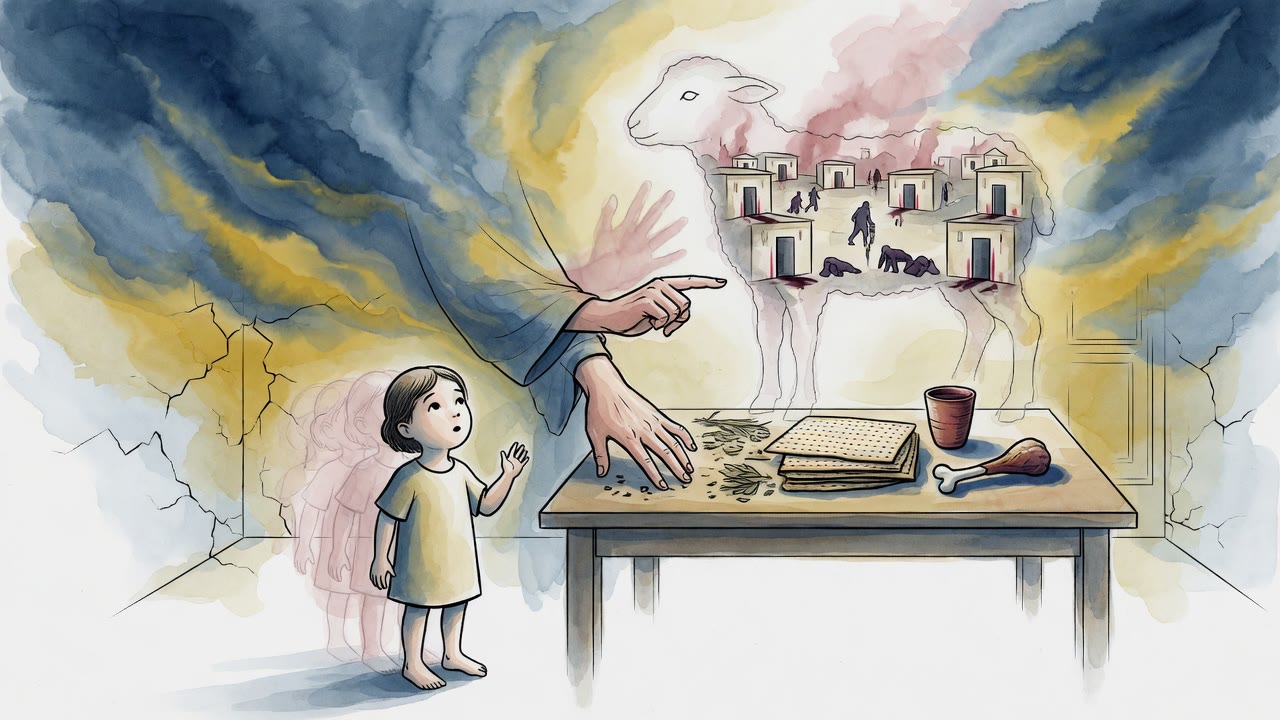
The sun still held the stones of the court when the knives came out. Rabbi Eliezer timed it with a hard simplicity. Toward evening you sacrifice the Pesach. Not in the lazy middle of the day. Not after full night has erased the edges of the world. The offering belongs to the falling light, when Egypt once braced for the last plague and Israel girded loins with staff in hand.
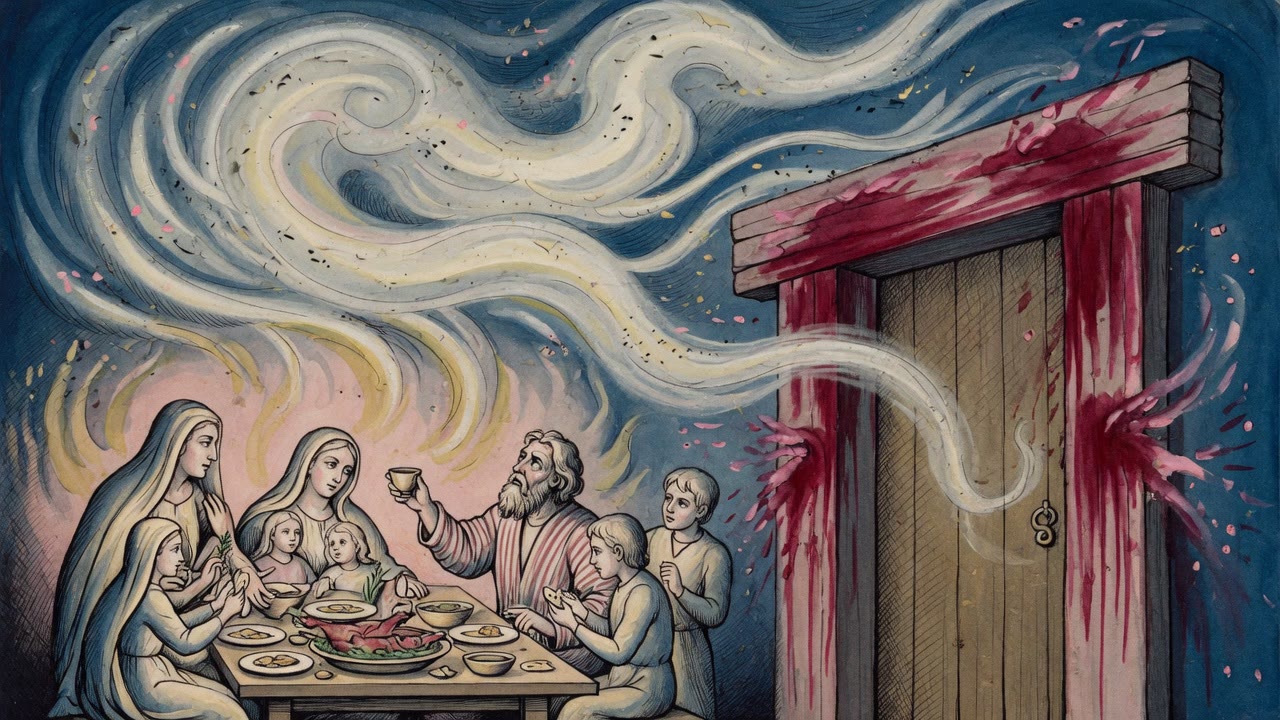
Blood hit the basins. Fat lifted in smoke. Families pressed close with roasted meat still singing from the fire. The place God chose held them, not every backyard that felt holy in private. Night was coming, and night had rules older than any household custom. Children asked when they could eat. Adults watched the sun the way sailors watch a shore.
When the Sun Set, Eating Began
Sunset opened the meal. Rabbi Eliezer and Rabbi Yehoshua both hear the sequence. Sacrifice toward evening. Eat when the sun goes down. How long may the meat stay in the mouth and on the table? Eliezer pushes the leftover to midnight, the hour of leaving Egypt, and then to burning. Yehoshua stretches eating until the morning star, the other edge of the departure story.
Either way, dawn is an enemy of leftover flesh. "There shall not remain of the flesh that you sacrifice in the evening until the morning." The chagigah eaten with the Pesach rides the same clock in the midrash's reading. Festival joy does not mean food without end. It means food that knows when to end, so that redemption does not turn into ordinary leftovers and ordinary morning hunger.
Men who had walked days to reach the city chewed slowly, as if speed might insult the night. Women portioned for the small and the old. No one treated the roast as market surplus.
Midnight and the Fire
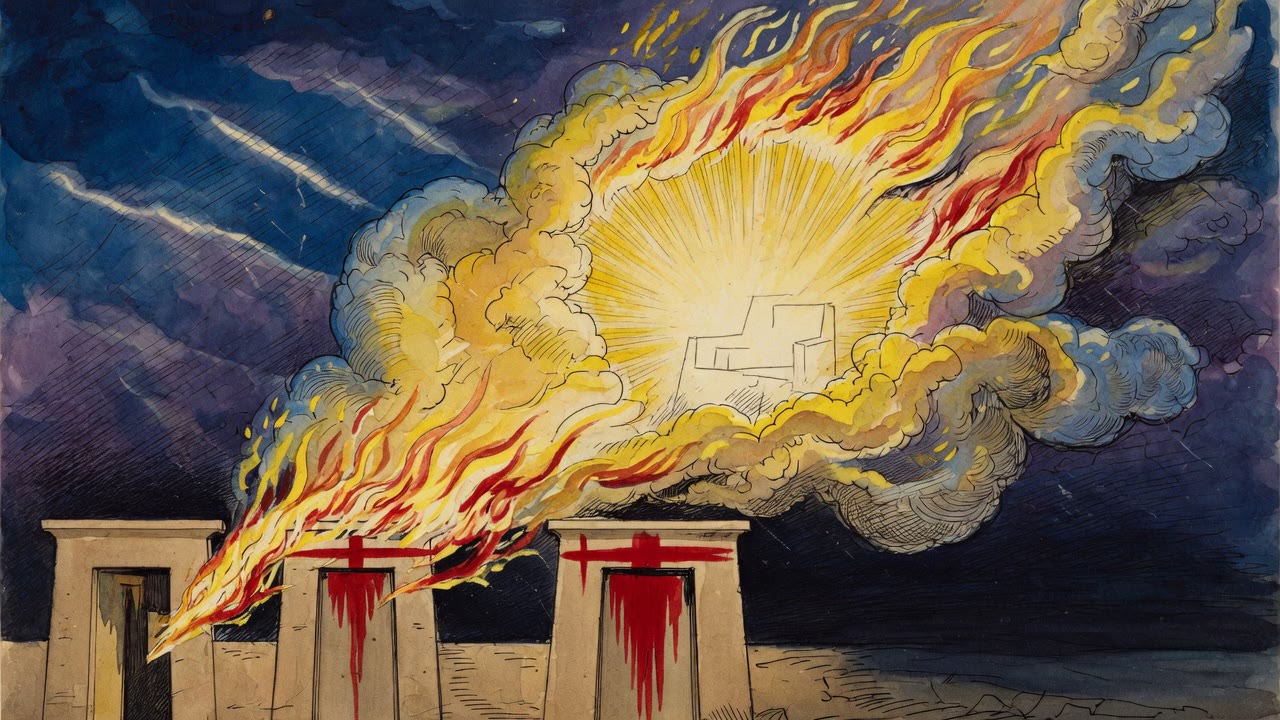
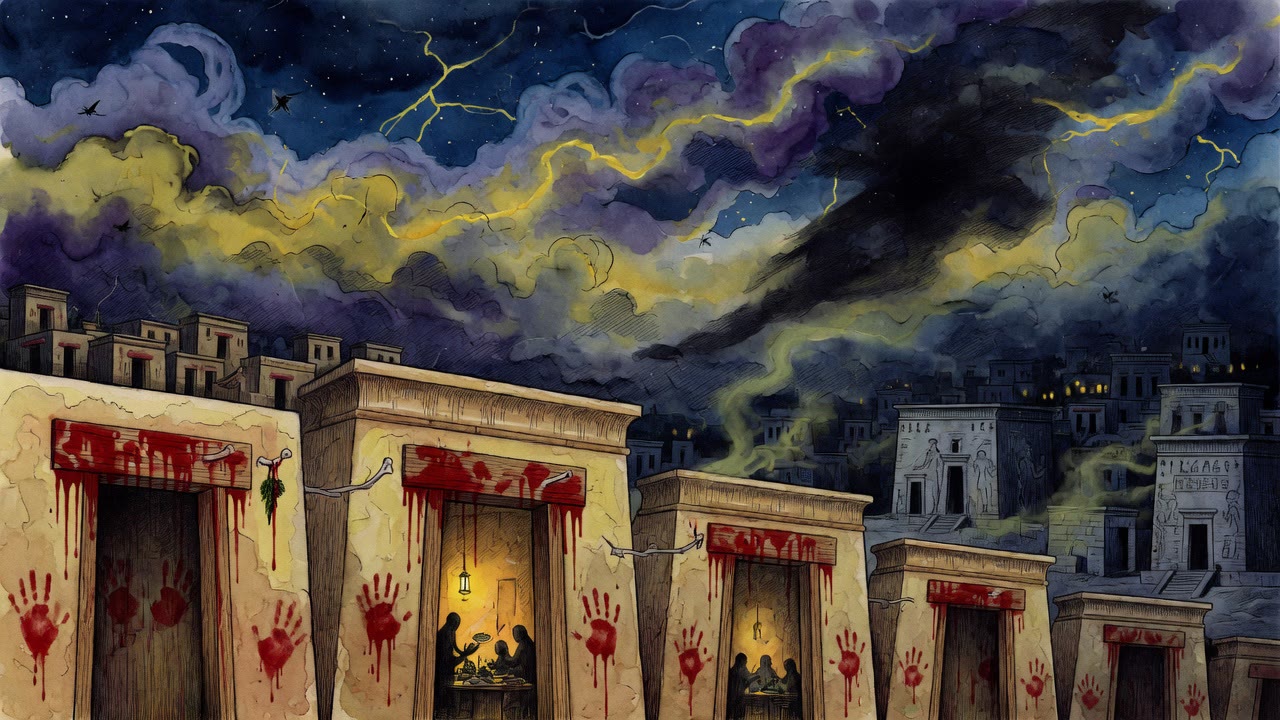
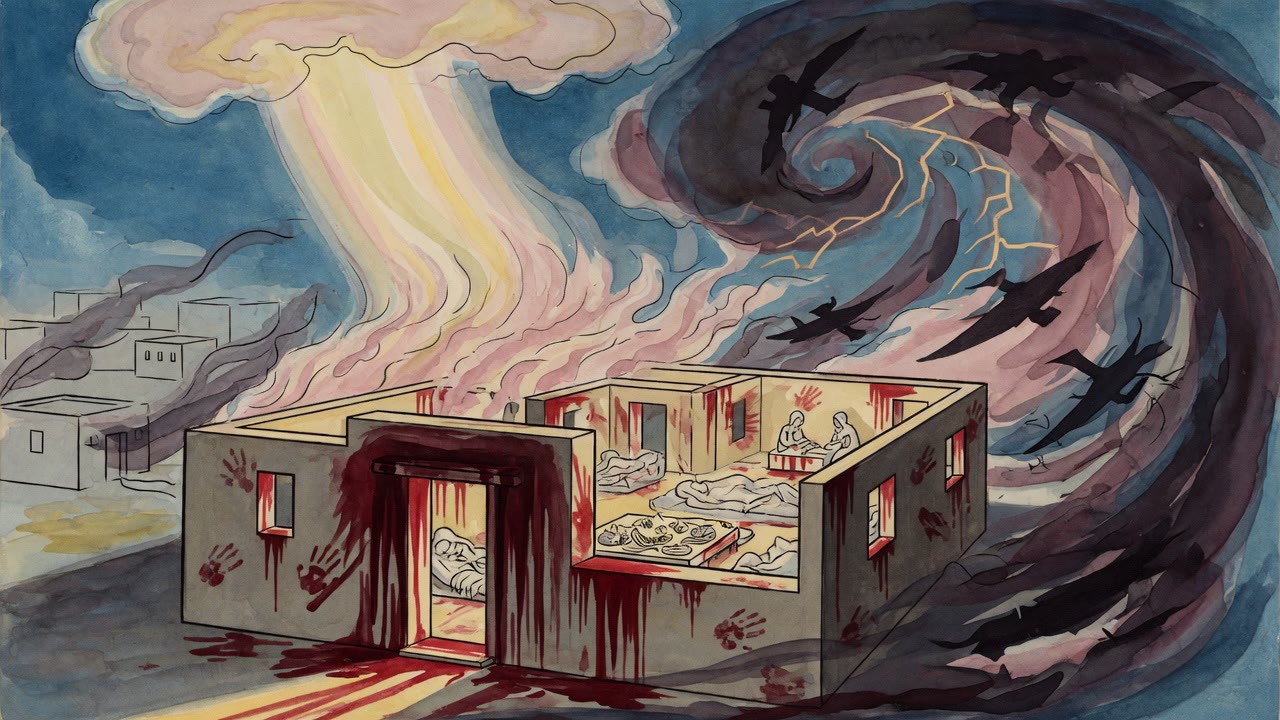
Midnight arrived like a second commandment. In Eliezer's line, what still clung to bones met flame. Children who had fallen asleep on mats woke to the smell of burning meat that was not the first roasting. Adults scraped plates with a seriousness that had nothing to do with thrift. This was memory with teeth. Egypt's doorposts once took blood. Now Jerusalem's night took leftovers into fire so no Israelite would carry yesterday's redemption into a common breakfast.
A man who tried to save a portion "for later" learned that later is how holiness leaks. The Exodus was not a buffet. It was a departure on a clock. Someone fed the fire and watched fat catch. Someone else recited what the hour meant. The city held thousands of small fires of the same idea.
Morning and the Road Home
"You shall betake yourselves in the morning and go to your tents." The midrash hears an overnight stay in the holy city. You do not finish the meat and vanish into the hills before dawn as if the festival were a market errand. Even wood, frankincense, wine, and meal-offerings lean on that morning departure. All your "betakings" begin from morning on, a discipline of presence before a discipline of travel.
Pesach Sheni, the second chance in another month, sparks argument. Does it demand the same sleepover? One voice excludes it from the six-day frame that requires remaining overnight. Sages refuse to make the second Pesach cheaper than wood and frankincense. Either way, the first Pesach binds bodies to the city through the dark. Sleeping near the sanctuary is part of the offering's story, not a hotel convenience.
Pieces Returned to Heat
If pieces fell from the oven, Yehudah said, handle them so cooking remains whole in sense under the command, not scrap by scrap in a way that breaks the rite. Yossi drew Sabbath lines around the handling when the calendar pressed rest against festival labor. The meal was full of small laws because the night was full of large memory. A people that left in haste still eats with precision when free.
When morning finally came, tents and homes took them back along roads that had been packed with pilgrims the day before. The fire of midnight had already closed the story of the meat. What remained was the taste of bitter and matzah and the knowledge that freedom once moved on an hour that still governs how long roast may sit on a plate before it becomes a different kind of disobedience.
Behind them the court stones cooled. Ahead of them ordinary life waited. Between the two, midnight had burned what morning was not allowed to see. A child asked why fire ate good meat. A father answered that free people still obey the hour that freed them, even when the meat is tender and the bed is far.
← All myths