Two Princes Wept at the Wall and Cut the Covenant
The verse would not stay ink. Each brother found a knife alone. Their mother told the king a doctor had ordered a mole removed.
Table of Contents
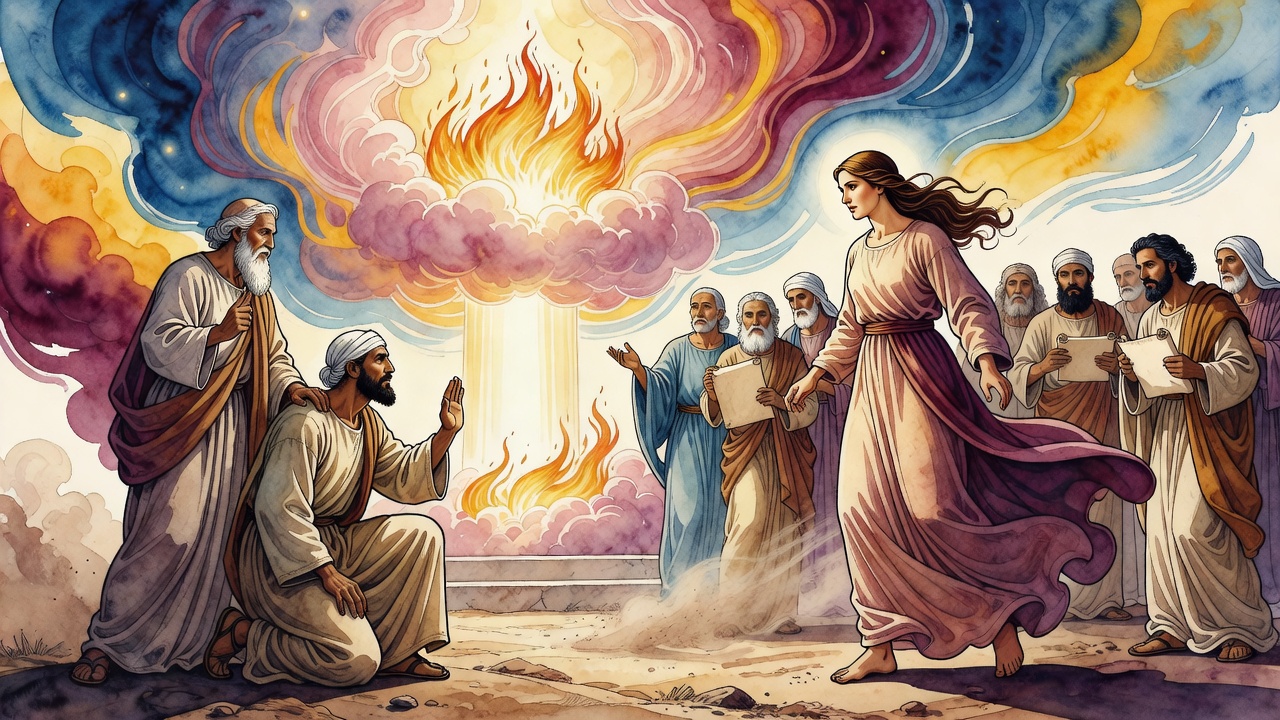
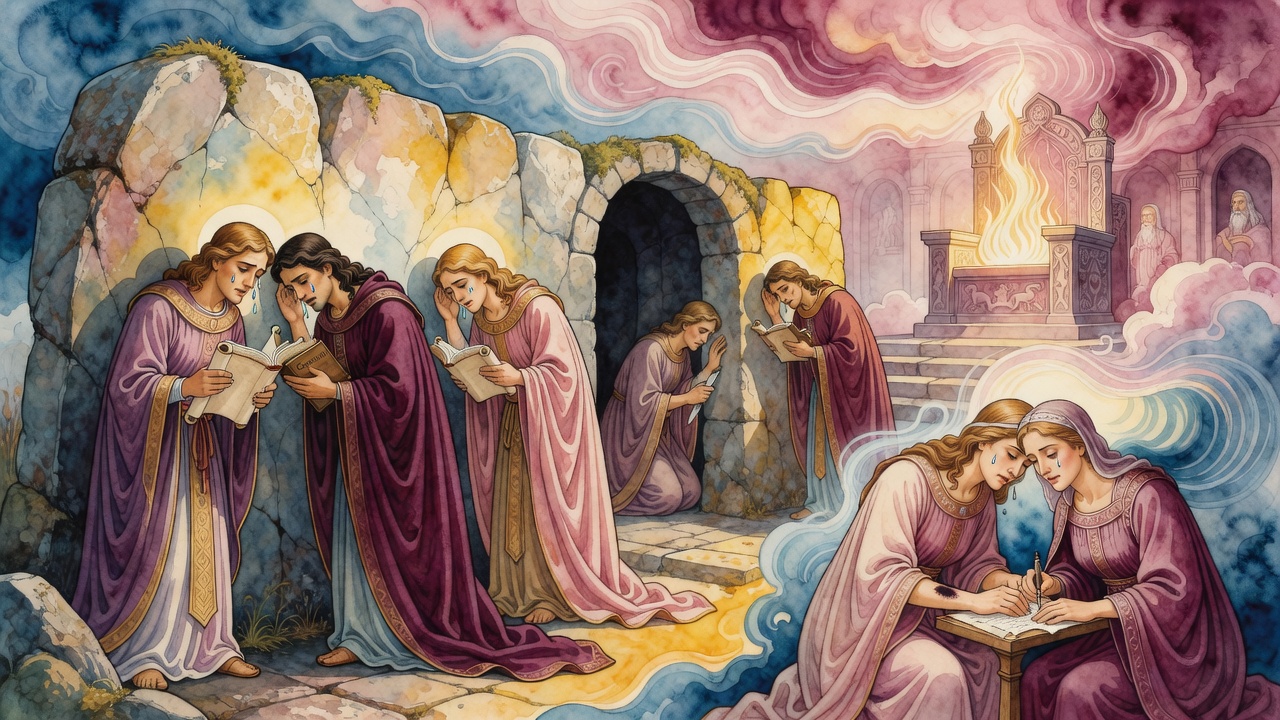
The scroll lay open on a low table between two royal brothers. Lamp oil smoked. Somewhere in the palace a servant dropped a tray and the sound died in the thick walls. Monabaz and Izates, sons of King Ptolemy, had reached the verse that leaves no soft exit. "You shall circumcise the flesh of your foreskin and it shall be a mark of a covenant between Me and you" (Genesis 17:11).
 Click for full size
Two Faces Against Two Walls
One brother turned his face to the wall and began to weep. The other turned to the opposite wall and wept without looking across. Neither asked permission. Neither joked the command into philosophy. The mark hung from the body like a mole that does not belong. Tears ran into the plaster.
The Hebrew word on the page, nemaltem (נמלתם), "you shall circumcise," sat there like a doctor's order. Cut off what is hanging. The brothers did not parse it. They cried into stone because a sentence had reached their bodies.
Each Found a Knife Alone
Each brother left the room alone. Each found a blade and a quiet corner and completed the covenant without a witness who could brag in the market. Pain folded them double. Blood marked linen they would hide. When they returned to ordinary meals and ordinary bows before their father, nothing in the hall announced that two heirs had entered a people their crown did not yet name.
Days later they sat again with Genesis. The same verse rose. One said, "Woe unto you, my brother." The other answered, "Woe unto you, there is no woe for me." Neither yet knew the other had already cut. The woe was pity aimed at an unmarked body. The refusal of woe was a man already sealed who would not pretend regret.
Confession came only when the double game grew too heavy. They told each other. The shared secret thickened into a pact harder than the walls they had cried against.
A Mole Grew, the Queen Said
Their mother learned. A queen who wants her sons alive under a king who did not order this cut must invent a story the throne can swallow. She went to Ptolemy with a doctor's tale. A mole had grown on the boys' flesh. The physician had ordered it removed. Circumcision was the cure, not the covenant.
The king, hearing disease and not Sinai, agreed. "Let them be circumcised." The brothers kept their mark. The palace kept its fiction. Heaven kept the truth the walls had already seen.
Do Not Return My Son There
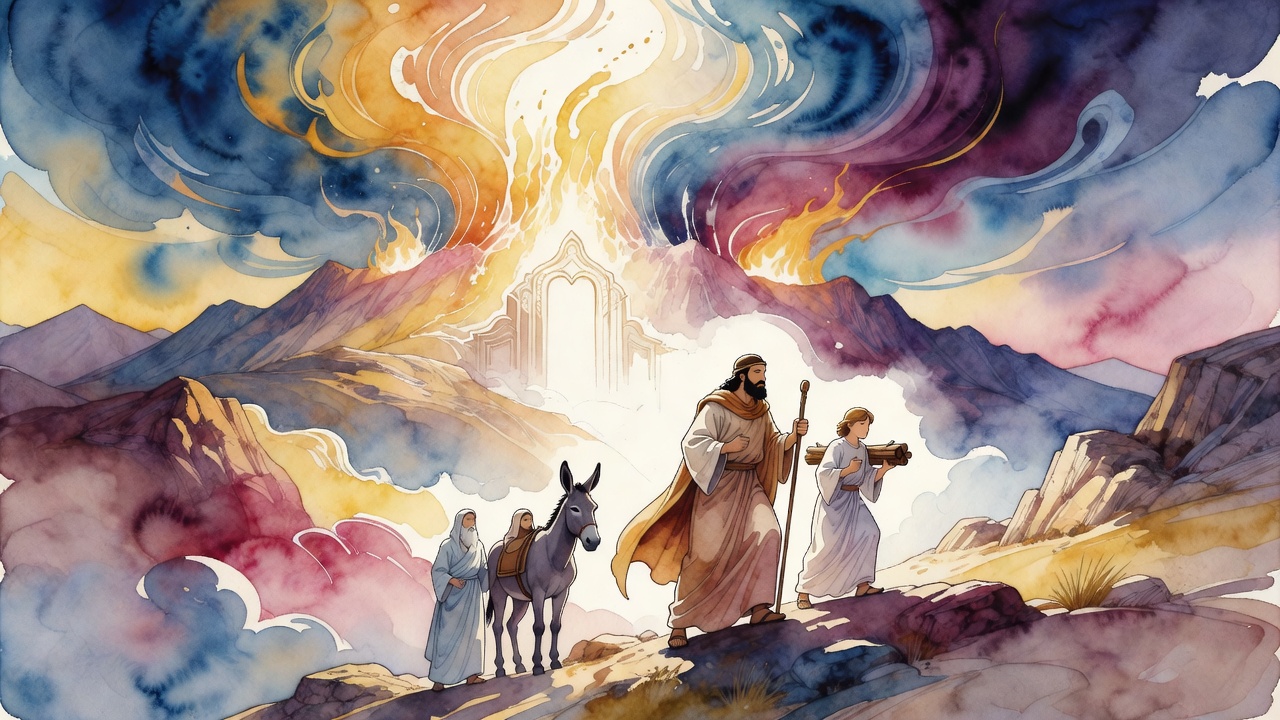
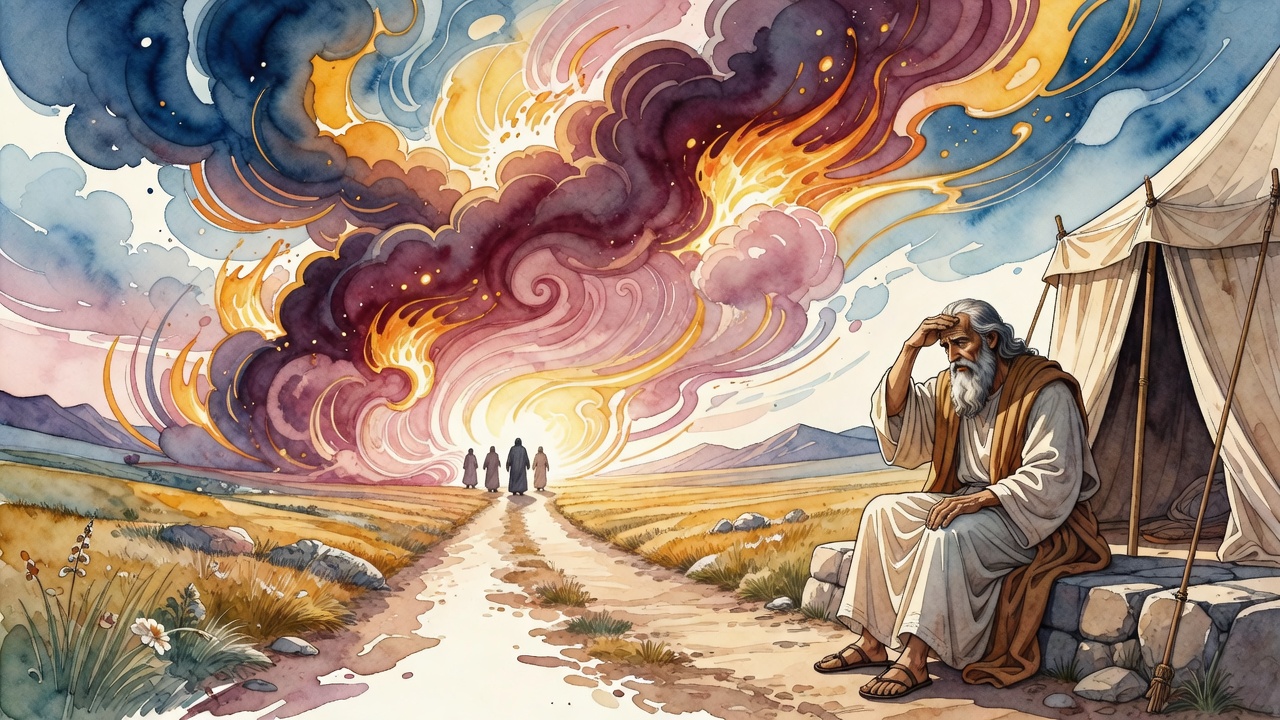
Long before those tears, another man had drawn a harder line around the same marked people. Abraham sent his servant Eliezer north to find a wife for Isaac, and he bound the mission with a ban that left no loophole. "Beware lest you return my son there" (Genesis 24:6). Not for a wedding. Not for a funeral. Not for a homesick season. Isaac was not to be walked back into the land Abraham had been torn from.
The Lord, God of the heavens, had taken him from his father's house and from his birthplace. The oath had been cut in Haran. Speech had come between the pieces when animals lay divided and a smoking firepot passed. The land was promised to the seed. "He will send His angel before you," Abraham said, and at that moment the Holy One designated two messengers: one to bring out Rebecca, one to accompany Eliezer. Fail the bride search if you must. Do not put Isaac back among the old gods and the old uncles.
Eliezer ran the camels. He prayed at the well. He watched for a woman who would water strangers without being asked. When Rebecca lowered the jar, the ban on Isaac's return stayed intact. The bride would move toward the land. The son of the promise would not move backward into exile-as-home.
An Angel Broke the Ambush
In Ptolemy's palace the mole story held long enough for the boys to heal. A king can be kind without understanding. A mother can lie to keep a covenant alive under a roof that would call it treason. The brothers ate at their father's table with a silence between them that no court poet could set to music.
How did Heaven repay the king who had said yes to a doctor's tale? When Ptolemy went out to war, his enemies laid an ambush. An angel descended and pulled him out of it. The father who had permitted a cut he did not understand walked home alive. The sons stayed marked under a fiction. Isaac stayed in the land.
No trumpet announced either cut. Abraham's household heard camels return with a bride and no Isaac in the saddle. The royal brothers heard only their own breathing against plaster. The flesh of the foreskin remained a sign between the One who spoke and the body that answers, with no soft road back to the life that existed before the knife.
← All myths