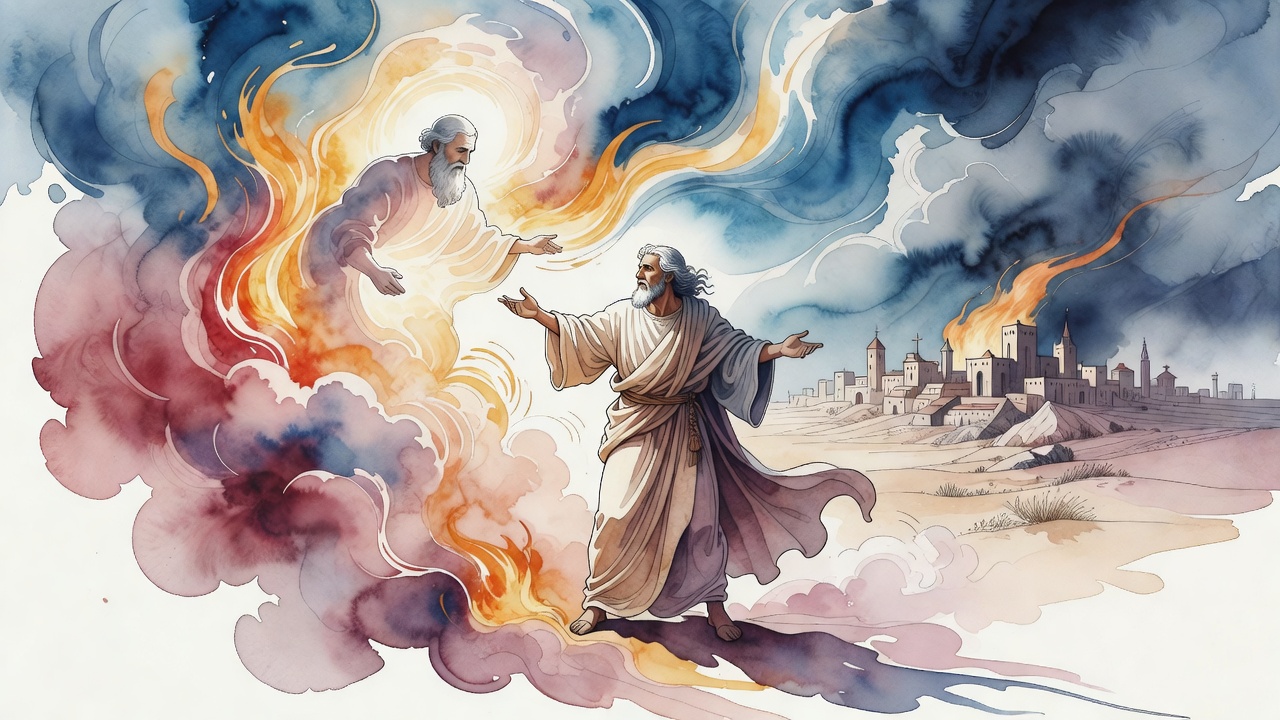
When Bile Rose as the Angel of Death's Sword
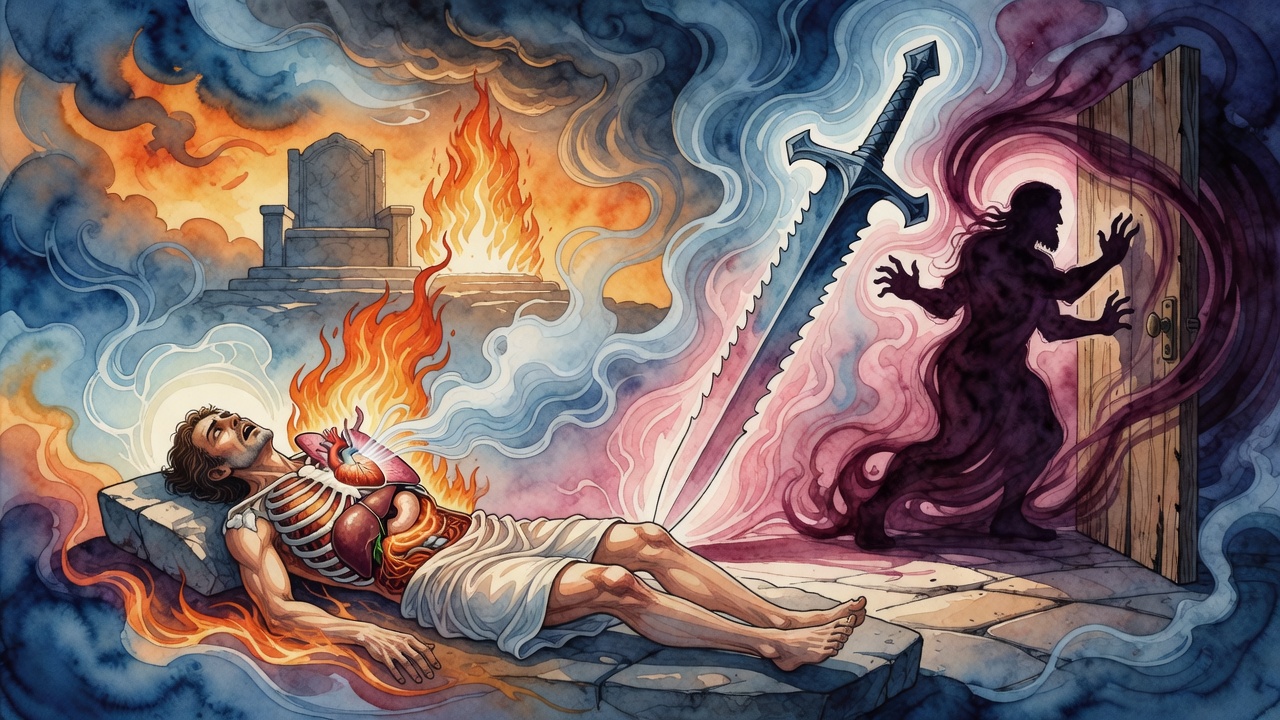
A dying man's liver lifts fire toward his heart while lungs beat cool air. Bitter marah becomes a sword, and pain-shaped prayer holds the door.
Table of Contents
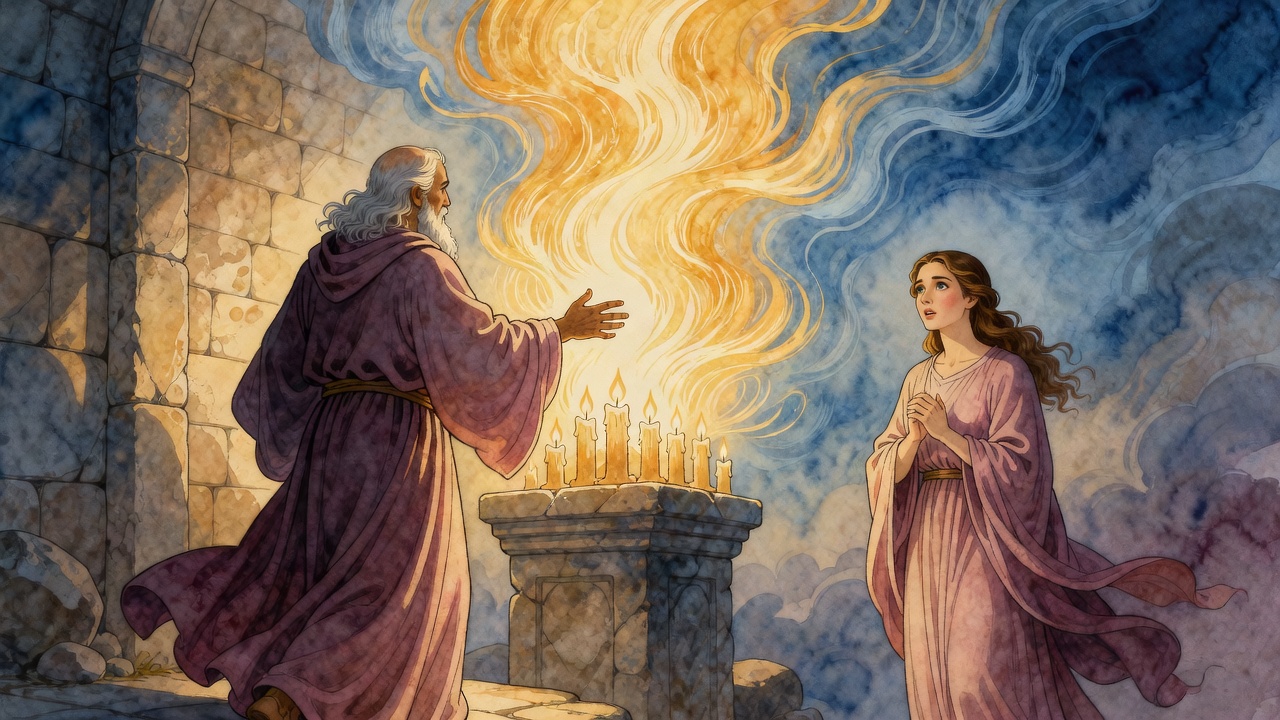
The man woke with a taste of metal under his tongue. Heat climbed the right side of his ribs, a slow blade sharpening itself against the liver. His hand found the place and pressed. The pain did not soften. It named itself in a language older than speech: marah, bitterness, rising through ducts that were supposed to serve digestion, not judgment.
 Click for full size
Beside the bed his wife wrung a cloth in cool water. "Breathe," she said. He tried. The lungs answered first, two soft wings beating down on the fire so the heart would not burn through. Each inhale was a small victory. Each exhale left room for the next fear.
Outside, the alley roosters had not yet begun. The hour belonged to private wars.
Fire of the Liver, Wings of the Lung
Inside the body a contest ran without witnesses. The liver raised flame toward the heart the way a furnace raises heat toward a rafter. If nothing cooled it, the heart would be consumed, and the whole house of flesh would fall with it. The old teaching does not flatter anatomy. It maps organs onto a battlefield where life and death share plumbing.
The lungs worked. In and out, in and out, they blew across the fire. In that teaching the entrails coil like a sea-beast, a private Leviathan of fat and hunger, impure in its appetite yet necessary for a living gut. The lungs are the mercy built into the chest. Without their breath the heart would blacken. With them, a man can still choose a word while pain tries to choose for him.
He chose a word. Not a bargain. A name.
"Master of the world," he whispered, "I am still here. Do not let bitterness finish the sentence."
His wife set the cloth on his brow and did not pretend the fever was ordinary. She had seen ordinary. This had a different temperature.
Marah as Sword
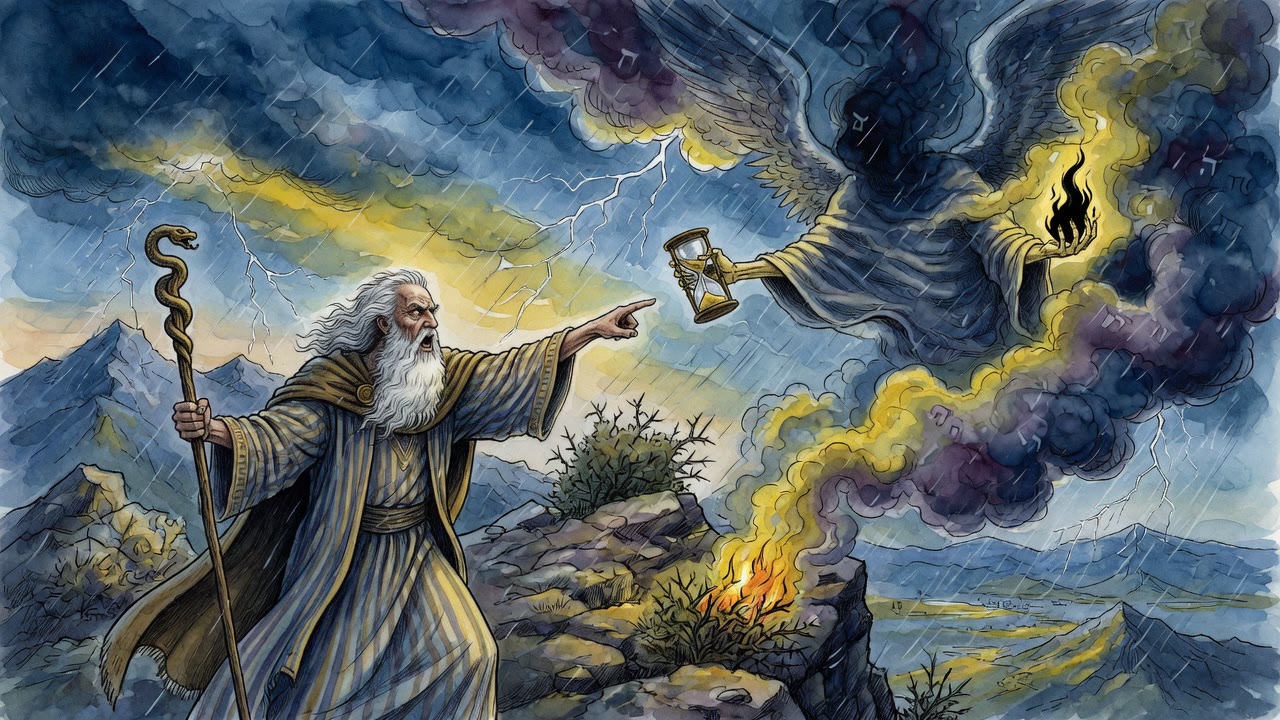
Bitterness is not only a flavor. In the chambers where angels keep their tools, marah is edged. Isaac once told Esau he would live by the sword (Genesis 27:40). Elsewhere bitterness is sharp as a two-edged blade (Proverbs 5:4). The gall bladder stores that edge and cries, like the leech's daughters, "Give! Give!" (Proverbs 30:15). Appetite without measure is already halfway to a weapon.
The Angel of Death does not always arrive with a foreign story's costume. Sometimes he comes with what the body already carries: bile that is life for the liver, as the sages noted, and poison for the heart if it floods the wrong chamber. The man felt that double truth in his own side. What digests the world can also kill it. The same fluid that helps a meal become strength can become the sword that ends the eater.
He thought of men who live by edges: sharp speech, sharp deals, sharp contempt. Esau's blessing had always sounded like survival. Tonight it sounded like a diagnosis.
"Do not give it your fear," his wife said. "Give it a prayer."
Prayer That Counts as Sacrifice
He could not stand. He could not bring a lamb to any courtyard. He could only hurt and speak. In the high teaching, prayer offered while a person is being killed all the day long, counted as flock for the slaughter (Psalm 44:23), rises like offerings arranged on an altar (Exodus 20:24). The mouth becomes a sanctuary when the legs cannot walk to one. Suffering does not automatically sanctify; directed suffering can.
So he prayed the way a wounded animal still turns toward water. Short sentences. No polish. Each breath a wing-beat against the liver's fire. The room smelled of vinegar and night oil. Outside, a dog barked once and went quiet, as if even the street had decided not to argue with the hour.
He remembered men who eat like beasts of the field, never lifting a blessing over bread. He did not want to die that way. He wanted the last act of his mouth to be directed, not empty. Man and beast You will save (Psalm 36:7). He said the line until it stopped sounding like literature and started sounding like a rope.
His wife joined under her breath. Two voices, one pain, no audience but the One who needs none.
Wings That Cover Blood
Somewhere above the plaster ceiling, the teaching says, the Shekhinah (God's indwelling presence) spreads wings of precept over blood so brazen dogs of destruction cannot claim dominion, so prosecutors of sin cannot read every stain as a finished verdict. Dust covers what must be covered. Mercy examines the signs of suffering and does not treat the afflicted as already lost. People who endure hardship and still do not abandon the commandments are not filed with beasts, even when their bodies howl like beasts.
He was dust and he knew it. He asked for covering, not for a lecture. He asked that the bitterness in his side not be allowed to finish its work as a sword before its time. He asked that whatever blood his life had spilled in small cruelties be hidden under wings long enough for repair to begin.
The night stretched. Once he thought he heard metal slide from a sheath that was not in the room. He answered with another name of God, cracked and plain.
What the Morning Found
By first light the fire in the liver had stepped back. Not gone. Contained. The lungs had won a night's work. The man sat up on one elbow and drank a little water that did not taste of metal.
"You stayed," he told his wife.
"I stayed and you prayed," she said. "Both were needed. Neither was heroic.
He did not claim a miracle for the marketplace. He claimed a body that had almost become a pure battlefield and had instead become an altar for a few hours. Bile still lived in him, necessary and dangerous. The Angel of Death still owned a sword somewhere in the order of things.
He stood carefully. He put on his outer garment and went to say the morning blessings while he still had a mouth that could shape them. On the way he passed the water jar and washed as if washing could teach the liver manners.
← All myths