David Lost Six Months When Absalom Seized the Crown
Scripture gives David forty years of rule, then six extra months. The sages said the missing half year was flight, grief, and a crown hanging in the air.
Table of Contents
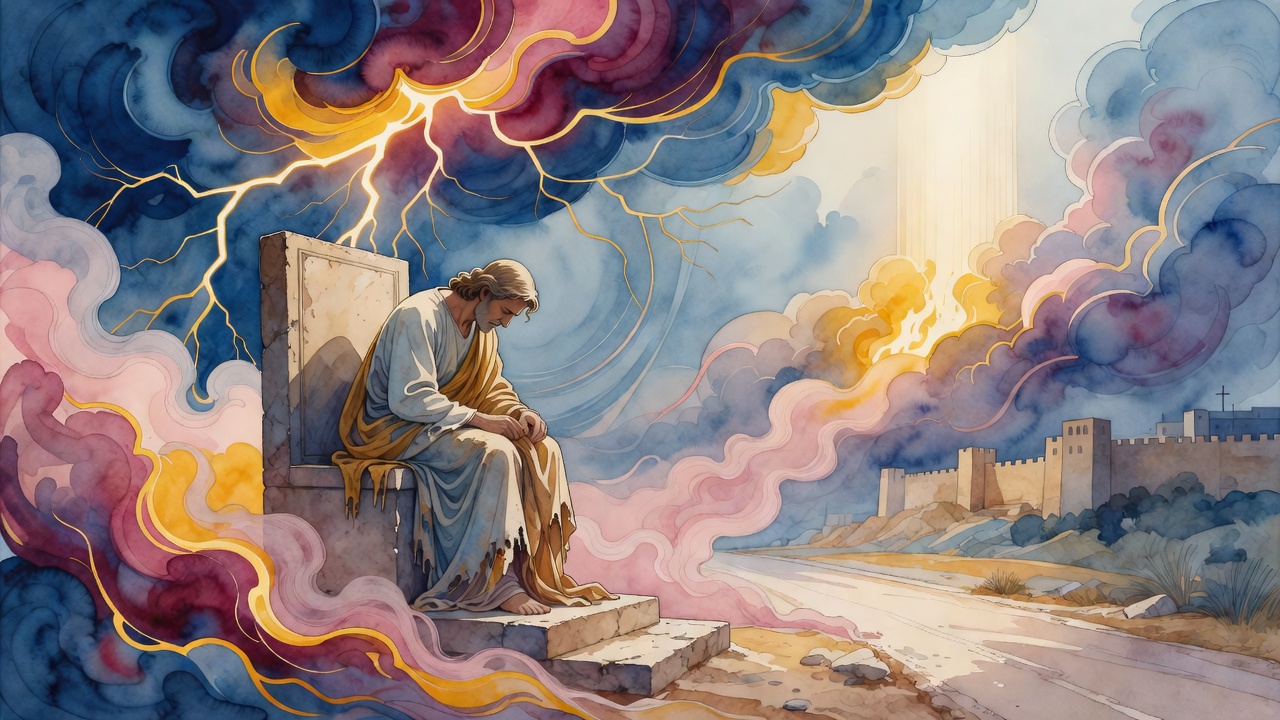
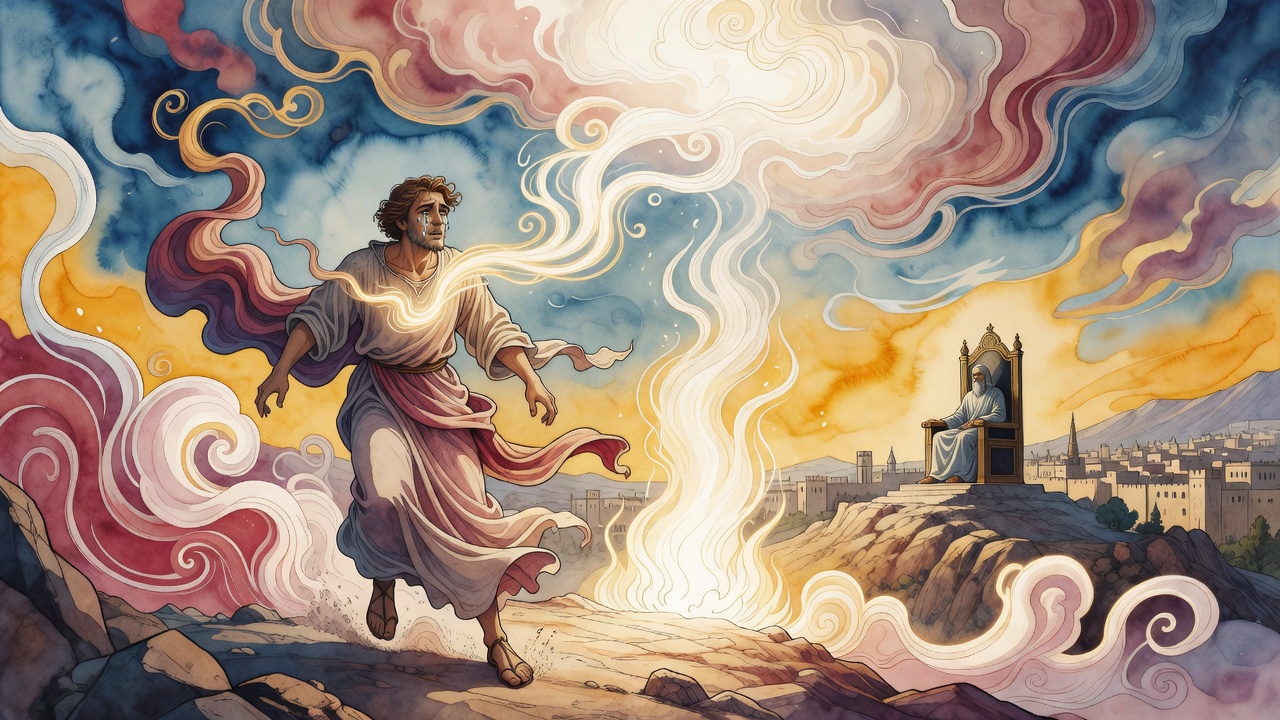
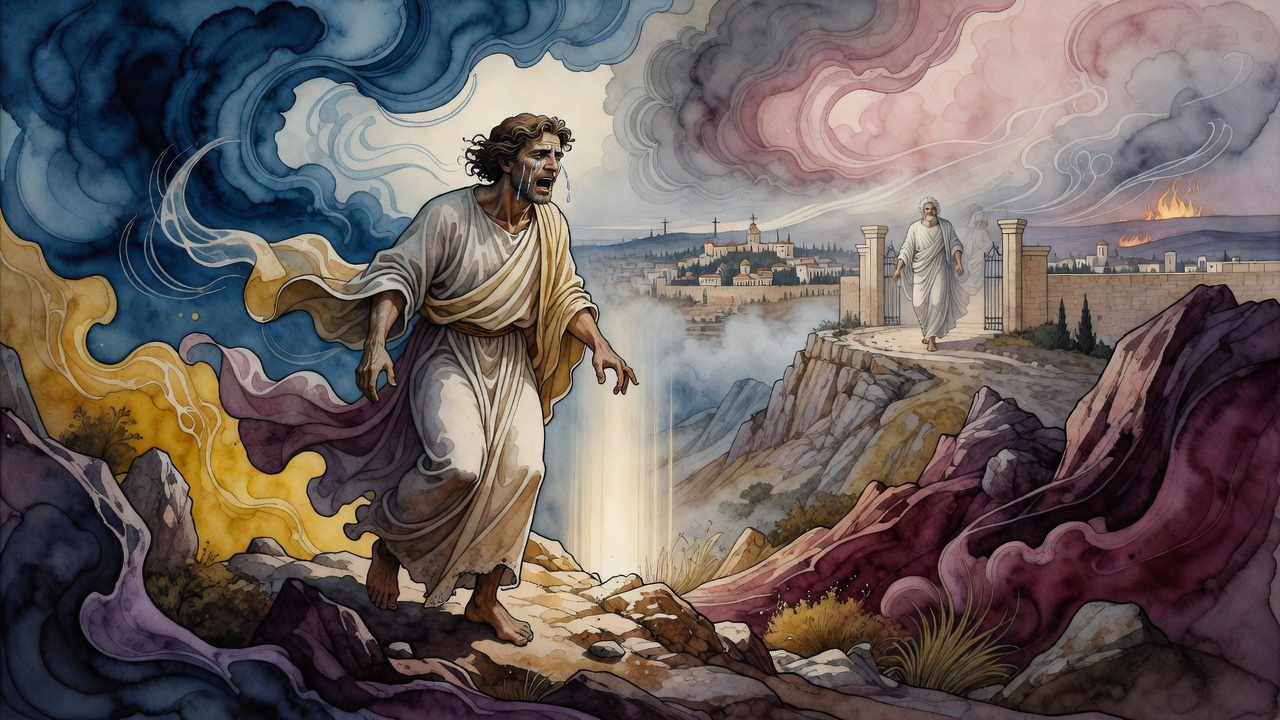
David ran barefoot on the Mount of Olives while his son Absalom took the city. Dust stuck to the king's tears. The crown that had sat heavy on his head now felt like something that belonged to another man, a man still living inside the walls with a stolen name.
 Click for full size
Later the scribes would write that he reigned forty years. The numbers would not sit still under their pens.
Seven Years and a Half That Would Not Add
Seven years and six months in Hebron. Thirty-three years in Jerusalem. Add them and the total overshoots the forty named in the book of Kings (1 Kings 2:11). The extra half year hung over the page like a debt no treasurer could clear.
Some said those six months were deficient days that Scripture rounded up to honor Jerusalem, as if the holy city refused a broken count. Others said when Yoav lingered half a year in Edom, the campaign months never entered the royal total, swallowed by a larger reckoning. Rabbi Yudan taught a harder answer. All the months David fled before Absalom never counted toward his reign. In that bitter season his kingship was suspended. He walked like a common man among common men and found atonement the way a common man does, with a goat for a guilt offering and no throne behind him.
The Holy One had promised, "When your days are fulfilled" (2 Samuel 7:12). Full days, not broken ones. Even so, the broken months were real under David's feet. He felt every night that did not count, every dawn that refused to wear the royal seal.
A king can lose a battle and keep his years. David lost the years themselves while the battle still moved.
Glory Turned Into a Sneer
In the camps of his enemies the name "David" thinned out like smoke. They said "son of Jesse" as if the crown had never found him, as if Bethlehem had never sent a boy with a sling. Doeg and Ahitophel, called "sons of man" with the old patriarchal honor still clinging to the word man, turned his glory into shame for sport.
That title "sons of man" was no insult. Abraham was called a man. Isaac was called a man. Jacob was called a plain man. Even David's tormentors carried a name of honor while they stripped honor from him. The wound cut deeper for that. Enemies who still bore the language of the fathers used it to erase the son who sang before the ark.
David answered from the low ground. You think the kingship is gone because it was torn away for an hour. Nathan had already spoken forgiveness over the worst of his sin. A momentary loss is not a permanent verdict from heaven. The same cry later rose against the nations who spat in the Temple and imagined the Presence had left the house forever. Withdrawal for an hour is not abandonment. Storm-tossed Jerusalem is still promised comfort.
Still, an hour can last six months when you are the one sleeping outside the walls with your feet cut by stone.
What a King May Offer
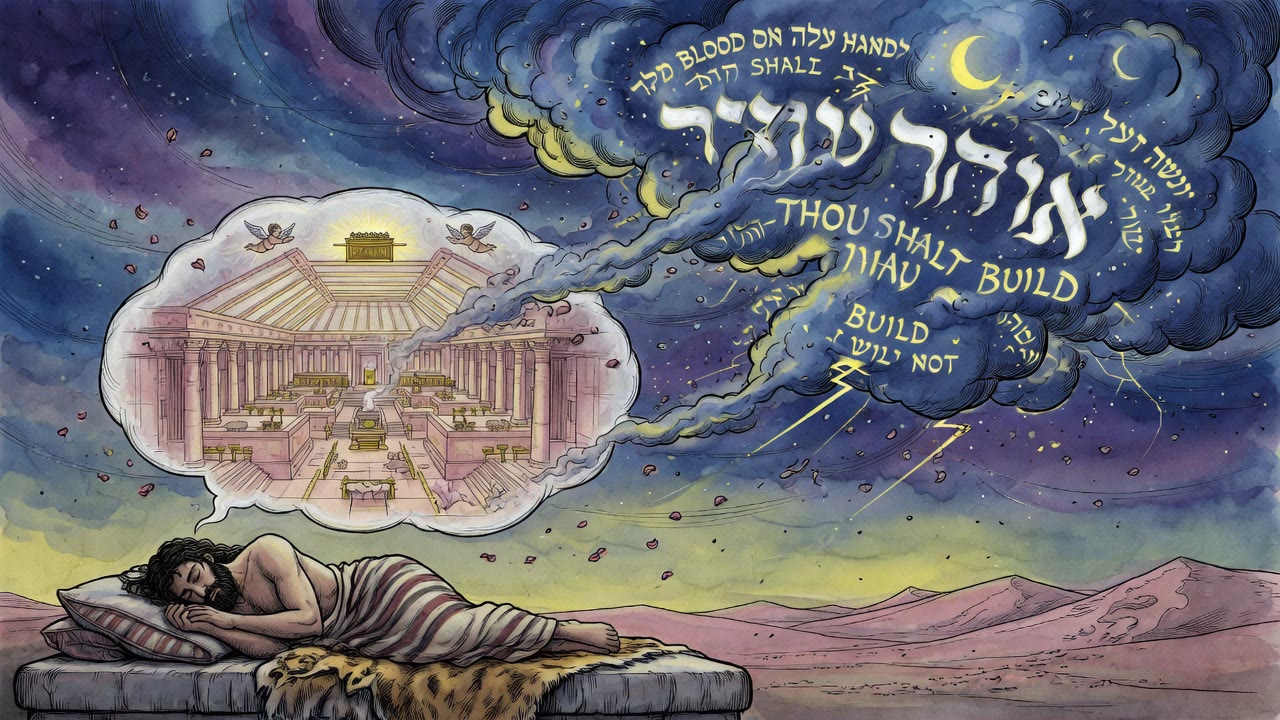
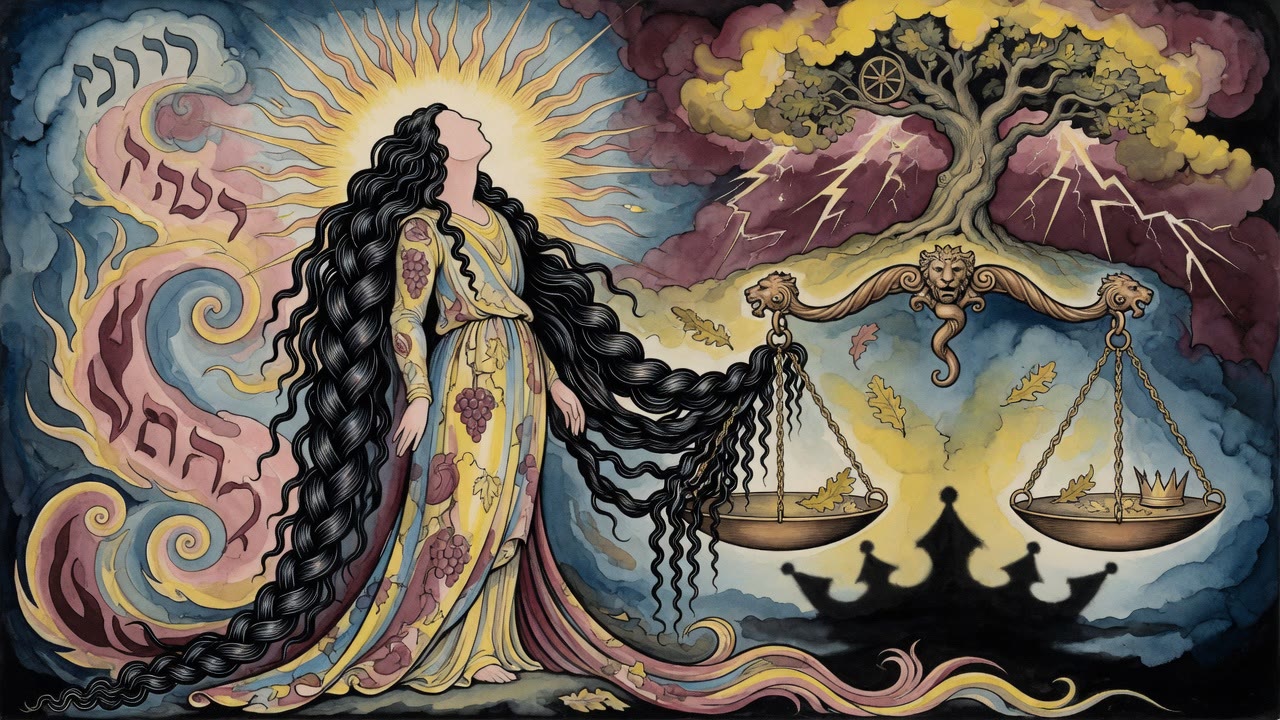
Long before crowns, Adam brought offerings that belonged only to him. Nothing stolen, nothing forced from another hand. When a later man brought a sacrifice, heaven asked whether the gift was clean in its origin. "When a man among you sacrifices" (Leviticus 1:2) was heard as a demand that the offering be like Adam's, fully owned.
David learned that lesson in the dust. The throne itself could not be offered back to God if it was held by a son's ambition or by a father's unrepented crack in the house. He would not buy back the days with silver alone. He wanted the full days God had promised, days that did not carry another man's blood on the threshold or another woman's stolen hour in the night.
A king who steals to feed the altar feeds nothing. A king who runs because his house is broken may yet learn what belongs to him and what never did.
The Crown Settles Again
Absalom hung in the oak, hair and pride tangled together. The messengers came running across the plain. David covered his face and cried for the boy who had tried to wear his name. The victory feast died in his throat. Only after the grief did the city open again, gate by gate, as if unsure whether to welcome a father or a ruler.
The chroniclers kept the forty years for the public record. The midrash kept the missing half year as a scar on the count, a reminder that rule can pause while a man walks between life and judgment. Jerusalem received him back. The six months never returned to the ledger. They stayed outside, with the footprints on the olive hill and the taste of dust that no cup of wine could wash away.
Full days would come later, if they came at all. First he had to learn how thin a crown feels when your own house chases you from the gate and the scribes still argue how to number the empty months.
← All myths