When God Named Judgment Very Good at Dawn
On the sixth day God calls the world very good, and the sages hear justice inside the praise, while humans and beasts share one end.
Table of Contents
 Click for full size
The Sixth Day Stops for a Look
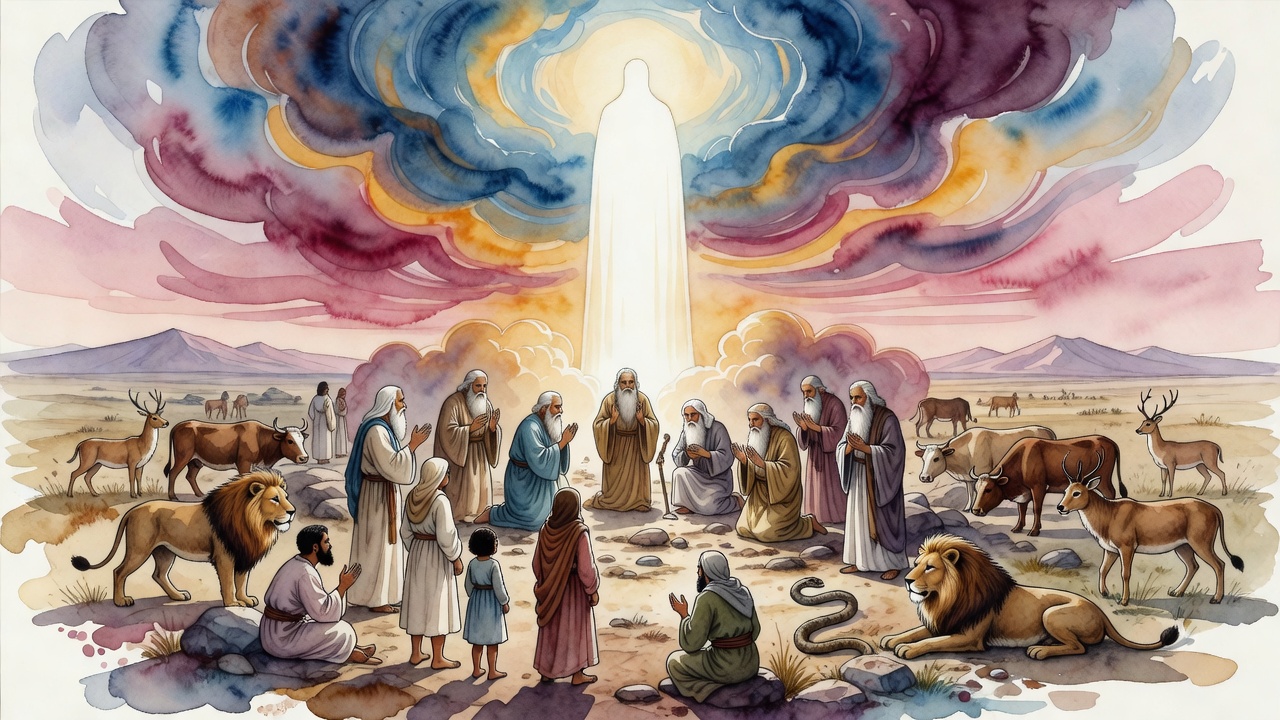
Everything that could stand was standing. Birds had air. Fish had deep water. The ground held seed and beast. Then God looked at the whole and said it was very good (Genesis 1:31). The word was not a soft pat. It was a verdict with weight, spoken after the full inventory of living things had taken its place.
Rabbi Shimon bar Abba refused to leave tov me'od as simple kindness. "Very good," he taught, names the attribute of goodness and also the attribute of strict punishment. Measure belongs inside beauty. Without consequence, praise is only decoration hung on a world that cannot answer back when it is bent.
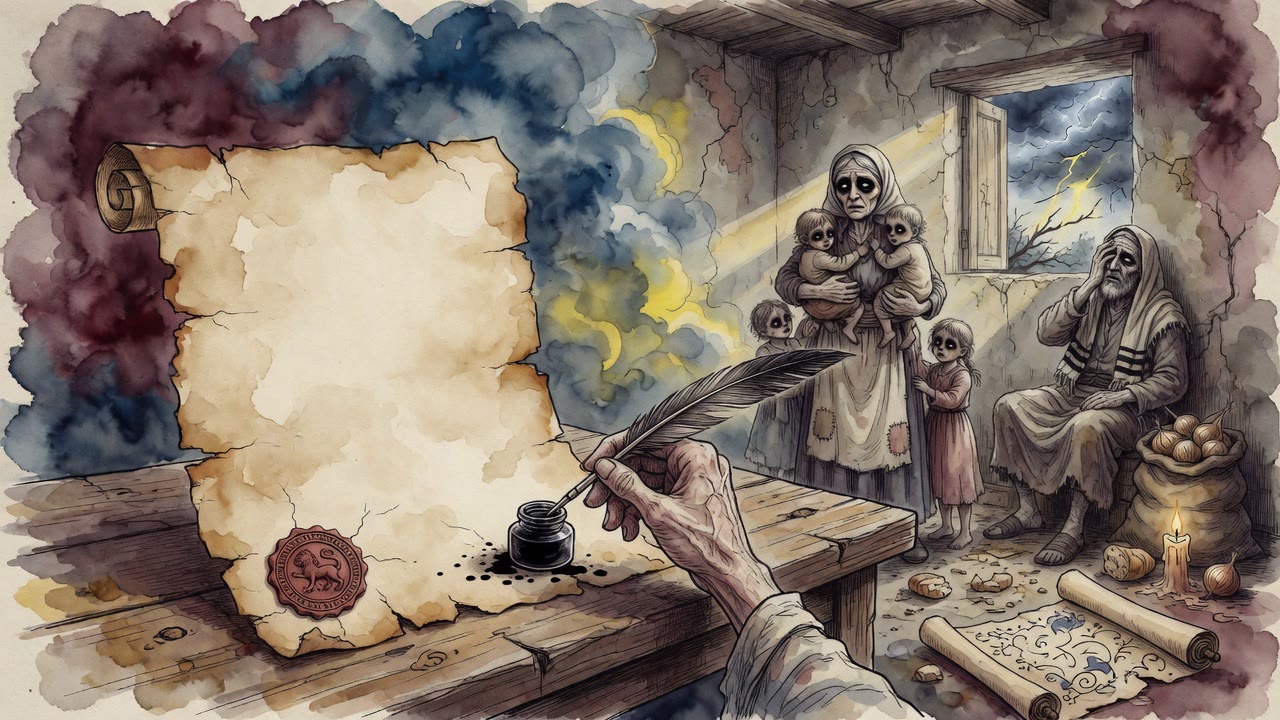
Punishment here is not a gleeful whip. It is careful. God works conscientiously on it so that the one who suffers can still see the line between act and result. Improvement hides inside the sting. The world is called very good because it can correct without dissolving into chaos or cruelty without meaning.
Measure That Outlives Other Measures
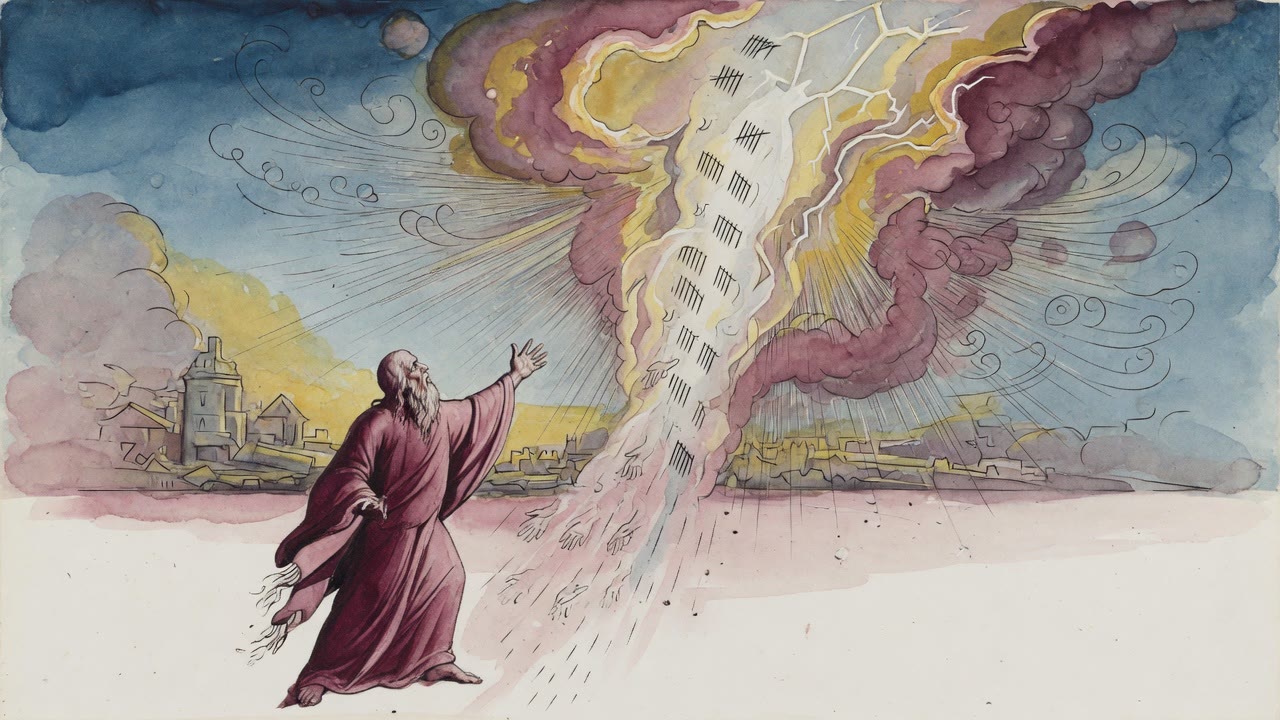
Many of the original tools of creation, the sages say, no longer operate as they first did. One principle remains: measure for measure. What a person puts out returns in kind. The scale that blessed the sixth day still hangs over every later day, quieter than thunder and harder to escape than distance.
Rav Huna and his circle pressed the phrase until it yielded more than mood. "Very good" could mean the full range of ordered life, including death and judgment, because a world without limits cannot stay good. Goodness needs edges the way a cup needs a rim. Spill without a rim is not abundance. It is waste.
So the dawn after creation is not only light on leaves. It is a courtroom that smiles. Mercy and discipline share one sentence. The earth learns both names at once and carries them into harvest, famine, birth, and burial without being allowed to pretend that only sweetness was declared.
One Breath, Two Walkers
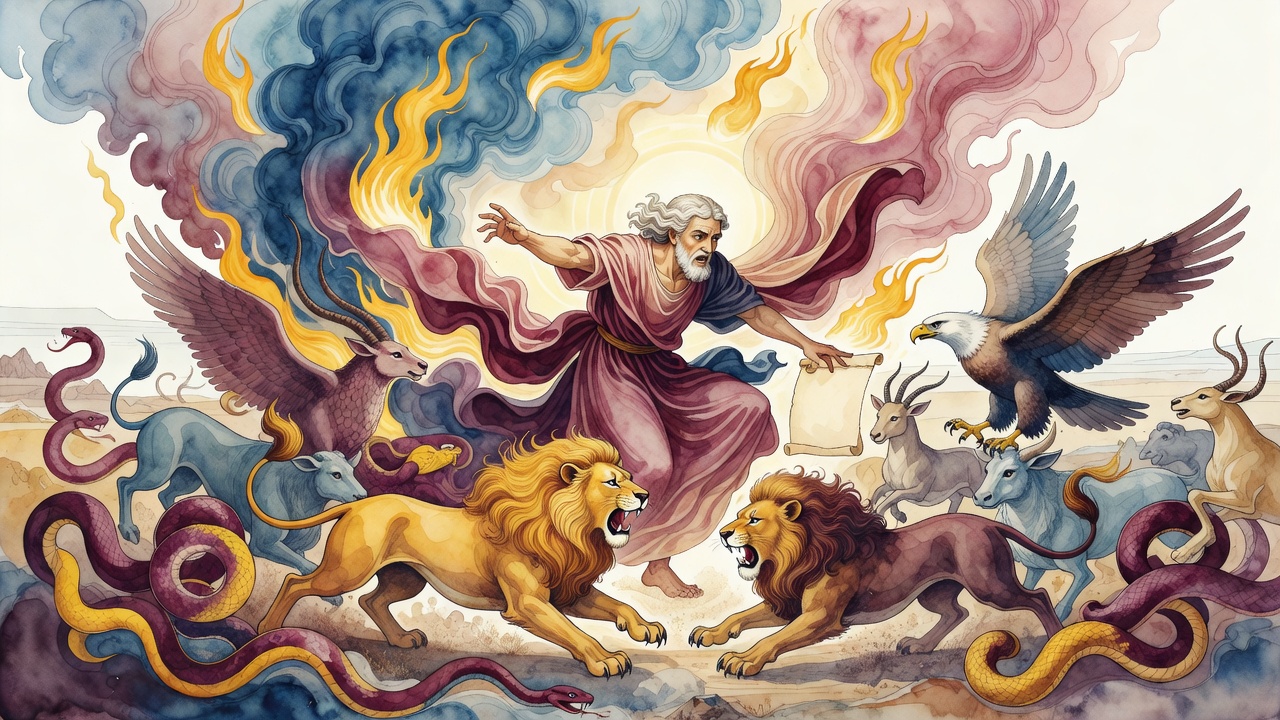
Kohelet hardens the picture. The fate of the sons of man and the fate of the animal look the same; both breathe, both die, and superiority seems to thin into vanity (Ecclesiastes 3:19). The line hurts because it is almost true in the body. Dust does not flatter kings.
The midrash answers without flattery. God points to two eighth days. A boy is circumcised on the eighth day (Leviticus 12:3). An animal becomes fit for offering from the eighth day onward (Leviticus 22:27). Parallel commands touch flesh that walks on two legs and flesh that walks on four. Holiness keeps a calendar for both.
Shared fate is not shared emptiness. Both lives are claimed by law. Both are pulled into sacred time on a schedule that does not wait for human pride to finish its speech. The superiority that vanishes is the boast, not the calling that still distinguishes a life answered by commandment from a life that only grazes.
Creation That Never Stops Creating
In Alexandria, Philo refused to treat creation as a finished bang left behind. God is eternally creating. There was never a time when the divine mind was not active toward the world. Thought does not retire. Providence is not a retired engineer checking in from a distance.
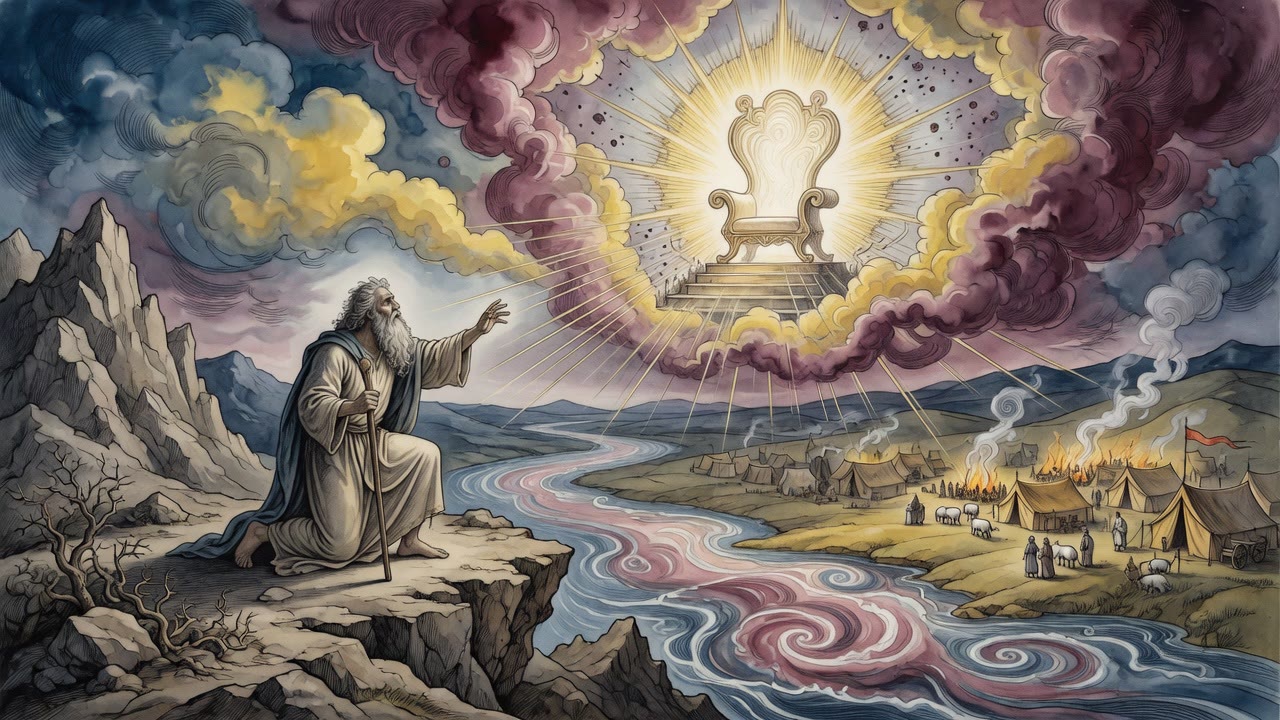
The Logos, divine reason and word, divides the formless and shapes the visible. Time itself is thick with ongoing making. A world called very good is not a museum piece sealed under glass. It is a present tense under pressure, still being held in order while creatures test every seam.
Judgment that is "very good" fits that ongoing work. If God keeps creating, God also keeps ordering. The sixth day's praise is renewed whenever a limit holds and whenever a life is measured without cruelty and without the flattery that pretends no limit was needed.
Dust That Still Answers
A person and a beast both return to dust. That much Kohelet will not let anyone deny. Between birth and that return, the eighth day marks both with command, and the sixth day marks both with a goodness that includes the hard edge of consequence. The shared end does not cancel the shared claim God makes on living breath.
Stand in a field at first light. Cattle breathe. A human hand opens. The same air fills both chests. The difference is not immortality. The difference is whether the measure that was called very good is obeyed or ignored before the shared ending arrives and levels the field again.
God's look on the sixth day still hangs over the grass. Very good means the world can be loved and can be judged. Neither half cancels the other. A person who wants only the soft half of the phrase is asking for a creation that cannot last.
← All myths