Yakim Dismounts the Horse and Chooses Death
A nephew rides to mock his uncle on the road to execution, hears two calm sentences, and steps down into four deaths of atonement.
Table of Contents
The horse was clean. That detail sticks in the throat of the story.
 Click for full size
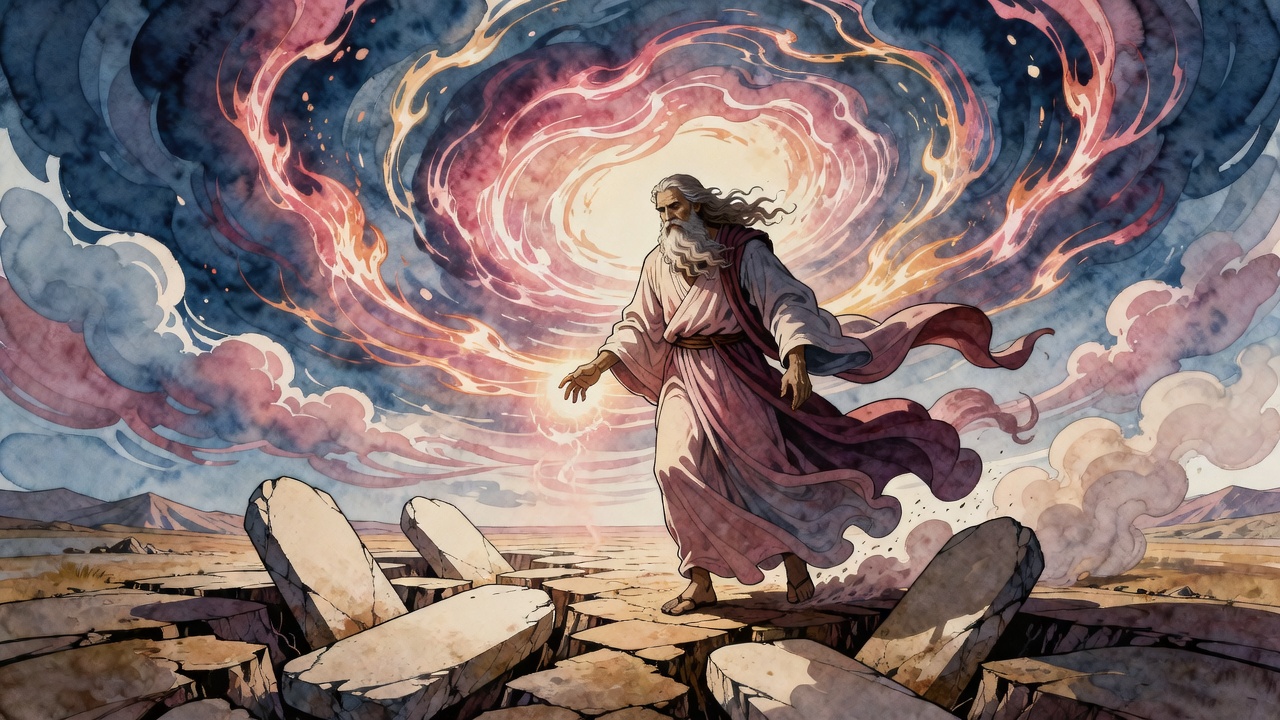
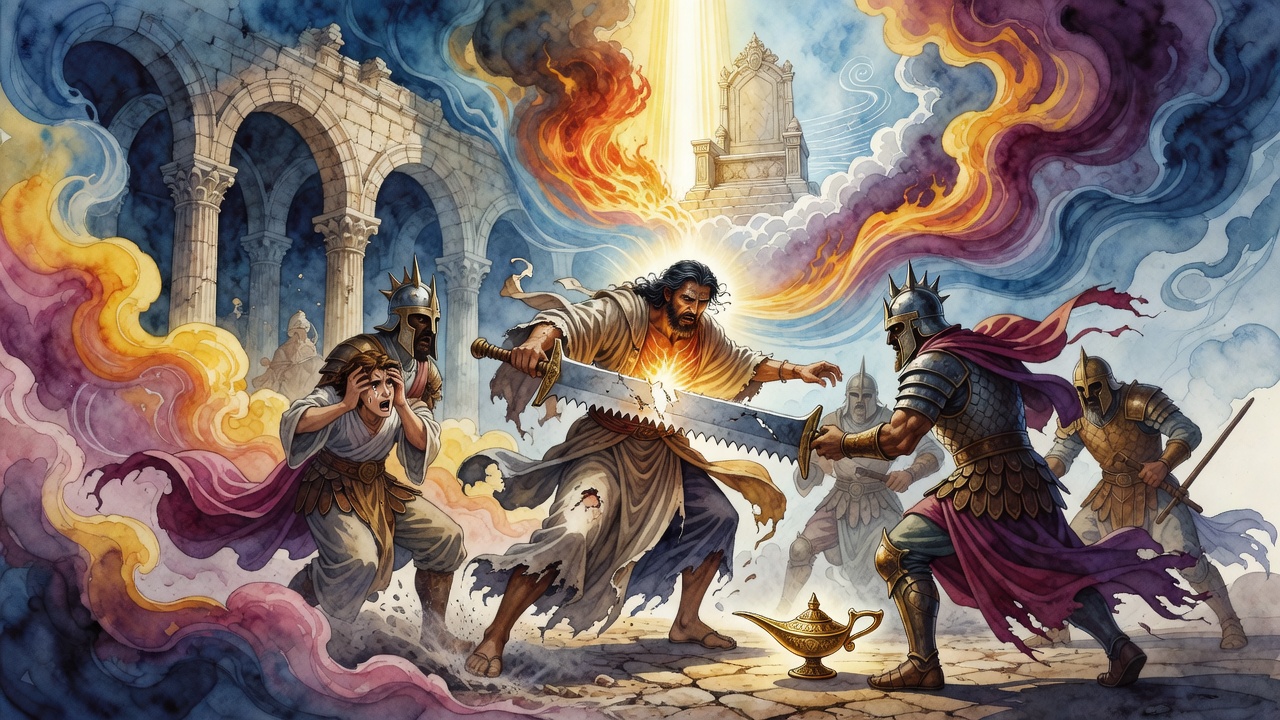
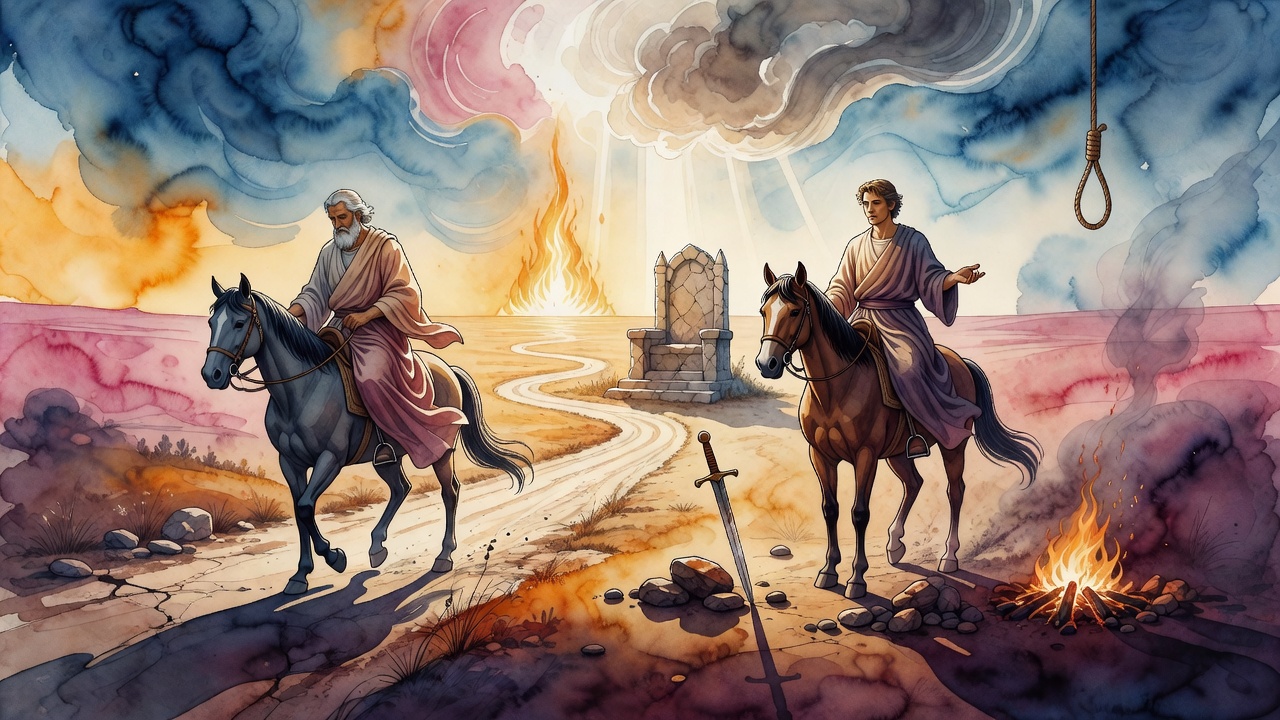
Yose ben Yoezer of Tzeredah walked toward the stake under the persecutions of the Hellenistic kings, one of the earliest sages, a name that stands near the beginning of the chain in Pirkei Avot. His nephew Yakim rode beside him, easy in the saddle, polished by collaboration and comfort. "Behold my horse," Yakim said, "and behold yours," meaning the wood waiting for the old man's body.
Two Answers Without Anger
Yose looked up without rage. "If this is the reward for those who anger God, how much greater will be the reward for those who fear Him?"
Yakim laughed the laugh of a man who thinks history has already ruled. "Has there ever been anyone more God-fearing than you, Uncle? And look at your reward."
Yose answered again, still without hurry. "If this is the treatment given to those who fear Him, how much more severe will be the punishment reserved for those who anger Him?"
The second sentence did what the first alone could not. It turned the horse from a trophy into a short ride toward a longer accounting. The stake became a short agony beside an unending judgment. Something in Yakim broke open. The sneer did not survive contact with a calm math of fear and reward.
Soldiers kept walking. Crowds kept staring. The important motion was not imperial. It was a nephew's hands leaving the reins.
Four Deaths Chosen
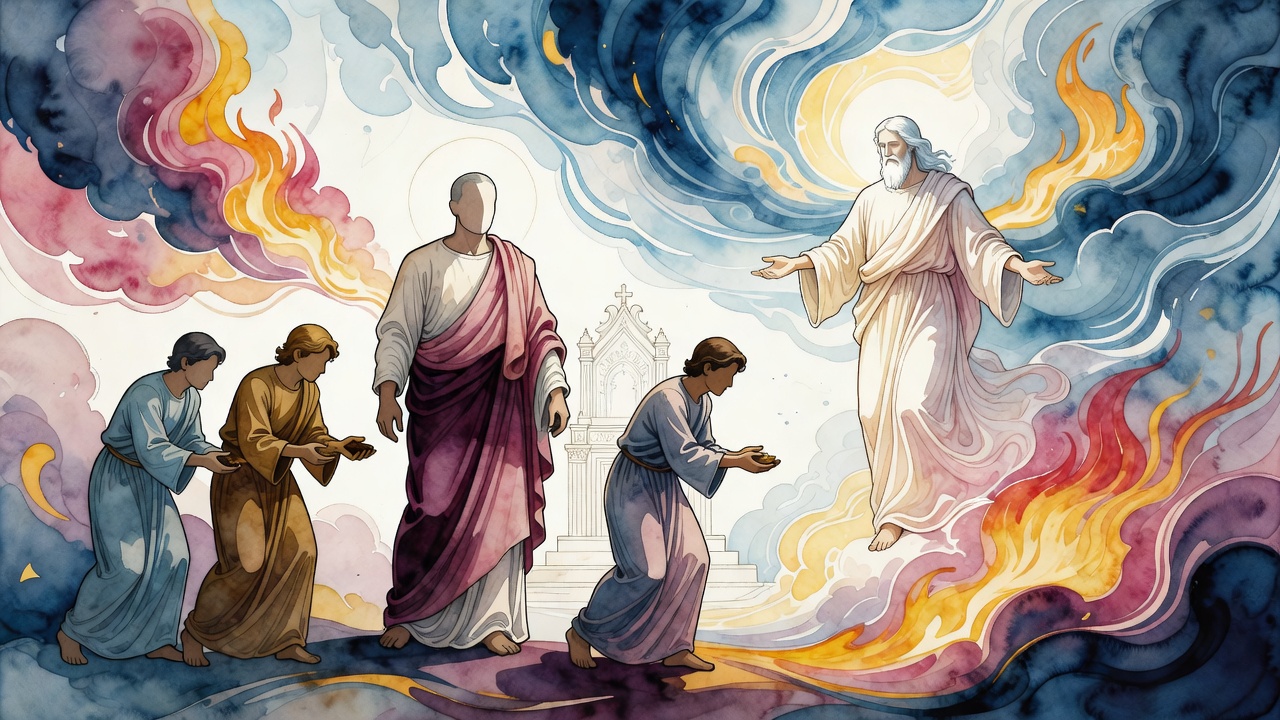
He dismounted. The midrash and the exempla tradition say he accepted upon himself the four deaths of the rabbinic court: stoning, burning, beheading, and strangulation, performing each as voluntary atonement for a life misused. By the time the last breath left him, his teshuvah (his turning back in repentance) had been received, and his soul entered the world to come alongside the uncle he had ridden out to mock.
The speed is the terror and the hope. One conversation. One road. A sneer converted into self-judgment more complete than any imperial executioner's checklist. The kingdom of Greece could kill the body of the tzaddik (a righteous person). Only Yakim could kill the pride that had put him on the horse.
Yose did not beg. He taught until the teaching rearranged the listener's future. That is a harder skill than cursing a traitor. Anger would have given Yakim a fight he knew how to win. Patience gave him a mirror he could not endure.
When Courts Have Hands
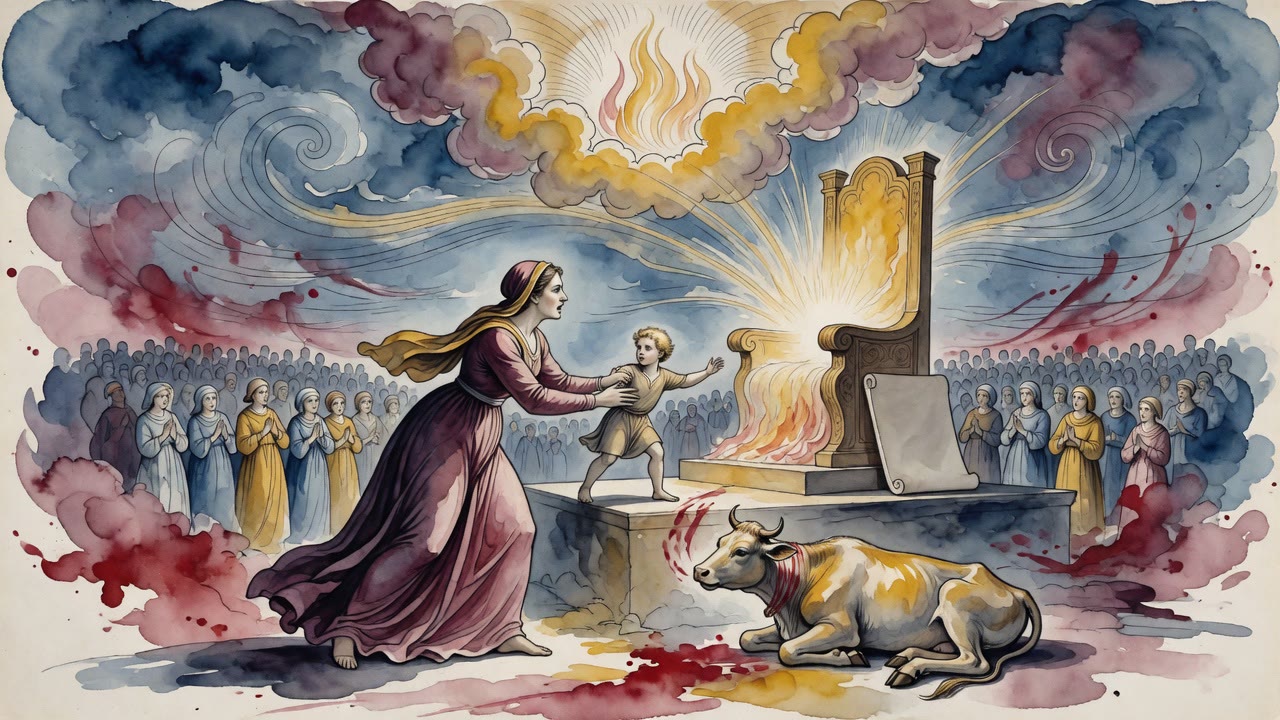
Tanchuma on Shoftim says a judge without an officer is powerless. When a court finds a man owes his companion and the man walks away, the ruling dies unless someone can extract compliance. David administered justice and righteousness, and Joab stood over the army. Without hands, judgments become theater.
Yakim's story is a court that convenes inside a single conscience. No Joab stands ready on that road. The nephew becomes his own officer, extracting compliance from the self that had come to mock. The four deaths are not imperial sport. They are the language of a tradition that takes liability seriously even when the empire prefers spectacles of the wrong kind.
Job once said he broke the jaws of the wicked and was a father to the poor. Enforcement without cruelty, judgment without empty speech. Yakim's self-enforcement is extreme, and the source presents it as accepted, not as a model for imitation by the idle. It is a narrative of reversal under pressure, not a handbook.
Nations Like Eggs
The Mekhilta pictures God holding the nations like eggs in His hand, a fragile cluster that can be set down carefully or crushed. Empires feel permanent to men on horses. They are eggs to the One who measures them. Yakim's polished mount looked like the future. Yose's stake looked like the end. The midrash reverses the valuation without denying the pain of the wood.
Holiness, say the sages on Joshua's plural phrasing "a holy God," is not many powers. Rabbi Berakhiah in the name of Rabbi Abba multiplies the holiness, not the deity. God's way is in holiness. His movement, His speech, His saving arm, His majesty, each is soaked in holiness. The road to the stake is not outside that field. Neither is the sudden repentance of a collaborator who finally hears what fear of heaven costs and what it buys.
An egg looks solid until the hand closes. A nephew looks secure until a sentence lands.
The Empty Saddle
Someone leads the horse away. The crowd that came for one death receives a harder lesson than blood. Mockery can end mid-sentence if the answer is calm enough and true enough. The world to come, in this telling, has room for the uncle who walked and the nephew who stepped down.
Yose ben Yoezer's teachings remain near the head of the fathers' chain. Yakim's name remains as a warning against early laughter and a door for late return. The clean horse is still clean. It no longer means what Yakim thought it meant when he first set his heel to the stirrup that morning.
← All myths