Zipporah Told Miriam What Prophecy Costs a Wife
Women lit lamps for new prophets. Zipporah told Miriam to bless the wives with woe. Moses heard the charge and kept his mouth shut.
Table of Contents
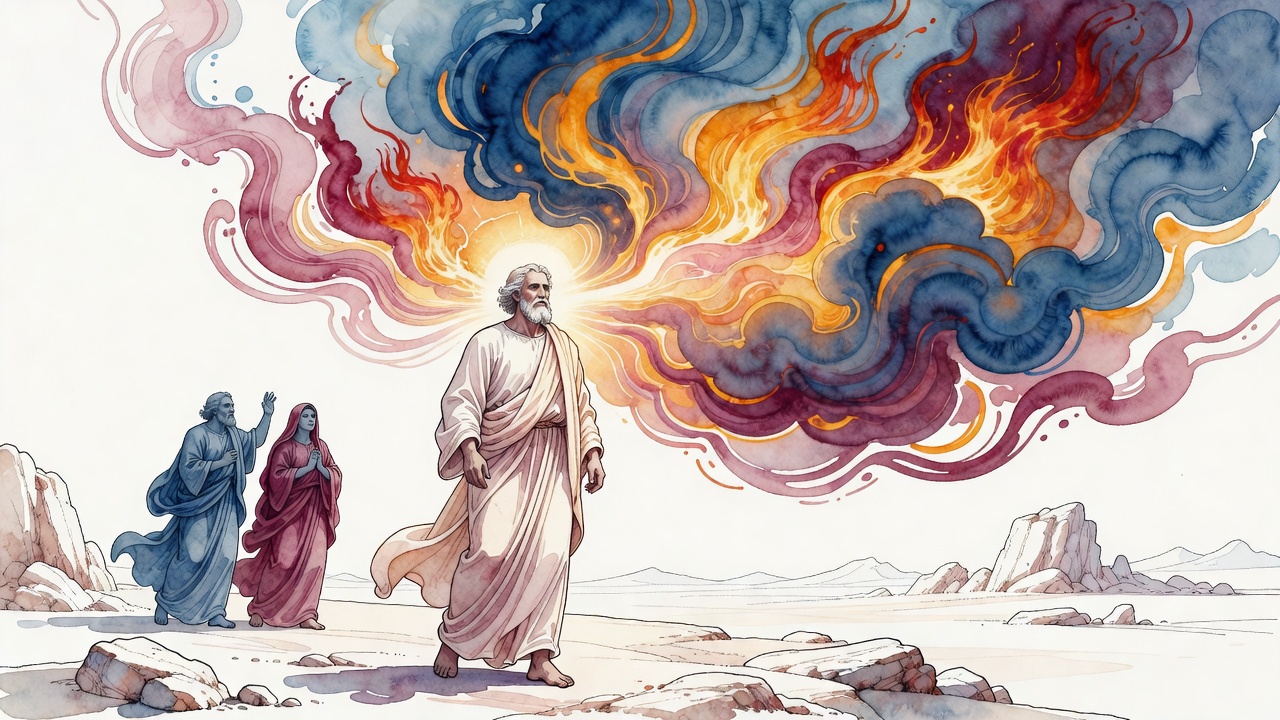
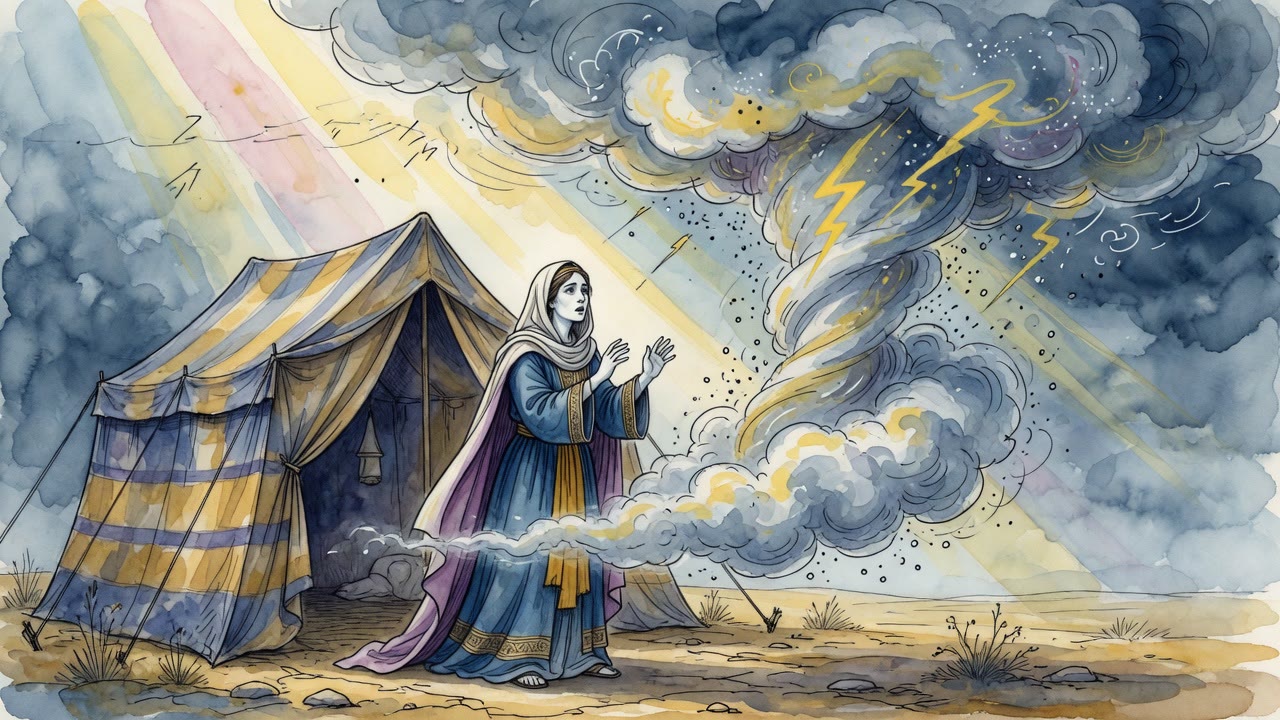
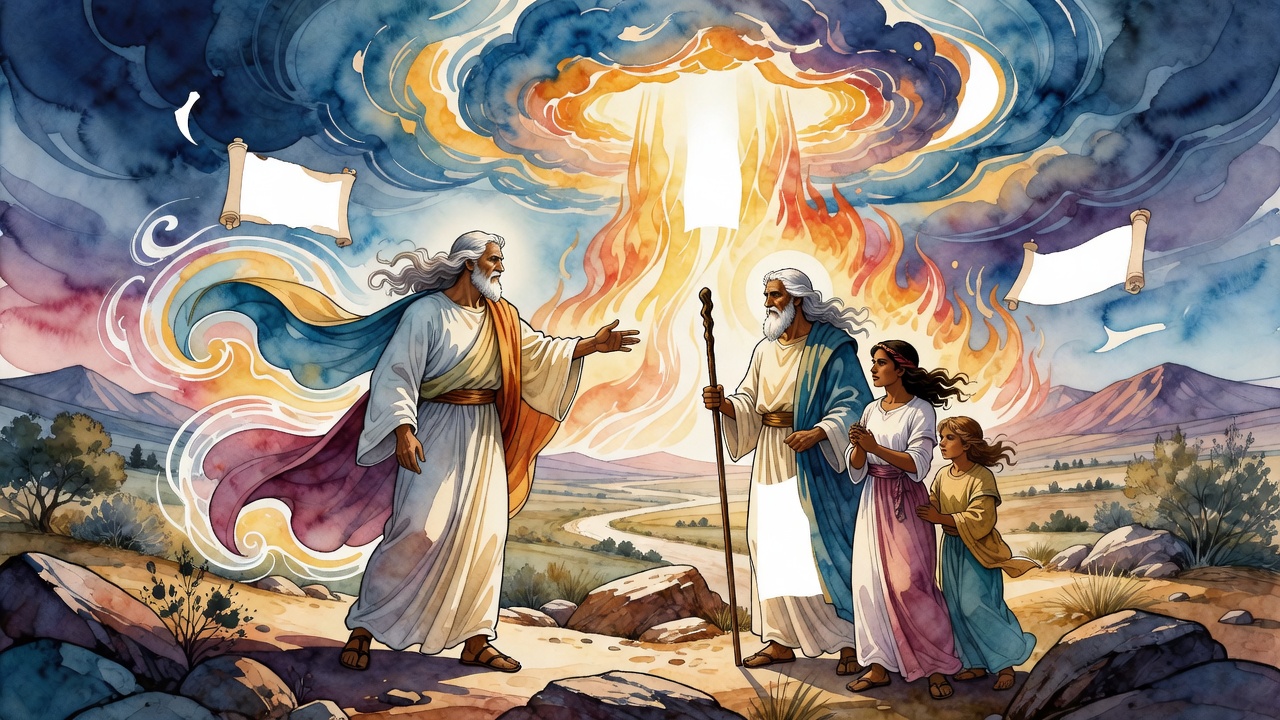
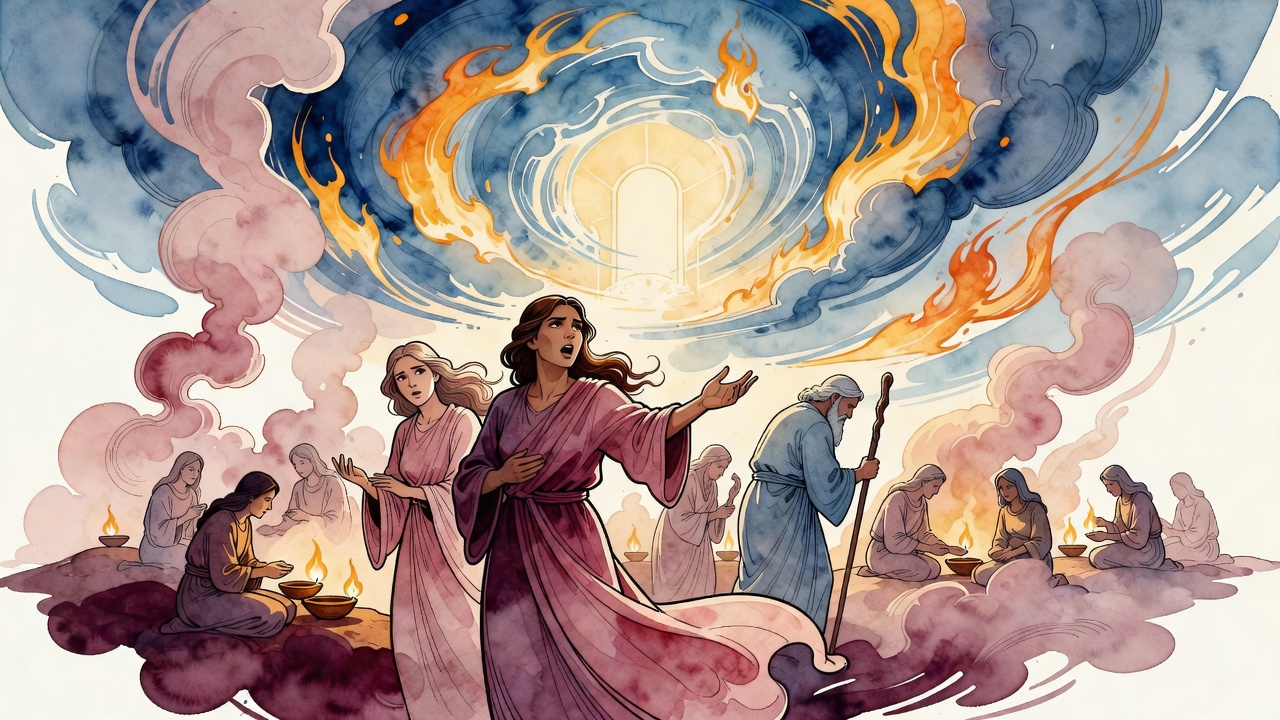
After the seventy elders rose to prophetic dignity, the women of the camp lit lamps and celebrated. Light filled tents that had known only ordinary evenings. Zipporah, wife of Moses, asked Miriam what the joy meant.
 Click for full size
Miriam answered with a blessing. "Blessed are the women who behold with their eyes how their husbands are raised to dignity!"
The sentence expected agreement. It received a wound instead.
Lamps for Other Women's Joy
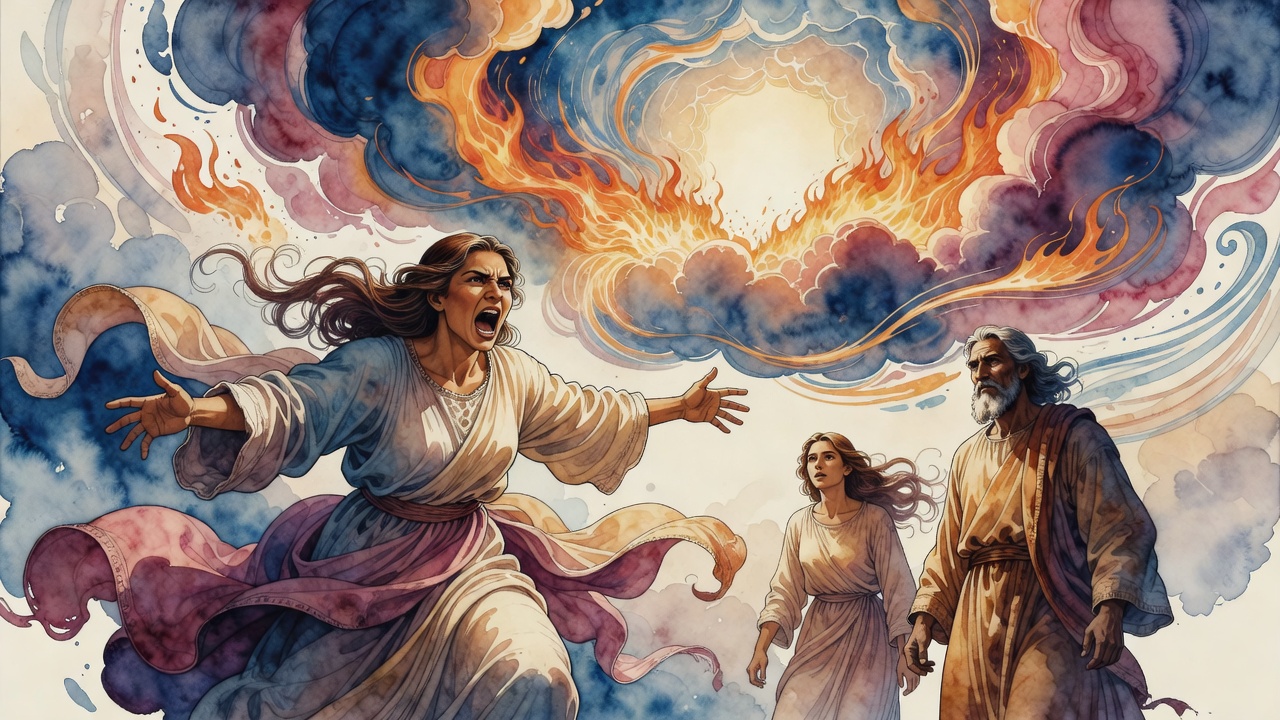
"It would be more proper to say," Zipporah replied, "Woe to the wives of these men who must now abstain from all conjugal happiness."
Miriam stared. How do you know this?
Zipporah did not soften the edge. "I judge so from the conduct of thy brother, for ever since he was chosen to receive Divine revelations, he no longer knows his wife."
The celebration of elevation met the bill of separation, and the bill had a Midianite woman's name on it. The camp smelled of lamp oil. Zipporah stood in that smell and named the empty side of a bed the other women had not yet learned to count.
Miriam Takes the Charge to Aaron
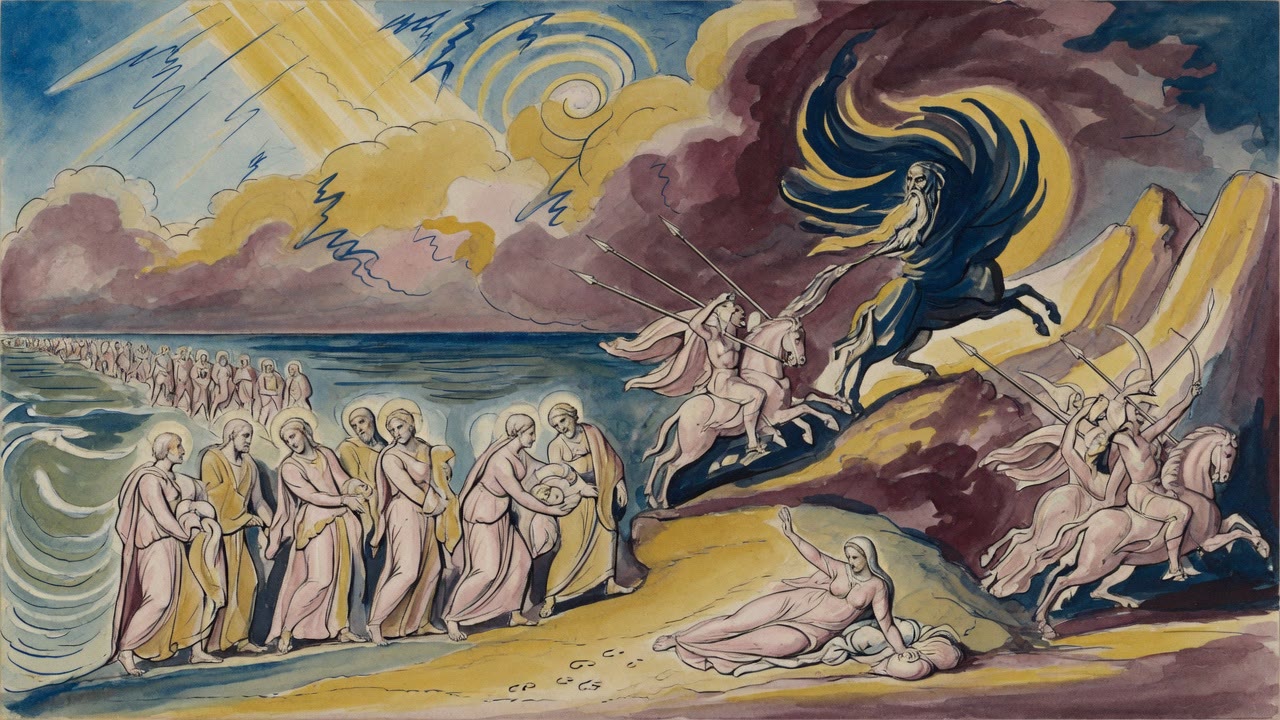
Miriam went to Aaron. She had received revelations, she said, without being obliged to separate from her husband. Aaron agreed that he too had known divine speech without quitting the marriage bed. Their fathers received revelations and continued married life. Moses, they concluded, abstains only out of pride, to show how holy a man he is.
They did not keep the charge in a private tent. They confronted Moses directly and told him what they thought of his conduct. A sister and a brother priest accusing the leader of Israel of spiritual vanity while the camp still smelled of lamp oil is a scene a body remembers even when the hour is brief.
Moses looked at them and did not spend the hour proving himself. The abstinence was at God's bidding. They had already settled their verdict before they opened their mouths.
The Meekness That Would Not Answer
Moses could be self-assured and stern when a matter touched God's glory. Against personal reproach he stood silent. He knew what had been commanded. He did not spend breath on siblings who had already closed the case.
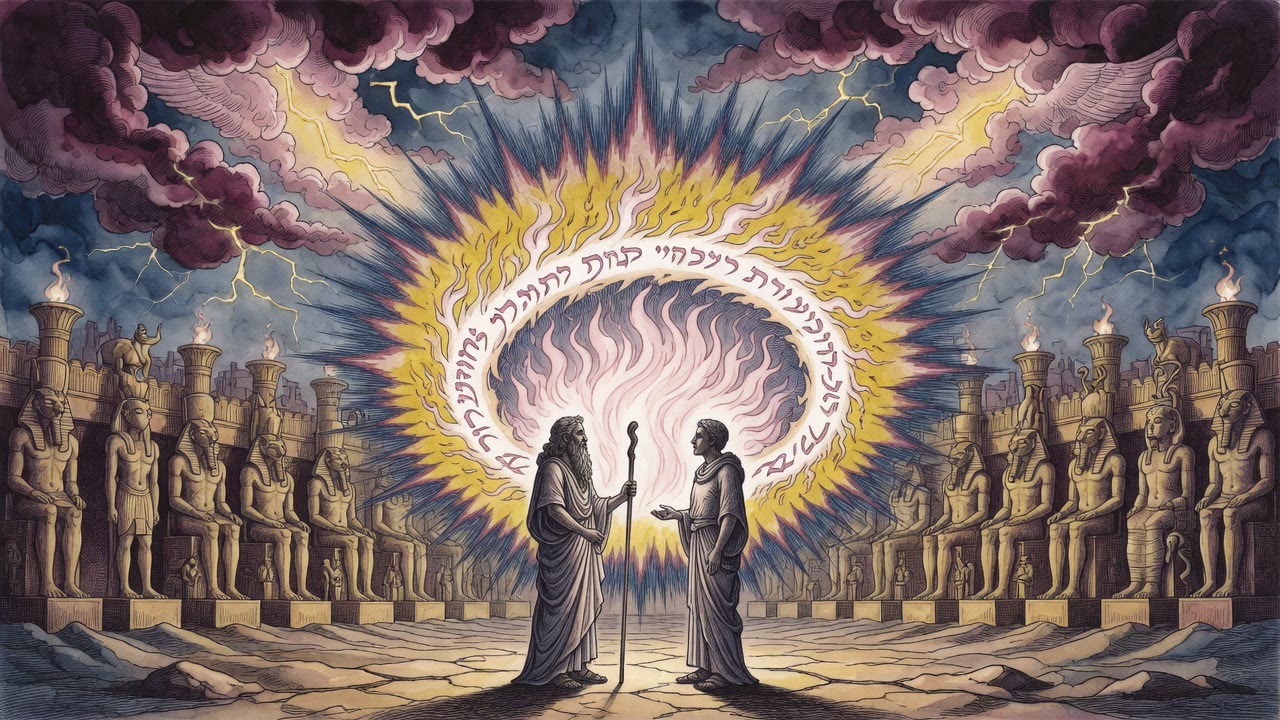
Heaven saw the silence and spoke where he would not. "Moses is very meek and pays no attention to the injustice meted out to him. I will therefore now stand by him."
The defense he refused arrived from above. Zipporah's loneliness remained real even when the accusation of pride was false. Both truths lived in one house. Prophecy can be commanded distance. Family can misread distance as ego. Only the Holy One held the full ledger.
Zipporah had married a shepherd who became a mouth for heaven. The distance that followed was not a coldness she invented. It was a regimen she lived beside while Miriam and Aaron measured it by their own easier revelations and found Moses guilty of pride. The camp's lamps celebrated male elevation. Zipporah named the unpaid cost in the women's tents, where dignity for husbands can mean emptiness for wives who keep the ordinary fire going.
The Rock and One Hour of Rage
Years later another cost of leadership surfaced near the rock. For forty years Moses had guarded his temper, knowing a single outburst could bar him from the land. Near the end, rage broke. He called the people madmen and stiffnecked. He vowed water would come only from the rock he chose. He struck the rock of his own choosing instead of speaking as commanded.
The rock sent forth a few drops. Mockers measured the trickle against babies' thirst. "Son of Amram, is this for the sucklings?" Moses struck again. Streams gushed so hard that enemies of Israel died in the current, and water poured from stones across the desert.
God said he and Aaron had not believed, had not sanctified the Holy One in the people's eyes. They would not lead the assembly into the land.
The man Zipporah named as absent from the marriage bed was the same man who lost the land for a moment's fury. Prophecy cost him intimacy. Anger cost him arrival. Heaven defended the meek man when siblings accused him, then judged the angry man when the people pushed him past the edge.
Zipporah's woe and the barred entry to the land are two ledgers of one life. Prophecy took his nights. One flash of rage took his arrival. Between them stands a servant heaven would not let be slandered and would not let be excused.
← All myths