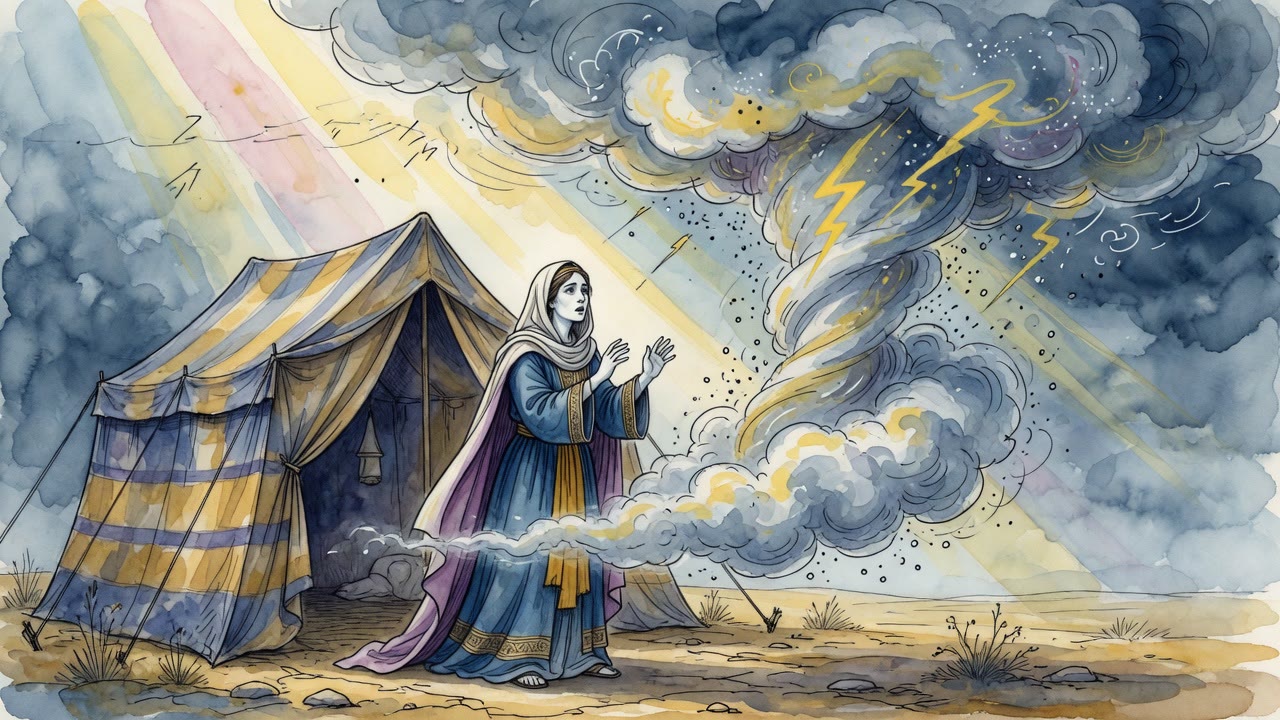
Moses Stays Beside God With No Return to the Tent
Aaron and Miriam spoke against Moses over his wife. Heaven answered that he alone was ordered to stand apart, mouth to mouth with God.
Table of Contents
 Click for full size
The Murmur at the Camp Edge
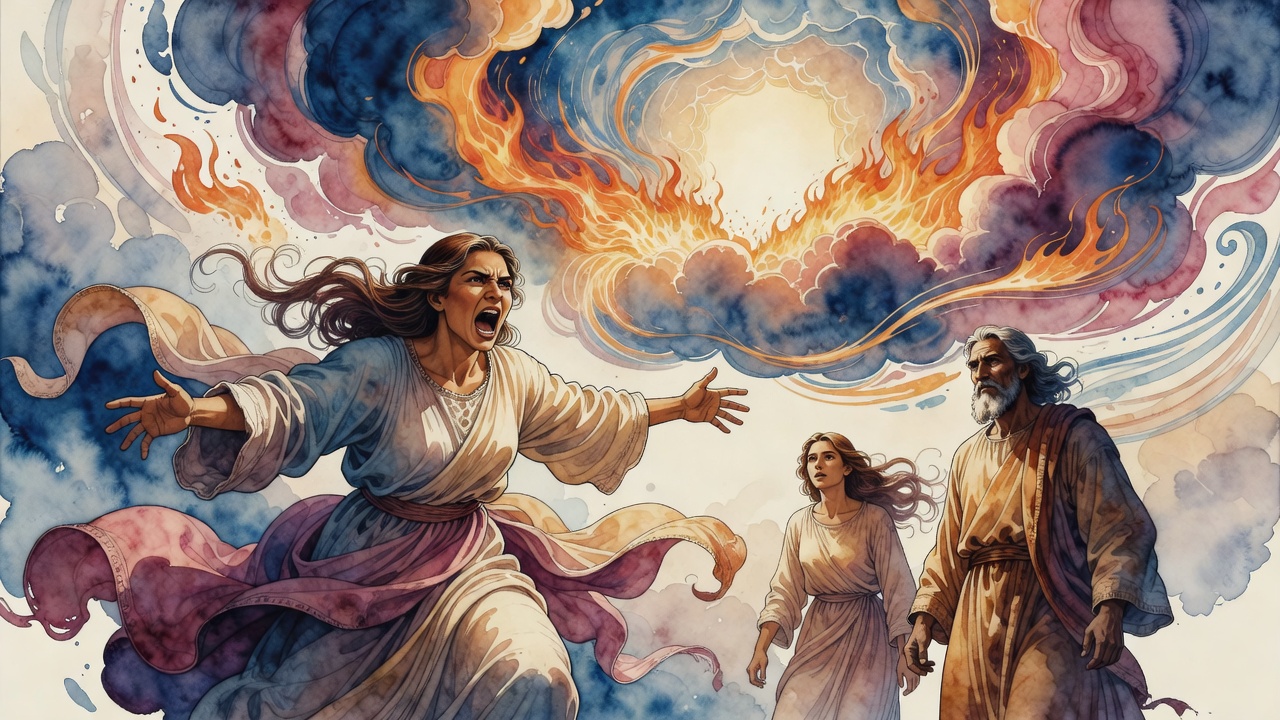
Aaron and Miriam spoke of Moses where the camp noise thinned. The subject was his wife, the Cushite woman, and the distance he kept from her. Prophets and leaders still returned to their tents. Moses did not. The gap looked like pride, or coldness, or a law he had invented for himself.
They measured him by the rule that bound everyone else. If revelation came, then revelation ended, and life resumed. Why should one man stand permanently on the mountain side of the threshold?
Four Words From Heaven
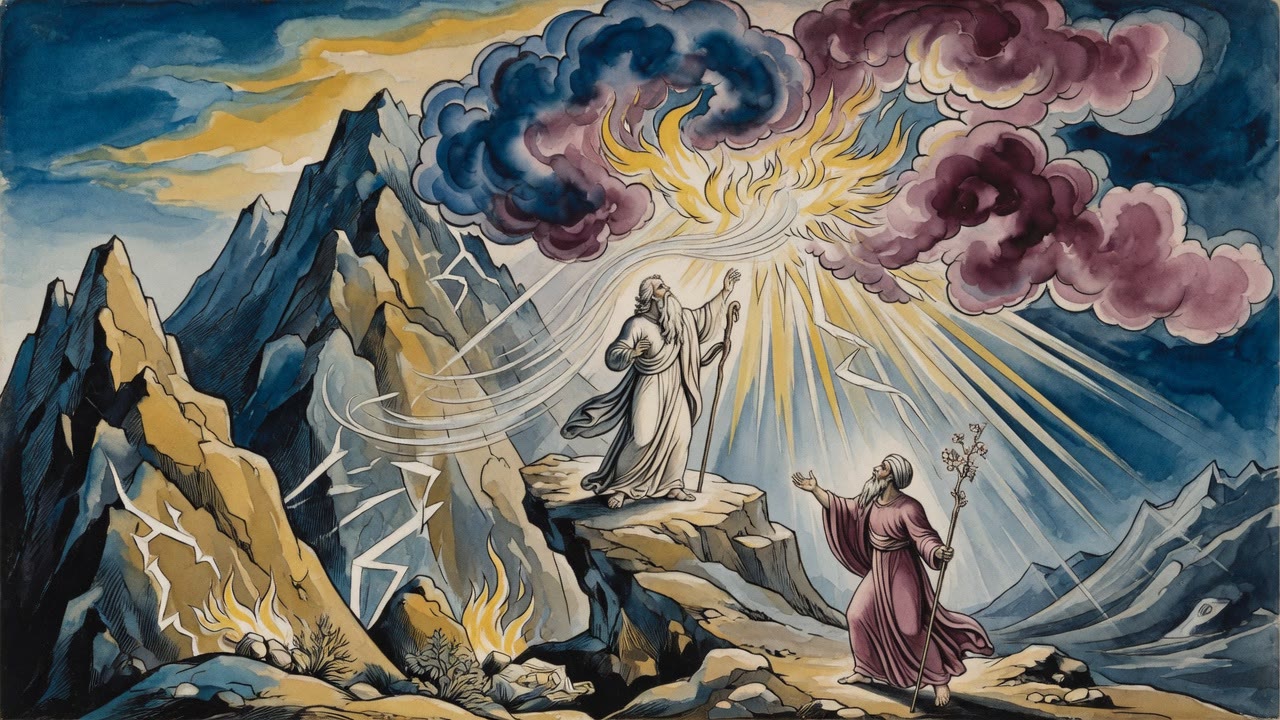
The Holy One answered with four words that cut the accusation clean: "Not so My servant Moses."
He is faithful in all God's house. He commands in the Divine name and does not tamper with it. He neither subtracts a word nor adds one. The withdrawal from his wife was not a private vow of ambition. It was obedience. "Mouth to mouth I speak with him." Speech of that nearness demands readiness. A steward of the house does not leave his post because the night grows long.
At Sinai the whole people had heard, "Do not approach a woman," to ready themselves for revelation. Afterward came the release: "Return to your tents." The separation was a season. Marriage reopened for the camp.
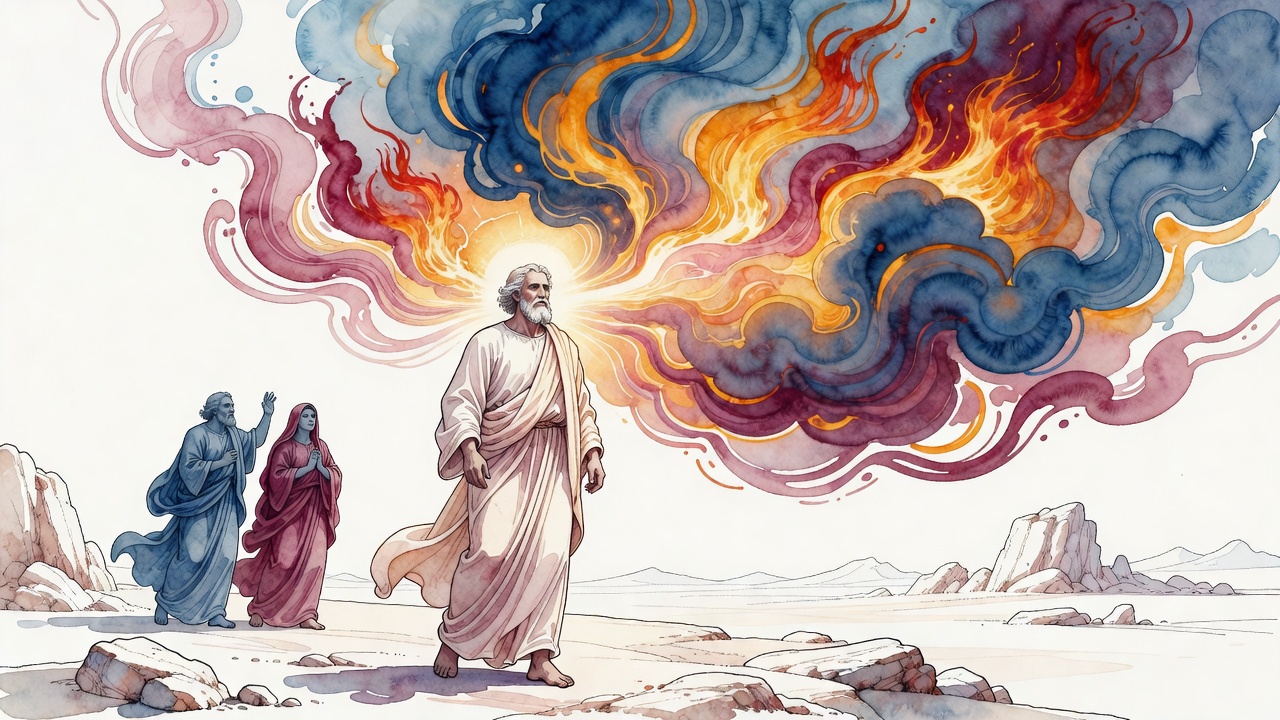
To Moses alone a different sentence fell: "But you, stand here with Me." For him there was no return. His standing-place was beside the Presence, and there he remained, not by appetite for solitude, but by the will of the One who spoke to him mouth to mouth.
The King's Inner Garment
Elsewhere the sages tell of a king whose inner garment is too fine for common hands. He does not shake it out himself in the marketplace. He entrusts the care to a servant who knows how to fold what others must not touch.
Moses is that servant. The nearness that burns others is the air he is ordered to breathe. A High Priest walking a pure path will not step between graves for company. If a companion can keep the pure road, let him walk. If not, the priest continues alone. Moses said to Israel that the Lord walks in the midst of the camp to deliver them (Deuteronomy 23:15). Delivery requires a camp kept holy. Unseemly speech and unseemly matter push the Presence back. The leader who stands nearest the King must keep a different discipline than the ranks behind him.
What the Camp Could Not See
From the outside, abstinence looks like a refusal of joy. From inside the command, it is a refusal to dilute readiness. Israel could return to tents because their prophecy came in flashes and dreams. Moses received without riddle. The channel stayed open. Closing it for domestic rhythm would have been disobedience dressed as normal life.
Miriam and Aaron were not small people. Their words carried weight because their standing was real. Heaven's correction was therefore sharp. The issue was not whether a wife matters. The issue was whether a man under continuous speech may live by the calendar of those under occasional speech.
The Threshold That Stayed Closed
Night after night the camp lamps went out and tents filled with ordinary breath. Moses remained where the command had set him. The people slept under the same sky and a different rule.
When jealousy measures holiness by sameness, it mistakes the house for the steward. The steward keeps hours the guests do not keep. He handles the garment they may not handle. He stands when they sit, and sits only when the King permits.
The murmur died into a lesson that still stings: nearness is not a prize for ego. Nearness is a post. Some posts do not rotate. Some doors, once closed by heaven, stay closed so that the house can hear a single clear voice.
Zipporah's absence from the daily tent life of the camp is not told as her crime. The midrash protects her by placing the command on Moses alone. A marriage can be honored even when a mission forbids ordinary nearness. The hurt of that arrangement is real. Heaven does not deny the cost. It denies the charge that Moses invented the cost to elevate himself.
Prophecy of dreams allows a person to wake into household speech. Prophecy mouth to mouth does not clock out. The difference is not moral rank in the simple sense. Miriam and Aaron are holy. The difference is assignment. Confusing assignment with arrogance is how siblings wound each other in the name of fairness.
When the cloud lifted from the tent after the confrontation, the camp learned that some questions about a leader's private life are answered only by the One who sets the leader's post. Students of the story still feel the tension. They should. A tradition that cannot feel the tension will either abolish marriage for the ambitious or abolish unique calling for the jealous. Moses' closed tent door forbids both mistakes at once.
← All myths