Abraham Held Both Joy and Grief in One Hand
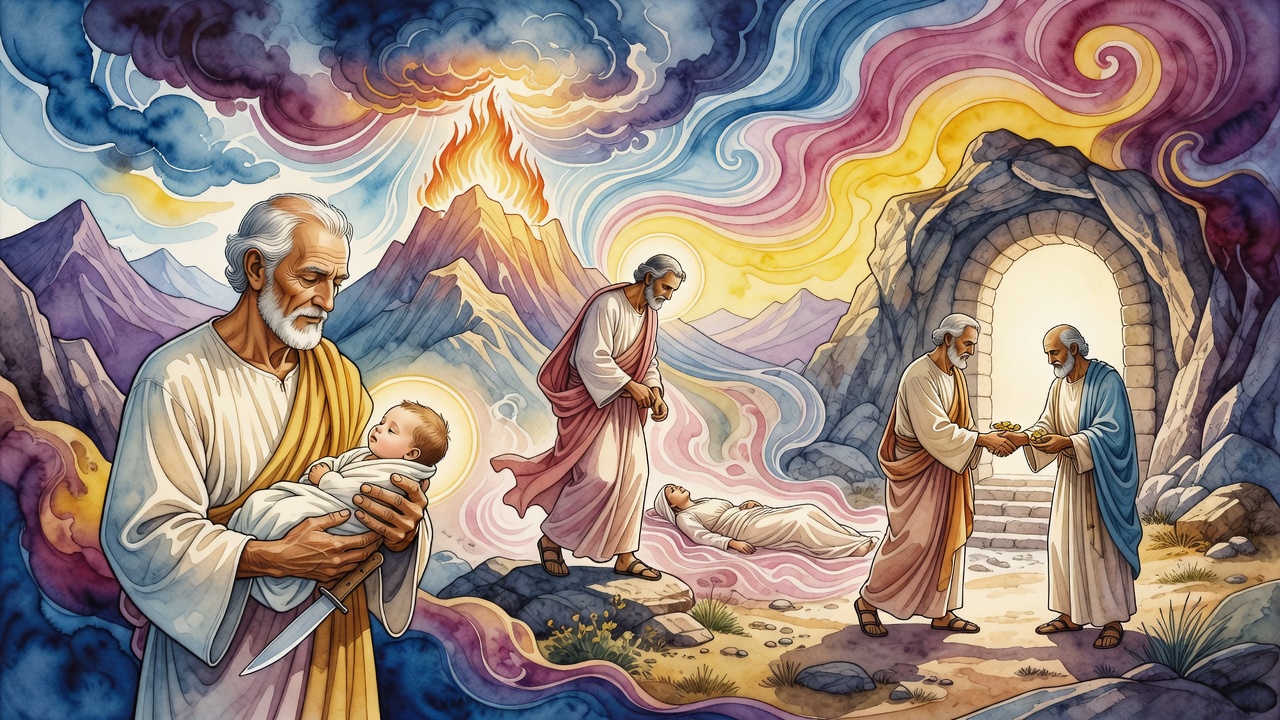
At one hundred Abraham held a son. On Moriah he held a knife. Coming down, he found Sarah dead and paid four hundred shekels for a grave.
Table of Contents
 Click for full size
The Rope of Two Strands
Look at the life of Abraham. Joy and sorrow are braided in a single rope. He was blessed in the world, made great among the nations, a man who defeated kings in battle and proclaimed the Holy One as Master of heaven and earth. The crown of his joy came at one hundred years, when God gave him a son. He circumcised Isaac. He raised him. He watched him grow.
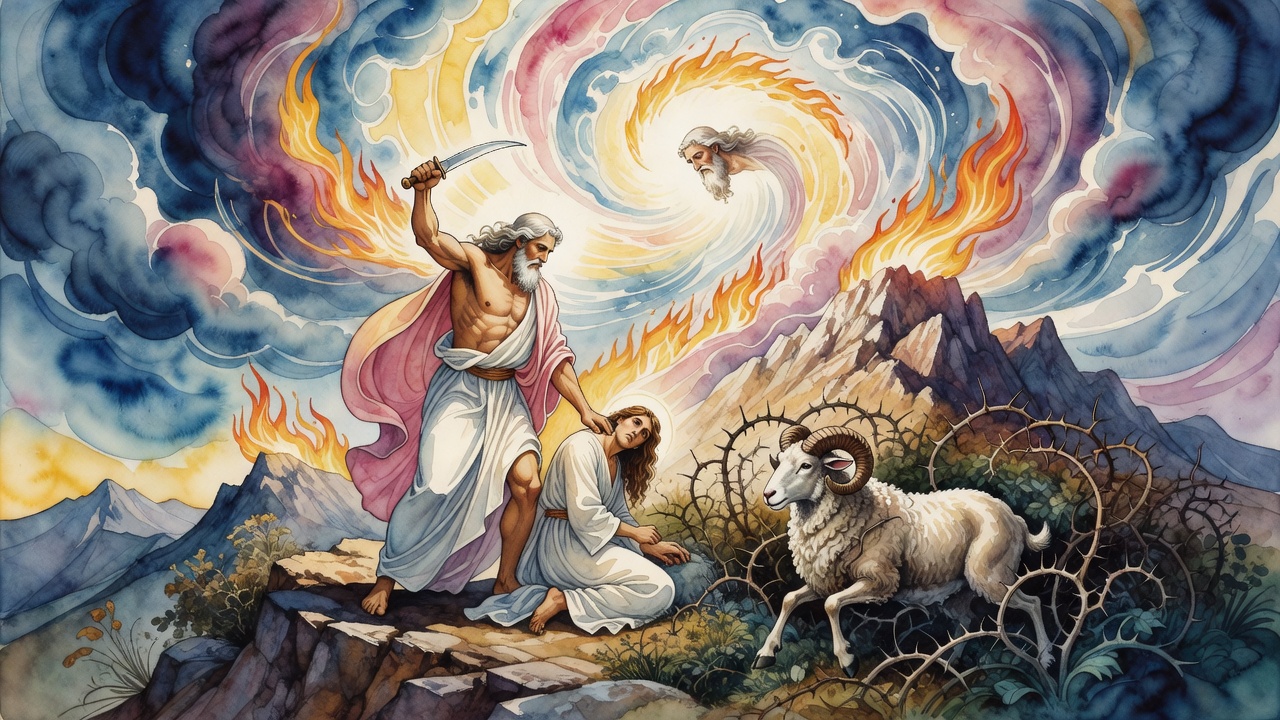
At the height of that gladness the word came. "Take now your son, your only one, and offer him up there as a burnt offering."
Three Days Toward Moriah
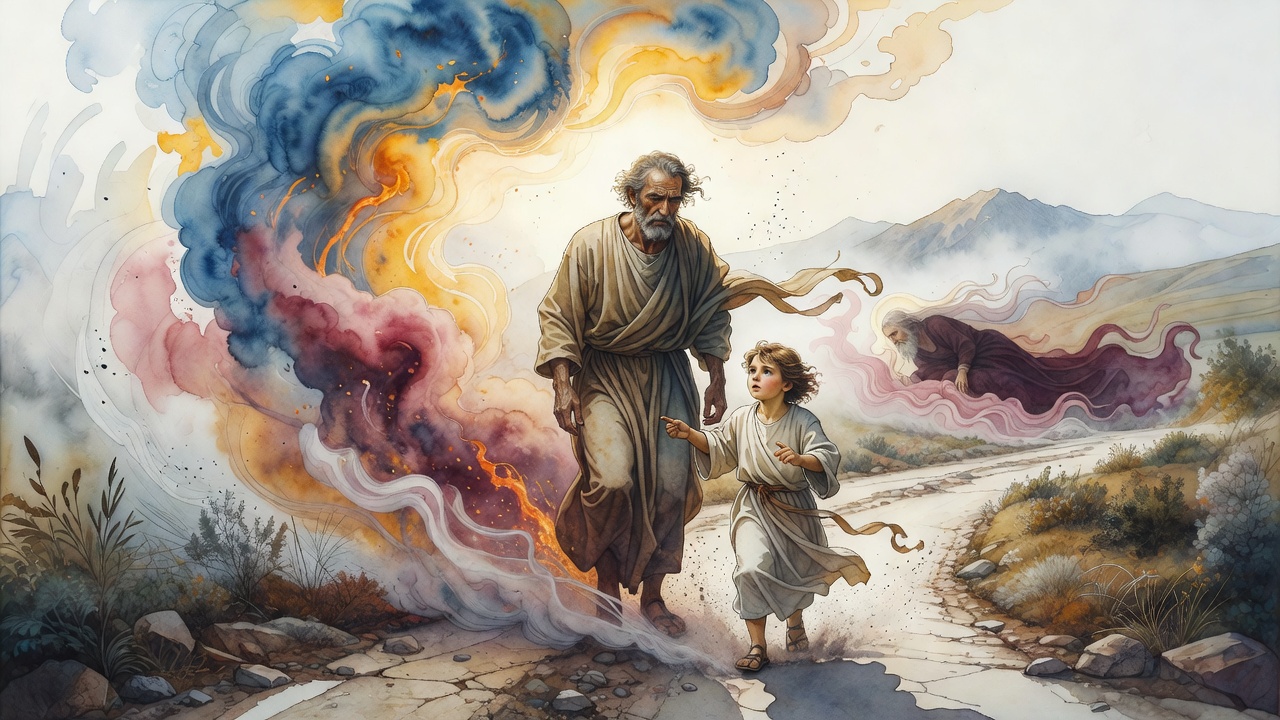
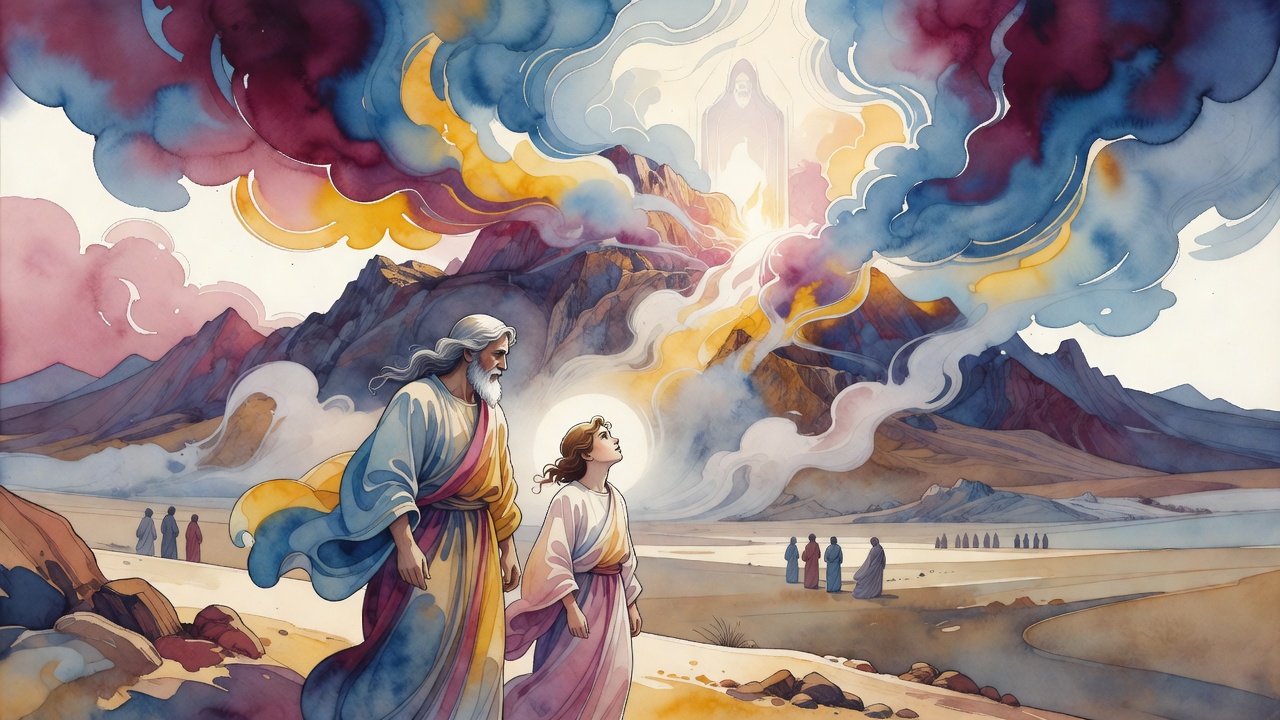
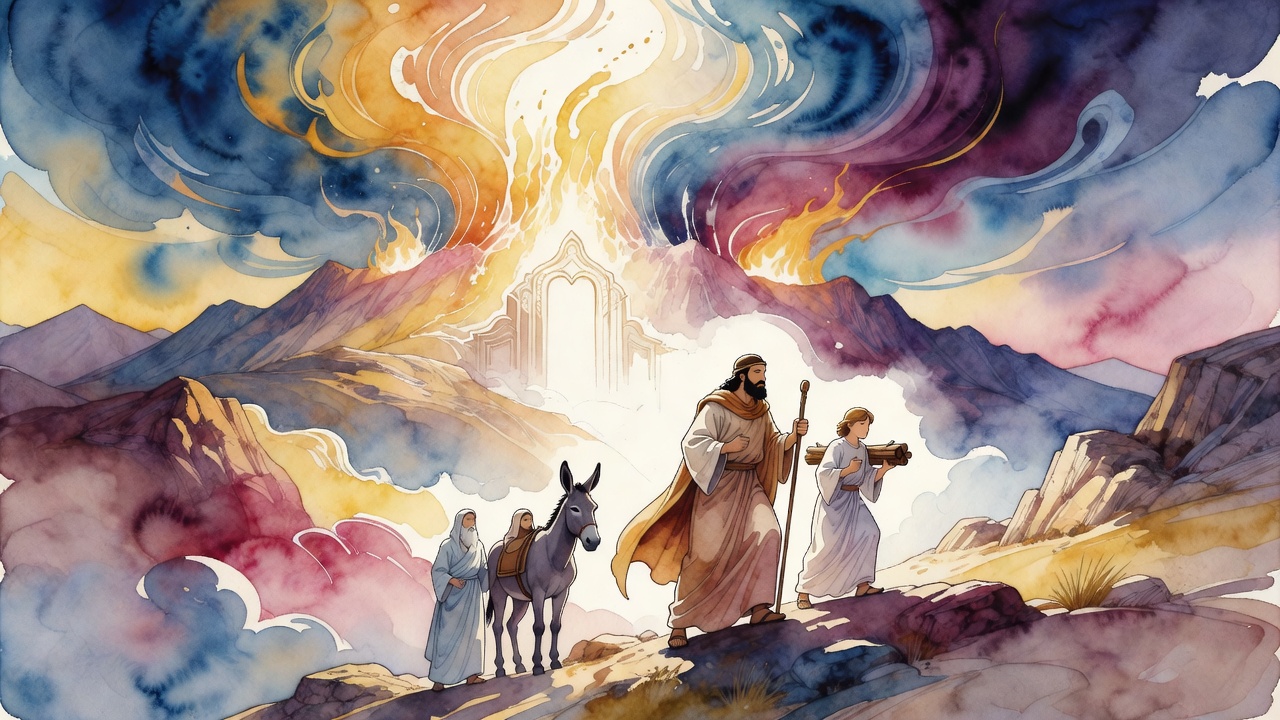
Three days he walked toward Mount Moriah. The knife and the joy both rode in the same trembling hand. Isaac carried wood. Abraham carried fire. The mountain rose as if it had always been waiting for this climb.
What the midrash does not need to invent is already heavy enough. A father who waited a century for a child now measures the hours until the altar. When he comes down again, the rope does not loosen. Sorrow waits at the foot of the mountain.
Four Hundred Shekels for a Cave
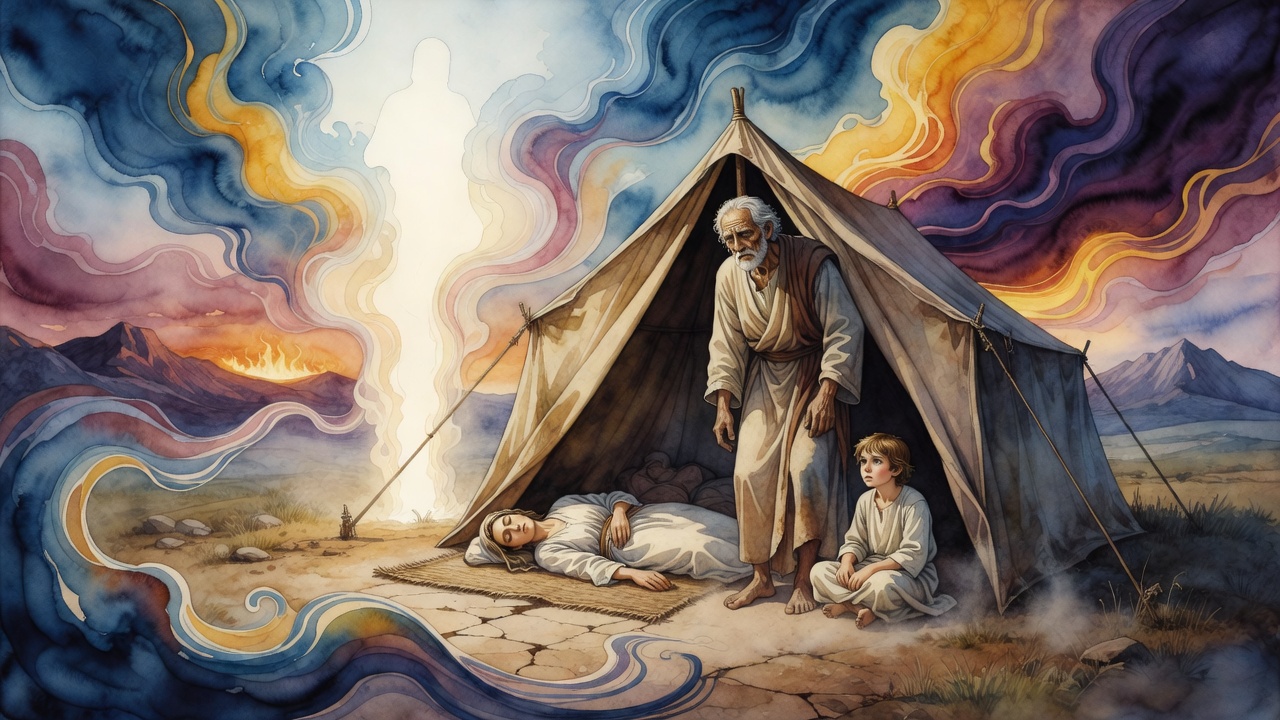
Sarah had died. He could not even find ground to bury her until he counted out four hundred shekels of silver for the cave of Machpelah. The friend of God bargains with Hittites for a grave while the smell of the binding still clings to his clothes.
After all of this, old age sprang upon him at last. The sages teach: if Abraham the righteous, beloved and blessed above all, tasted such a mixture of delight and grief, then the children of man, how much the more so. No mortal life is all rejoicing. Even the one called friend drank from both cups.
The Furnace Before the Son
Long before Isaac's birth, another fire had already measured him. When Abraham descended into the fiery furnace of the Chaldees, the guardian angels quarreled. One said, I shall descend and save him. Another insisted the same. Michael declared he would go. Gabriel called out that he would go.
The Holy One stopped them. None of you will do so. I, in all My glory, will descend and rescue him. "I am the Lord that brought thee out of Ur of the Chaldees" (Genesis 15:7). The angels were told they would descend later for Hananiah, Mishael, and Azariah. For Abraham, God reserved the rescue Himself.
So the man who would one day climb Moriah with a knife had already walked out of a furnace no angel was allowed to cool. Mercy and judgment mixed in his bones early. The cups of Bereshit were already in his hands before the first laugh of Isaac filled a tent.
Both Cups
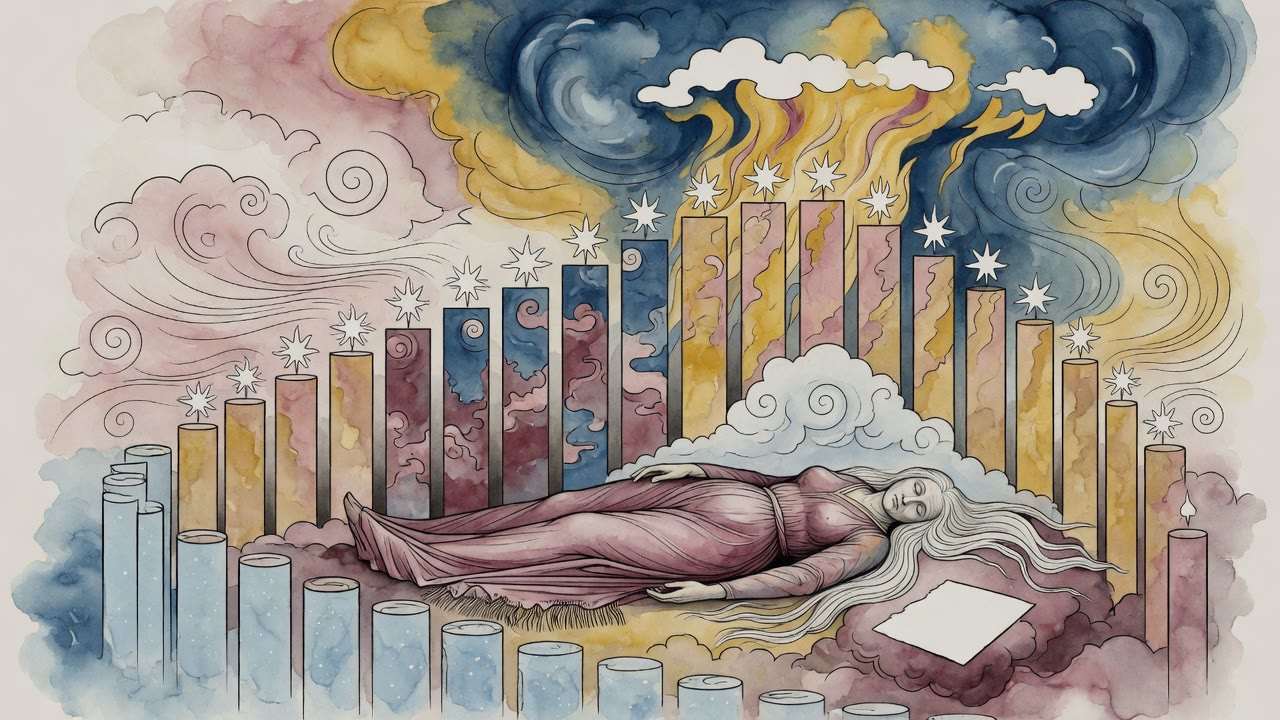
The sages elsewhere imagine God mixing hot and cold so fragile cups will not shatter. Abraham's life is that mixture made personal. Furnace and promise. Son and knife. Burial silver and covenant stars. He does not get to choose only the warm water.
He holds both. He walks both. And the rope that binds joy to grief in his story becomes the pattern the children of Abraham still recognize when a single week carries a birth and a death, a feast and a grave, a blessing that arrives with a price already counted in shekels.
The angels who argued over the furnace learned their place. Michael and Gabriel would have their hour with the three in Babylon. Abraham's hour belonged to God alone. That ordering matters when the same man later climbs Moriah. The One who pulled him from Ur's fire is the One who asks for the son. The story refuses to split the Rescuer from the Commander.
Sarah's death after the binding seals the braid. The midrash does not need to invent a message from the mountain to her tent. It is enough that Abraham returns to a world where the mother of the promised child is gone, and the only ground he can buy costs four hundred shekels counted out in public. Covenant does not cancel commerce. Promise does not cancel burial fees. The friend of God learns the price of a grave with the same hands that once held a knife over a living boy.
Old age, when it finally springs, is not a surprise. It is the body's agreement with a life that has already spent its strength on both cups. The rope holds. The children of Abraham keep walking it.
The midrash's closing move is quiet and hard. If Abraham tasted both cups, how much more the rest of us. It is not a lecture against happiness. It is a refusal to let anyone build a theology in which the righteous float above loss. The friend of God buried his wife with counted silver. That fact alone keeps the story honest.
← All myths