Sarah Did Not Truly Live Until Isaac Was Born
Abraham came down from Moriah with the knife still heavy in his hand, and found Sarah already fallen, her years counted only from the son she had finally held.
Table of Contents
 Click for full size
The Road Down From the Knife
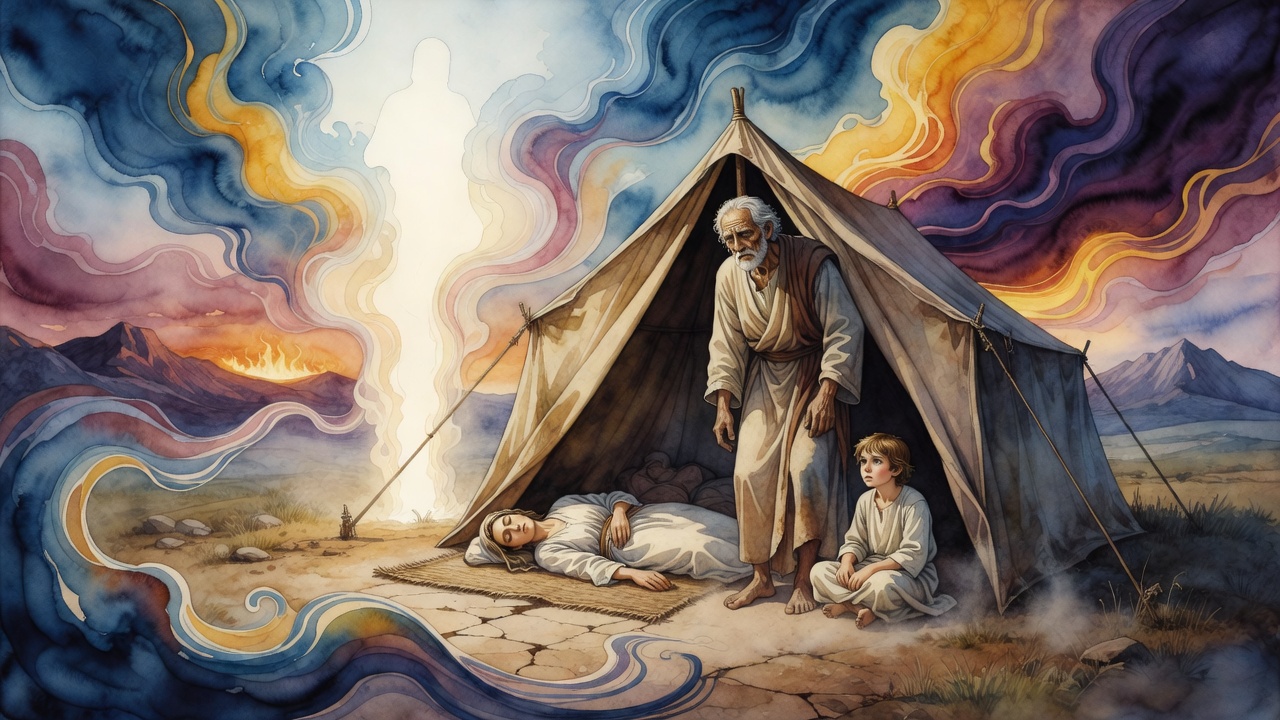
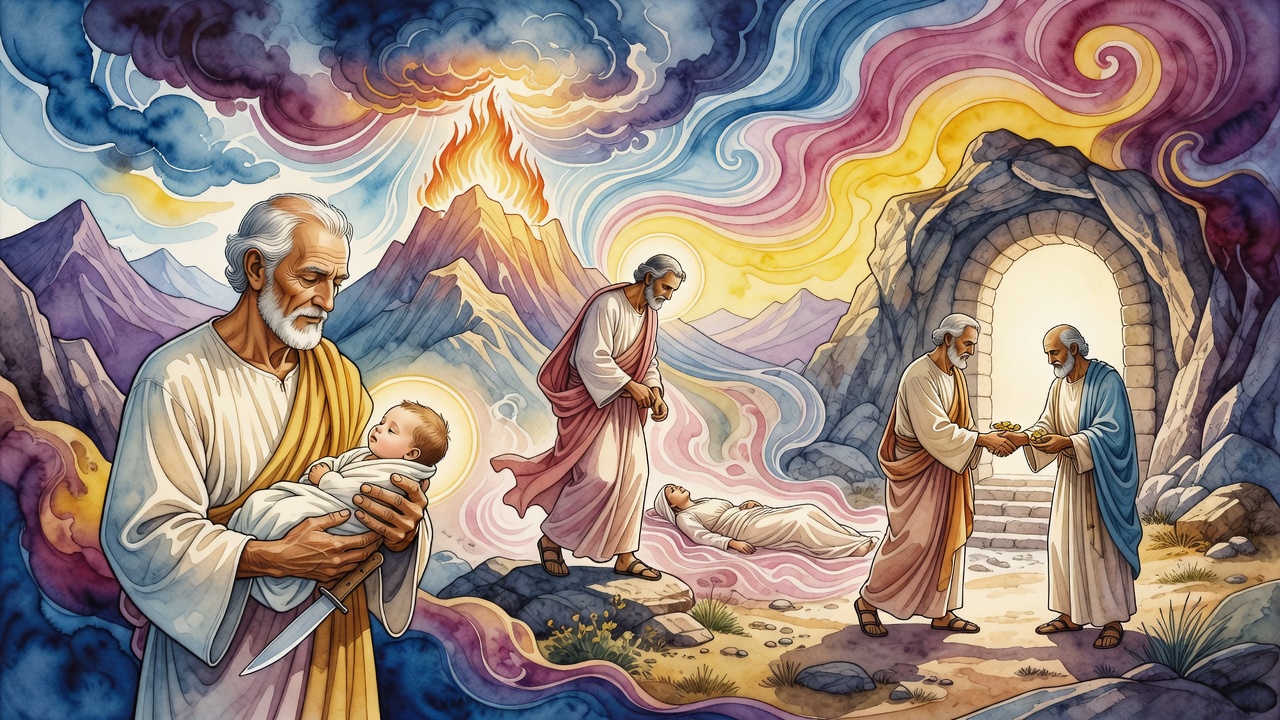
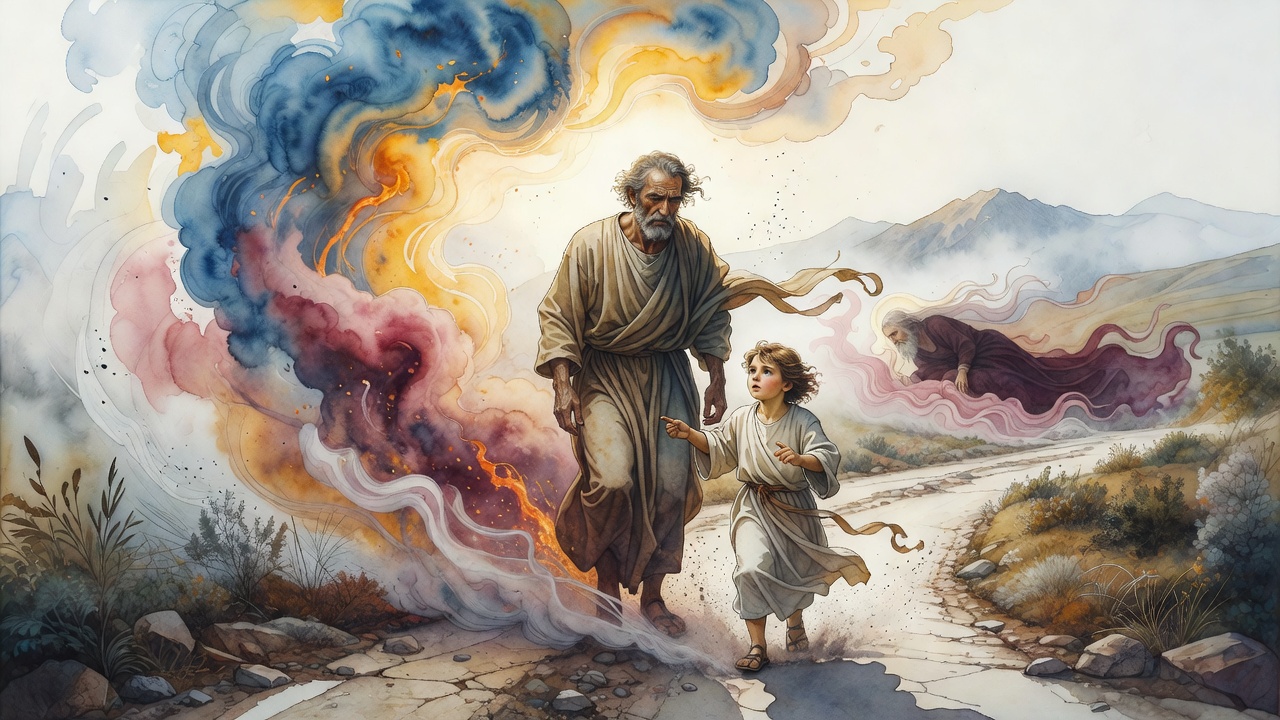
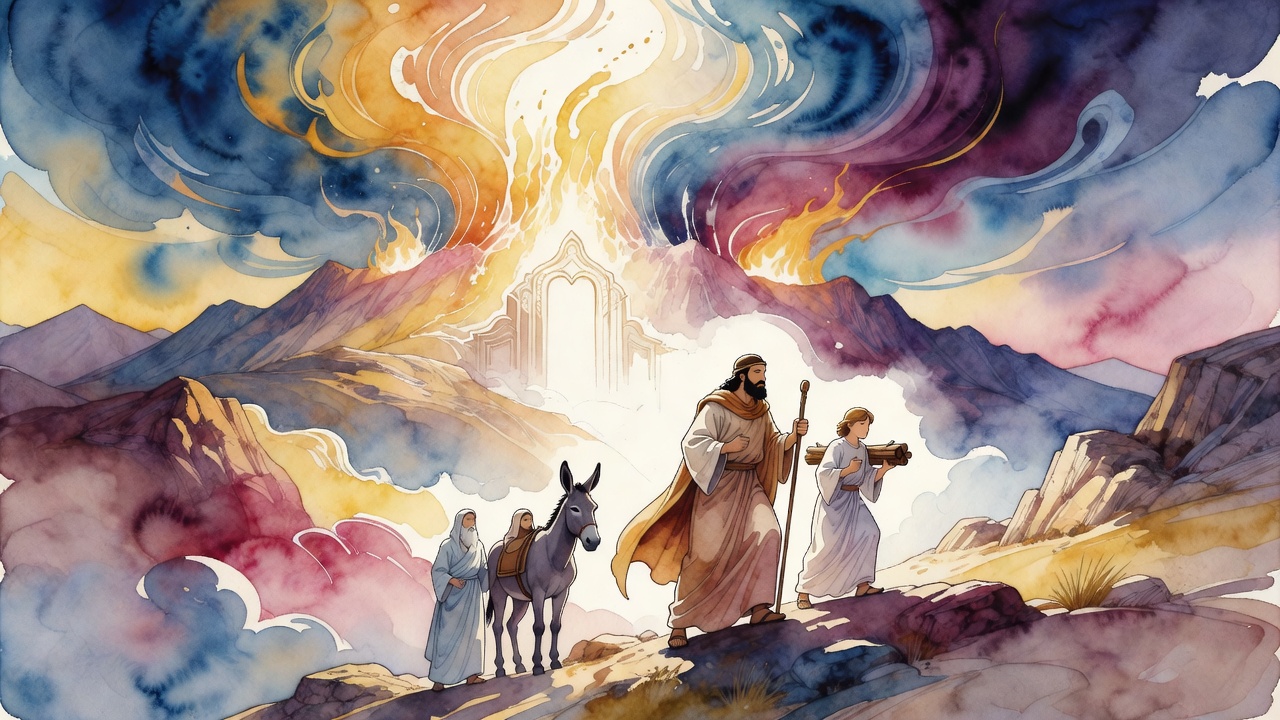
Abraham came off the mountain with his hands empty of blood and full of a silence that would not leave. The rope still smelled of the boy's wrists. The knife sat sheathed against his thigh like a second heart that refused to beat. He walked toward the tents of Hebron as a man walks toward a house he still believes will answer. It did not. Inside, Sarah lay still, and the breath that had carried a hundred and twenty-seven years was already gone.
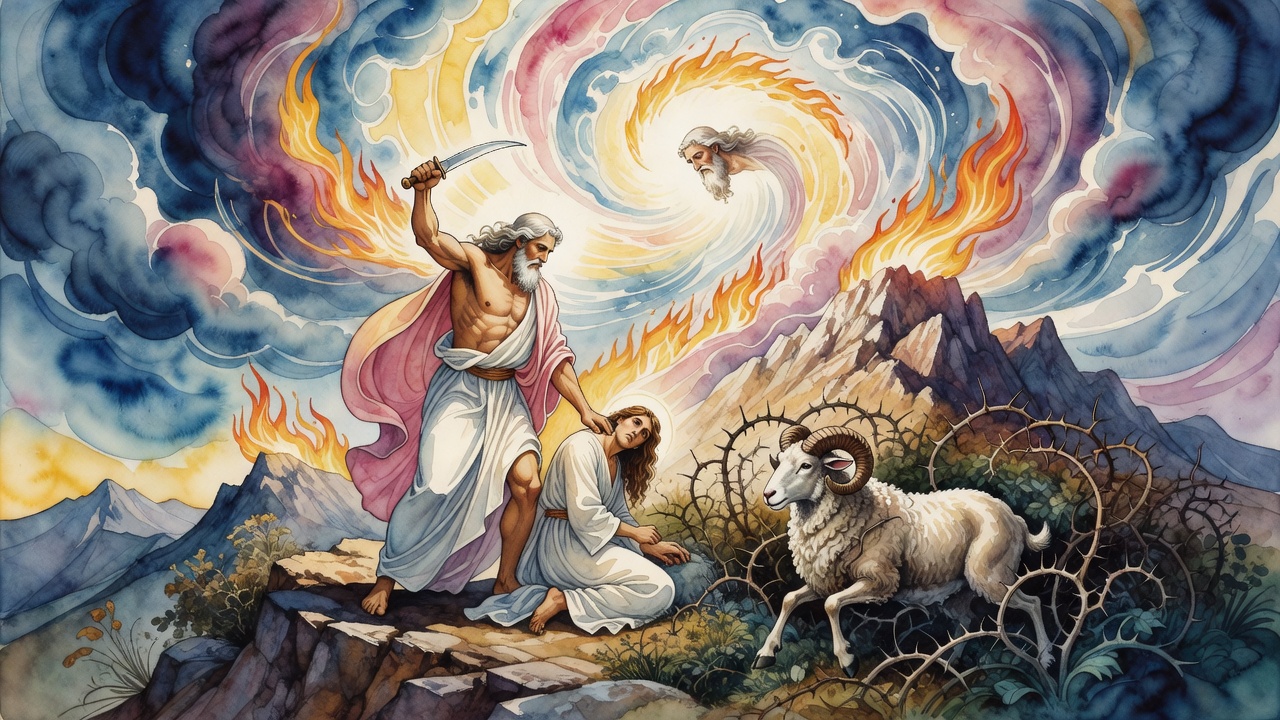
Ha-Satan (the Accuser) had reached her first. He painted the binding in her mind until the knife rose and the angel never arrived. She heard a son dying while the son still lived. Her cry tore the air the way a shofar (a blast on a ram's horn) would later tear the New Year, and then her body failed. Abraham stood in the doorway with a rescue no one had told her, and the house filled with a grief that arrived one hour too late.
The Torah would not open her death with death. It opened with life. "And the life of Sarah." The phrase stopped the sages cold, because a life counted only at the end is a life that was waiting for a beginning.
When a Hundred Years Were Still a Girl
They taught that Sarah did not truly live until Isaac was born. A person without children, the midrash says, is counted as if already dead, the way Rachel would later cry, "Give me children" (Genesis 30:1). The years before Isaac were years of waiting that did not yet count as life in the full sense. When the boy arrived, the ledger of her days began in earnest.
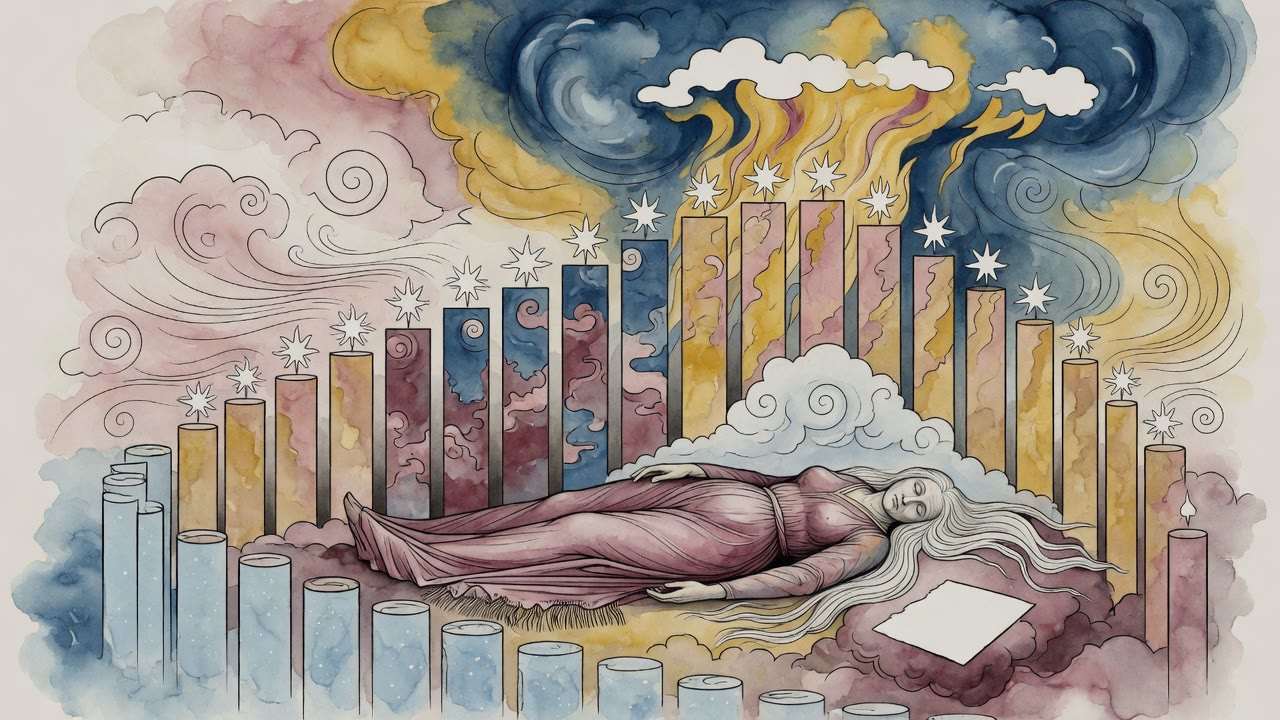
One hundred and twenty and seven. At a hundred she stood as free of sin as a girl of twenty. At twenty she was as lovely as a child of seven. The numbers nested inside one another like rooms in a house God kept clean for her. Those years did not end with her burial. By Sarah's merit, the sages say, Esther would one day rule over a hundred and twenty-seven provinces. The sun sets only as another rises (Ecclesiastes 1:5). Rebecca was already born before Sarah died, a new light lit before the old wick failed.
Abraham touched her hand and felt how much of his wealth had always run through her. Egypt had filled his tents for her sake, not for his bargaining. Rava would later tell the merchants of Mechoza to honor their wives so that they might grow rich, meeting greed halfway so that habit might grow into reverence. Abraham did not need the bargain explained. He had prospered on her account and now stood poor in a way silver could not repair.
Pharaoh's Hand and the Plague That Named the Sin
Years earlier, in Egypt, another man had reached for her. Pharaoh seized what was not his, and the plague of leprosy answered on his body. Rabbi Jonathan, in the name of Rabbi Samuel bar Nachmani, named seven sins that draw that affliction onto flesh: the slanderer's tongue, bloodshed, a false oath, forbidden relations, arrogance, robbery, and the grudging eye that keeps a house sealed against neighbors. Pharaoh's house was struck for the fourth of those, the hand that treats a living woman as a prize.
Abraham had placed Sarah first at the border and stepped behind her, asking her to call him brother so they might both survive. He made himself secondary. The sages refuse a cheap reading of his eyes. Job boasted he would not gaze even at what was permitted. Abraham, they say, had never truly looked on his own wife's beauty until danger forced the recognition. Restraint outran even Job. The plague on Pharaoh's flesh answered the seizure. Blessing on Abraham's house answered the woman who still stood, somehow, unbroken.
The Cry That Becomes a Shofar
Now the same woman lay dead of a story that was not true. Isaac lived. The altar on Moriah held no ash of his body. Sarah had died of the picture Ha-Satan painted, not of the deed. Abraham gathered her years the way a man gathers a spilled account and tries to add it again. A hundred free of sin. Twenty still bright. Seven still a child's grace. Life named at the door of death, because only at the end can a life be totaled, and only after Isaac can her total be called life at all.
On Rosh Hashanah the shofar (a ram's horn) would wail with a sound the midrash ties to her cry, so that those who hear it might be covered by what her death carried. Abraham buried her in the cave he bought with full silver, honest metal in a world that would later plate copper and call it pure. He did not speak of profit. He spoke her name into stone.
Outside, the dust of the road still held the print of a man who had run without raising dust when he chased kings for Lot. Inside, the print of a woman's life finally counted, late and complete, while a son who almost died walked the camp not knowing his mother had fallen for a knife that never fell.
← All myths