Abraham Hid Sarah in a Chest at the Nile
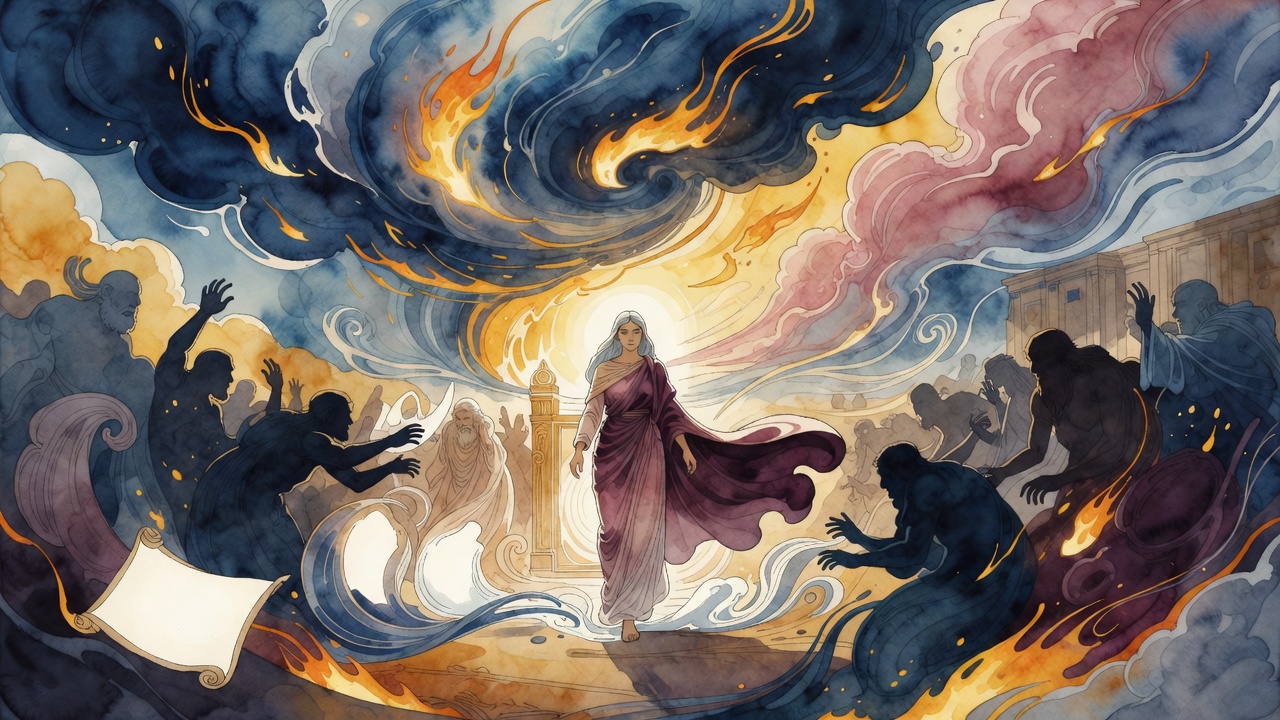
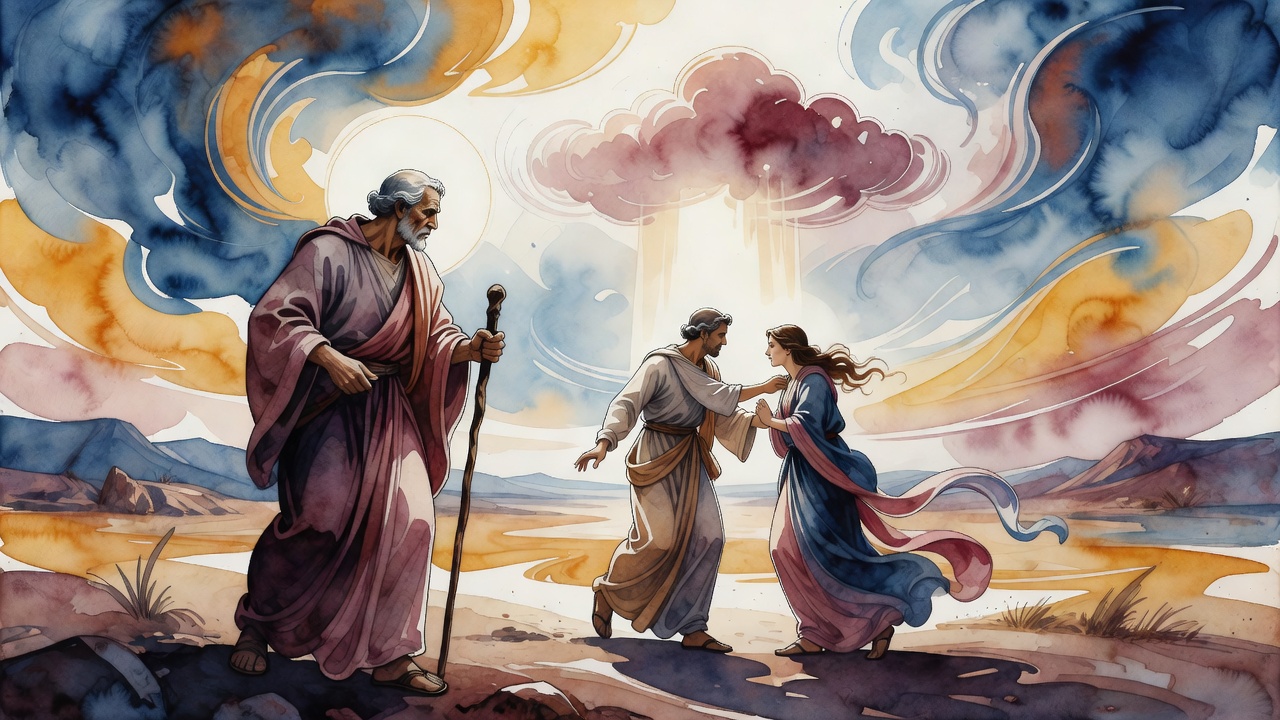
Famine drove them to Egypt. At the river Abraham saw Sarah's face like the sun, locked her in a chest, and bargained tax rates until the lid was forced open.
Table of Contents
 Click for full size
Famine After the Command
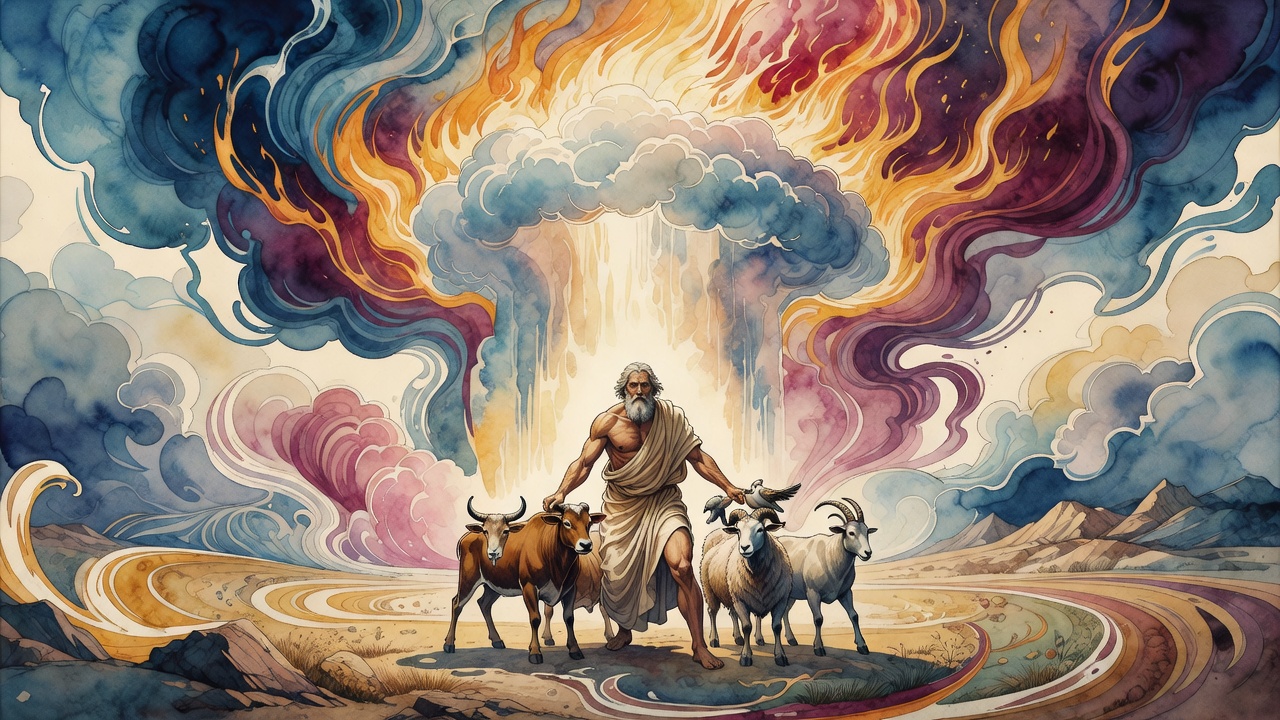
The word had already cut him free of his father's house. Abraham walked because God had said, "Get thee," and the land of promise answered with empty granaries and fields that cracked underfoot. No famine, the sages would later say, ever equaled that first test. The covenant was young. The road was older than comfort. He turned to Sarah and named the truth without poetry.
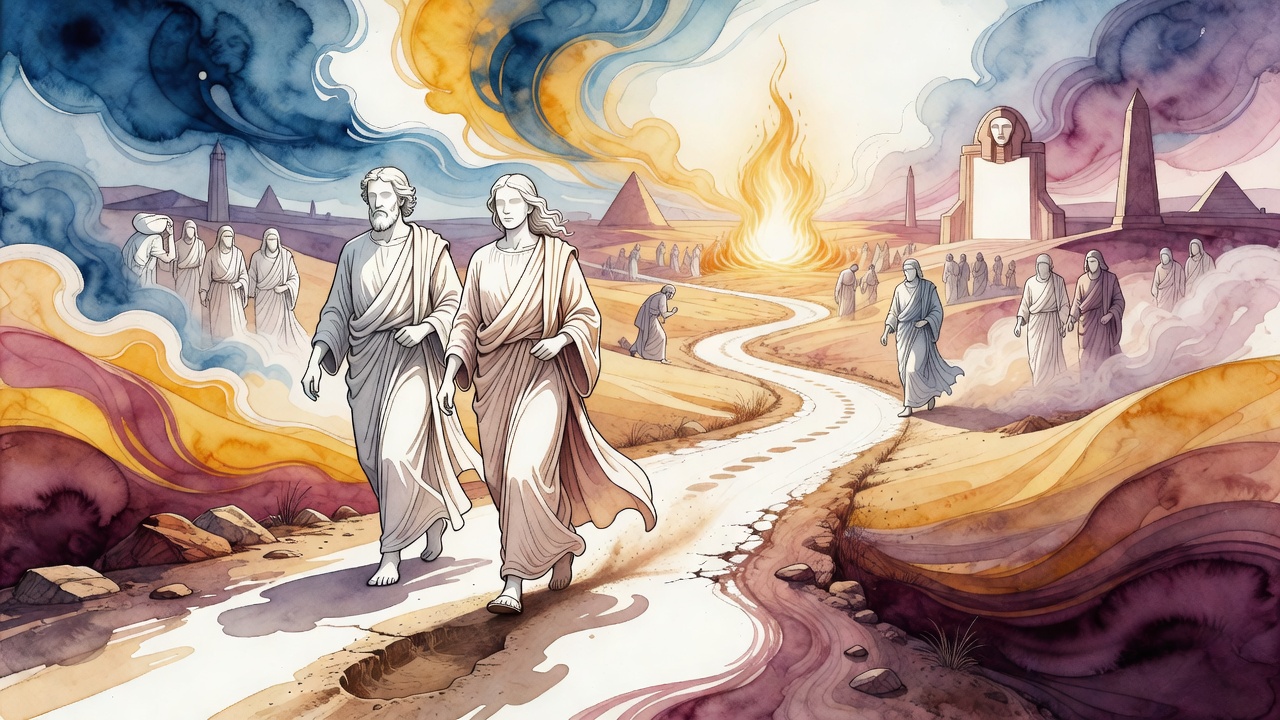
"There is a famine in our land," he said. "Egypt has bread and meat. We go." She packed what little still had value. They left with dust on their ankles and the Name still ringing in their ears from the first call. The Holy One was testing a righteous man so that his merit would be known in the world. Abraham did not know that yet. He only knew hunger walking beside beauty, and a southern border waiting like a trap set in sunlight.
Along the way he told himself Egypt was a pause, not a surrender. The land of Canaan would still be there when rain returned. He did not know that the pause would open a palace door.
Radiance on the Water
At the Egyptian edge they stood on the bank of the Nile. Water moved slow and brown-green, full of reflected sky. Abraham looked down and saw Sarah's face thrown back from the river, bright as the sun itself. Until that hour he had not fully seen her. The midrash insists on the shock. Compared with Sarah, every other woman was as a monkey beside a human. The line is cruel and exact. Abraham's mouth went dry. Years of marriage collapsed into a single new seeing.
"Now I know that you are a beautiful woman," he said. Knowledge arrived late, at the worst possible shore, where the men of Egypt were already known for appetite. He measured the distance between the water and the road, between a husband's fear and a prophet's trust, and chose a plan that tasted of both and satisfied neither.
He would hide her. He would bargain. He would pray later if prayer still had a door.
Barley, Wheat, Pepper, Gold
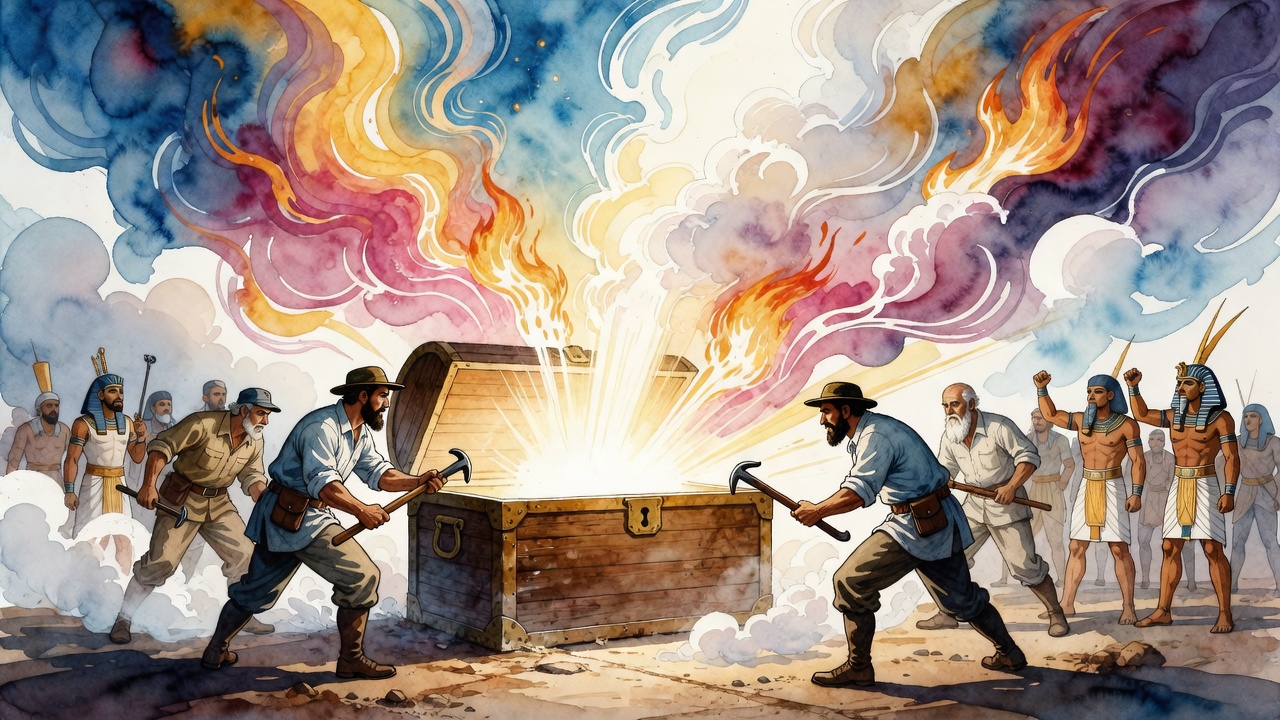
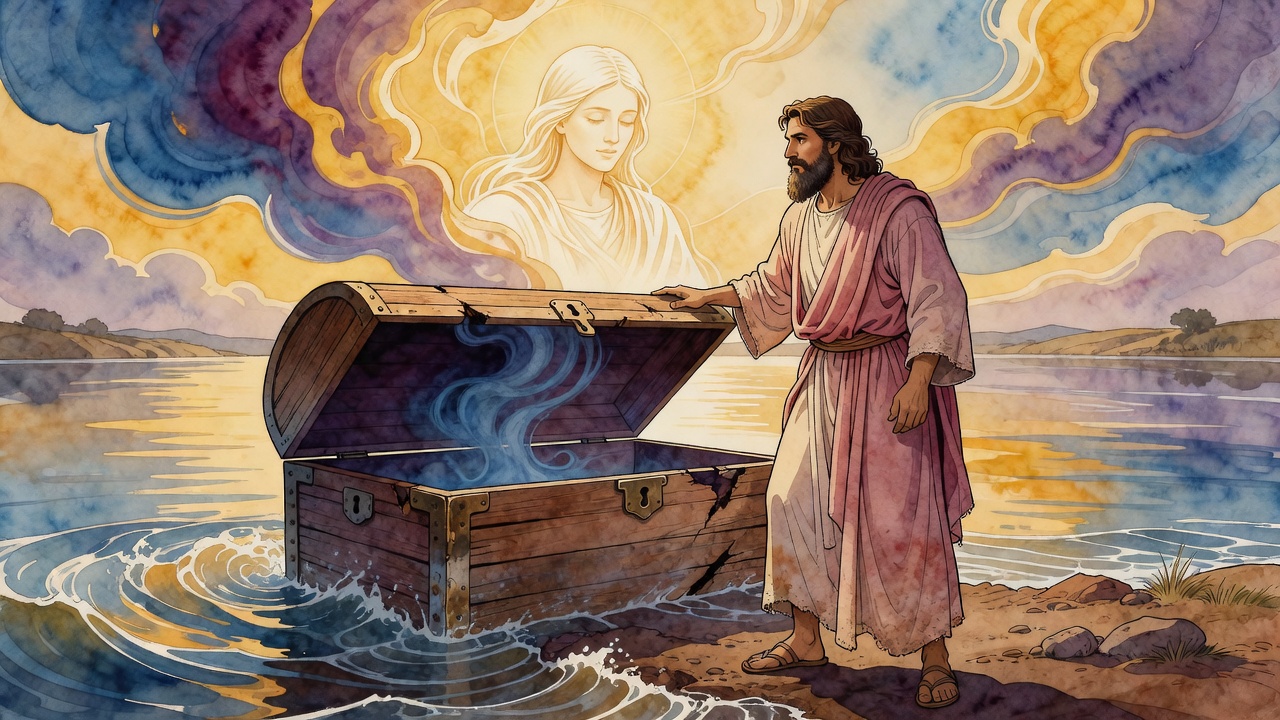
He hid her in a cabinet and locked it. The wood closed over radiance. At the crossing, tax collectors closed around him like flies on fruit. Staffs tapped the lid. Eyes measured the foreigner.
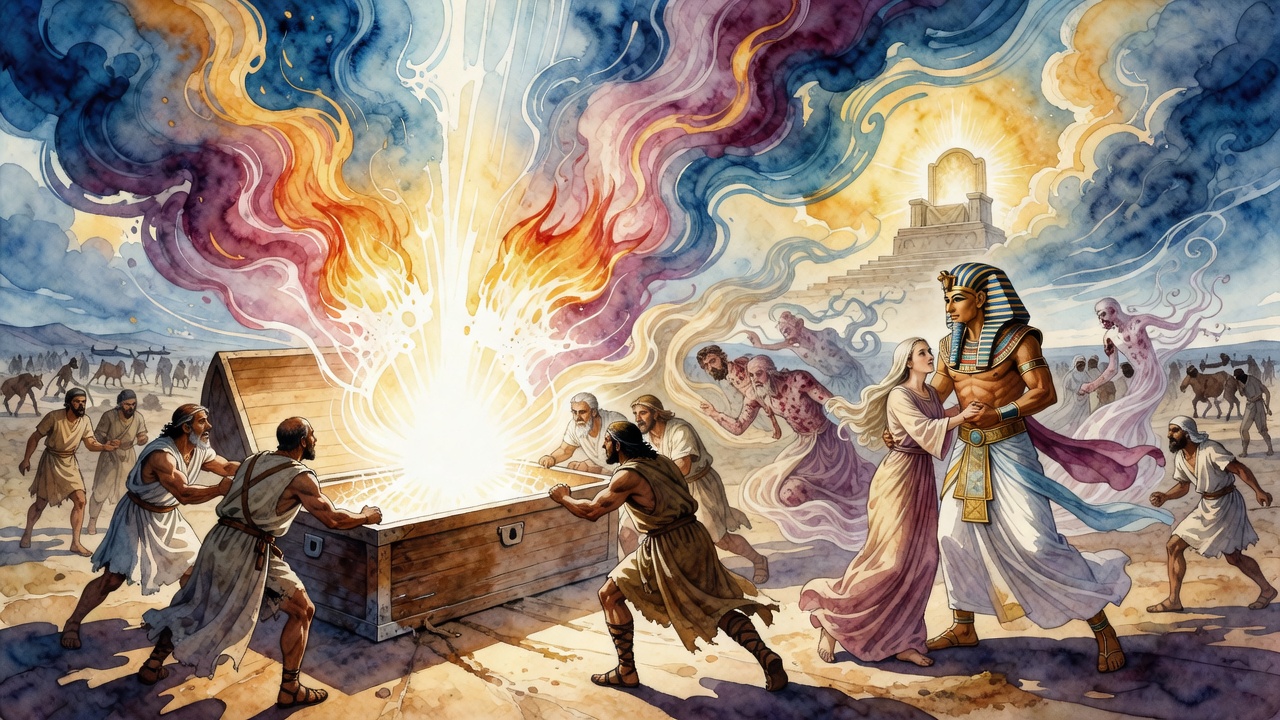
"What do you carry?" "Barley," he answered. "Not barley, wheat," they said. "Then tax me for wheat." "Perhaps pepper." "Then take the tax for pepper." "It must be gold coins." Each concession bought a second of delay and spent a measure of dignity. At last they forced the lid. Light seemed to climb out of the wood. The collectors stepped back as if burned. "She is not meant for a commoner," they said, and the princes of Pharaoh carried the report upward until the palace doors opened like a mouth.
Sarah was taken. The chest stood empty on the bank. Abraham stood beside the river that had shown him too much and wept without caring who watched.
A Prayer with No Dignity Left
"Master of the Universe," he cried, "is this the reward for my faith?" The prayer was not elegant. It was the sound a man makes when he has locked his wife in a box to save her and lost her anyway. He had tried to out-bargain Egypt and discovered that beauty is a currency no lock can hold. In later years the Holy One would visit Abraham while he sat recovering from circumcision, arriving before the angels, condescending to stand while the patriarch remained seated in the heat of the day. That mercy was still ahead. Here there was only panic, the palace, and a river that kept moving as if nothing holy had been interrupted.
God struck the house of Pharaoh. Plagues fell on the king who had taken what was not his. Sarah was returned with gifts that could not erase the hour in the chest. Abraham received her back as a man receives a life he almost talked himself out of protecting wisely.
The Test Written as Travel
Famine had been the first shove. The Nile had been the mirror. The cabinet had been a failure dressed as strategy. When they left Egypt they left richer and more marked, carrying the knowledge that the road of "Get thee" runs through places where righteousness does not cancel danger. Abraham walked north again with Sarah free at his side, the sun on the water still burning behind his eyes.
He would face kings by night in years to come. He would argue for Sodom. He would climb Moriah. None of those later trials erased the simple terror of a tax post and a forced lid. The Holy One had not abandoned him at the Nile. The Holy One had also not made Egypt gentle. Faith learned to walk with fear without letting fear choose every lock and every lie.
← All myths