David Reminded God About the Man Saved in Another Cave
Lot's daughters bore Moab in a cave above Zoar. Generations later one of their descendants lay hiding in a cave of his own while Saul hunted him.
Table of Contents
 Click for full size
The Cave Where the Song Was Written
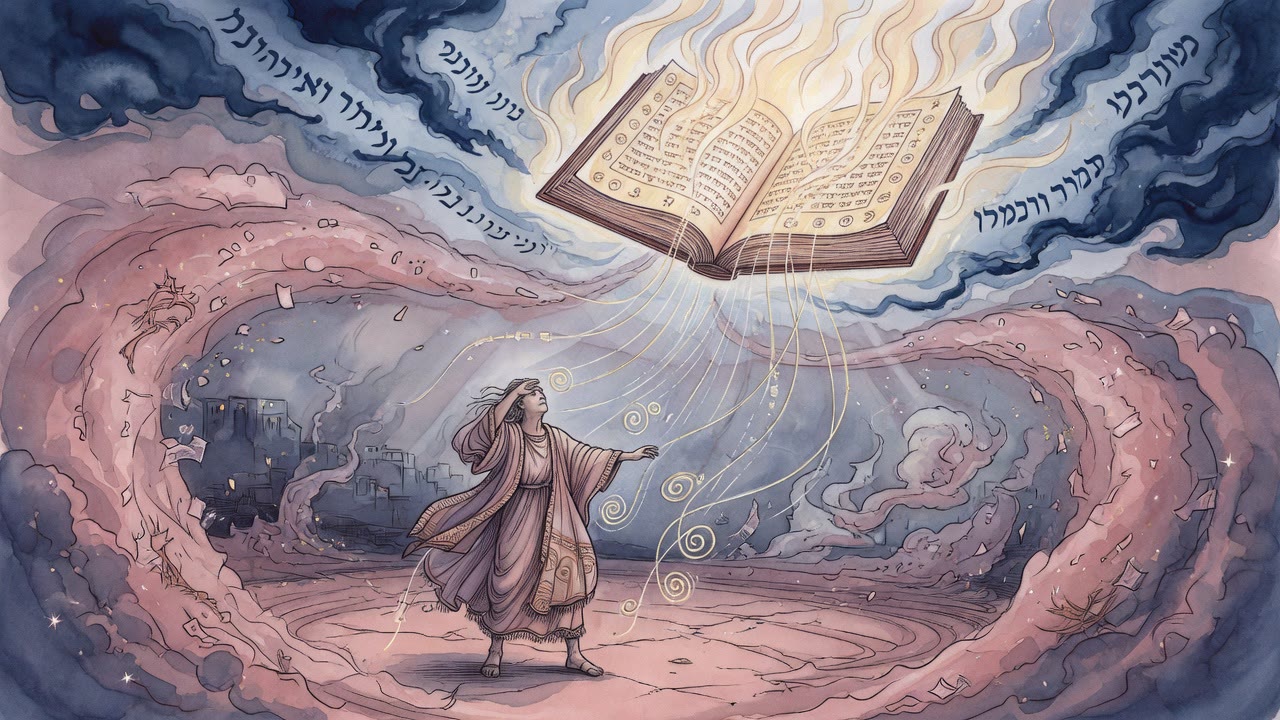
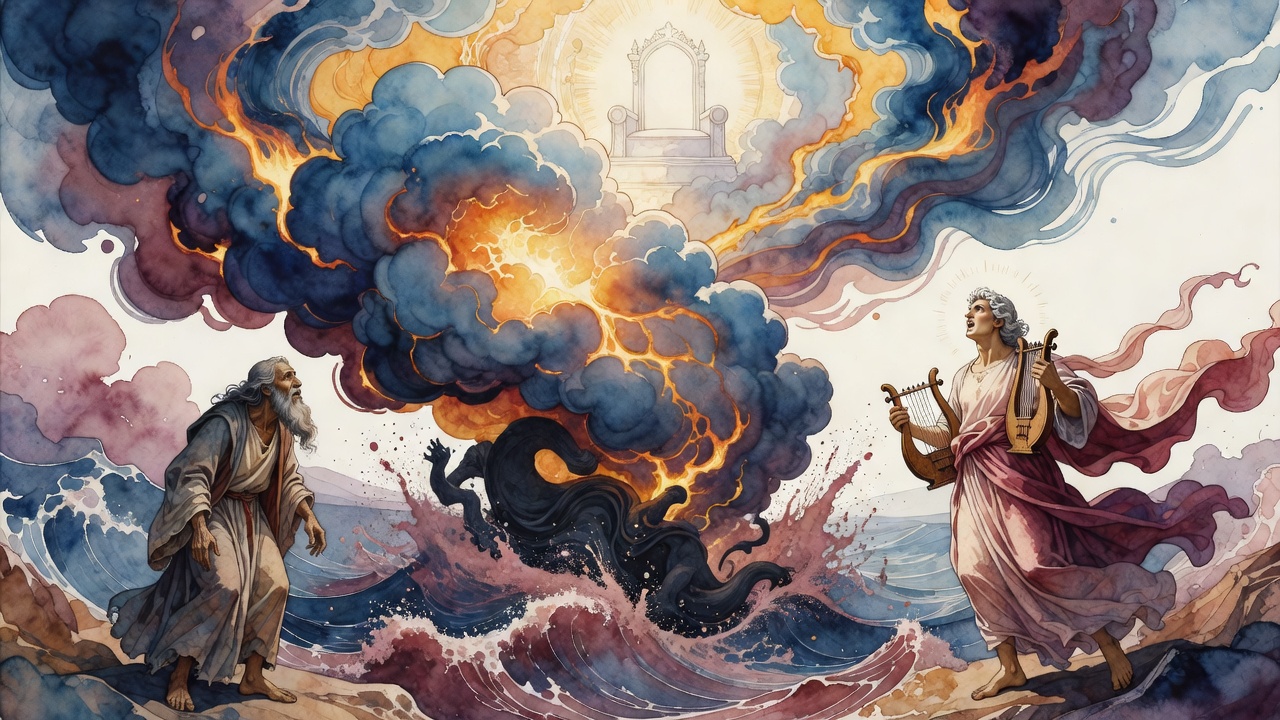
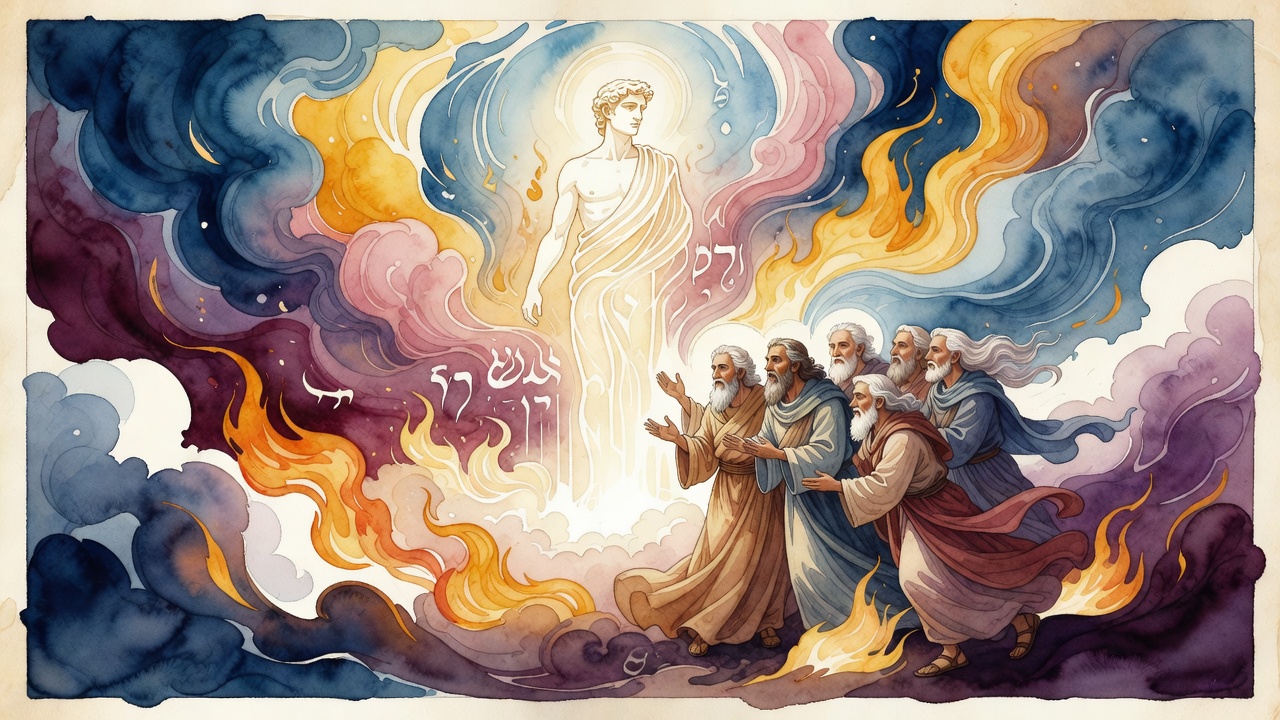
The hills outside were full of men looking for him. David lay in the dark of a cave with his people around him, listening for horses, and what came out of him there was not a battle plan. It was a song, and the song opened with two words of pleading. Do not destroy.
He did not ask for victory. He asked to be left alive, and then he did something stranger than asking. He opened an argument.
"Master of the universe," he said, "before I ever went into a cave, You were already doing kindness for other people on my account."
The Kindness Done in Another Cave
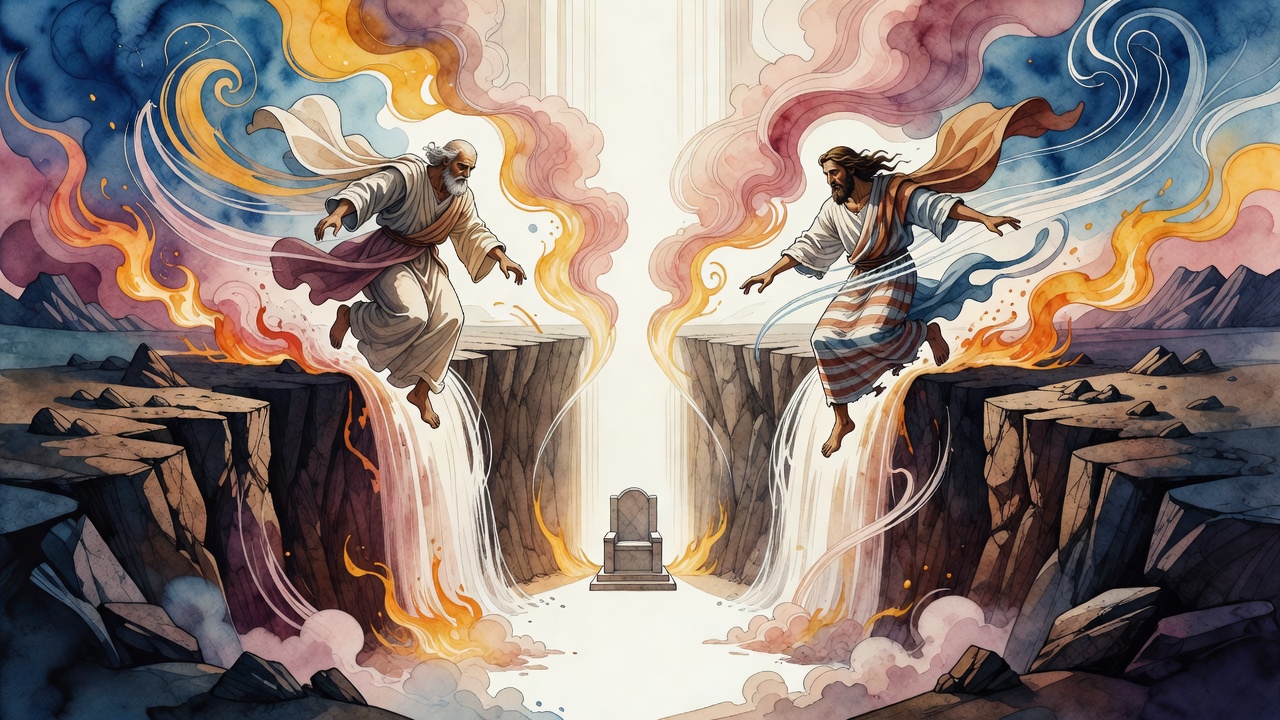
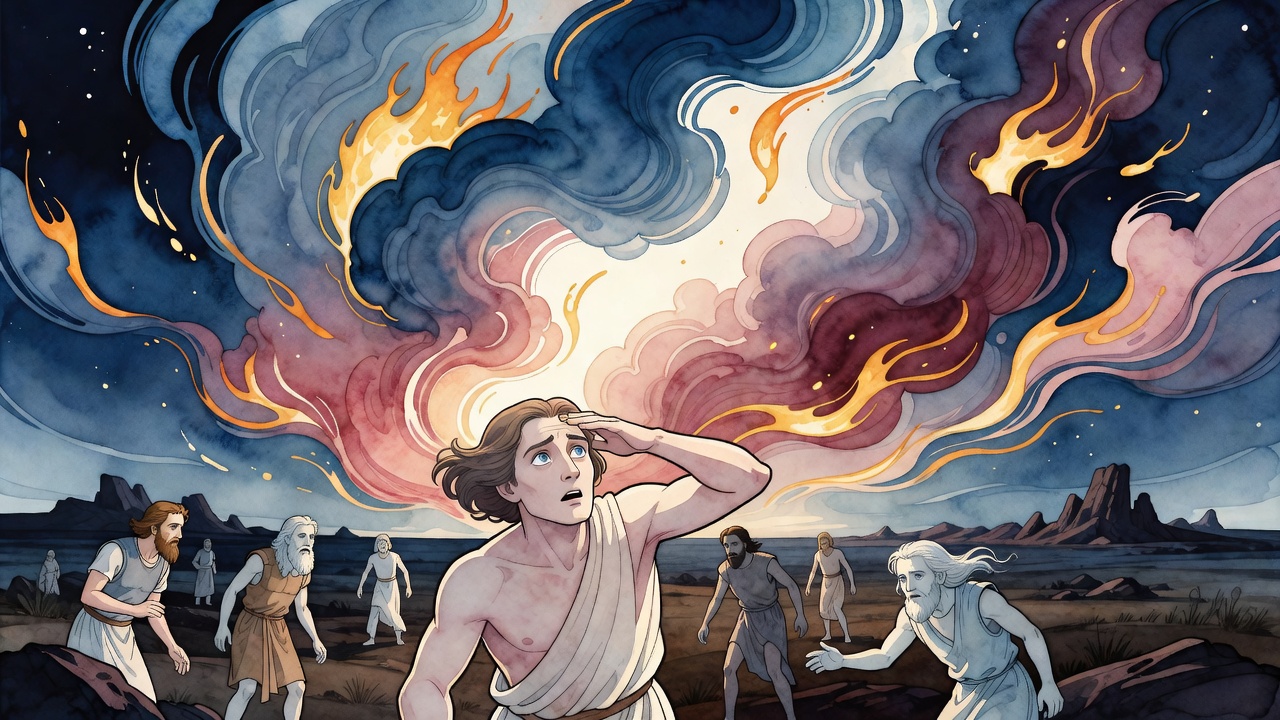
He meant Lot. Fire had come down on Sodom and the plain had burned, and Lot had run to the little town of Zoar and then been too frightened to stay there. He went up the mountain with his two daughters and settled in a cave. What happened in that cave produced a son called Moab.
Moab's line ran down through the centuries to a Moabite woman named Ruth, and from Ruth to Obed, and from Obed to Jesse, and from Jesse to the youngest son who kept the sheep. So David, pressed into the rock with Saul's search parties working the ridge above him, made his claim. Sodom burned and Lot walked out of it because heaven was already protecting a man who would not be born for centuries. The rescue in that first cave had been done on credit, and David was calling in the account from inside a second one.
Do not destroy, he said. You did not destroy then.
The Line That Nearly Ended Twice
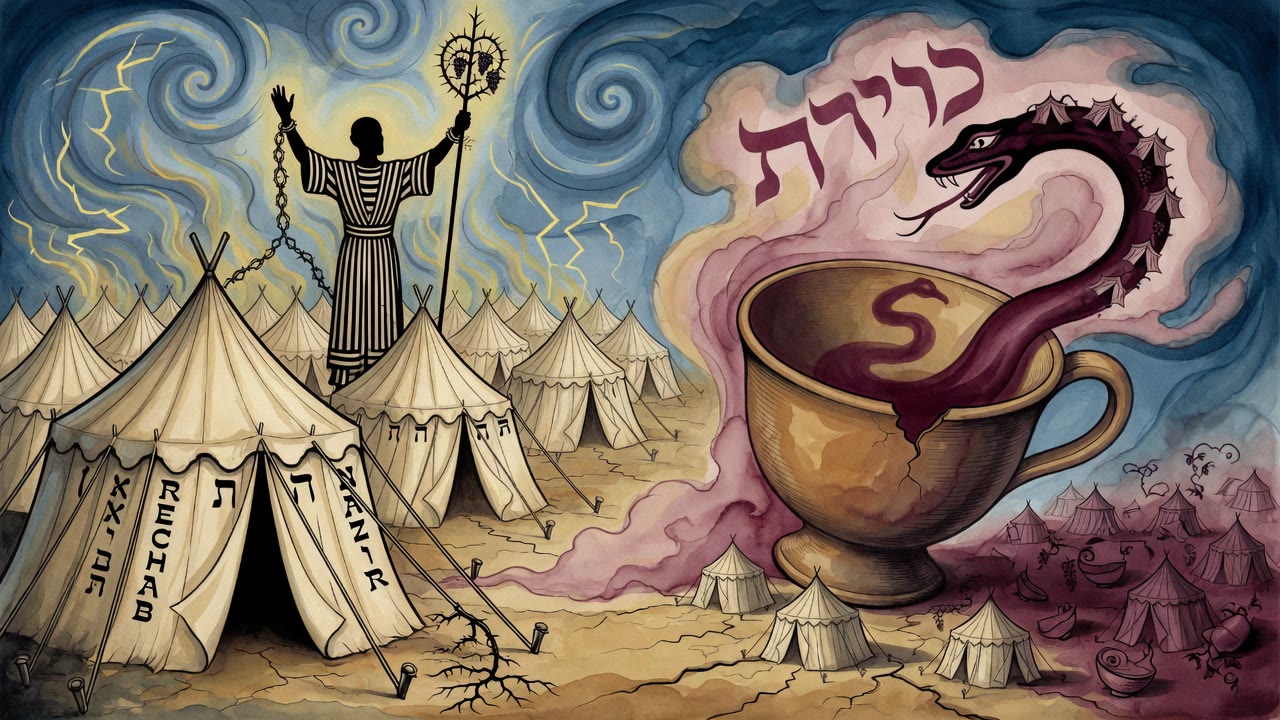
The family he was arguing from had almost failed more than once. Judah walked away from his brothers after they sold Joseph and went down to Adullam, where he fell in with a local man named Hira. He married a merchant's daughter there, the brightest woman in the place, and she gave him three sons.
Er, the firstborn, was wicked in the sight of God and God killed him, and the name he had been given turned out to say so: Er, a man cleared out of the world. Onan went the same way and his name spelled the mourning he brought on himself. Only the third one, Shelah, carried a name that meant a chain continuing, and the family went on through the wreckage of the other two.
Hira did not disappear either. When David sat as king in Jerusalem, a man called Hiram of Tyre sent him cedar and craftsmen and stayed his friend all his days, and there were sages who insisted this was the same Hira who had walked beside Judah into Adullam. Twelve hundred years, one of them counted. Five hundred, said another. Either way the man was in the habit of befriending that tribe, and he waited out whole empires to do it again.
The Son Who Said Neither Good Nor Bad
The trouble that finally drove David out of Jerusalem came from inside his own house, and it came quietly.
Joseph's brothers had at least hated him out loud. They could not speak a peaceable word to him and everyone in the tent knew where they stood. Absalom was not built that way. After his brother Amnon violated their sister Tamar, Absalom said nothing to him, neither good nor bad, for two years. Nothing on his face. Nothing in his mouth. Then he invited Amnon to a sheep-shearing feast and had him killed at the table.
Years later that same son took the kingdom out from under his father, and David went up the road out of Jerusalem on foot, weeping, with his head covered. Save me from the ones who speak peace to their neighbors while evil sits in their hearts, he prayed. Do not drag me off with the wicked.
The Court That Would Not Take a Bribe
He kept arguing. He complained that his sentence had come out against him, and heaven answered him like a judge losing patience.
"I set up a Sanhedrin for you," God said. "Seventy-one judges, and they heard your case for nothing."
"You wrote in Your own Torah that a judge may not take a bribe," David said, "so my judges are afraid to take one from me. But You take them. You take repentance from the wicked, and good deeds, and prayer, and then You go easy on them. My verdict came from You."
The answer came back not to David but past him, to everyone standing behind him. While the gates of prayer are still open, pray and turn back, because in this world I do take a bribe. When I sit for the judgment of the world to come, I take nothing from anyone.
A man walking a dark road without a lamp catches his foot on a stone he never saw, walks into a tree, goes down the bank into the river, and does not know where he is. A man walking with a lamp in his hand finds the stone and steps around it. David said he had tried, more than once, to go where he should not go, and the words he had been given would not let go of his ankles. They kept lighting the ground in front of him.
← All myths