God Lent Moses Both Scepter and Holy Name
Unlike jealous kings, the King of Glory shared staff, whirlwind, throne, and even name, binding Israel to Heaven through Moses the joiner.
Table of Contents
 Click for full size
Who Is This King of Glory
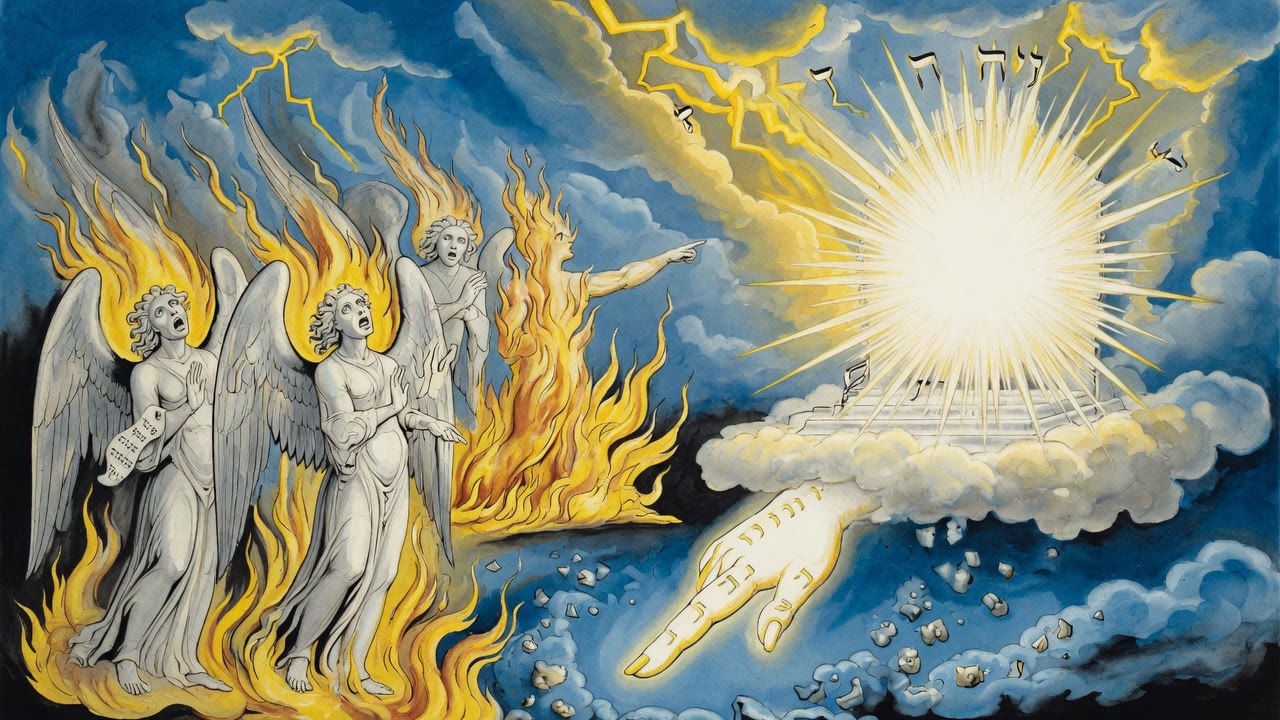
"Who is this King of Glory? The Lord of Hosts, He is the King of Glory, Selah" (Psalm 24:10). Rabbi Simon heard in the title a king unlike the kings of earth who sleep poorly when a deputy sits too near the throne. A mortal ruler guards horse, throne, and scepter as private property. He does not hand them to servants and still rest easy. The Holy One shares His honor and remains whole.
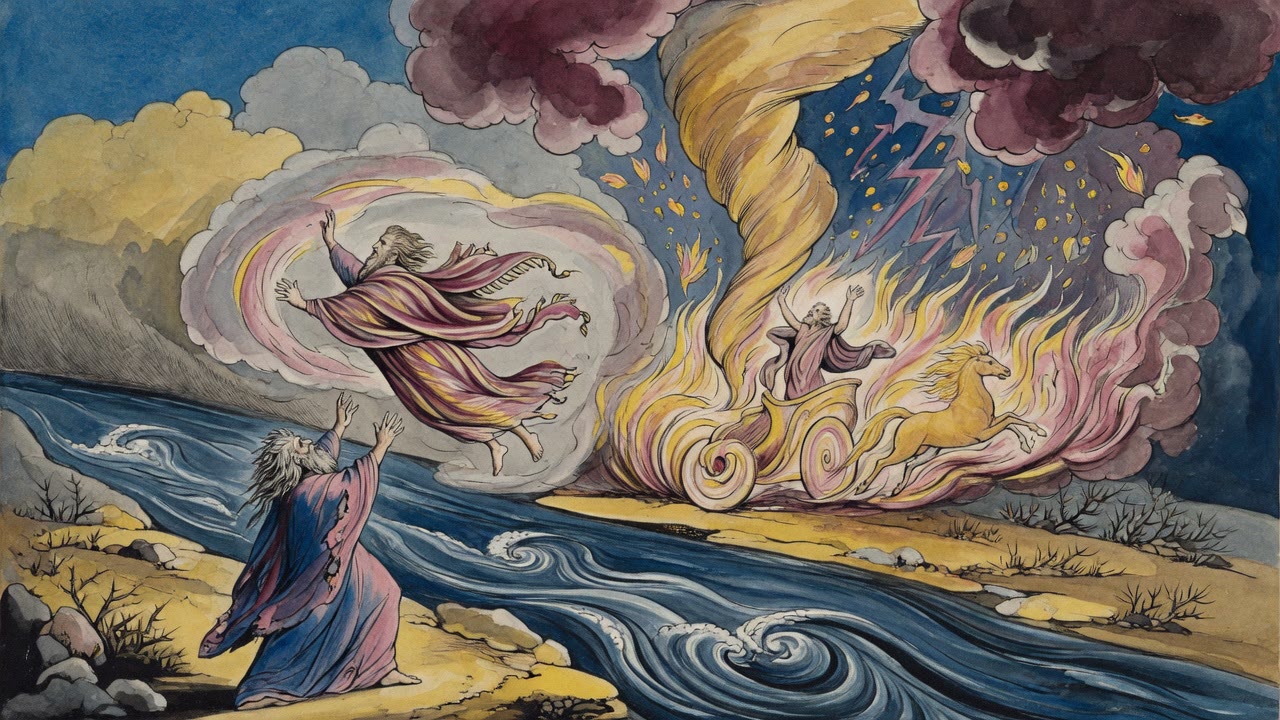
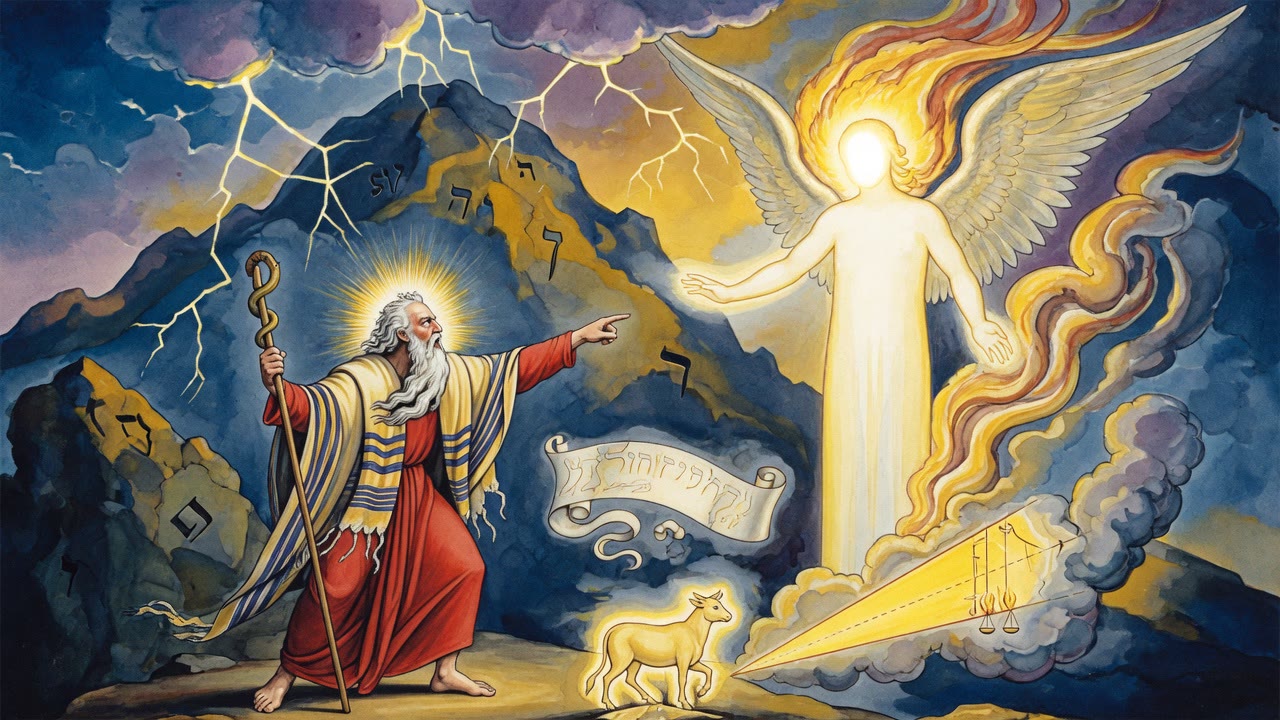
Moses took "the staff of God" in his hand (Exodus 4:20), not a private stick of wood but the scepter of Heaven loaned for a mission. Elijah rose in a whirlwind, as if riding the very storm that is Heaven's mount (2 Kings 2:11). Solomon sat on "the throne of the Lord" as king (1 Chronicles 29:23), a seat that still belonged to the One who placed him there. The King Messiah receives a crown of fine gold from God Himself (Psalm 21:4) and is made glad with the joy of the divine presence (Psalm 21:6). Glory here is not a hoard locked in a vault. It is a loan that still belongs to the lender even while it shines on a human brow.
Called by the Divine Name
A mortal king rarely calls his deputy by his own title. God said to Moses, "See, I have made you as God to Pharaoh" (Exodus 7:1), a sentence that should frighten anyone who understands it. "I said, You are gods" (Psalm 82:6) echoes the same shocking generosity toward those who judge and lead under Heaven. Israel itself is commanded, "You shall be holy, for I the Lord your God am holy" (Leviticus 19:2), and called a holy people (Deuteronomy 7:6). The people are not invited to steal divinity. They are drafted into a likeness that still knows its source and still answers when the source calls them back.
Sharing does not make God smaller. It makes servants larger under a yoke that is still His. The name on loan is heavier than a name invented in pride. Pharaoh's court is the right place to see the loan at work. Moses does not invent authority out of charisma. He carries a staff that is already God's and a title that is already God's, and he speaks because he was sent. The Egyptians meet a deputy, not a rival deity. Israel later meets the same pattern when holiness is demanded of them: be holy because He is holy, not because you invented a glow.
Jered, Gedor, Heber
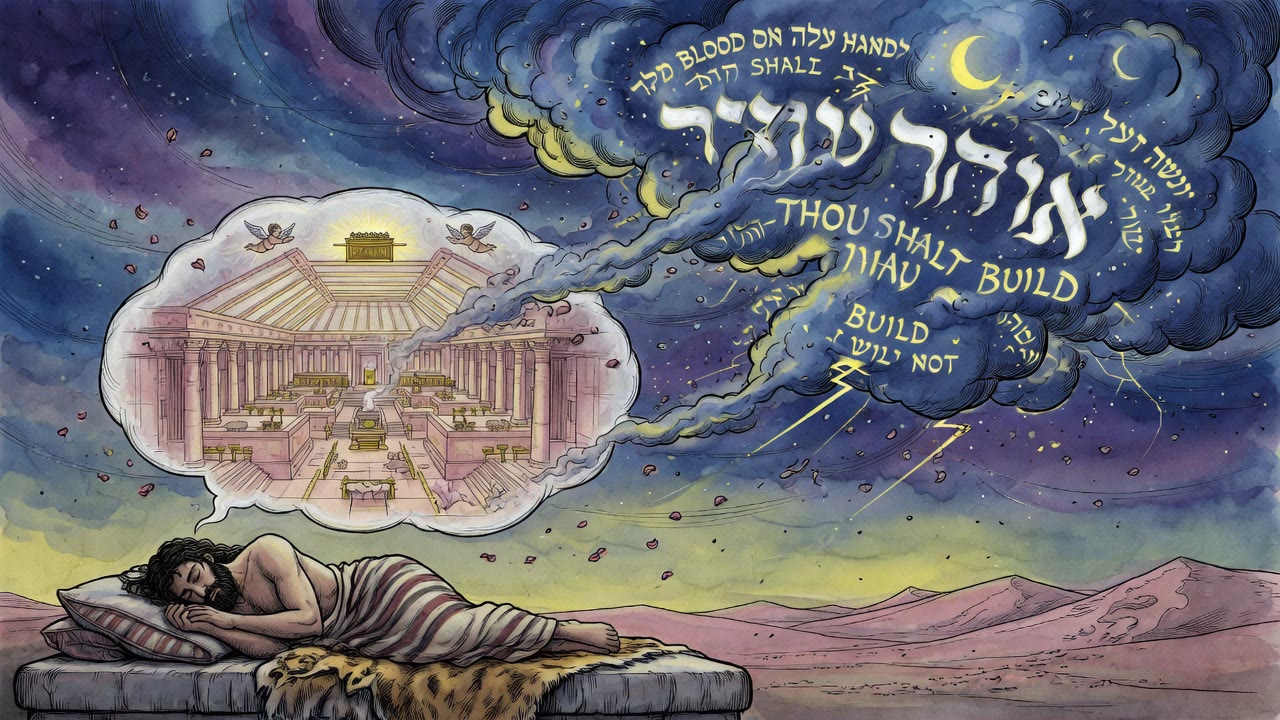
The midrash mines names for Moses until each one becomes an office with a job description. Jered, "the one who brought down," is also dominion, as a king "may have dominion from sea to sea" (Psalms 72:8) and as Solomon ruled beyond the River. So Moses is crowned as a kind of king over Israel, not by popular vote but by the work of bringing Torah down and ruling through it. Father of Gedor sounds like the builder of a protective fence. Israel produced many guardians in later generations who stood in breaches. Moses was the father of them all, first and greatest of those who plant themselves between the people and ruin. Heber echoes the root "to join." Moses joined the children to their Father in heaven. He was not only lawgiver and general. He was the joiner who bound a wandering people back to their Maker when the bond had frayed in Egypt and in the sand.
Staff, name, fence, join. The titles stack until leadership means connection more than command, and command itself is only a tool for the joining. The fence-builder image matters when the people fray. A king who only collects taxes is not Jered. A leader who only wins battles is not Gedor's father. Moses becomes Heber when the bond to Heaven is the thing under threat, in Egypt's gods and in the calf and in every hour when the camp wants to unjoin itself. The joiner's work is quieter than a miracle and lasts longer than a plague.
Honor That Circulates
Earthly glory clutches and still loses sleep. Heavenly glory circulates and still remains whole. Moses walks into Pharaoh's court with a borrowed scepter and a borrowed title, and the borrowing is the point of the story, not a flaw in it. Elijah's ascent does not dethrone God. Solomon's throne does not empty Heaven. The Messiah's crown will still be set by the same hand that set the sun. And the people who camp under banners will still be holy only because He is holy first, a reflected light that knows the lamp.
When the gates ask who the King of Glory is, the answer is the Lord of Hosts. When the people ask who binds them upward after slavery and fear, the answer is the man who carried the staff and the names that join, Jered and Gedor and Heber, king and fence and bond. The scepter returns to its owner. The people remain joined if they keep the join. The psalm does not name Moses as the King of Glory. Moses is the evidence that glory can be lent without being lost, and that a people can be joined upward by a man who never forgot which hand held the scepter first.
← All myths