Hadar of Edom Who Grew Too Tall for Gold
In Pahu the floors shone and servants walked softly. Hadar looked at the chests of gold and asked what they were even for.
Table of Contents
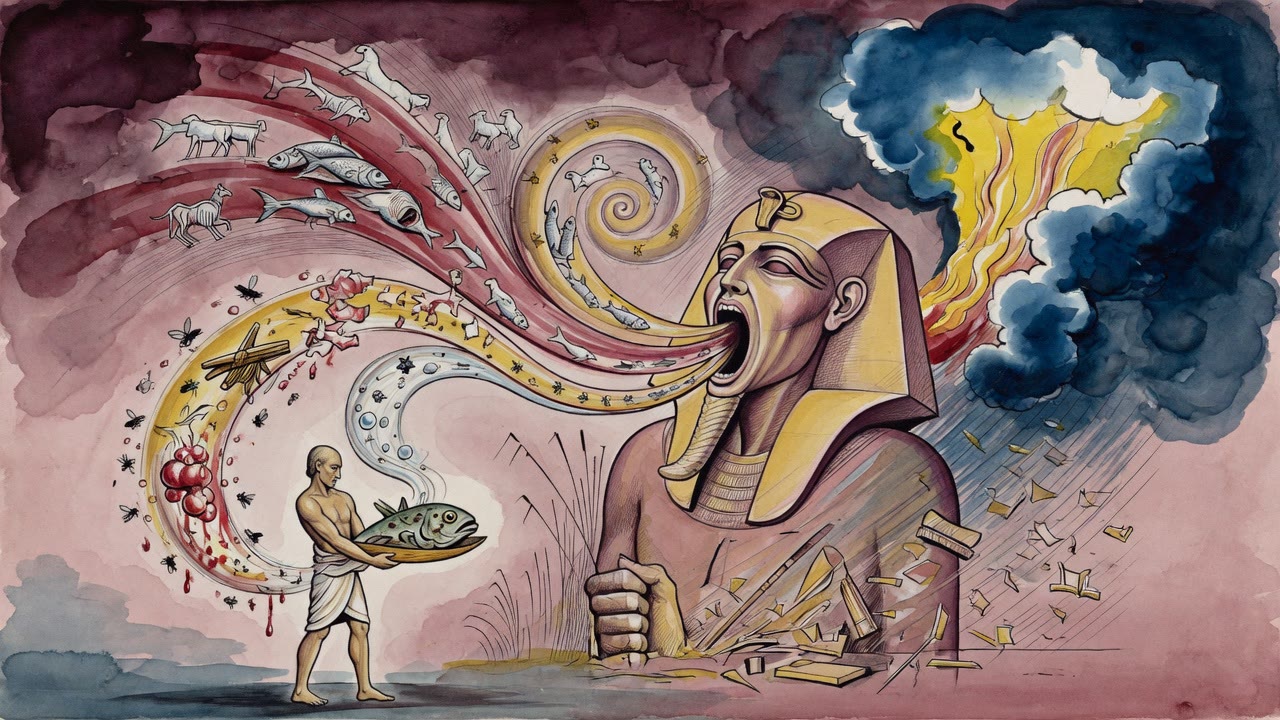
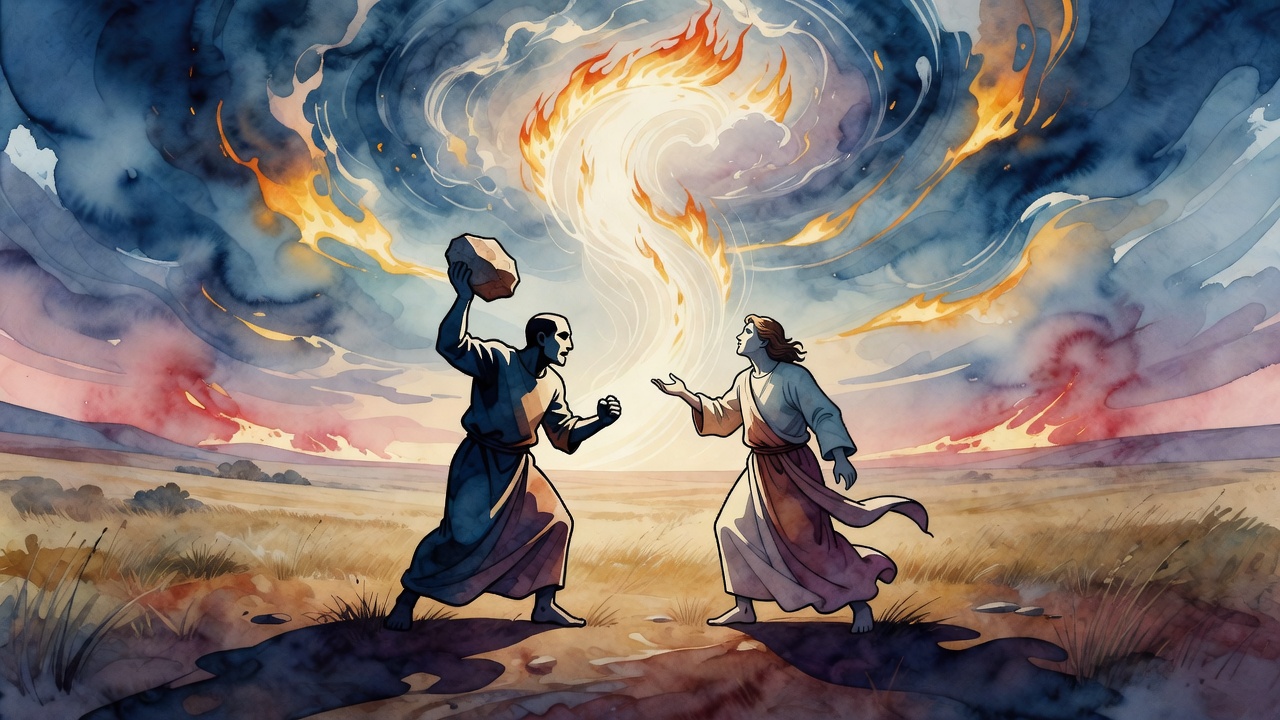
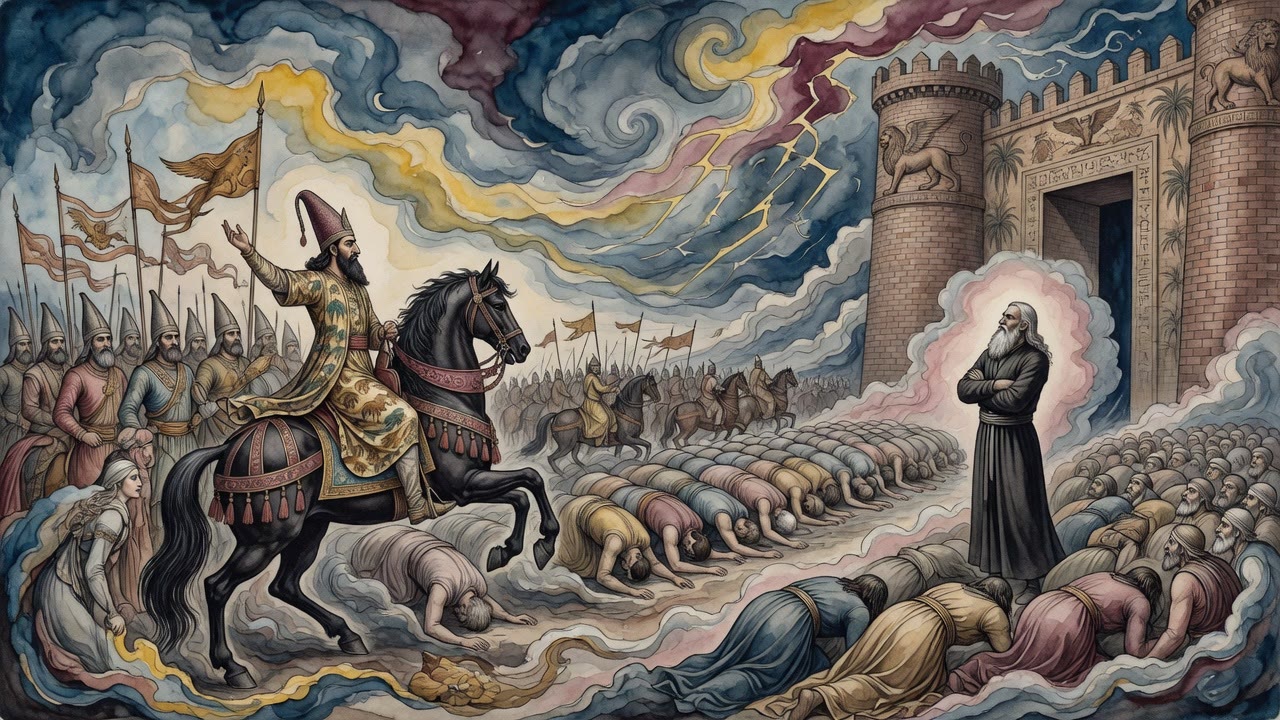
Hadar stood in the palace at Pahu and looked at the gold the way a man looks at a thing he has already beaten. Chests lined the walls. Lamps burned oil that cost more than a herdsman's year. Servants crossed the floors on their toes, as if noise itself were cheap.
 Click for full size
"What is silver," he said, "and what is gold?"
It sounded like wisdom. It was not. The man who had climbed out of nothing had grown too tall to bow to the gift that put him on the throne.
He Climbed From Nothing
Bela died. Jobab reigned. Jobab died. Husham reigned. The list of Edom's kings walks like a dry procession until Baal Hanan's son, ruling from Pahu, married to Mehetabel daughter of Matred (Genesis 36:39).
Hadar had labored. Perseverance. Vigilance. The kind of work that leaves a man's hands cracked before it leaves them clean. He climbed from a place no one remembered. He built the palace. Silver came. Gold came. Rooms began to shine.
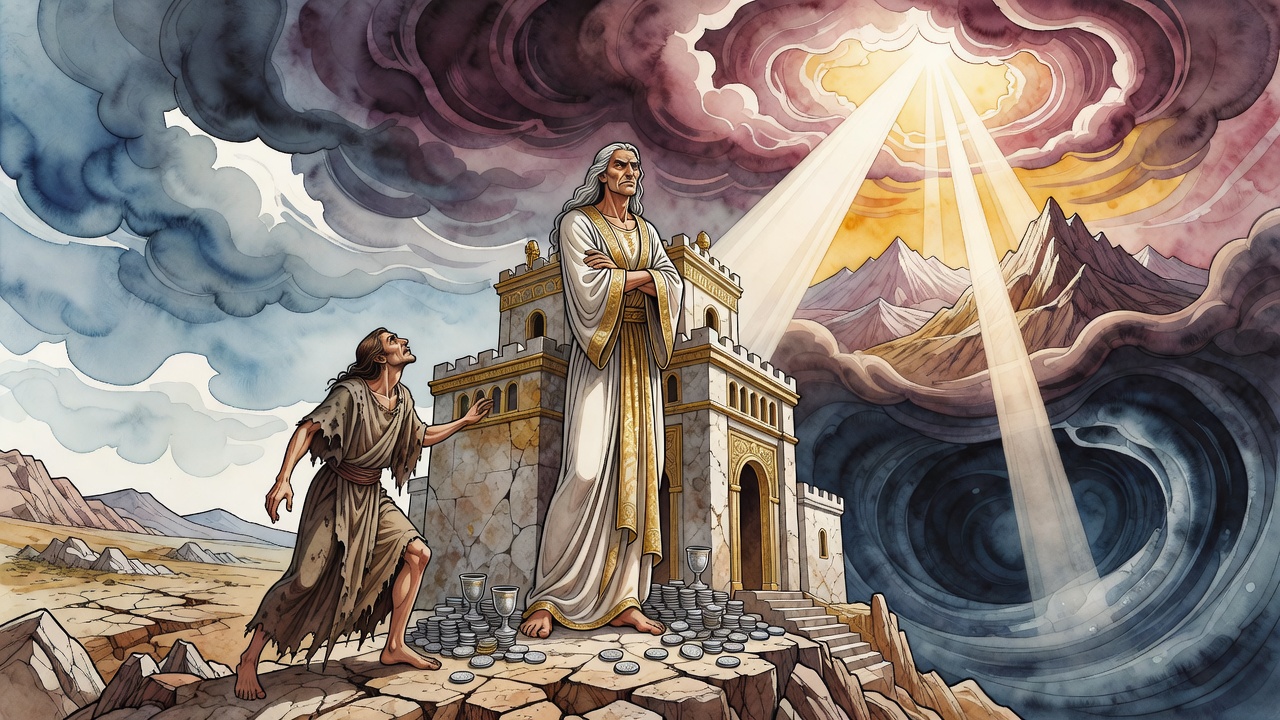
Then the loftiness rose in him. The same hands that had once counted coins now waved them off as if they were flies. He did not empty the chests to feed the poor. He emptied the meaning out of the chests so that no one, not even Heaven, could claim his thanks.
The Sneer in the Lamp Light
The old teaching names the rich man as the one who rejoices in his portion. Hadar had everything and rejoiced in nothing. He still ate from gold plates. He still called the meal worthless. The contempt sat in the room like a guest who would not leave.
Outside the walls a herdsman thanked God for a single ewe that lived the winter. Inside, Hadar asked what gold was. Edom's line ends on that question. Not on empty storehouses. On a king who cannot bow to the Source of full ones.
A Mother Named Him Tall
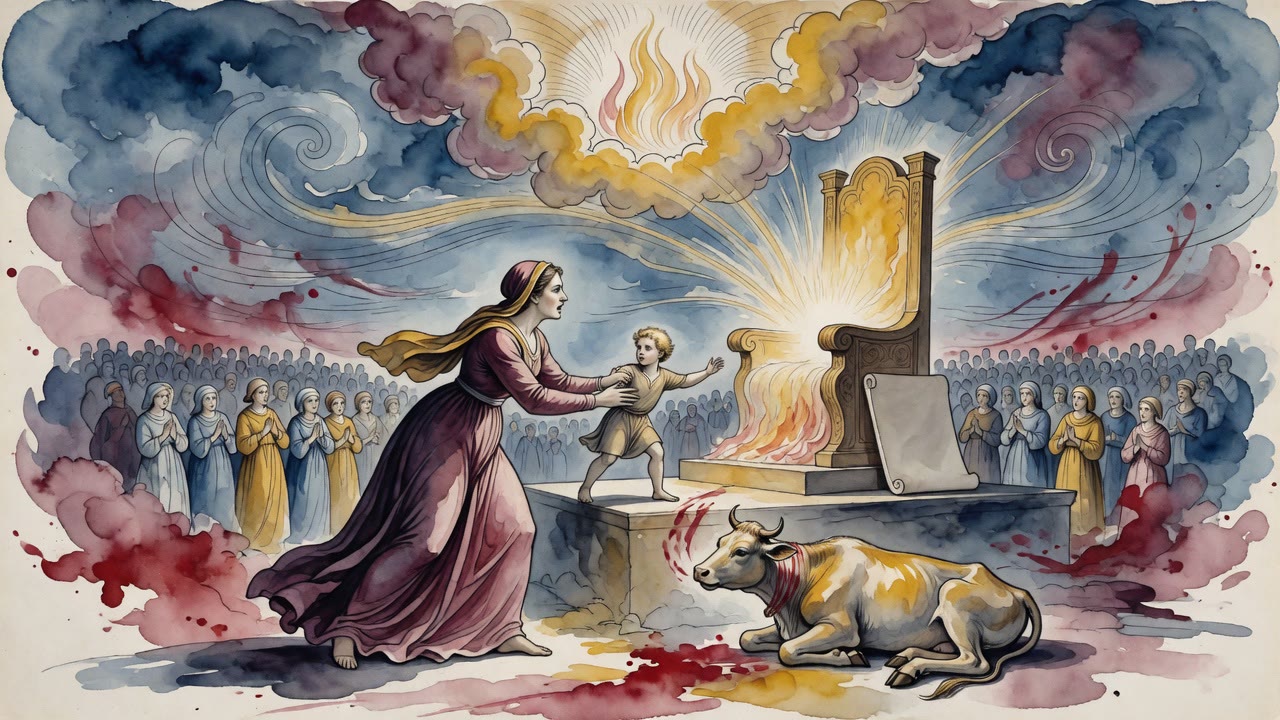
A woman in a province that sent swordsmen to the king gave birth to a puny son. She named him Tall and Quick. She brought him to the officers and asked why they would not make him a great swordsman. They looked at the boy.
"If in your eyes he is tall and quick," they said, "in our eyes he is the puniest of the puny."
Rabbi Yudan heard little foxes in the Song of Songs and named them Esau and his nobles. Father and mother both called Esau gadol (גדול), great, the elder son (Genesis 27:1, Genesis 27:15). God answered through Obadiah: "Behold, I made you small among the nations" (Obadiah 1:2). A mother may dress a weak son in the name Tall. Heaven is not fooled by the costume.
The foxes ruin vineyards still in bloom, Israel's fruit not yet ripe. Four little kingdoms, said Rabbi Berekhya, can spoil a vineyard if no one stands in the breach. In Pahu the lamps still burned expensive oil. Hadar no longer bothered to see them. Heaven was already measuring him for Botzrah's slaughter (Isaiah 34:6).
Marble Pillars and a Reed Mat
Rabbi Joshua ben Levi walked in Rome and saw marble pillars wrapped against heat and cold so the stone would not crack. Then he saw a beggar shivering under a reed mat, one mat beneath, one mat above. Empires polish stone. Heaven still counts who freezes.
In a study house Rabbi Ishmael and Rabbi Akiva took the same verse in their mouths and would not share a reading. "Your righteousness is like the mighty mountains. Your judgments are a great deep." Ishmael split the verse in two. Mercy like mountains for those who keep the Torah given on a mountain. A fathomless reckoning for the wicked. Akiva refused the split. God is exacting with everyone, collecting the few sins of the righteous now so their reward can be whole later, and paying the wicked their few merits now so nothing softens the final account.
Mountains press down on the abyss so it cannot flood the world. Mountains are visible and bear fruit. The deep is hidden and barren. Hadar's loftiness belongs to the deep. Hidden pride. No fruit. A fall that will not be partial.
The Deep Under the Throne
Hadar's question returns as a trap. If nothing created can humble him, then nothing created can save him either. The mountains of mercy still stand for those who keep Torah. The deep still waits for those who treat the world as a joke once they own a slice of it.
Silver is not the enemy. The sneer is. When a throne teaches its people that gratitude is for the small, the deep under that throne has already begun to open.
In Pahu the servants still polished surfaces their king would not look at. The chests still held what they held. The last name on Edom's list had already spent the only coin that mattered, and he had spent it on contempt.
← All myths