Isaac Lost His Sight After the World Honored Him
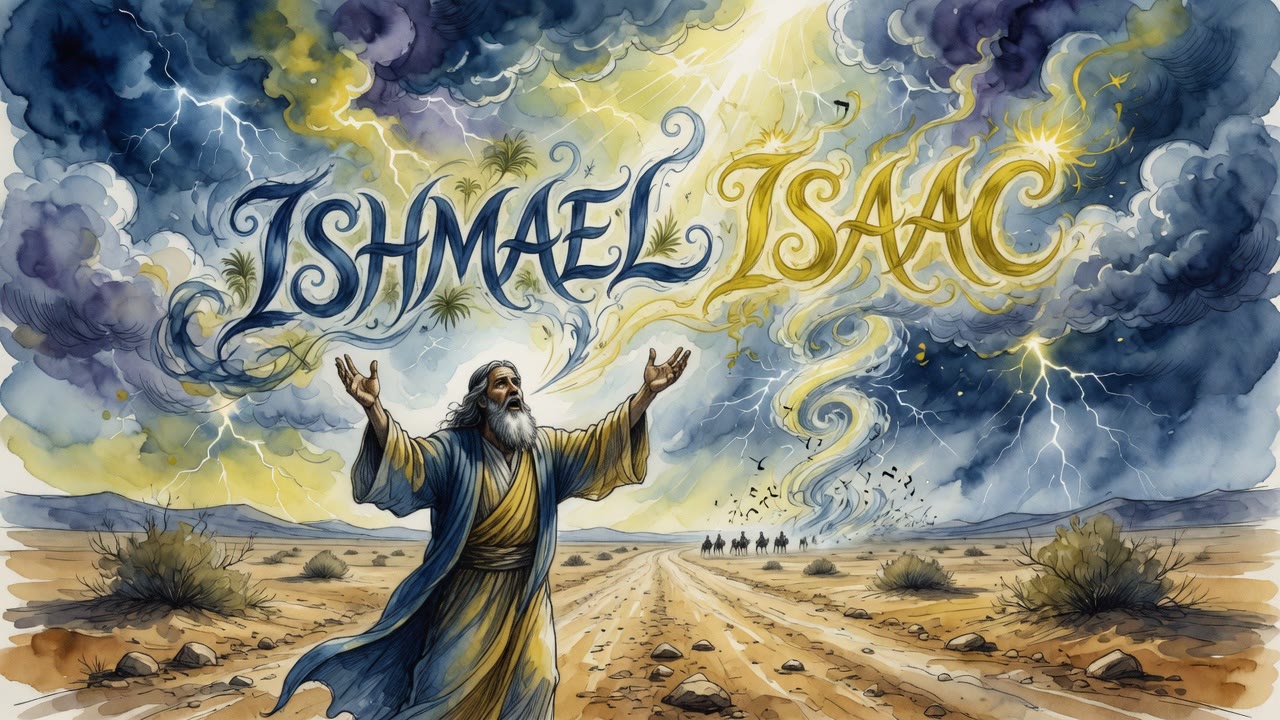
Abimelech bowed to Isaac's blessing, then the light left his eyes. Abraham's name poured like oil while patriarchal song was only fragrance on the wind.
Table of Contents
 Click for full size
Honor at the Door
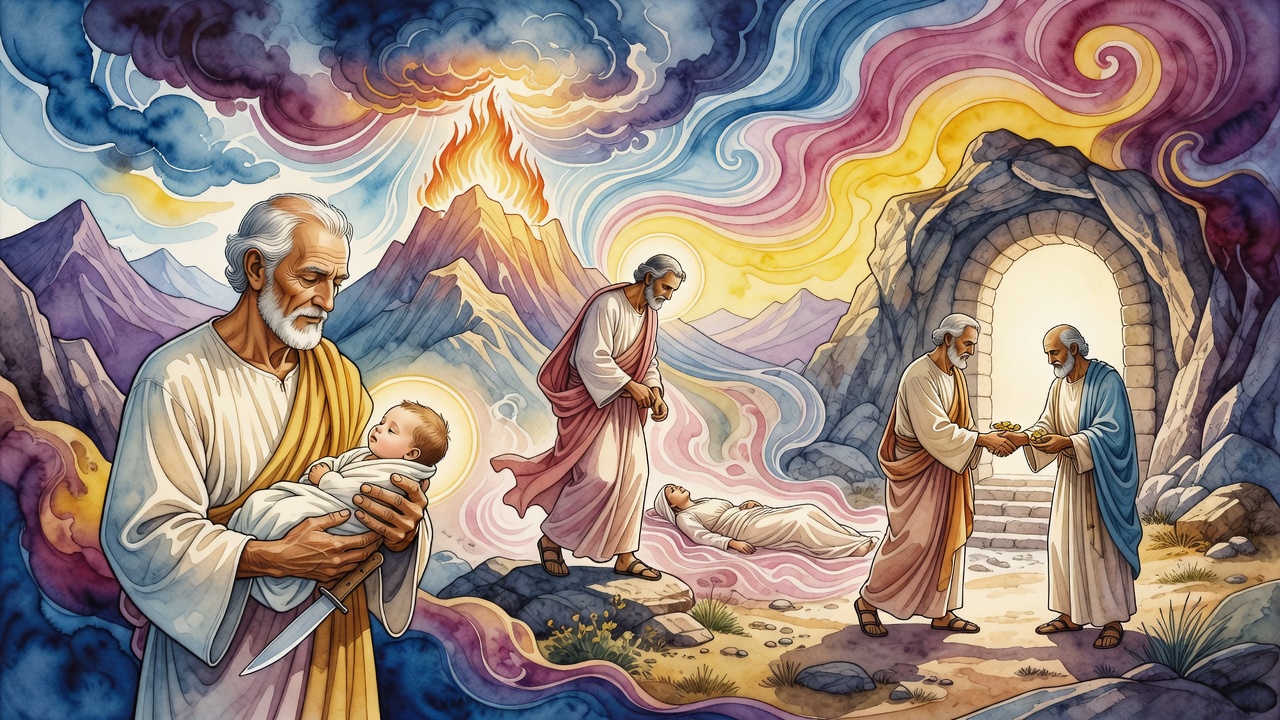
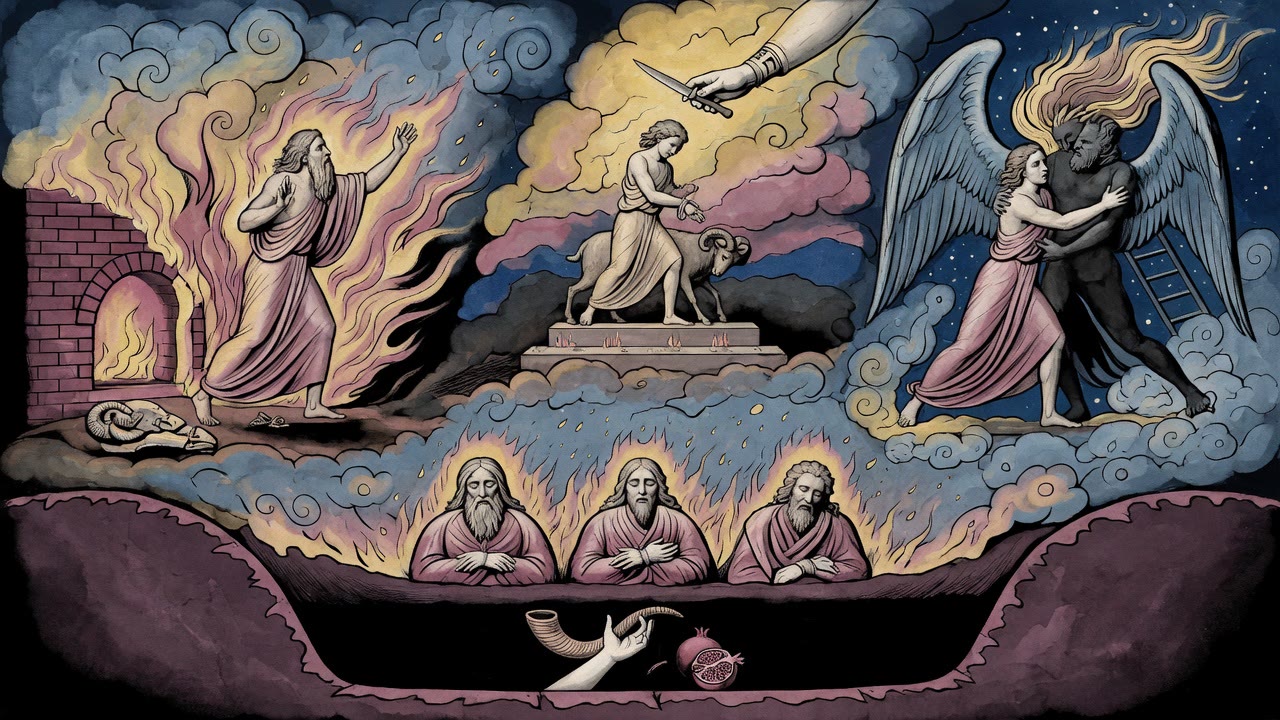
The Holy One had snatched Isaac from the sword and from the fire of the altar. He rescued him from the men of Gerar and revealed who he truly was, so that they came humbly to his door. Abimelech journeyed from Gerar and confessed, "We have surely seen that the Lord has been with you" (Genesis 26:28). Height of honor. Height of gladness.
The next word the midrash hears is not another feast. "When Isaac was old, his eyes grew too dim to see" (Genesis 27:1). Light left the man who had been bound as the Holy One's own burnt offering.
Joy as a Guest
If even Isaac, the righteous one, the offering brought near, did not remain forever in his happiness, what of the wicked who build merrymaking on nothing? The Psalmist warns, "I said to the boastful, do not boast" (Psalms 75:5). Joy is real, but it is a guest, not a possession. The wise hold it lightly and bless the One who gives and takes away.
Isaac's blindness is not staged here as simple punishment. It is the sharp edge of a life that already knew the knife and the fire, then knew royal deference, then knew darkness at the window. The same eyes that had watched Abimelech's humility closed on the future of the blessing.
Fragrance and Poured Oil
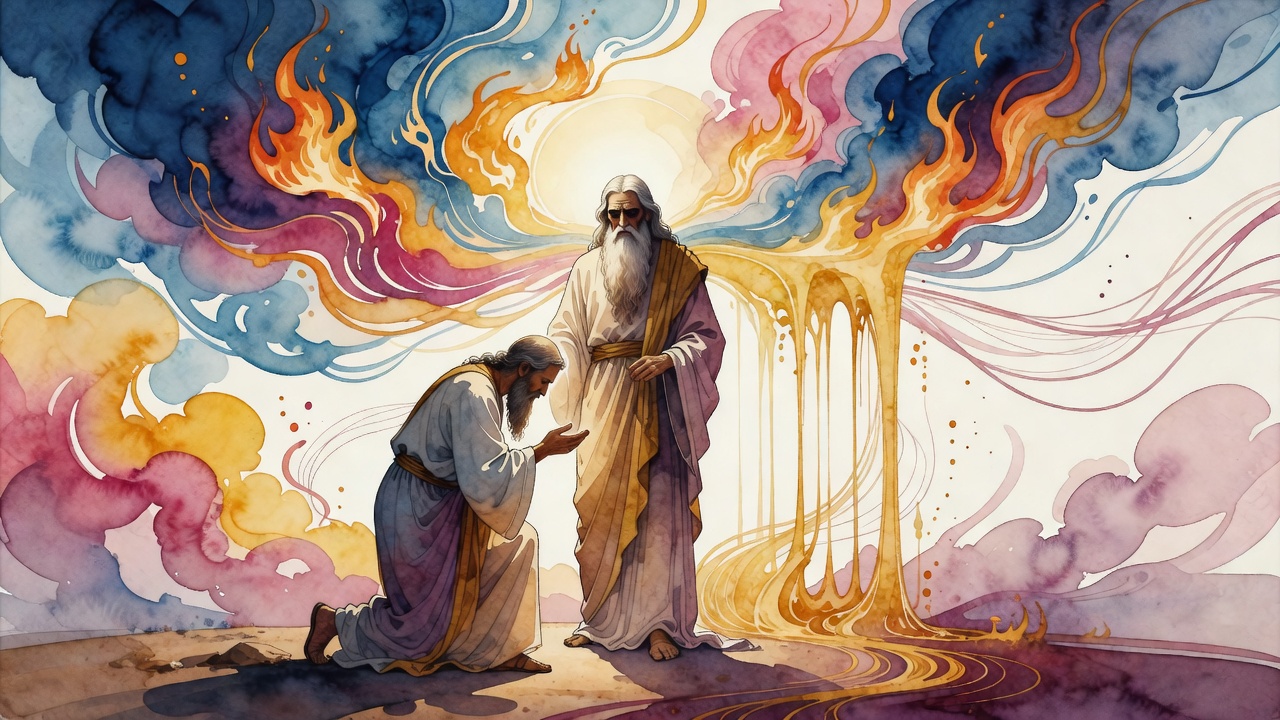
"By the fragrance of your good oils, your name is like poured oil; therefore the maidens love you" (Song of Songs 1:3). Rabbi Yanai, son of Rabbi Shimon, heard two grades of praise. The songs of the patriarchs, Abraham, Isaac, and Jacob, were like fragrances: beautiful, pleasing, and quick to thin. Later generations pour oil from vessel to vessel. Fragrance dissipates. Oil remains. It fills. It nourishes. It stains the hands with something that does not vanish at the first wind.
The midrash ties the poured oil to the song at the Sea and to the thick load of commandments later Israel would carry, hundreds of positive and negative mitzvot against the fewer charges laid on the fathers. Quantity is not vanity here. It is the weight that keeps the Name from floating off as perfume alone.
What Isaac Could Still Carry
Isaac's name had ridden inside Abraham's poured reputation and inside his own altar story. Kings had smelled the oil of that house and come to the door. Then the light failed. The guest of joy packed and left. What remained was not fragrance. What remained was the stubborn substance of a life already offered once and still required to bless in the dark.
Blind hands would still find a son. Blind lips would still speak a future. The midrash's warning about boastful joy does not erase the earlier honor. It refuses to let honor pretend it is permanent furniture.
Oil That Outlasts the Bright Hour
Abraham's name spreads like oil emptied from one vessel into another, crossing distance without fading the way scent fades. Isaac's bright hour with Abimelech is a scent, sweet and brief. His dim eyes are the next room of the house, where the oil of the family name must work without the lamp of sight.
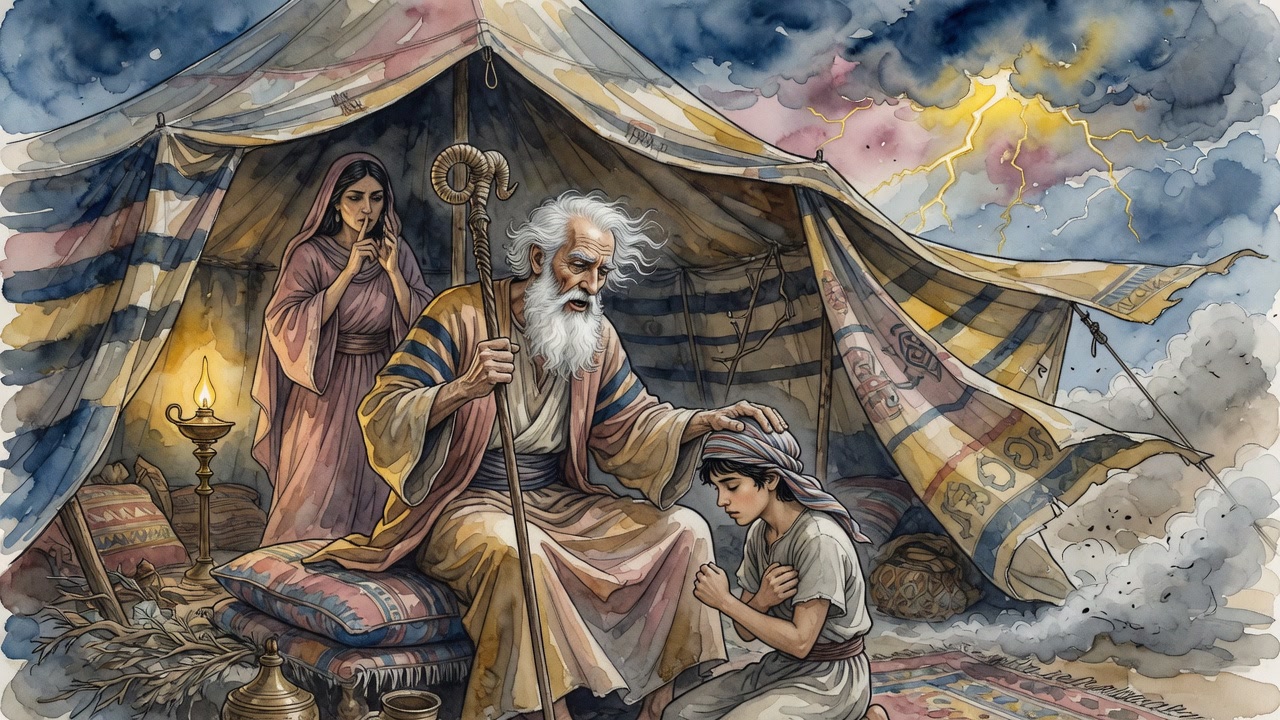
The Sea will later teach Israel a song that outshouts even patriarchal praise. Commandments will stack until the Name is less a perfume and more a storehouse. Between those futures Isaac sits in a tent with failing eyes, still the child of the binding, still the man kings feared and courted, learning that joy leaves and a name can stay.
Do not boast, says the psalm the midrash lifts. The altar boy who became a prince for a season becomes an old man who cannot see the door where Abimelech once stood. The oil of Abraham's name keeps traveling anyway, poured forward into generations that will sing louder and bind themselves with more cords, until fragrance is no longer the main measure of love.
Abimelech's visit had been a kind of coronation without a crown. The Philistine king saw the Lord with Isaac and chose treaty over theft. Wells that had been stopped could be named again. Then age arrived with a softer weapon than any Philistine: light thinning in the eyes that had watched the ram catch in the thicket years before.
Abraham's poured name still moved through markets and tents where Isaac could no longer see the speakers. Fragrance of patriarchal song was never enough for what the family had to carry. Oil was required: transfer, residue, stickiness, the way a mitzvah (a commandment) leaves a mark on the hands. Isaac's blindness forced the house to live by oil more than by spectacle.
When he reached for a son in the dark, the midrash's warning about boastful joy stood in the corner of the tent. The honor had been true. The joy had been true. Neither had been a permanent roof. The Name that spread like oil kept spreading without needing Isaac's eyes to stay bright.
← All myths