Israel Ate Heavenly Manna for Fifty-Four Years
R. Yossi counts forty years of manna under Moses and fourteen more after his death, until Canaan's produce fully replaced heaven's bread.
Table of Contents
 Click for full size
Bread on the Sand Every Dawn
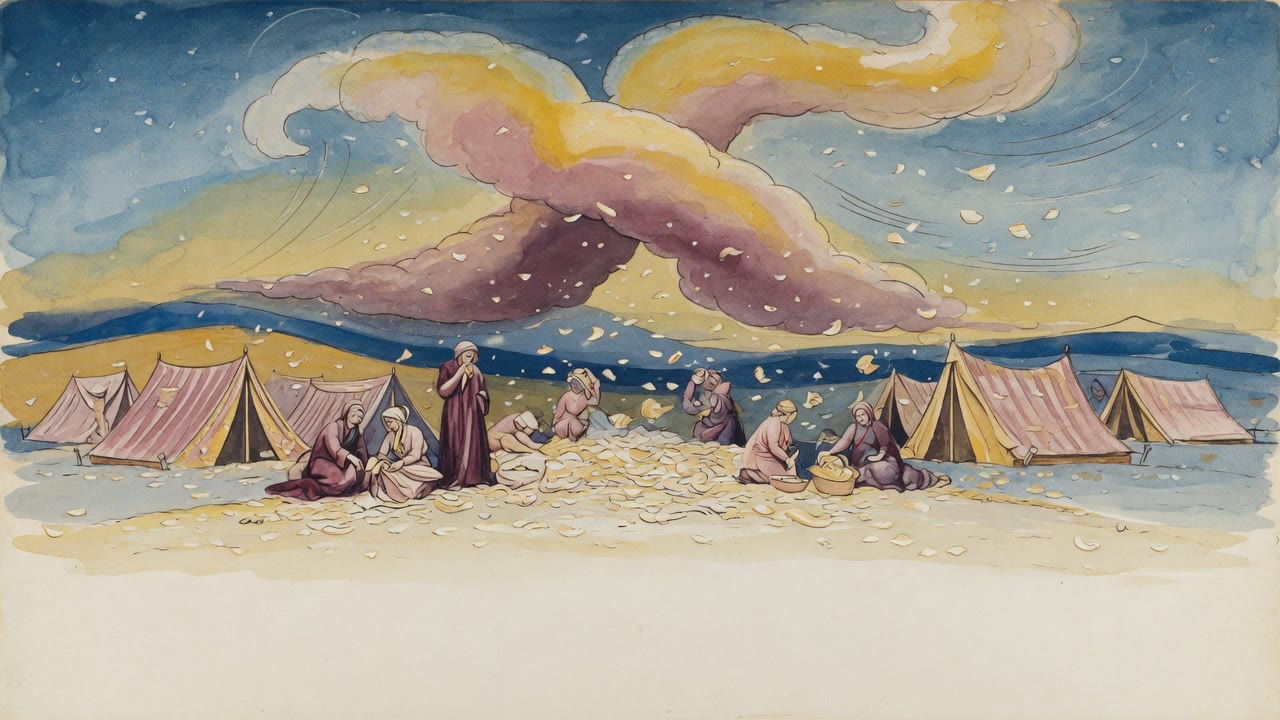
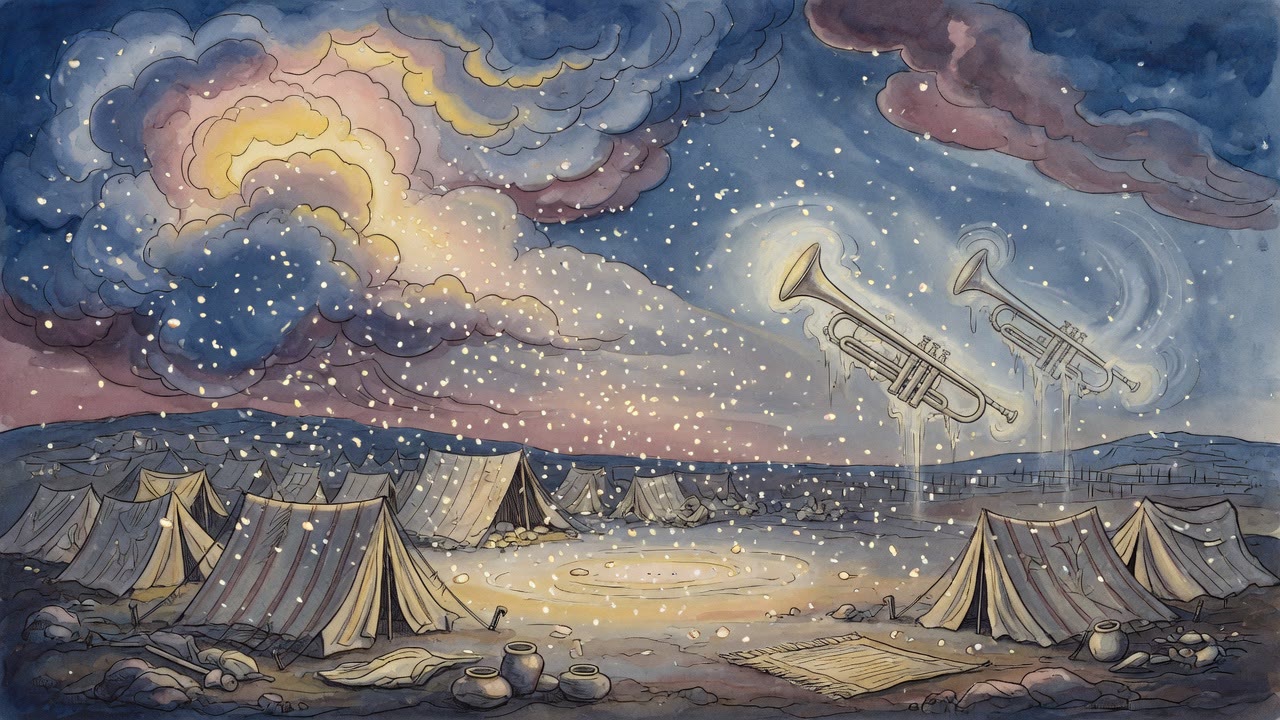
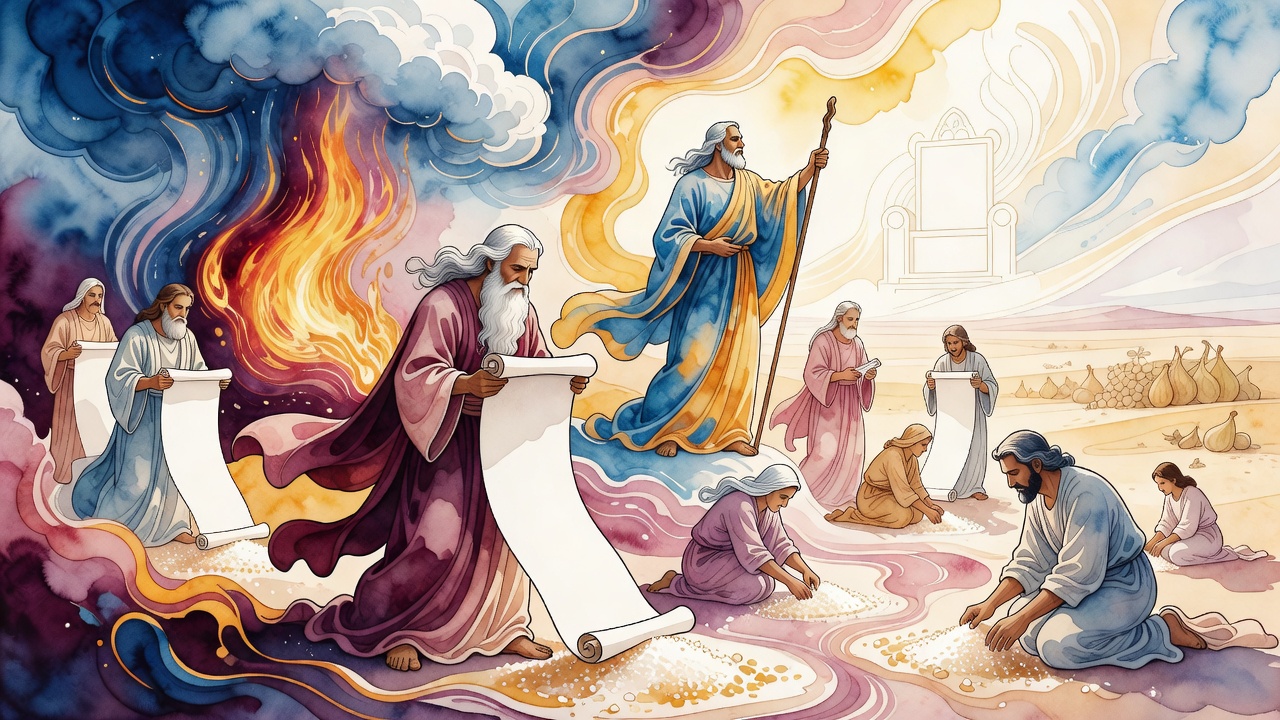
Morning in the wilderness did not begin with ovens. It began with white on the ground. Israel stepped out after prayer and found manna at the door of the tent, portion by portion, as if heaven ran a bakery without smoke. Some were too lazy to bend. The food, the legends say, fell into their hands anyway.
For forty years under Moses, that was the nation's kitchen. No market. No kneading. Taste shifted with desire in some tellings, but the dependency did not. A people learning freedom still ate like dependents of the sky. Mothers woke children to gather before the sun ruined the portion. Elders argued measures. Someone always tried to hoard, and the hoard always spoiled on schedule, teaching trust the hard way.
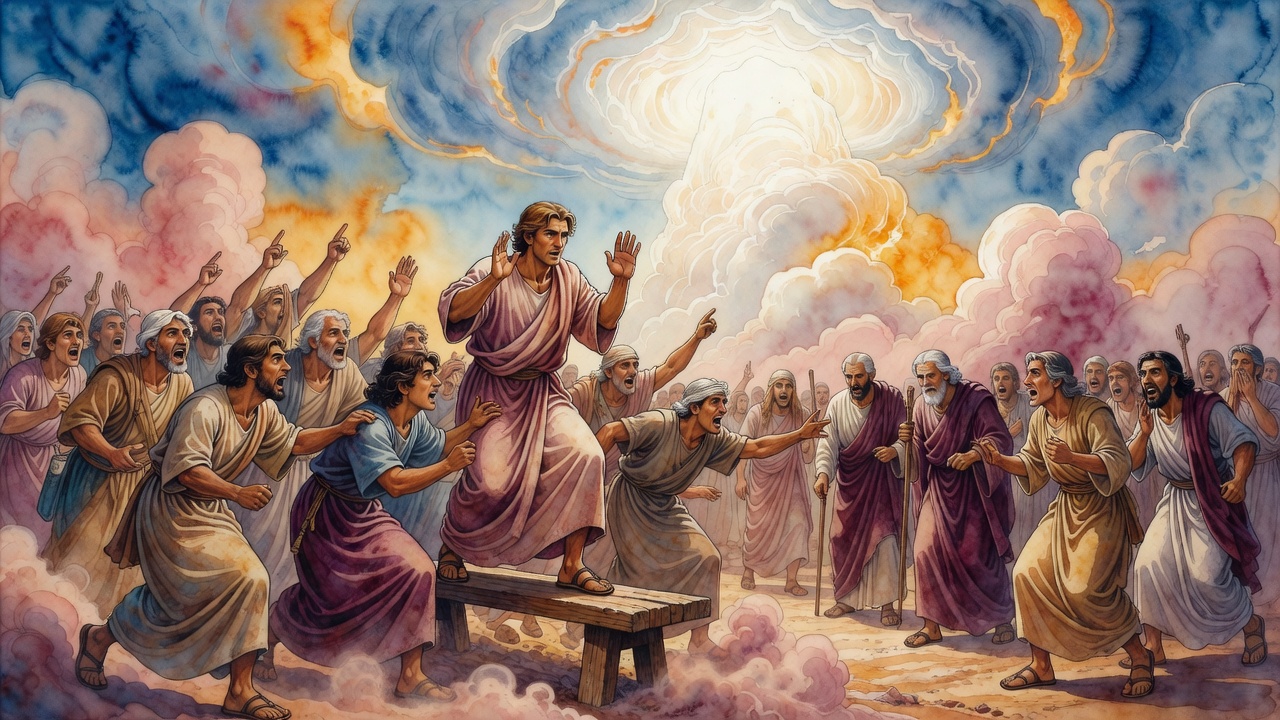
Camp by camp, the miracle became routine enough to complain about. Routine is how a nation almost forgets it is being fed by decree. Moses heard the grumbling and still watched the ground turn white again the next dawn, as if heaven refused to let boredom cancel the gift.
The verse sounds simple. "And the children of Israel ate the manna for forty years, until they came to an inhabited land" (Exodus 16:35). R. Yossi refused to let the number close the book too early.
The Extra Phrase That Adds Fourteen Years
The same verse continues, "until they came to the edge of the land of Canaan." Yossi heard redundancy as revelation. If forty years already reached the end of Moses' life and the edge of settlement, why add the second clause? Because something else needed counting.
He said Israel ate manna for fifty-four years in all: forty in Moses' lifetime and fourteen after his death, until the produce of the land fully replaced the bread of heaven. The extra years he split into spans that bridge death, conquest, and the slow arrival of ordinary grain.
Moses could die. The manna did not die with him on the same day the way a court dies when a king falls. Heaven's kitchen stayed open while Joshua fought and while fields learned Israelite hands.
A Jar Beside the Ark
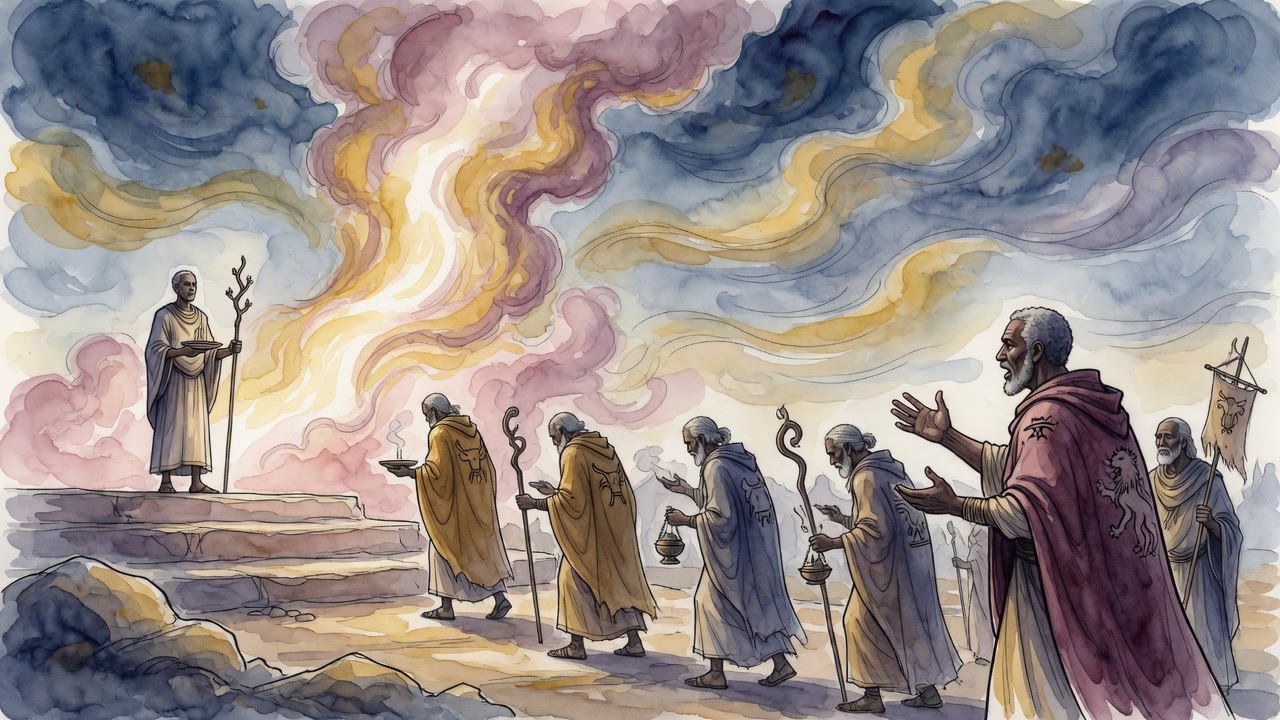
God ordered a jar of manna kept before the Holy Ark as a witness for later generations. Aaron carried out the charge in the second year of the wanderings. White flakes sealed in a vessel sat near tablets and staff, proof that the desert table had been real.
Centuries on, when Jeremiah urged the people toward Torah study, they answered with stomachs. How shall we live if we only study? Jeremiah pointed them back to the jar's logic. The God who fed without plows could still underwrite a life ordered around learning. The preserved manna was not nostalgia. It was an argument with economic fear.
The jar did not feed the hungry of Jeremiah's day. It fed their memory until fear of livelihood could not pretend heaven had never set a table.
After Moses, Still Morning White
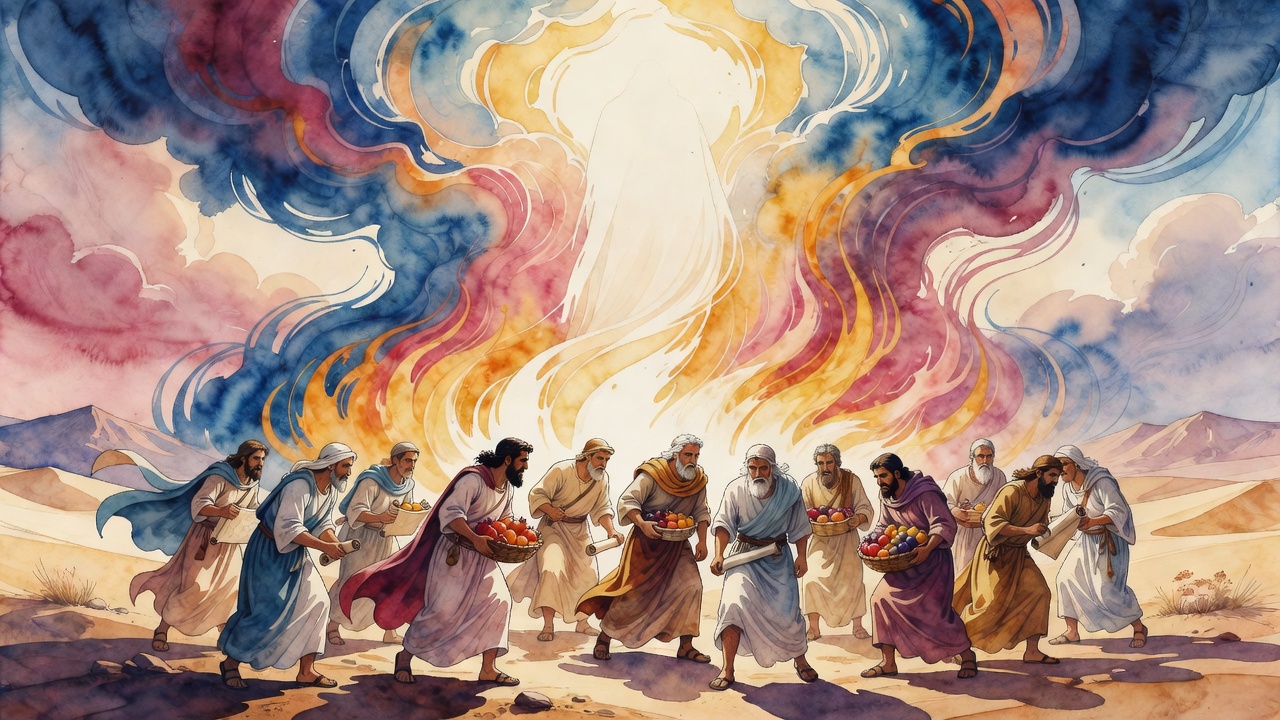
Picture the camp after Moses' burial. Leadership changed voices. Wars changed maps. The Jordan waited. Children who never saw Egypt still woke to manna because the count Yossi kept had not finished. Fourteen years is long enough for toddlers to become fighters and for fighters to plant. Widows who had buried husbands under Moses still found bread without ovens under Joshua.
Some mornings the miracle must have felt like a hand on the shoulder from a prophet already gone. The sky did not need Moses present to keep a promise Moses had announced. That is the sting and the comfort in Yossi's extra fourteen: heaven's kitchen outlasted heaven's main human spokesman in the wilderness story.
When the manna finally ceased, the silence of ordinary agriculture must have sounded loud. No more doorstep miracle. Only sweat, rain, and the risk of famine that settled nations know. The fifty-four year total makes the ending a weaning, not a slap.
Canaan's grain did not erase the jar. It answered it. You ate without sowing. Now sow, and remember who taught your mouth the first taste of freedom-food.
What the Count Protects
Yossi's arithmetic guards against a thin reading of Exodus. Forty years is the wilderness slogan. Fifty-four years is the fuller loyalty of the bread that stayed until the land could honestly feed its new heirs. Mekhilta keeps the debate in the study hall so that the story of food does not shrink to a round number for children.
Every dawn of those years, someone still had to trust that the ground would be white again. After Moses, that trust was harder and therefore clearer. The leader was gone. The kitchen remained.
When later Jews open a scroll to manna, they are not only reading a desert menu. They are reading a clock that outlasted a prophet, a jar that outlasted a generation, and a rabbi who refused to stop counting when the easy number winked and said enough. Fifty-four is an awkward total. Awkward totals are how honest calendars sound when they refuse slogans.
← All myths