Jacob Sent Angels but Could Not Buy Esau's Heart
The angels of Aram finished their watch at the border. New faces took the post. Four hundred riders were still coming down the road.
Table of Contents
Jacob counted the dust on the road and the men on the ridge and still sent angels first. Not polite couriers. The Hebrew said malachim (מלאכים), messengers, and he sent the kind that have stood around him since the hour of his birth, when his hand had already closed on Esau's heel.
 Click for full size
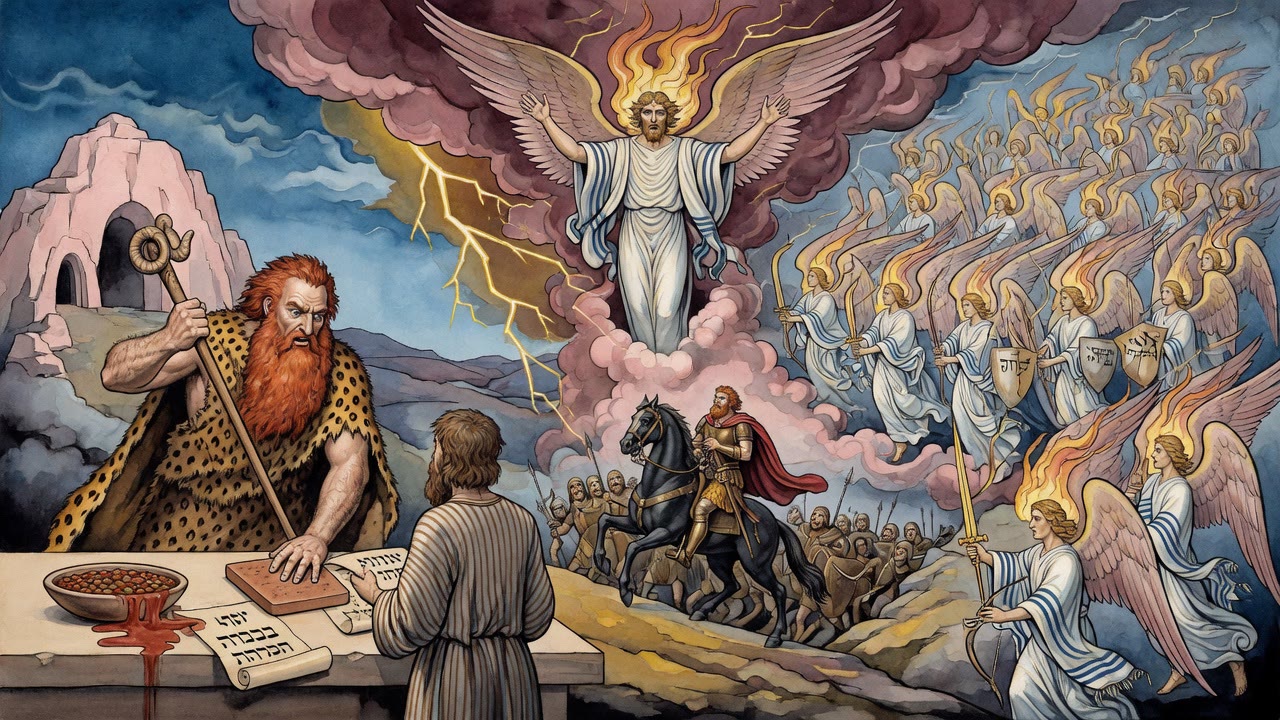
Laban had meant to kill him on the mountain. God had come to Laban in the night and forbidden the harm. "Whoever saved you from Laban will save you from me," the fear said, and it did not comfort him. Esau was coming with four hundred. Jacob had flocks, wives, children, and a promise that had never once promised an easy road.
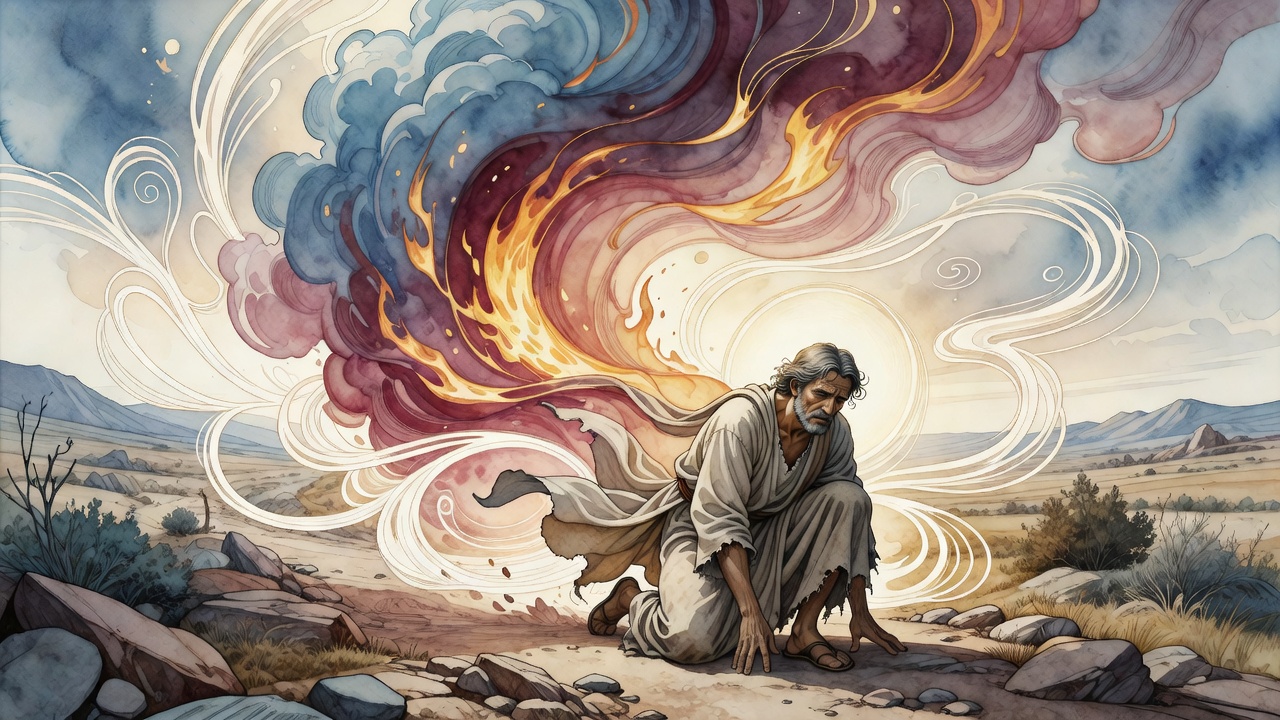
He lifted his eyes to the heights the way a hunted man does, and still the riders kept coming (Psalm 121:1).
Two Camps Changed Guard at the Border
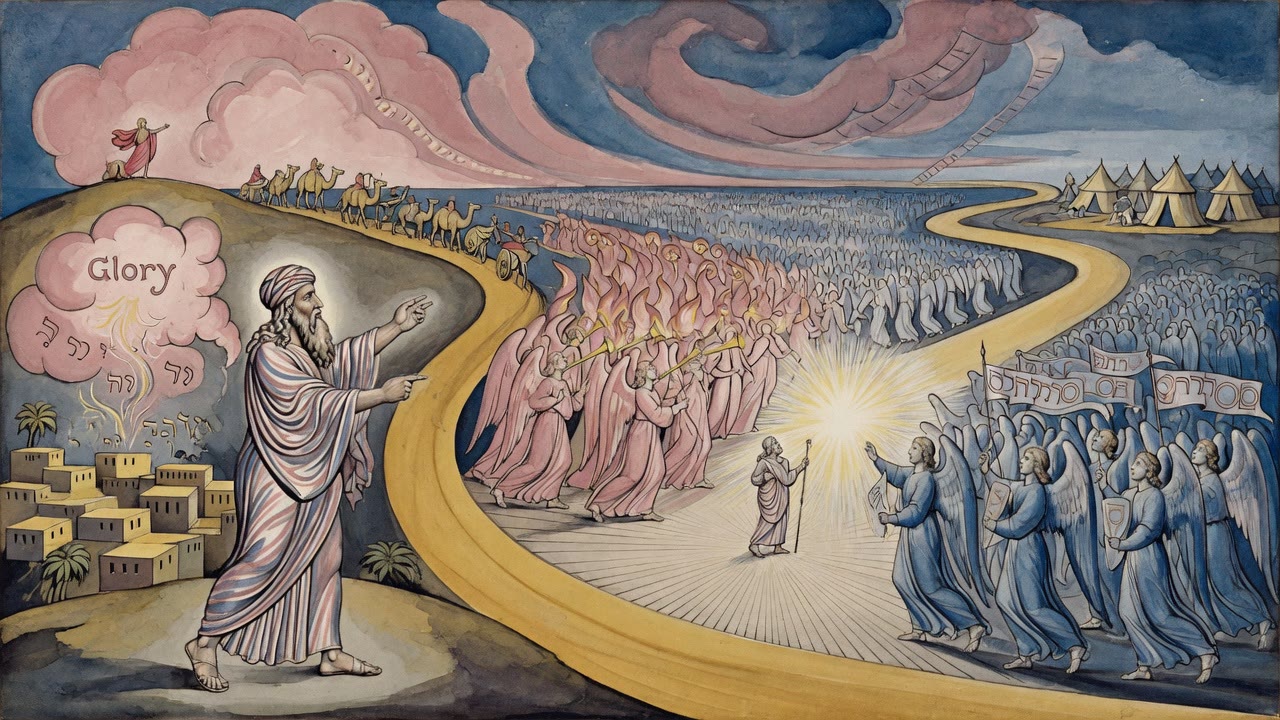
At Mahanaim the camps of heaven changed shift in front of him. Angels of Aram finished their watch. Angels of Canaan stepped into place. Jacob named the place "two camps" because he stood on the seam between jurisdictions, and the handoff never left him bare for a breath (Genesis 32:2-3).
Protection did not lapse. The faces of the protectors changed. That was almost worse. It meant the danger was real enough to require a transfer of power, and still the angels could not walk into Esau's chest and rearrange the old rage.
He divided his household. He stacked gifts on the road like soft ladders of meat and wool. Then he sent the messengers ahead, because speaking first is itself a kind of faith: the belief that the swords both sides carry might stay sheathed if someone arrives before the blood.
The angels went. The dust settled. Jacob waited for an answer no army can manufacture.
Four Hundred Riders and a Limp
His fear was not the fear of a man who forgot God. It was the fear of a man who understood the ledger. Angels can throw a wall around a tent. They cannot force a brother to open his arms. Four hundred riders can still decide that yesterday's stolen blessing is worth a grave. Jacob prayed with both hands full: one gripping the promise, the other gripping the knowledge that a guardian's wing does not cancel a brother's will.
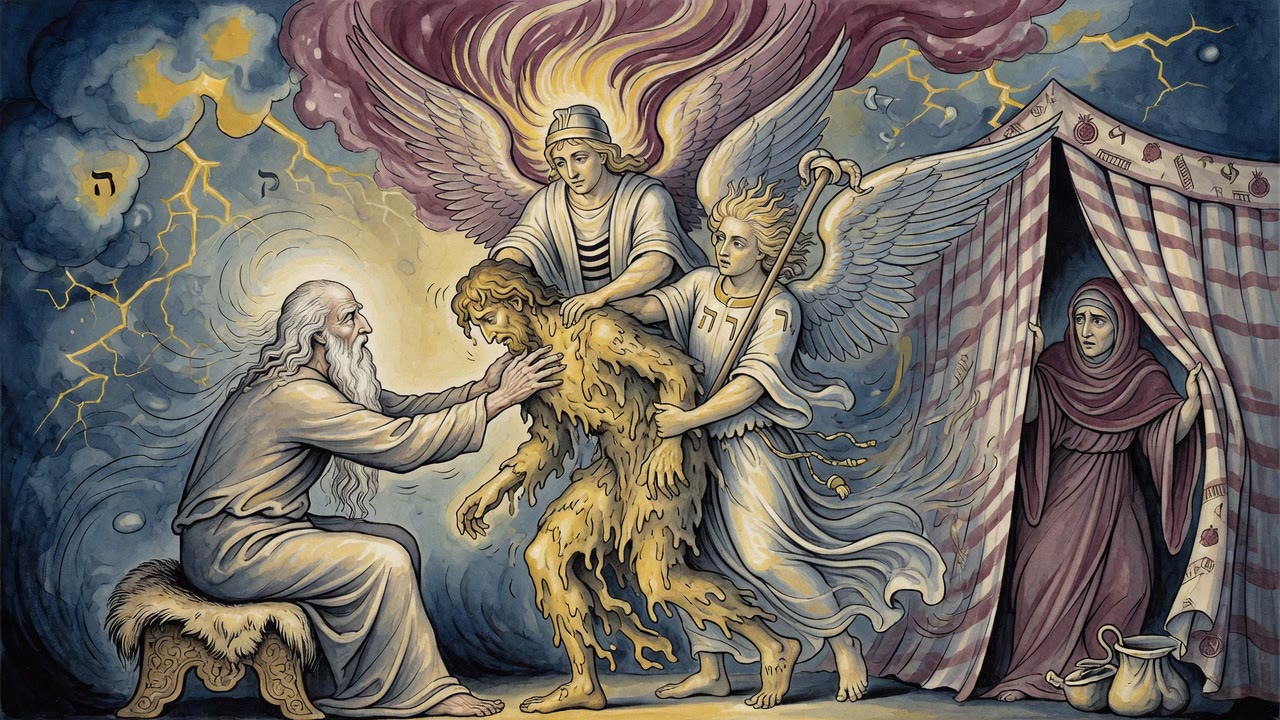
Night came. A stranger wrestled him until the hip socket gave. Dawn broke with a limp and a new name. None of that erased the road still waiting in the morning, or the four hundred still riding toward the ford.
When the brothers finally met, Esau ran and fell on his neck. Jacob's body took the hug and did not trust it. The heel-grip from the womb was a map, not a finished war. He bowed. He pressed the gifts forward. Esau said he had enough. Jacob insisted. The animals went. The hug did not settle the nations that would grow from these two bodies.
He Named the Ground for the Presence
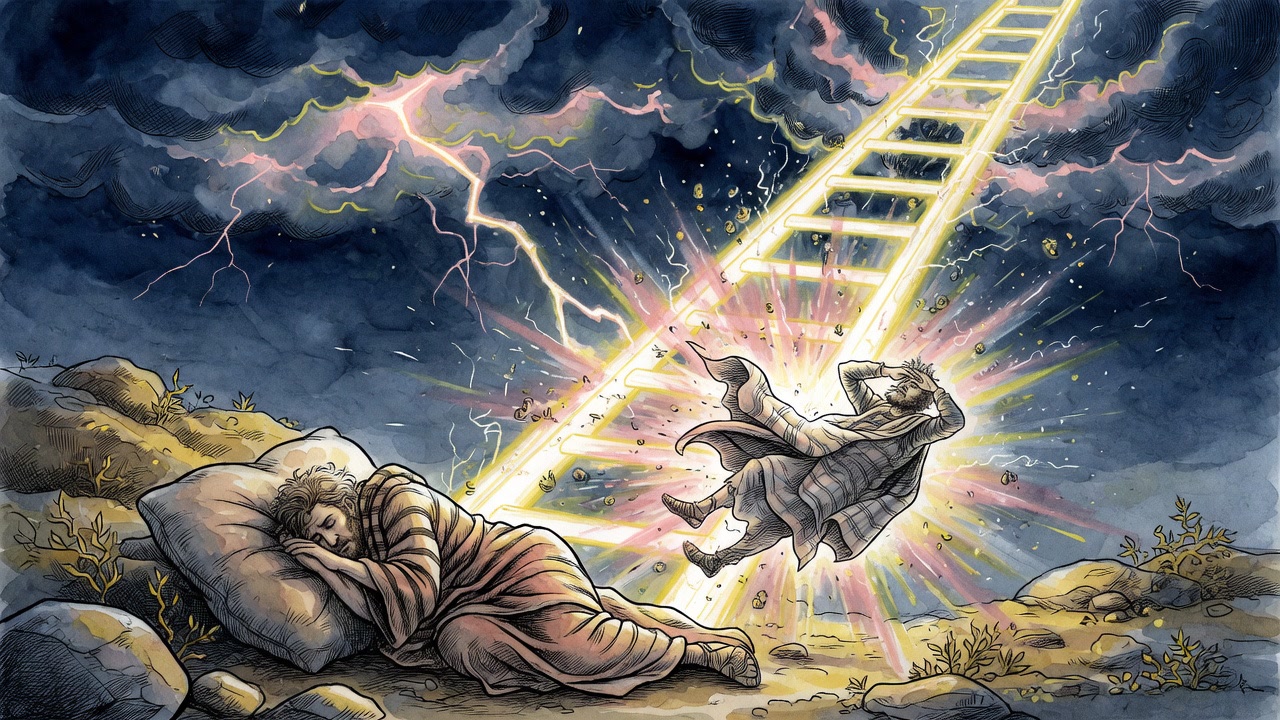
Years later Jacob built again at Bethel and named the place for God who made His Shekhinah (שכינה), the indwelling Presence, dwell there, because angels had met him on the flight from Esau (Genesis 35:7). The stone under his head had become a house. Flight became an address. The same man who once bought a night of sleep with a rock now pinned a name to ground so the Presence would not be only a memory of panic.
Between Mahanaim and Bethel the pattern held. Heaven supplied watchers. Heaven supplied a ladder. Heaven supplied a limp that taught him how to stand. None of that did the work of facing the brother who still owned a history of hate.
He limped up to the stones and built. The name he gave the place was not a boast. It was a stake in the dirt: God dwelt here. The angels had been real. The fear had been real. The altar had to be both.
The Heel-Grip Was Not Finished
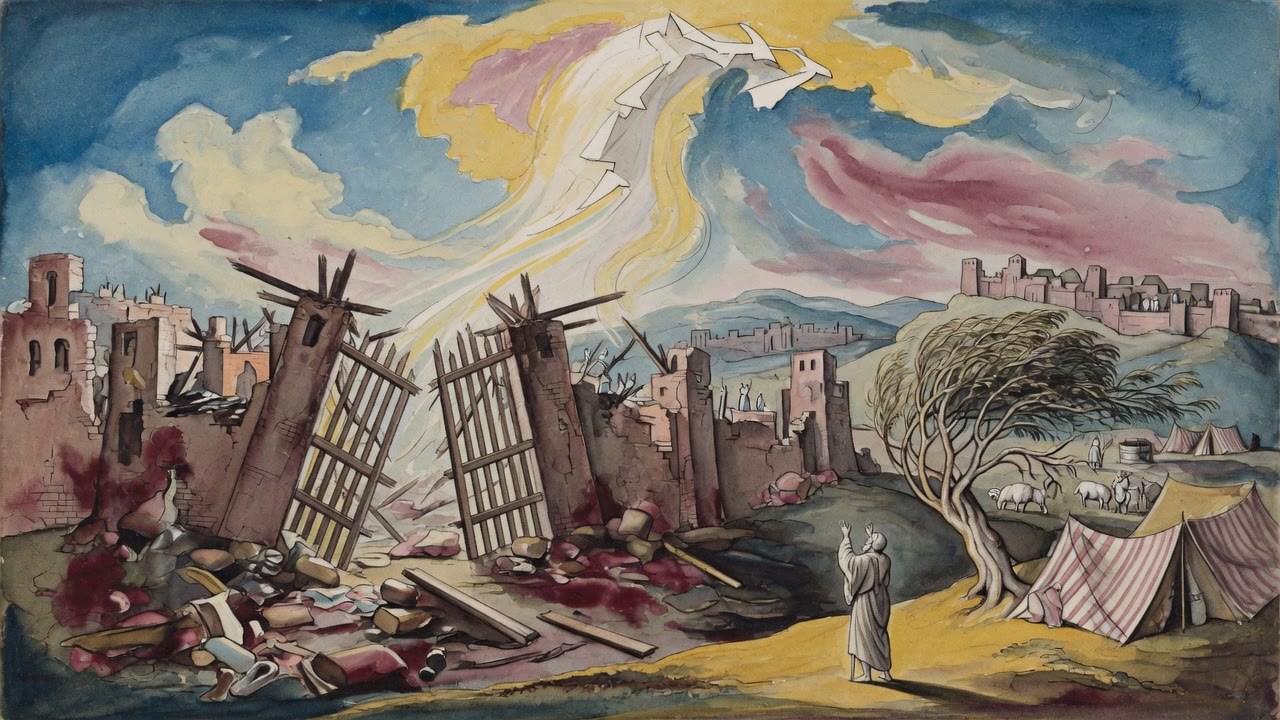
The children of Esau do not fall until a survivor rises from Jacob, a remnant who endures the empires that call themselves everlasting and then cuts power from the stronghold on Seir. Balaam already saw a ruler emerging from Jacob to finish what the birth grip began (Numbers 24:19).
So the meeting at the ford refused two cheap endings. It refused the ending where angels make courage unnecessary. It refused the ending where a single embrace settles the bloodlines. Jacob sent the messengers because faith still uses a road. He built the altar because faith still needs a place to stand after the road. He limped forward because the long contest between the brothers would outlast any one night of wrestling.
Four hundred men. Two camps of angels. One brother who would not outsource his fear to the sky. Feet moved. Hands worked. The old pressure found a new edge. What had been promised and what had been paid stood in the same clearing without agreeing, and Jacob walked into it anyway, hip grinding, gifts already gone up the road, angels changing guard behind him as if the next jurisdiction had already begun.
← All myths