5 min read

Jonah Fled the Mission and the Fish Waited for Him in the Sea

Nineveh was eating the northern kingdom city by city. Jonah paid for a berth toward Tarshish. A fish was already waiting in the sea.

Curated by Arthur · Told by Maggid ·
Table of Contents
  1. Nineveh Was Already Eating the North
  2. Jonah Paid for a Berth to Tarshish
  3. The Sailors Threw Him to the Fish
  4. The King of Nineveh Came Down Into Ashes
  5. A Plant Lived One Night Over Jonah's Head
Jonah Fled the Mission and the Fish Waited for Him in the Sea Click for full size

Nineveh Was Already Eating the North

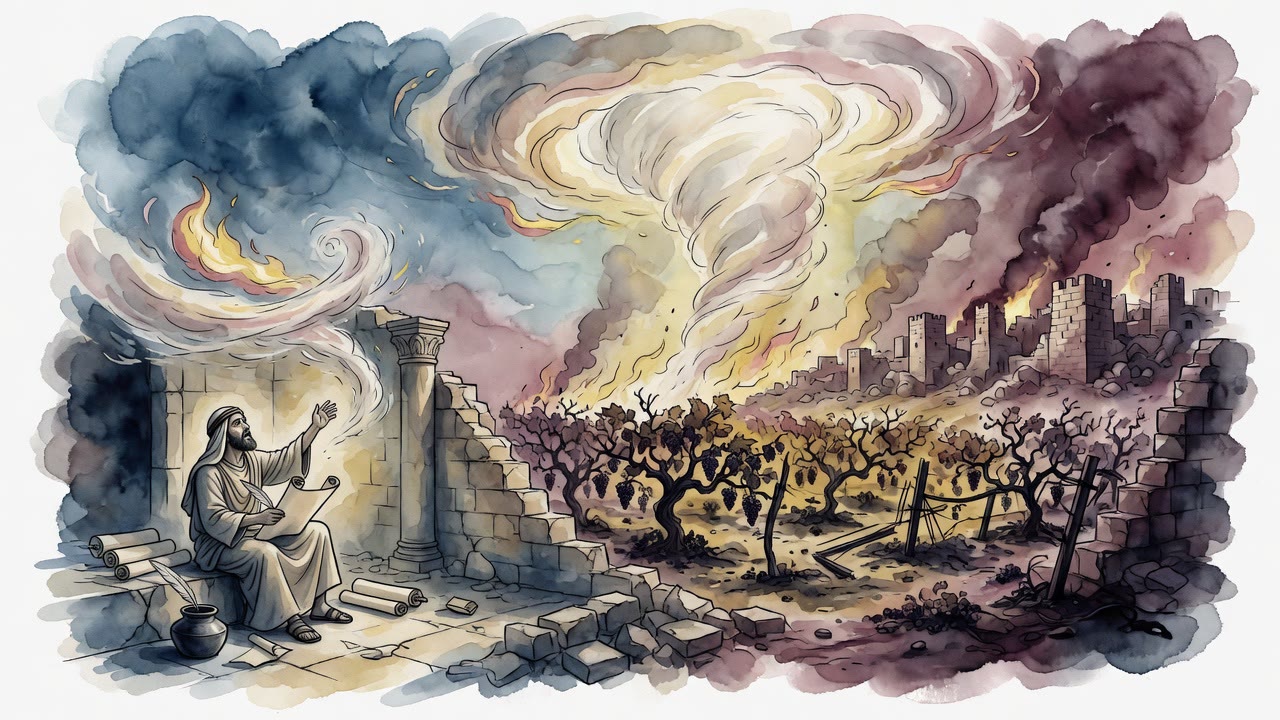
In twenty years the throne of Israel changed hands five times, and almost every transfer was soaked in blood. Zachariah son of Jeroboam lasted six months before his friend murdered him. The murderer lasted thirty days. Menahem, a general out of Tirzah, marched on Samaria and killed him in the capital. When Tiphsah would not open its gates, Menahem burned the farms around it, took the city, and killed everyone inside, including the infants. He ruled ten years by terror.

When Pul, king of Assyria, came for tribute, Menahem did not fight. He taxed every Israelite man fifty pieces of silver and handed the empire a thousand talents to leave. The northern kingdom was being sold off, piece by piece, to the power whose capital was Nineveh.

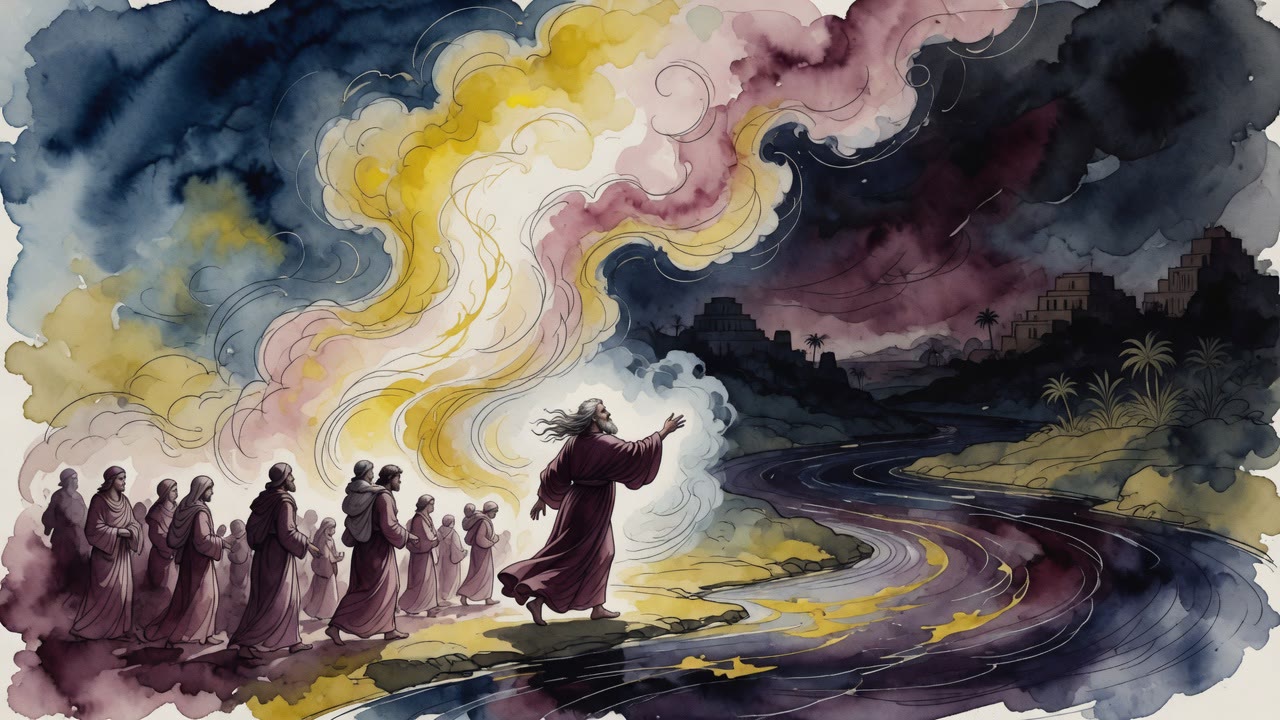
God told Jonah to go to that city and cry out against it, because its evil had come up before Him. Jonah understood the rest of the sentence. If he warned them and they turned, God would relent. Jonah knew God. He knew the mercy. He refused to be the mouth that saved the empire eating his people. He paid for a berth on a ship bound for Tarshish, the far direction, and went down into the hold.

Jonah Paid for a Berth to Tarshish

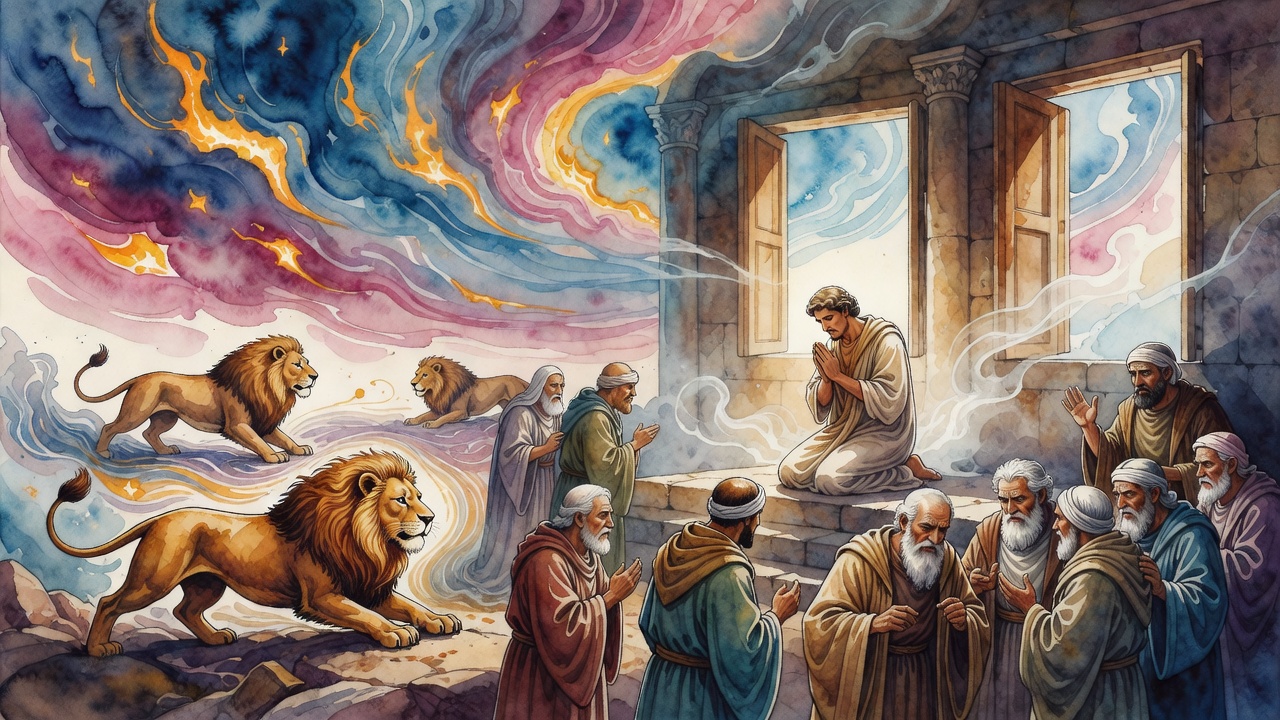
God sent a storm that wanted the ship in pieces. Sailors threw cargo. Each man called on his own god. Jonah was asleep below. The captain found him and shook him.

"How can you sleep?" he said. "Call on your God. Maybe your God will keep us."

They cast lots. The lot found Jonah. They asked him his work, his country, his people. He said, "I am a Hebrew. I fear the God of heaven who made the sea and the dry land. I am fleeing from before Him."

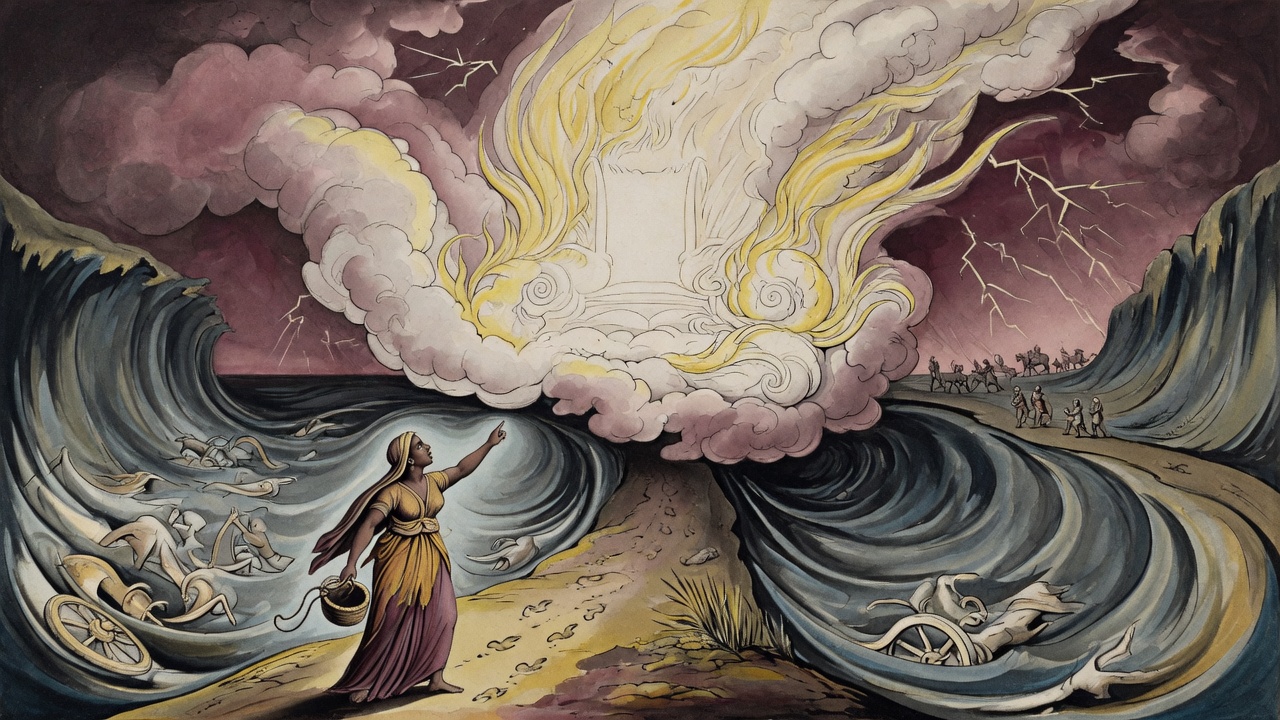
They rowed for shore anyway. The sea would not let them have a different ending. They asked Jonah what to do with him. "Throw me in," he said. "The sea will quiet for you. This storm is mine." They prayed not to be charged with innocent blood, and they threw him. The water went still as a floor.

The Sailors Threw Him to the Fish

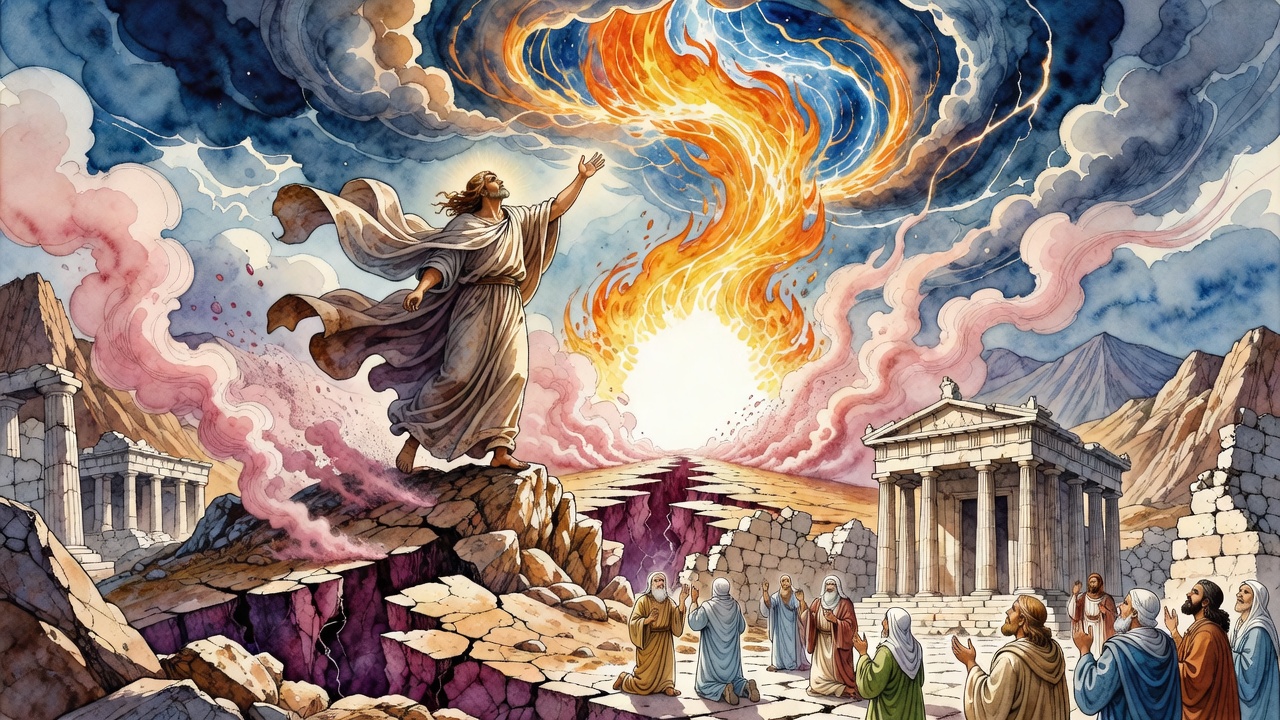
A great fish was already waiting in the sea. God had appointed it. It opened and took Jonah down. He was in its belly three days and three nights. He prayed from inside it as a man prays who has already drowned: out of the belly of Sheol (שאול), the land of the dead, I cried. The waters closed over me. Weeds wrapped my head. I went down to the roots of the mountains. I remembered You. My prayer came to Your holy Temple. Salvation belongs to God.

The fish turned toward land and vomited him onto dry ground. Jonah's mission was still the same city. He had fled it. The fish had brought him back to the road that ran there.

The King of Nineveh Came Down Into Ashes

God told him a second time: go. He went. Nineveh covered forty square parasangs and held a million and a half souls. Jonah walked in on the first day and cried the sentence through streets that took three days to cross. In forty days Nineveh would be overthrown. His voice reached every ear.

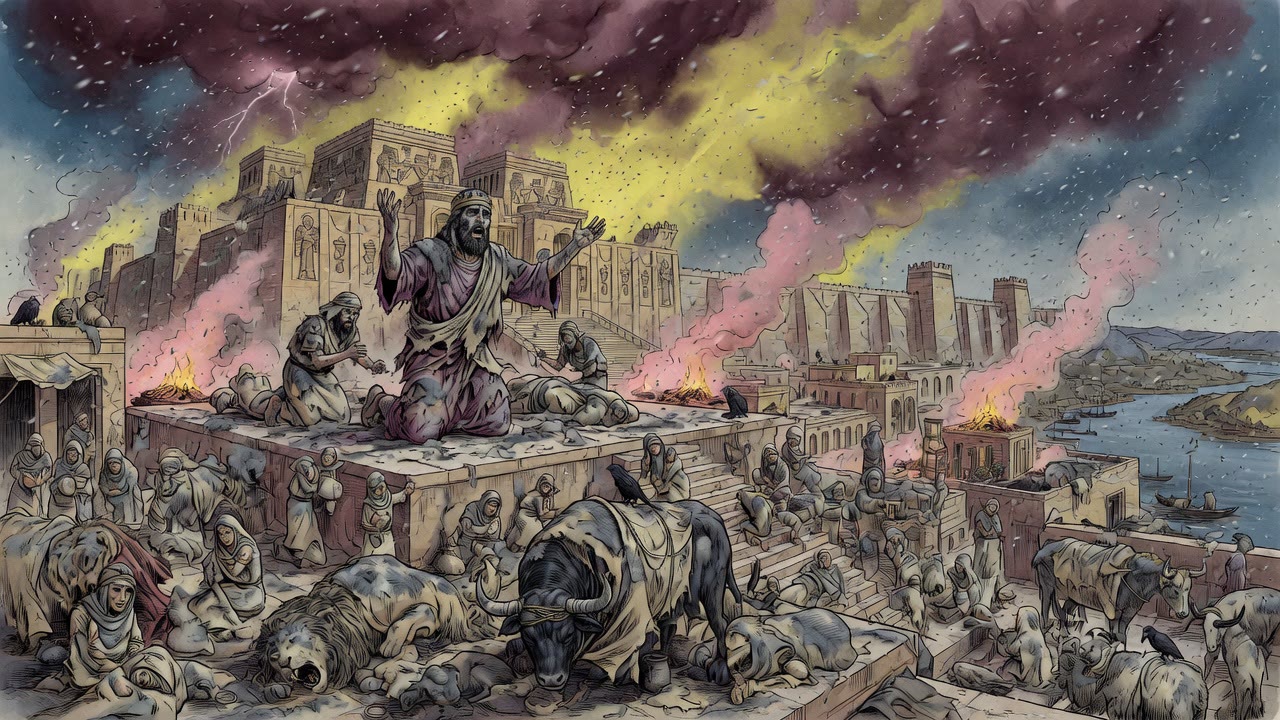
Osnappar, king of Assyria, came down from the throne. He took off the crown. He put on sackcloth and sat in ashes. He sent heralds: three days, no human and no animal shall eat or drink. All shall wear sackcloth and cry to God. Everyone shall turn from violence.

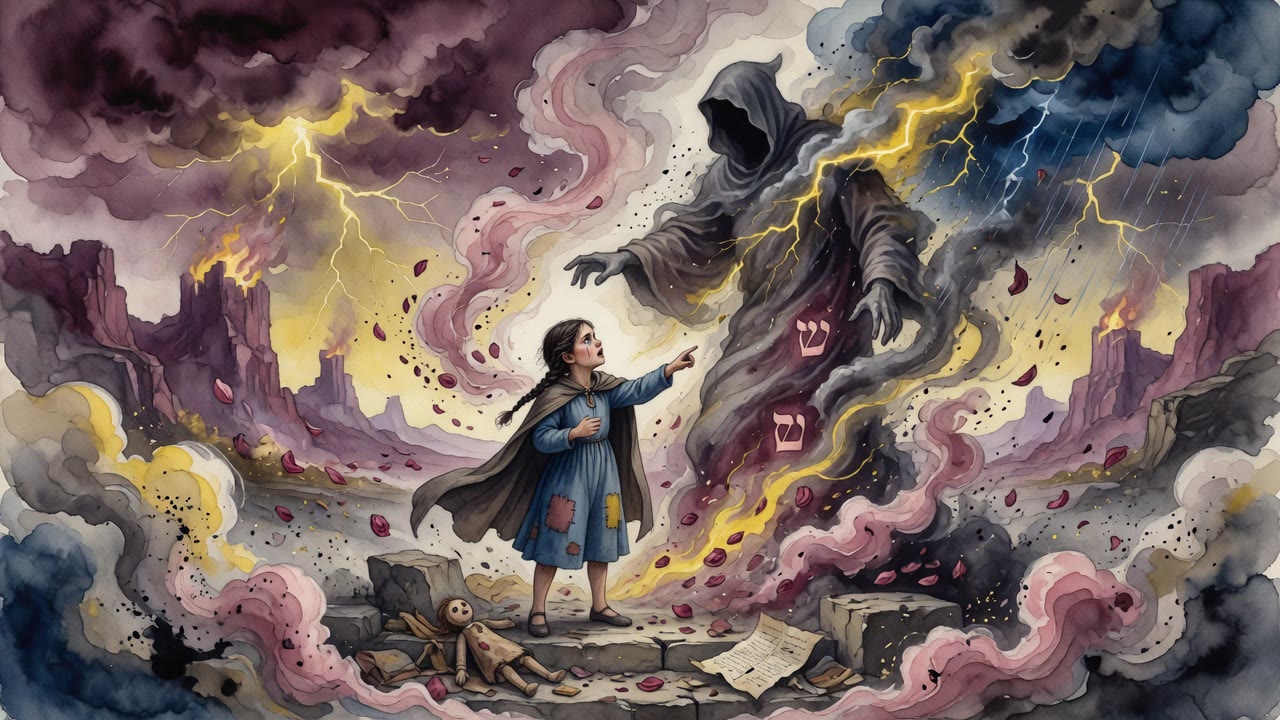
They held their babies up toward heaven and said, for the sake of these, hear. They penned the young animals inside and left the mothers outside, and they called up, "If Thou wilt not have mercy upon us, we will not have mercy upon these beasts." God saw that they turned from the evil in their hands. God relented. The city stood.

A Plant Lived One Night Over Jonah's Head

Jonah was furious. This was the mercy he had fled. He told God he had known. He asked to die. He went east of the city, built a shelter, and sat in its shade, still watching, still hoping the overthrow would come late.

God grew a plant over his head in a night. The shade was sudden and kind. Jonah was glad about the plant. At dawn a worm struck it, and it died. The sun beat on Jonah's head. A hot wind followed. He fainted. He asked again to die.

God said, "You care about this plant, which you did not grow, which lived one night and died one night. Should I not care about Nineveh, a city of more than a hundred and twenty thousand people who do not know their right hand from their left?"

The book leaves him there, under a dead plant, with the city still standing behind him and the question still open.


← All myths
From the tradition

Sources

2 sources

The texts behind this telling. Some cards carry a translation of the source; others are our own retelling of it, and each card says which. Every card links out to the original.

Antiquities IX.11-13Antiquities of the Jews (Josephus)

Retold in our words. Read the original at the link below.Antiquities of the Jews, trans. William Whiston · Public Domain

In the space of twenty years, the throne of Israel changed hands five times, and almost every transfer was soaked in blood. Zachariah, son of Jeroboam, lasted six months before his friend Shallum murdered him. Shallum held the crown for thirty days before Menahem, a general stationed in Tirzah, marched on Samaria and killed him in turn.

Menahem's reign was pure brutality. When the city of Tiphsah refused to open its gates, he burned the surrounding countryside, took the city by force, and slaughtered everyone inside, including infants. He ruled for ten years through cruelty alone. When Pul, king of Assyria, came knocking, Menahem did not fight. He taxed every Israelite fifty drachmas per head and handed Assyria a thousand talents of silver to go away. His son Pekahiah inherited the throne and the brutality, but lasted only two years before his own cavalry commander, Pekah son of Remaliah, assassinated him at a feast.

Meanwhile in Jerusalem, Jotham son of Uzziah ruled the tribe of Judah with actual competence. He repaired the Temple foundations, rebuilt crumbling walls, raised enormous towers, defeated the Ammonites, and collected tribute of a hundred talents plus ten thousand measures each of wheat and barley every year. His enemies could not touch him. His people flourished.

During Jotham's reign, the prophet Nahum delivered a terrifying oracle against Assyria's capital: "Nineveh shall be a pool of water in motion. Her people will flee while crying 'Stand, stand!' They will grab for gold and silver, but choose their lives over their wealth. The den of the lions shall be no more." God declared that Nineveh's power to dictate laws to the world was finished. These prophecies, Josephus notes, came true a hundred and fifteen years later when the great city fell.

Full source
Legends of the Jews 8:28Legends of the Jews

Retold in our words. Read the original at the link below.The Legends of the Jews by Louis Ginzberg (1909) · Public Domain

Remember him? The guy swallowed by the whale? After his little underwater detour, God gave him a second chance, sending him to the sprawling, chaotic city of Nineveh.

Nineveh wasn't exactly a quaint village. Imagine a metropolis covering forty square parasangs – that's a huge area – teeming with a million and a half souls. Jonah, with a heavy heart and a powerful voice, didn't waste any time. He marched right in and proclaimed their impending doom.

In Legends of the Jews, Jonah's voice was so loud, so resonant, that it echoed through every street, reaching every ear. His message was simple: repent or be destroyed! And something incredible happened. People listened. They actually listened.

At the very forefront of this wave of repentance was King Osnappar himself, the ruler of Assyria. He didn't just offer lip service. He got down and dirty, literally. He stepped down from his throne, removed his crown, covered himself in ashes, traded his royal robes for sackcloth, and humbled himself in the dust. A king, stripped of his power, acknowledging his own failings.

Then, Osnappar sent heralds throughout the city, proclaiming a royal decree. For three days, everyone – and I mean everyone – had to fast, wear sackcloth (a rough, uncomfortable fabric as a sign of mourning), and beg God for mercy.

But it wasn't just about empty rituals. The people of Nineveh, in their desperation, took truly extraordinary measures. They went so far as to try and force God's hand – or, rather, His mercy.

The text describes how they held their babies up toward heaven, tears streaming down their faces, crying out, "For the sake of these innocent babes, hear our prayers!" A plea so raw, so desperate, it's hard not to be moved by it, even across millennia.

And it gets even more intense. They separated young animals from their mothers, penning the young inside while leaving the mothers outside. And then, the Ninevites cried out, "If Thou wilt not have mercy upon us, we will not have mercy upon these beasts." (Ginzberg, Legends of the Jews)

Talk about a powerful ultimatum! It's a shocking, almost brutal display of empathy, turning their own potential suffering and the suffering of animals into a bargaining chip with the Divine. Were they really willing to let their animals suffer if God didn't show them mercy? It seems they were betting everything on the power of their collective, heartfelt repentance.

What does it take to truly change? What level of desperation, of humility, of empathy is required to turn away from destruction? And what does this ancient story tell us about the nature of forgiveness and the power of collective action? Perhaps Nineveh's story is a reminder that even the most hardened hearts can be softened, and that even the most certain doom can be averted, when people are willing to truly turn inward and towards something greater than themselves.

Full source