5 min read

Joseph Fed the Angel of Death at His Own Wedding and Lived

Three grooms die on Hannahs first nights. Poor cousin Joseph feeds Death at his table, lives past the wedding, and keeps the cursed bride.

Curated by Arthur · Told by Maggid ·
Table of Contents
  1. Three Grooms, Three Mornings
  2. Love Against Every Dowry
  3. The Beggar with Eyes Like Fire
  4. What Charity Opens That Gold Cannot
  5. The Fourth Morning
Joseph Fed the Angel of Death at His Own Wedding and Lived Click for full size

Three Grooms, Three Mornings

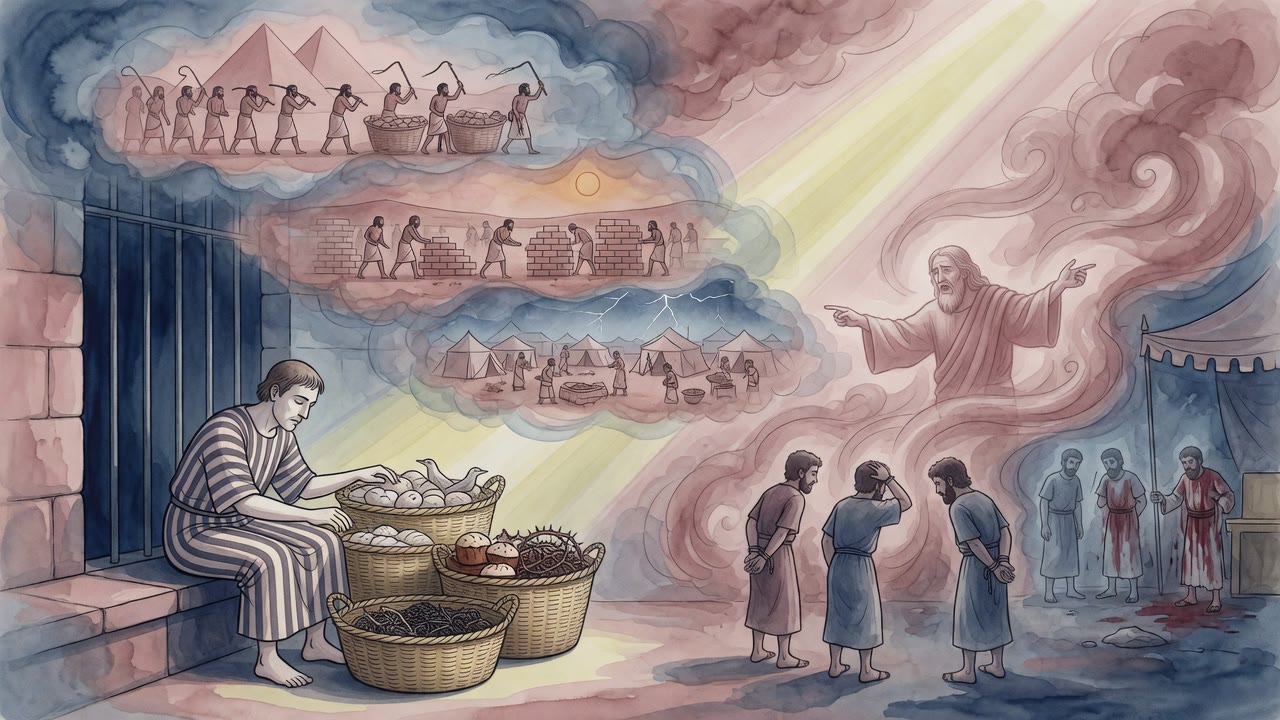
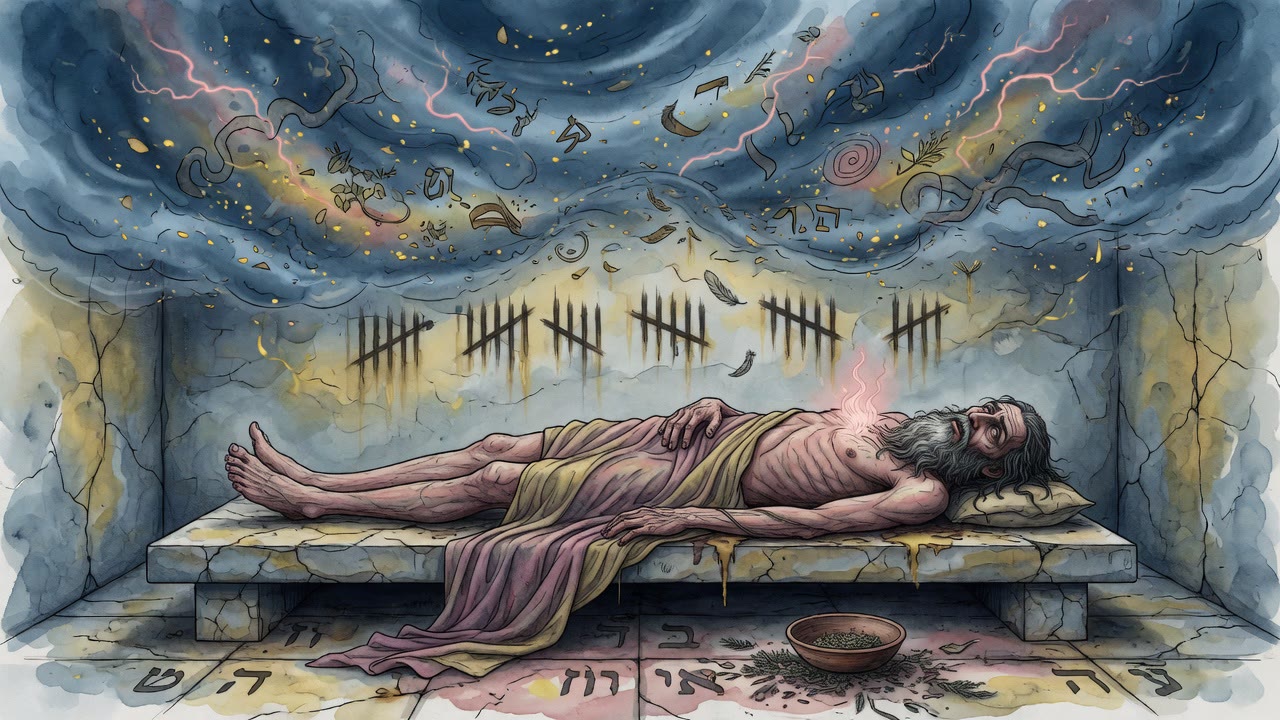
Hannah buries the first husband before the wedding wine has gone flat. She buries the second. She buries the third. By the third morning the town no longer brings new songs to her door. She has stopped blaming chance and started blaming herself. "God's hand is stretched out against me for some unknown sin," she weeps, and swears she will never marry again rather than lead another man to his grave.

The house of her rich uncle David grows quiet around her. Servants lower their voices. Suitors stop sending gifts. Hannah moves through rooms like a woman already half in mourning for a future that refuses to arrive.

Then her poor cousin Joseph arrives at David's door, begging food for a starving house, and falls in love with the woman the town already calls a curse.

Love Against Every Dowry

David pleads the way a man pleads who has already paid for three funerals. He offers the dowry, double the dowry, any sum Joseph can name, anything but the marriage. "To marry Hannah is to die," David says. He piles gold on the table as if gold could outshout love.

Joseph refuses the pile. "Love is the best of all treasures," he answers, and holds David to a promise already given. He has walked hungry to this house. He will not walk away rich and empty of the only thing he came to want.

On the wedding day a stranger pulls Joseph aside in a side court where the music is thinner. Wealth will not save you in the hour of need, the stranger says. Charity alone will deliver you from death. Invite the poor to your feast. The stranger is Elijah the prophet, and he does not stay for thanks or for a cup.

The Beggar with Eyes Like Fire

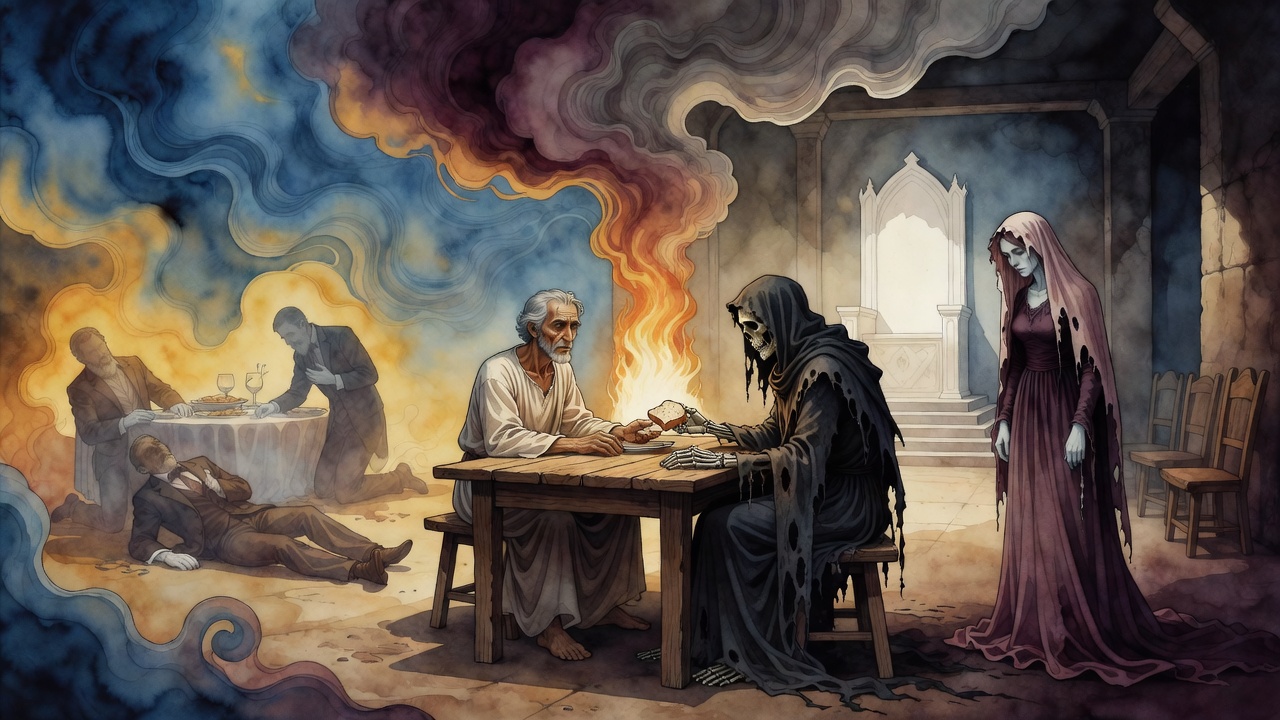
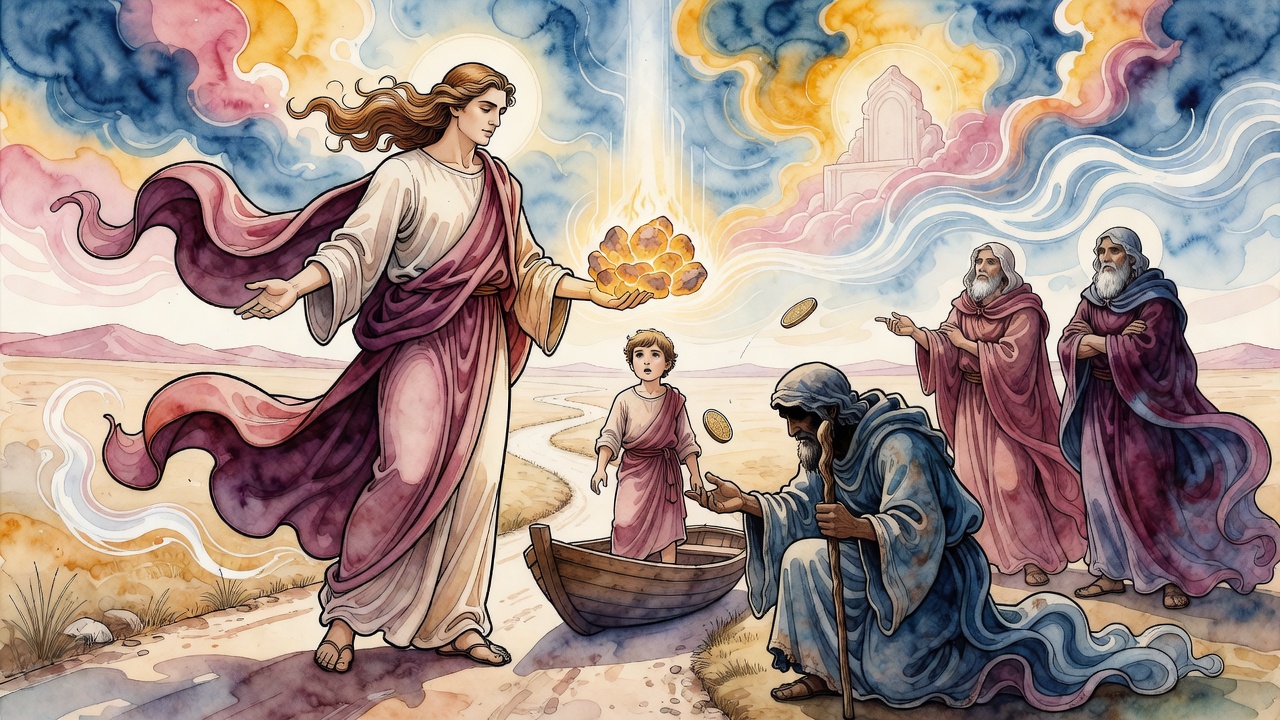
When a ragged man appears at the door, eyes flaming, the whole room hushes. Guests pull back as if smoke had entered. Joseph alone stands and welcomes him. "Come sit beside me. Rich and poor alike are welcome here." He gives the stranger the place next to the groom, the seat of honor no one else wanted to share with rags.

The beggar is the Angel of Death. After the feast he whispers the truth close to Joseph's ear. God has sent him to take Joseph this very day, as he took the others. But this groom has fed him as a friend. When Hannah seizes her husband's hand and demands the angel carry their question to the Eternal Judge, citing the law that a newly betrothed man should not be sent to die (Deuteronomy 20:7), the angel goes gladly, as if relieved to have a brief that is not only a scythe.

He returns with his face shining. "Live long together," he says. "The others died for greed of gold and scorn of the poor. You scorned no one."

What Charity Opens That Gold Cannot

The people who knew Joseph said it plainly afterward. Charity delivers from death. The table that made room for a beggar became a shield no dowry could buy. Hannah's curse breaks not by magic and not by denial, but by a seat offered without checking the guest's purse.

Joseph's name rides a different Joseph in the blessings of Moses, the tribe watered by dew that never ceases and by deep springs under the soil, sweet things of sun and moon on open land. The midrash paints that land as perpetual nourishment, heaven above and deep below conspiring to keep life flowing. The wedding story paints a house that refuses to starve the stranger. Both insist that life clings where generosity keeps flowing, whether as dew on fields or as bread on a wedding board.

The Fourth Morning

There is a fourth morning. Joseph wakes. Hannah wakes. No funeral. No new widow's cloth. The Angel of Death has already eaten at their table and carried a legal plea upstairs and come back empty-handed of a soul. The feast leftovers cool on the boards. Outside, the town waits for a body that does not arrive, neighbors counting hours the way they counted for the first three grooms.

Uncle David counts the gold he tried to press on Joseph and finds it lighter than a chair pulled out for a beggar. Hannah looks at her husband in the morning light and does not trust the quiet until noon passes without a funeral. Greed of gold killed the first three. Scorn of the poor sealed them. This couple fed Death and lived. Joseph feeds Death at a wedding board and lives past the night that took the first three grooms. The dew that never ceases has a human face for one night: a chair pulled out for a beggar whose eyes burned like fire and whose hand had come to take a life and left without it.


← All myths
From the tradition

Sources

2 sources

The texts behind this telling. Some cards carry a translation of the source; others are our own retelling of it, and each card says which. Every card links out to the original.

Jewish Fairy Stories, The Beggar at the WeddingJewish Fairy Stories (Friedlander, 1920)

Retold in our words. Read the original at the link below.Jewish Fairy Stories (Friedlander, 1920), Project Gutenberg #72880 · Public Domain

Three husbands. Three weddings. Three funerals the morning after. Hannah buried each groom in the first night of marriage, and by the third she had stopped blaming fate and started blaming herself. "God's hand is stretched out against me for some unknown sin," she wept, and swore she would never marry again rather than lead another man to his grave.

Then her poor cousin Joseph arrived. He had walked to his rich uncle David's house begging food for his starving family, and he fell in love with the cursed widow. David pleaded with him. He offered Joseph the dowry, double the dowry, any sum he could name, anything but the marriage. "To marry Hannah is to die," David said. Joseph refused the money. "Love is the best of all treasures," he answered, and held David to the promise he had already given.

On the wedding day a stranger pulled Joseph aside with a warning. Wealth will not save you in the hour of need, he said. Charity alone will deliver you from death. Invite the poor to your feast. The stranger was Elijah the prophet. So when a ragged beggar appeared at the door, eyes flaming like fire, the whole room hushed. Joseph alone stood and welcomed him. Come sit beside me, he called, rich and poor alike are welcome here.

The beggar was the Angel of Death. After the feast he whispered the truth: God had sent him to take Joseph this very day, as he had taken the others. But this groom had fed him as a friend. So when Hannah seized her husband's hand and demanded the angel carry their question to the Eternal Judge, citing the Law that a newly betrothed man should not be sent to die (Deuteronomy 20:7), the angel went gladly. He returned with his face shining. Live long together, he said. The others died for greed of gold and scorn of the poor. You scorned no one. The story comes from the Midrash Tanchuma (Ha'azinu, section 8), and the people who knew Joseph said it plainly ever after. Charity delivers from death.

Full source
Sifrei Devarim 353:4Sifrei Devarim

Retold in our words. Read the original at the link below.Sifrei by Rabbi Shraga Silverstein · CC-BY

The Sifrei Devarim, a collection of early rabbinic legal interpretations on the Book of Deuteronomy, offers us a beautiful glimpse into this idea, through its exploration of Moses's blessing to the tribe of Joseph. It's a blessing brimming with images of sweetness and fertility. It paints a picture of a land not just blessed, but continually blessed.

When the text speaks of "the sweet things of the heaven, of the dew," it's not just poetic. It's telling us something profound: dew, that life-giving moisture, was ever present. This wasn’t a land that occasionally received blessings; it was perpetually nourished.

The blessing continues, “and of the deep, lying below.” What does that mean? The Sifrei Devarim explains that the land was watered by springs. Not just rain from above, but life bubbling up from within the earth itself. A double blessing, a constant flow of sustenance.

Then comes the image of the sun and moon, each contributing to the land's bounty. "And of the sweet things brought forth by the sun," teaches us that the land was "open" to the sun’s warmth and light. And similarly, it was "open" to the moon, yielding "sweet things (like melons) quickened by the moon." A partnership between heaven and earth, sun and moon, creating an environment of perfect growth.

But here’s where it gets really interesting. The text goes on: "And of the first (ripened fruits) of the mountains of "yore," and of the sweet things of the eternal (i.e. eternally fruitful) hills." The Sifrei Devarim draws a fascinating conclusion from this: the fruits of the mountains of Joseph are the first to ripen in all of Eretz Yisrael, the Land of Israel. And even more remarkably, the fruits of Eretz Yisrael are the first to ripen of all the mountains in the world! It’s not just about physical location; it’s about a hierarchy of blessing. The land of Israel, particularly the portion associated with Joseph, is presented as the pinnacle of earthly abundance. It's the place where the first fruits appear, evidence of the land's unique connection to the divine.

What does this all mean for us today? To recognize that blessings often come from multiple sources, like the dew and the springs, the sun and the moon.

Full source