Joseph Sweeps the World's Silver Into Egypt
Nations empty their purses for grain. Joseph stacks the earth's silver in Egypt, buries three hoards, and later Israel carries the treasure out.
Table of Contents
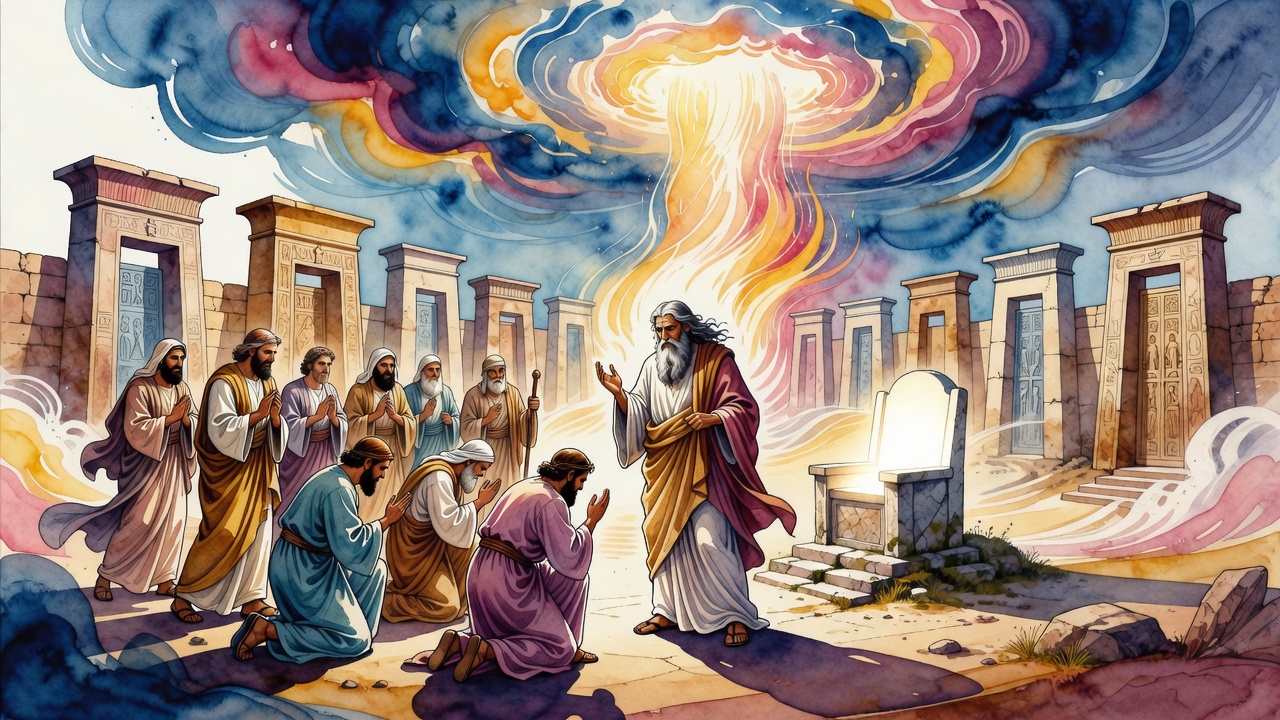
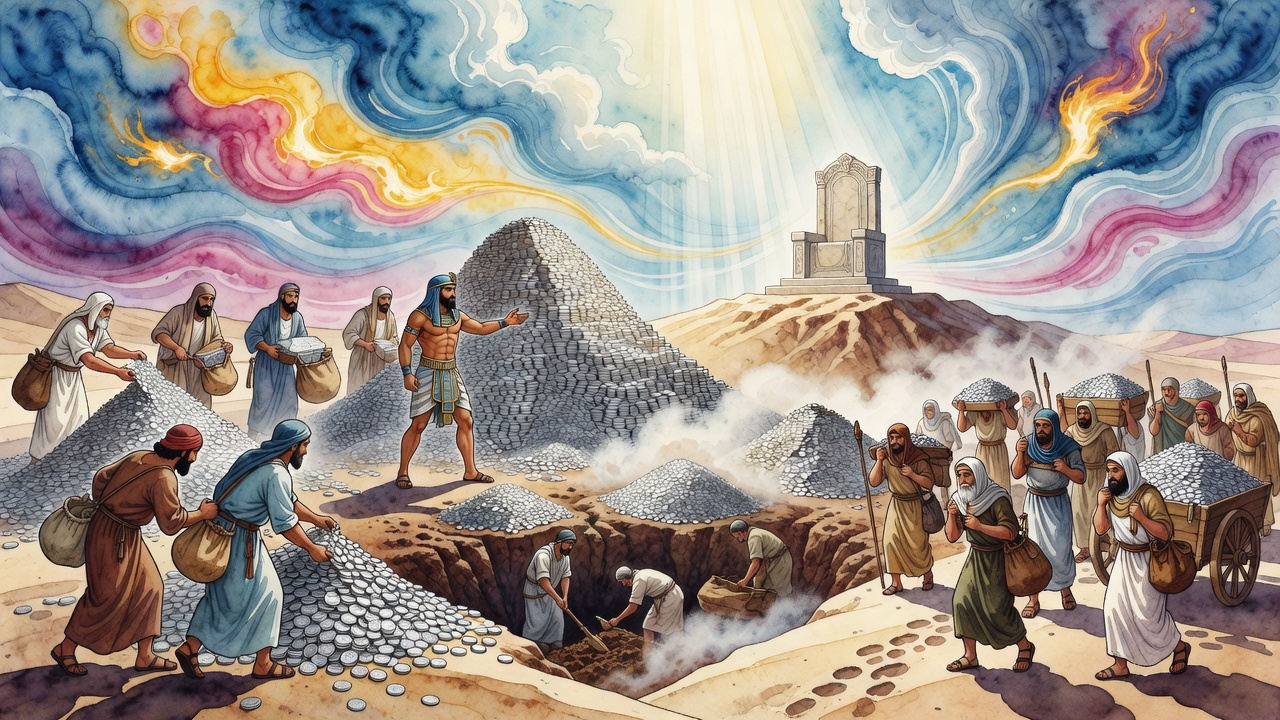
The caravans did not stop. From every road that touched Egypt they came with empty bellies and full purses, and Joseph took the silver until the counting-rooms ran out of language for how much had arrived. The Torah says he gathered all the money in Egypt and Canaan during the famine (Genesis 47:14). The midrash stretches the line until it covers the world. Every nation that needed grain fed the storehouses of the man who once sat in a pit. Coins from languages he had never spoken stacked under his seal.
 Click for full size
Joseph's hands did not shake. He had learned hunger in a cistern and in a prison. He knew what a loaf costs when the land has nothing left to give. He measured grain as carefully as he once measured dreams.
A Pond Emptied of Fish
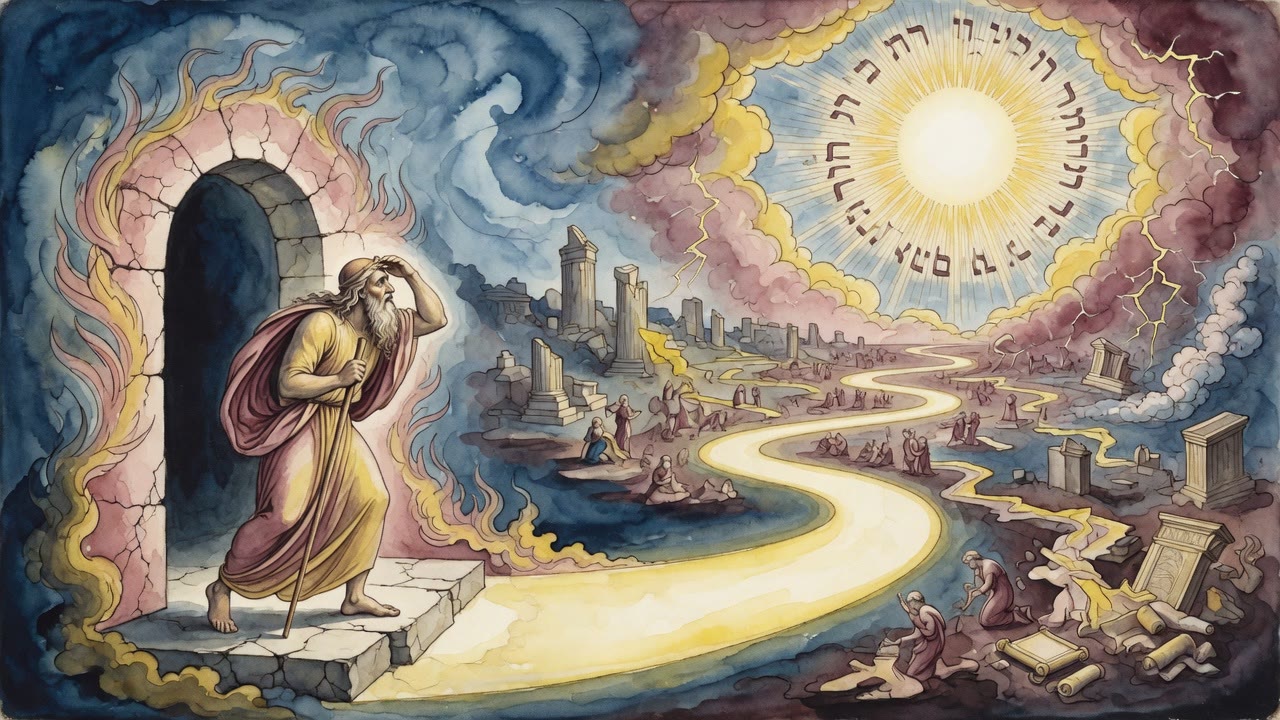
Where did the wealth go? When Israel left Egypt generations later, they carried it out with them, stripping the land so bare the rabbis compare it to a pond emptied of fish, a trap emptied of bait. The treasure that famine pulled inward, the Exodus pulled outward. What Joseph stacked for Pharaoh became the "great substance" promised to Abraham when the covenant first named the bondage and the leaving (Genesis 15:14). The silver remembered the pit and the palace and the night of departure.
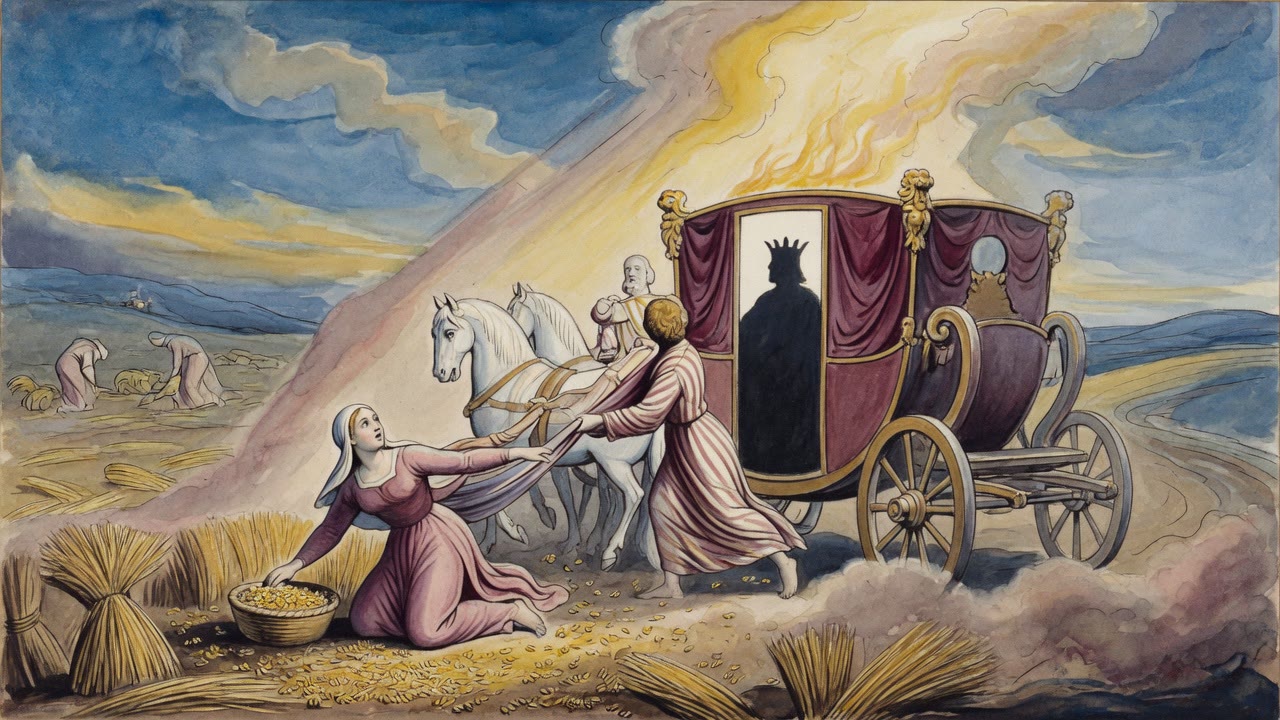
After that the silver began a long, ugly tour of history. Shishak seized it from Rehoboam. Zerach the Cushite took it from Shishak. It passed through Asa, the Ammonites, Jehoshaphat, Sennacherib, Hezekiah. Chaldeans, Persians, Greeks, and finally Rome, where the rabbis say it still lies hidden. A cursed inheritance of conquerors, always moving, never at rest. Empires take turns wearing Joseph's ledger like a stolen coat.
Three Hoards Under the Earth
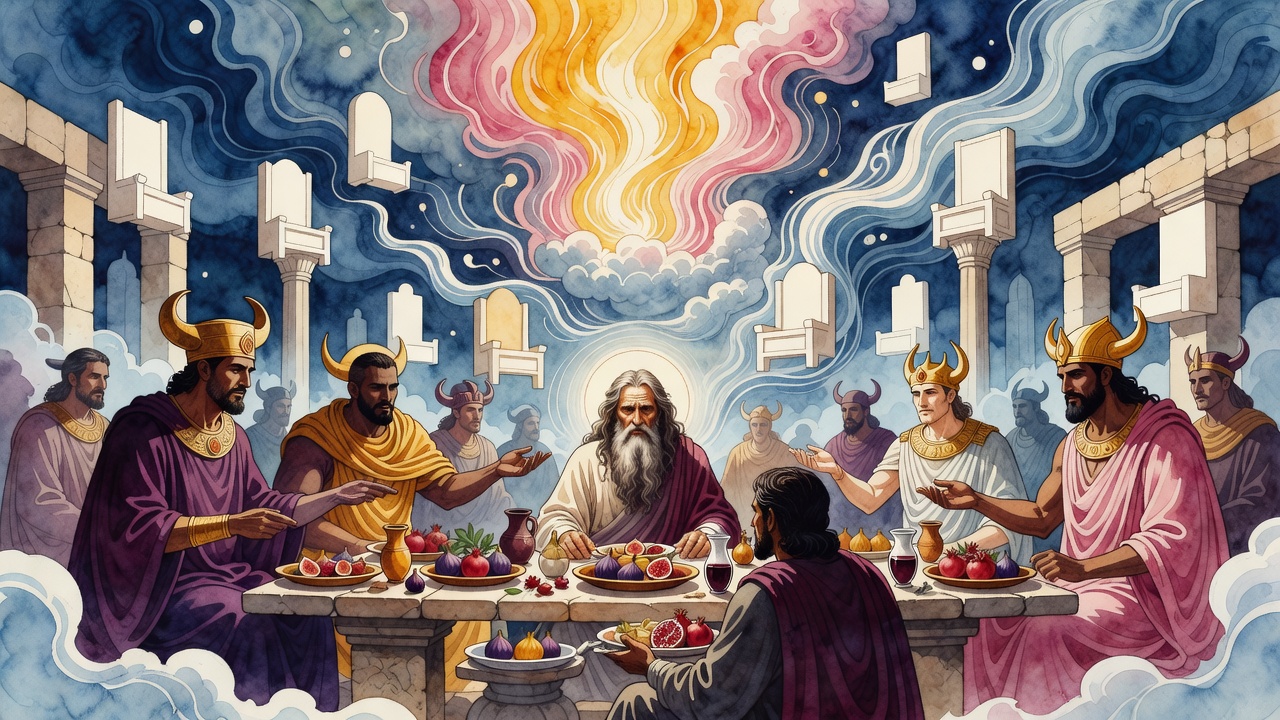
Joseph did not pour out everything. He buried three secret hoards. One was uncovered by Korah, whose fabulous riches later fueled a rebellion against Moses. One came to light for the Roman emperor Antoninus. The third remains sealed, waiting for the righteous in the world to come, a treasure no empire will ever load onto a wagon. The man who managed Pharaoh's barns also managed a future no census could count. Power like that draws eyes. Envy is a tax on visible success.
Joseph knew that tax better than most. He had worn a coat that made his brothers hate him. He had ruled a foreign court while his own family bowed without knowing his face. He had learned how a glance can wound as surely as a sale into slavery. Wealth without wisdom is only a brighter target.
An Eye That Would Not Steal
Years earlier, in Potiphar's house, Joseph had turned his eyes away from a pleasure that was not his. The midrash reads Jacob's blessing of the fruitful bough by a spring and hears the word for spring as the word for eye. The eye that refused stolen delight is granted an inheritance that satisfies the eye to the full. Measure for measure: restraint paid in land, abundance given where theft was refused. Taanath-shiloh and the territory of Joseph become, in that reading, repayment for a glance denied.
His children would later stand before Joshua and claim a greatness that needed more territory. Joshua told them to hide in the forest if they feared the evil eye. They answered that they descended from Joseph, and over his line the evil eye holds no power. Jacob had called him a vine rising above the eye. Rabbi Yose bar Hanina heard the same shield in the blessing to multiply like fish, creatures hidden under water, untouched by the glance that covets. The man who gathered the world's silver taught his seed how to live without being eaten by other people's stares.
Grain, Silver, and the Long Return
In the famine years the silver piled high while the grain went out by measure. Joseph's brothers came with empty sacks and left with full ones, not knowing they were buying from the brother they sold. The world's wealth and one family's guilt crossed in the same doorway. Egypt grew rich. Canaan grew thin. History loaded a debt that the night of the Exodus would collect in gold borrowed from neighbors who would never see it again.
Joseph walked the storehouse floors and heard foreign languages counting coins. He did not smile much. The dreamer had become an accountant of survival. Under the floors, three hoards waited for rebels, emperors, and the end of days. Above the floors, a nation of slaves would one day walk out wearing the jewelry of the kingdom that starved them. The silver remembered who stacked it first. So did Heaven.
← All myths