Joseph Walks From Hebron to the Stolen Cup
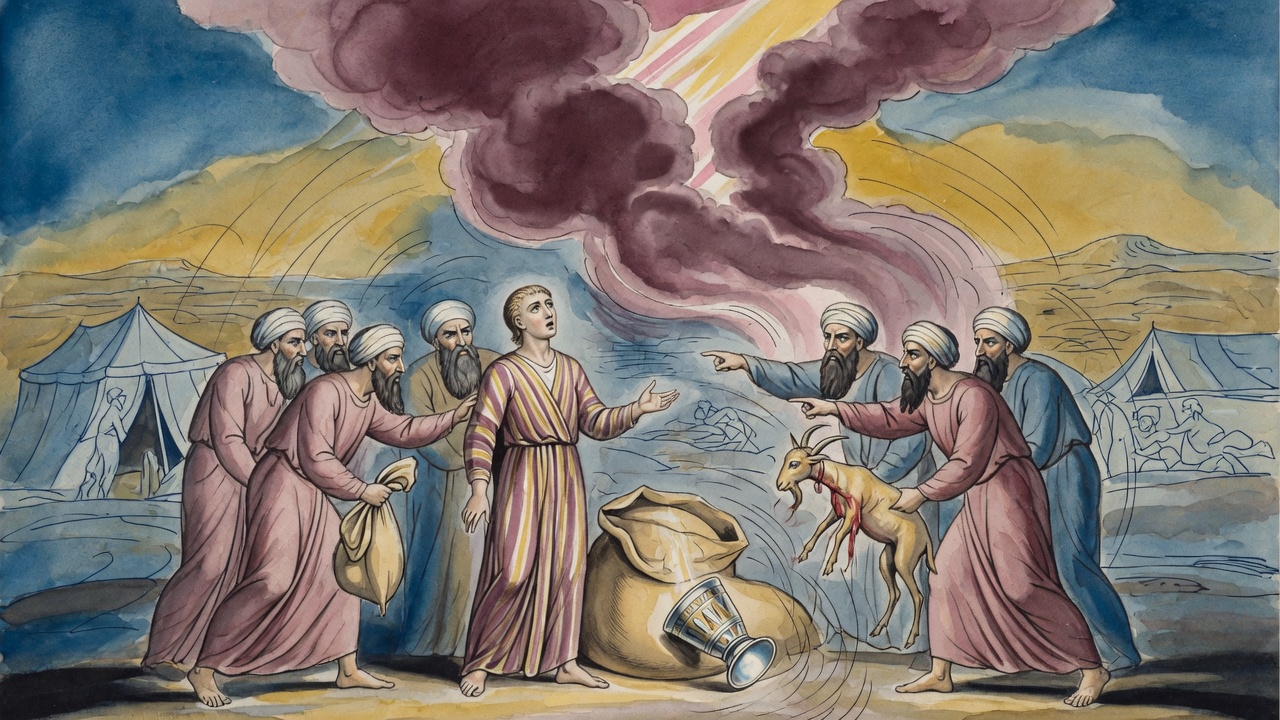
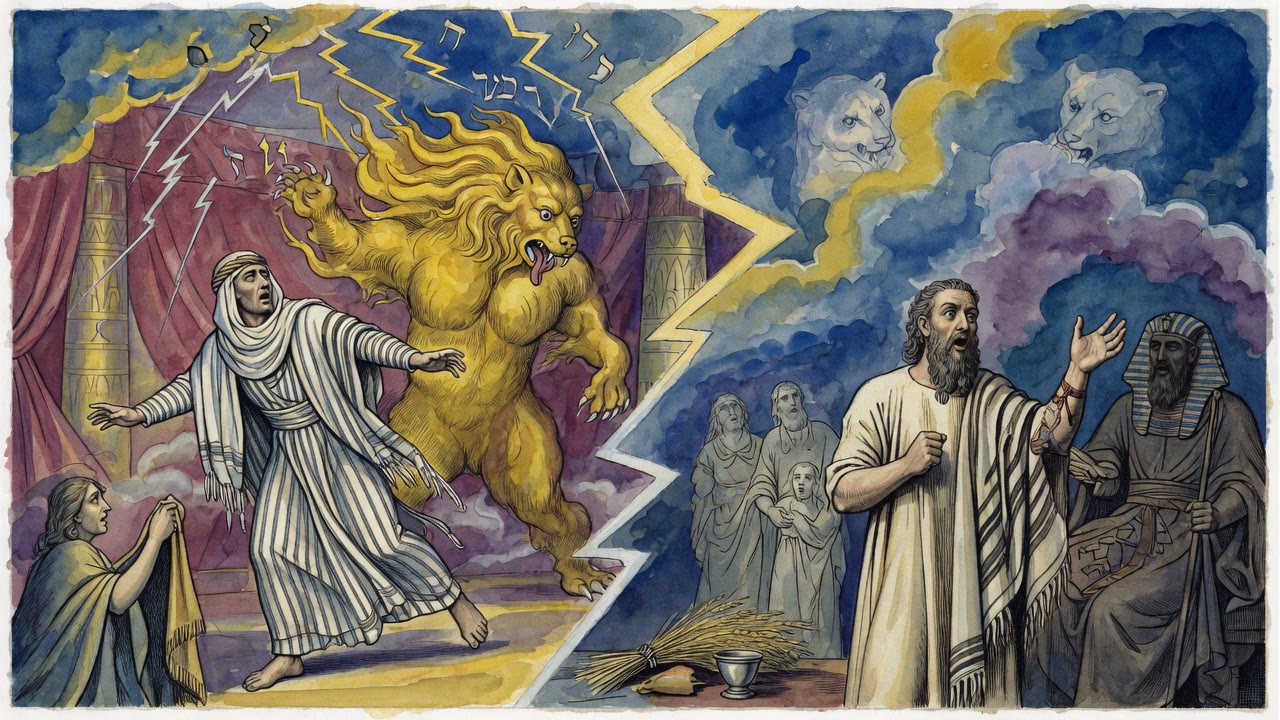
The steward opened the sacks from the eldest down. When the cup came up in Benjamin's sack, the brothers struck him and called him a thief.
Table of Contents
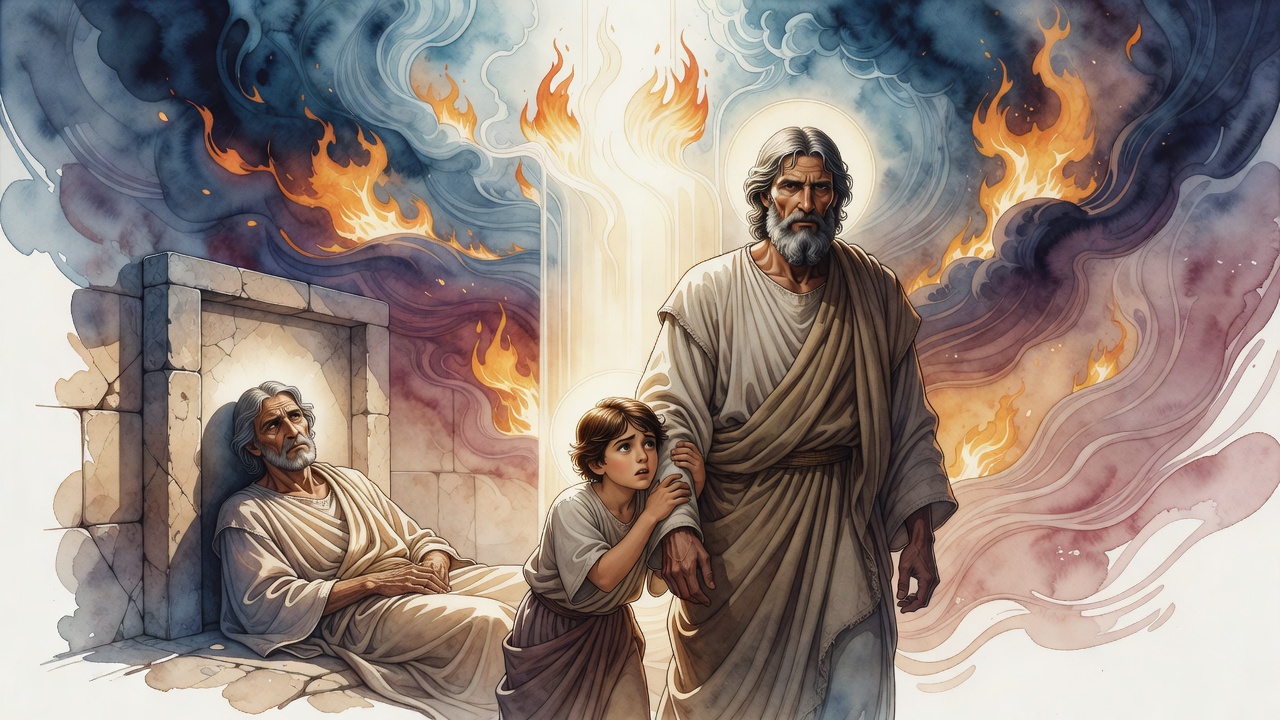
"Go now, see the welfare of your brothers," said the father, and the words fell on Joseph like a stone dropped in a deep well.
 Click for full size
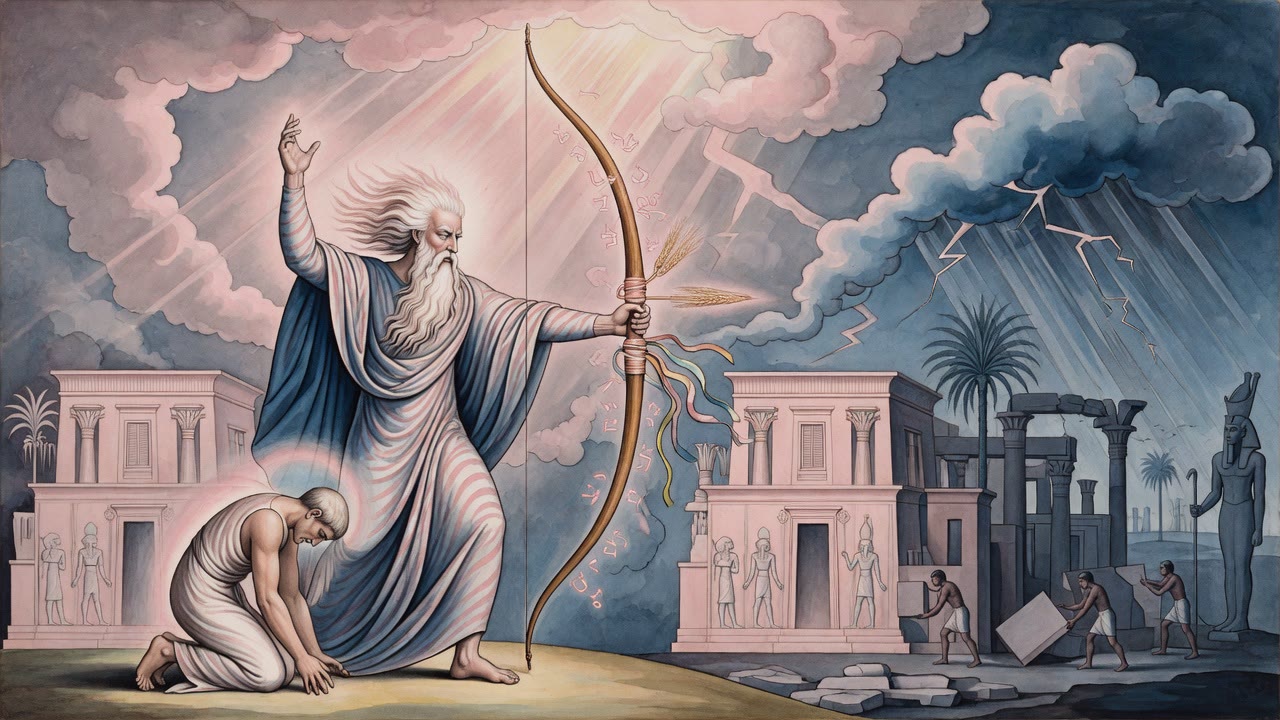
He understood what waited among them. He read the danger plainly. He went anyway. Scripture says he was sent from the valley of Hebron, though Hebron sits on a mountain. The valley was not rock alone. It was the deep counsel sealed with Abraham who sleeps in Hebron's earth, a descent shaped long before the boy took the road (Genesis 37:14).
The coat still caught the light when he left. The brothers were pasturing at Shechem, then at Dothan. Joseph walked knowing the looks that would meet him and did not turn back toward the mountain that the verse called a valley.
The Road He Did Not Refuse
When Aaron later saw Hur slain at his feet and still built an altar of dread for a clamoring people, the sages pair that seeing with Joseph's. Both men looked at ruin and still moved. Joseph walked toward brothers who hated his dreams, carrying the old covenant under every step.
The pit, the sale, the caravan to Egypt, the house of Potiphar, the prison, the throne: all of it began with a yes spoken on a ridge named for depth. He went down to fulfill a buried design. Fear did not cancel the errand. It only made the walking heavier.
Limb by Limb in Egypt
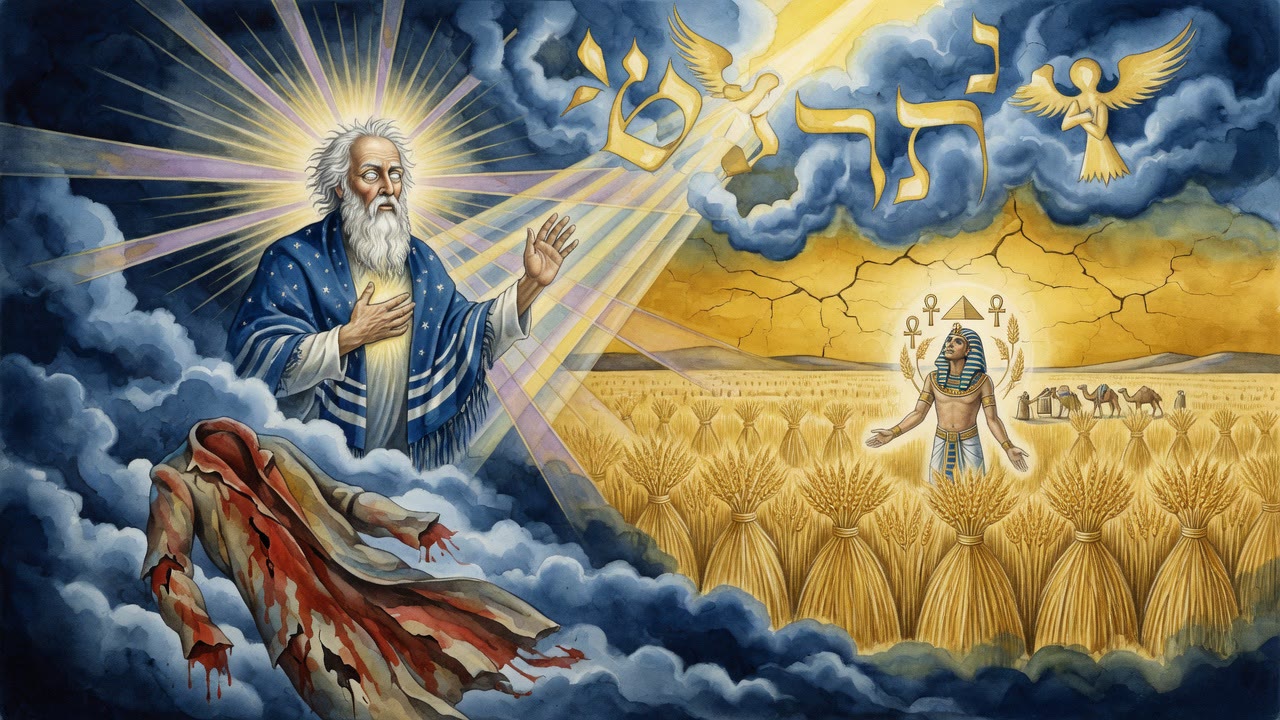
In Potiphar's house a body was tested piece by piece. Day after day the master's wife spoke. Day after day Joseph refused. The mouth that would not kiss in sin later ruled a people "according to your mouth." The neck that would not bend toward forbidden embrace received Pharaoh's gold chain. Hands that refused to grope took the royal signet. The body that never drew near was clothed in fine linen. The foot that would not climb the bed of his master's wife stood in the second chariot. The heart that never entertained the thought heard the cry "Avrekh," father in wisdom though tender in years.
Joseph received nothing in open court he had not already earned in hidden chambers. Reward measured the limbs that did not stumble. Pharaoh raised him over all the land of Egypt, and every gift answered a temptation refused (Genesis 41:42-43).
The Search From Eldest to Youngest
Years later the steward overtook the brothers on the road and did not go straight for the goblet. He searched from the eldest down to the youngest so no one could say he had known all along where it lay. Sacks opened one by one. Grain spilled. Hands went empty. Then the cup rose from Benjamin's sack.
The brothers turned on the boy. "Thief, son of a thief-woman! Rachel your mother stole the teraphim, and now you have stolen the goblet." They struck him until Benjamin swore, by the life of Jacob and by the mourning and burial of Joseph, that he was guiltless. "In all of this I did not know who put it in my sack."
They believed him, for Benjamin did not swear lightly. Behind the Egyptian mask, Joseph heard the old slander on his own mother's line and thought of a kid of goats and brothers who once sold a brother. The wound had not closed. It had waited (Genesis 44:12).
The Cup and the Covenant
The boy who left Hebron knowing the risk became the man who staged risk to test repentance. The body that refused sin in a locked room now held the power to free or bind. He made them face the youngest, the father's grief, the lie they had lived with for years. Would they abandon another son of Rachel, or stand in his place?
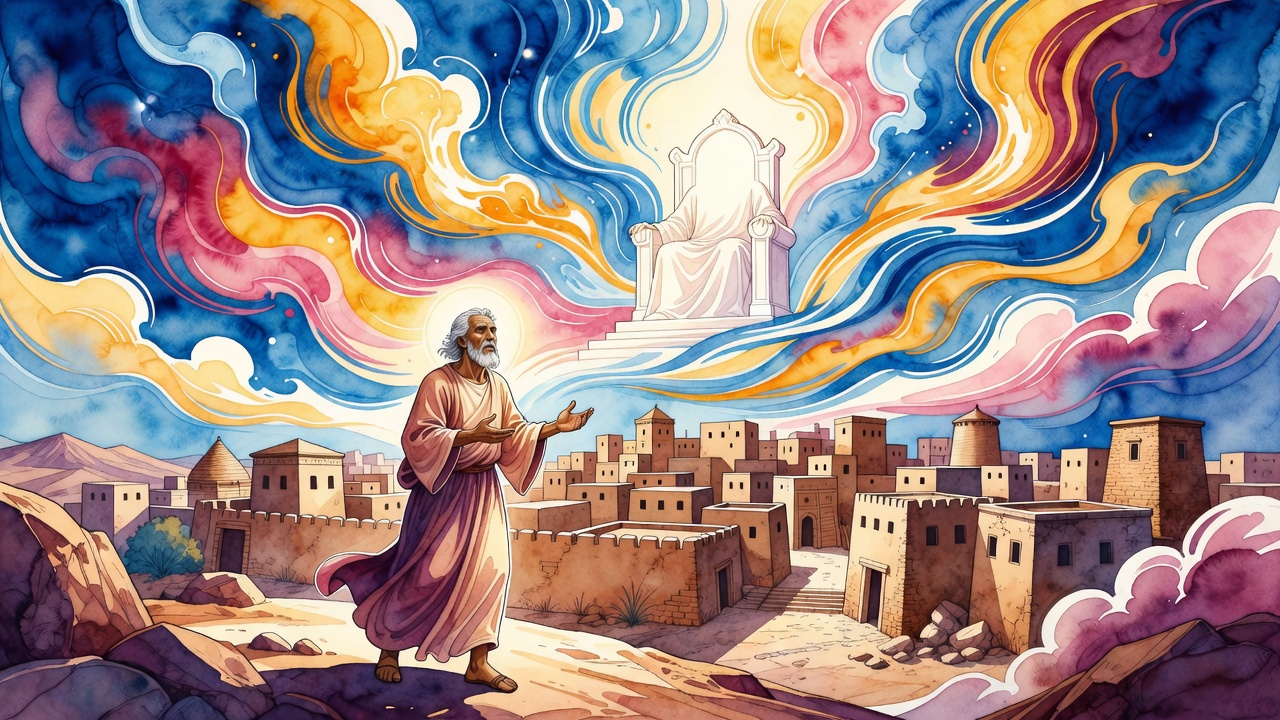
Judah stepped forward. The sale that began on the road from Hebron met its answer in a speech that offered one life for another. When the mask finally broke, the valley's deep plan stood finished in a room in Egypt: not the ruin of Joseph, but the gathering of twelve under one roof again.
The stolen cup was never about silver. It was about whether brothers who once sold a dreamer would sell another, or become keepers at last. Joseph wept so loudly that the house of Pharaoh heard. The mountain that the verse called a valley had always been aiming at this room.
On the road from Hebron he had been a boy with a coat and a message. In Egypt he became a man who could bury a goblet and open a wound on purpose. Between those two roads ran years of silence in which Jacob tore his clothes for a son still alive. Joseph held the silence until the brothers' mouths spoke a different kind of care for Benjamin than they had ever spoken for him. That was the test the valley had always been driving toward.
← All myths