Joseph's False Tales Came Back as Slavery Chains
Joseph carried groundless reports about his brothers to Jacob. The words turned on him in slavery, while Benjamin's clean hands earned the Temple site.
Table of Contents
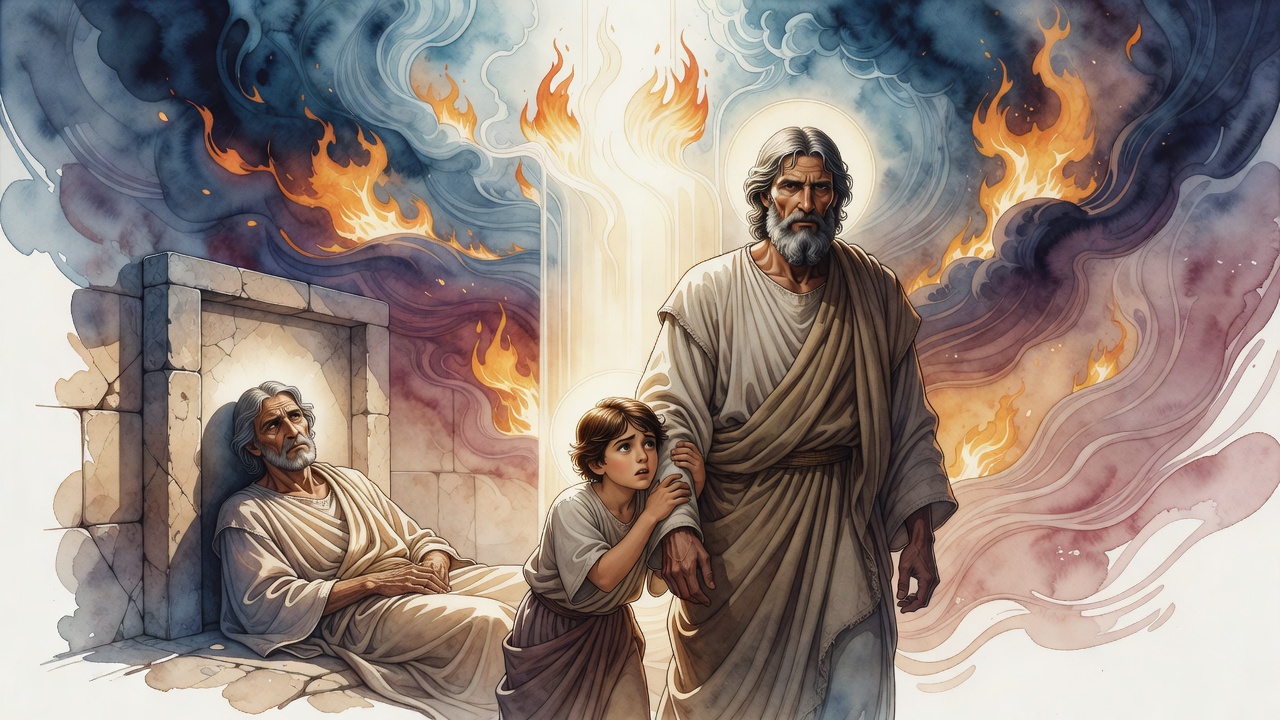
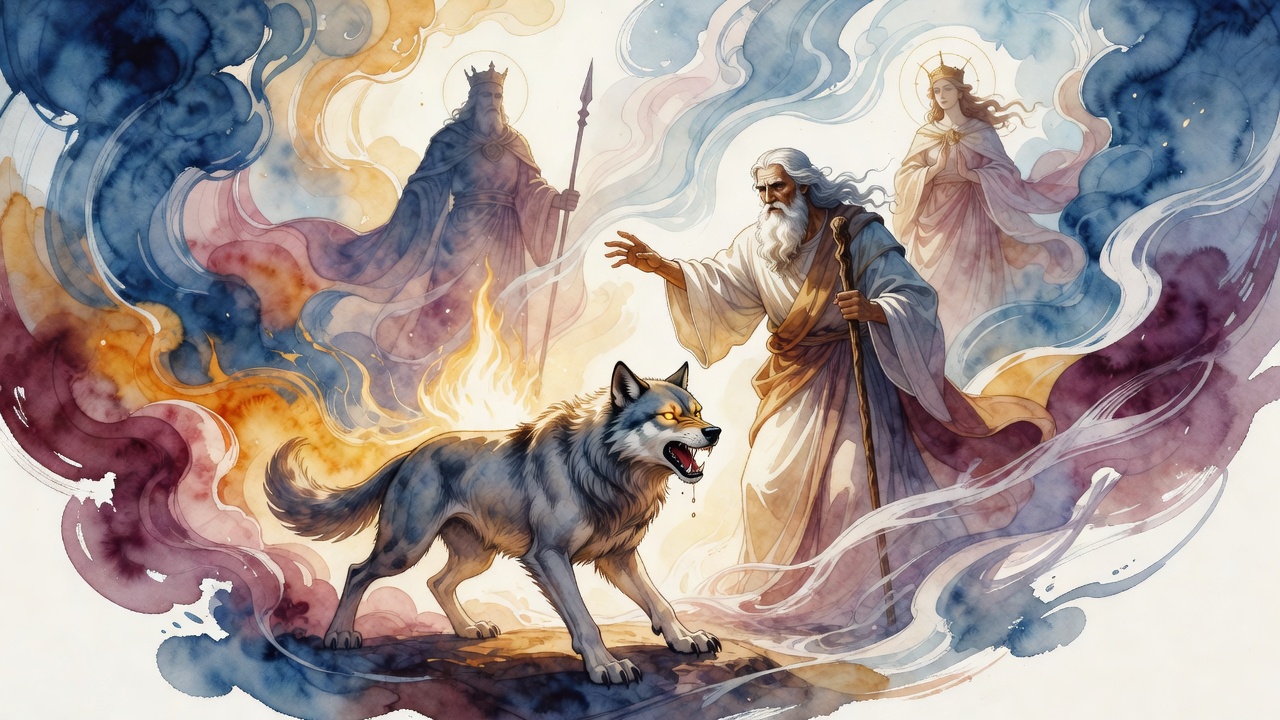
Joseph walked home with stories that were not true. His brothers' faces, their work, the sons of the handmaids, all of it he shaped into reports for Jacob, and the father listened because the boy wore a coat that made listening feel like love. The words left Joseph's mouth light. They landed heavy. In the fields the brothers already hated the dreams. Now they hated the tongue that turned them into criminals before any crime.
 Click for full size
He said they treated the sons of the handmaids as slaves. He said they looked with lust toward Canaanite women. He brought home the heat of his own fear and dressed it as testimony. The house of Jacob filled with a son's clever poison, and no one yet knew that the poison would choose its maker first.
Sold for the Charge He Invented
The pit came later. The caravan of Midianites and Ishmaelites rolled toward Egypt, and the brothers who had been called slave-makers by Joseph's tongue sold their dreamer into slavery. Measure for measure, the accusation became the life. He had painted them as men who reduce a brother to property. Then they reduced him.
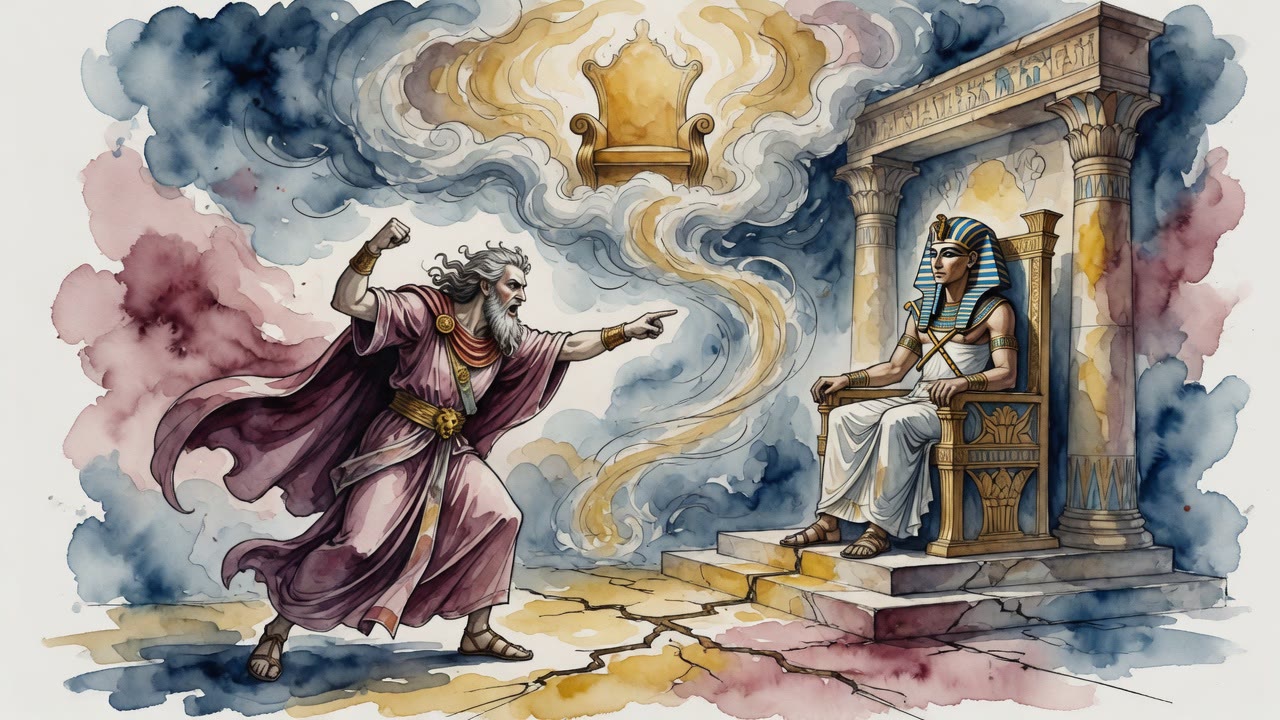
In Egypt the second tale returned with a woman's eyes. Joseph had whispered that his brothers chased foreign desire. Potiphar's wife cast her eyes on him and spoke a charge that almost killed him. Again the shape of his old report walked back into the room wearing another face. The coat that once proved favor now tore in a servant's hand. The boy who invented guilt learned how guilt is fastened to a body.
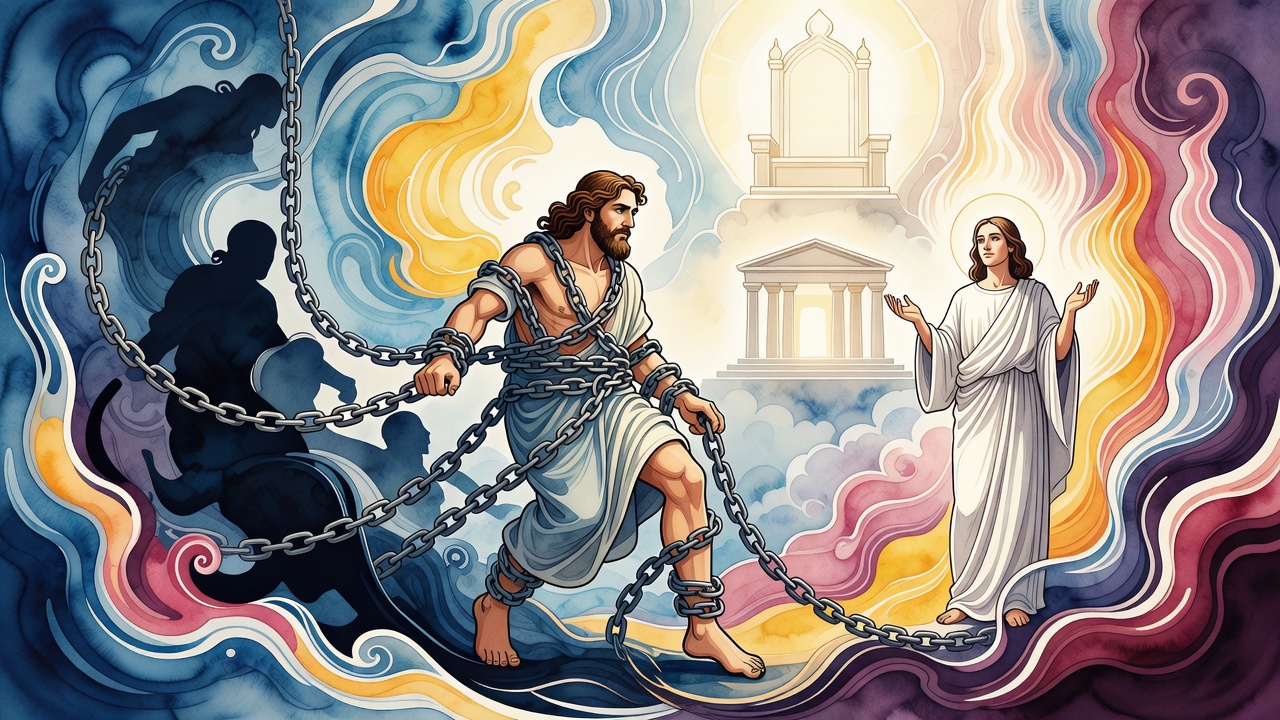
Chains teach faster than sermons. Joseph learned the weight of a word he had once spent freely at his father's table.
They Slaughtered the Goat by the Rules
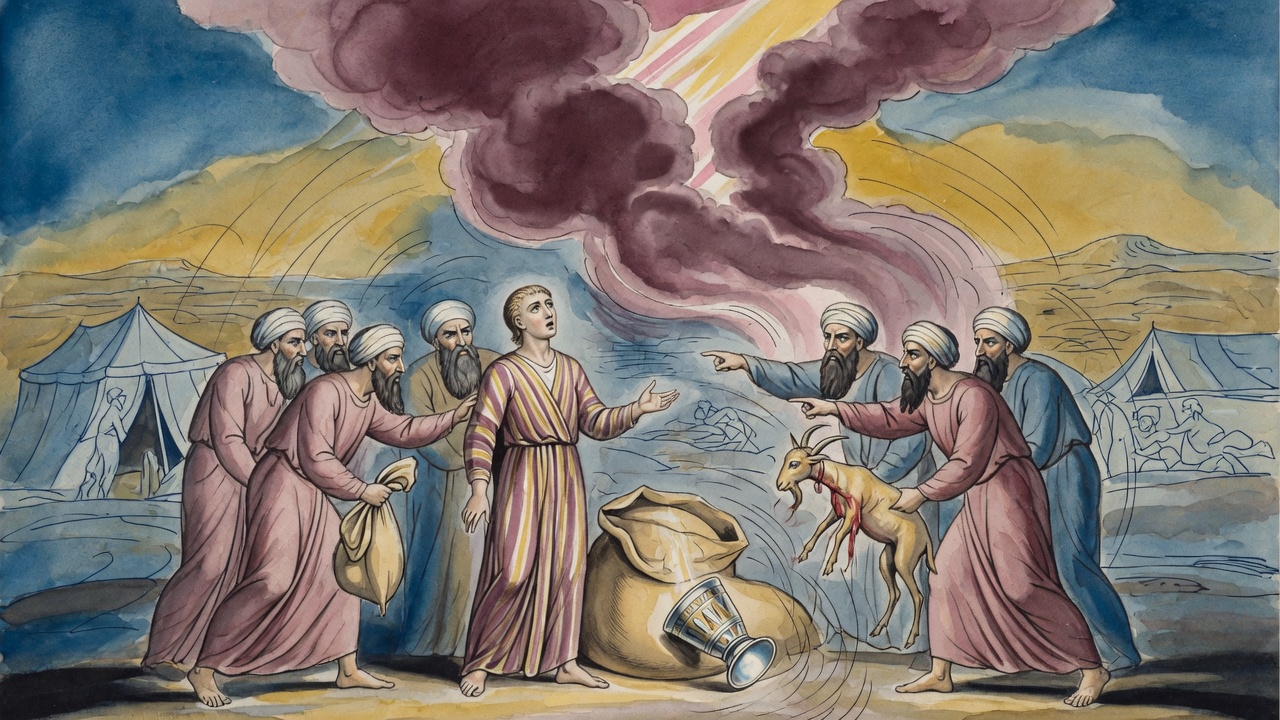
While they planned the lie for Jacob, the brothers still kept the knife of ritual careful. They slaughtered a goat properly and stained the coat with blood that would look like a wild beast's work. Betrayal and observance shared the same afternoon. Hands that threw a brother into a pit still remembered how to cut clean for the law they claimed to serve.
That double motion is the strangeness the legends refuse to sand away. Wickedness did not wait for them to become pagans. It arrived while they still knew how to slaughter. Joseph's coat, dipped and delivered, taught Jacob a false death and taught the brothers that technique is not righteousness. A house can keep the forms of holiness and still sell a child.
Jacob tore his clothes for a son who was not dead. The brothers ate their meal with the money for Joseph already warm in the pack. The goat's blood dried on the famous cloth and became the first false midrash of the family, a story written in red for a father who would believe it for years.
Benjamin's Hands Stayed Clean
One brother was absent from the sale. Benjamin was not in the field when Joseph went down into the pit and up into the merchants' hands. His hands never held the money. His silence never sealed the plot. Years later, when Israel sought a place for the Temple, the dwelling of the Divine Presence on earth, that innocence mattered.
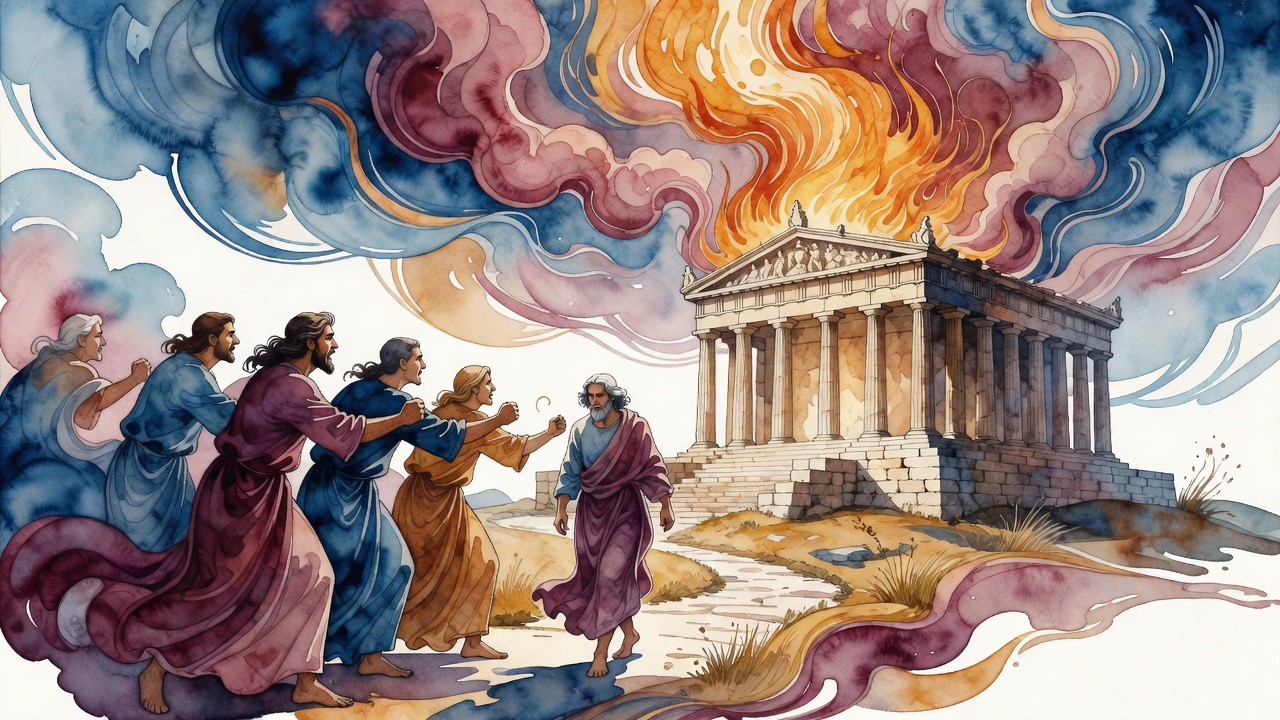
The land of Benjamin was chosen because Benjamin alone among the tribes bore no guilt in the selling of Joseph. The holiest house needed a foundation free of that first family betrayal. Geography joined the moral claim: Benjamin was the only son of Jacob born on the soil of the Land of Israel itself, while his brothers had been born in exile lands. Innocence and nativity met on one tribal strip, and the Temple rose there.
The Divine Presence would not pitch its permanent tent on land bought with the silence of a sale. It chose the brother who had not been present when the price was named.
What the House Remembered
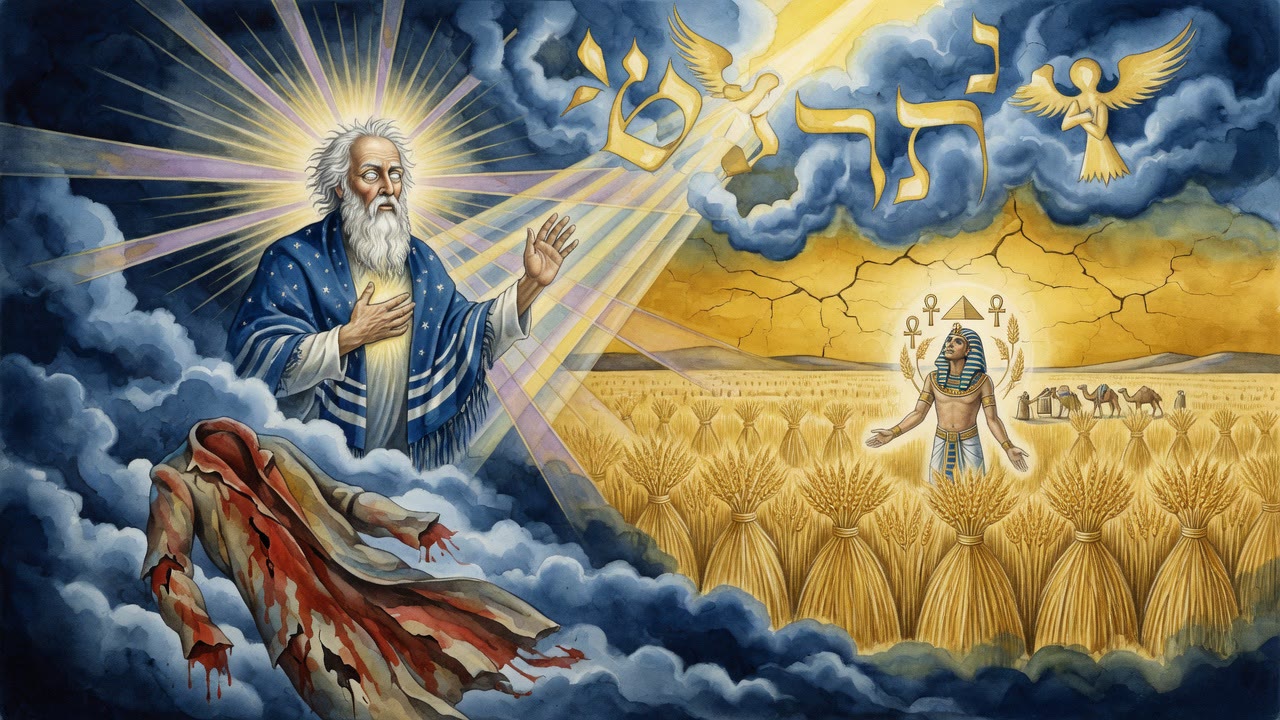
Joseph rose in Egypt and fed the world, including the brothers who had sold him. The measure still held, but mercy complicated it. He wept. He tested. He revealed. The false tales that began the chain did not get the last word, yet they never stopped being the first cause. A boy's reports had trained the world to answer him in kind until a clean brother's territory could host the place where sacrifices would one day speak a different language of blood, offered and accepted, not spilled for a coat's theater.
The sale made Egypt. Egypt made the Exodus. The Exodus made the need for a house of meeting. And under that house, in the old accounting, lay Benjamin's unused hands. Every pilgrim who later climbed to the Temple walked above a story that began with a brother talking too much and ended with a brother who said nothing because he was not there to say it.
Joseph's groundless tales returned as slavery, as prison, as a coat torn in a foreign house. Benjamin's absence returned as limestone, cedar, and gold set on ground that had never taken payment for a brother's skin.
← All myths