Joshua Stretched War to Buy Himself Ten Years
Moses rushes Midian's war knowing death waits after, while Joshua drags thirty-one kings across many years and loses a decade of life.
Table of Contents
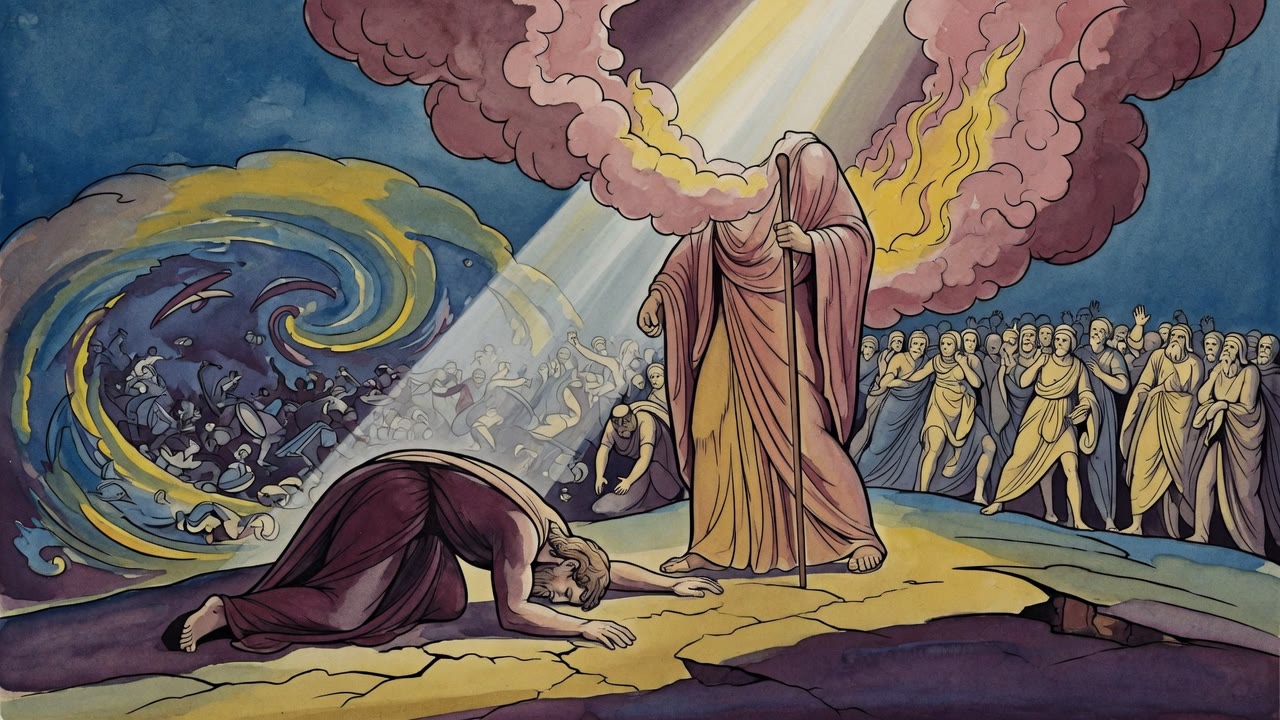
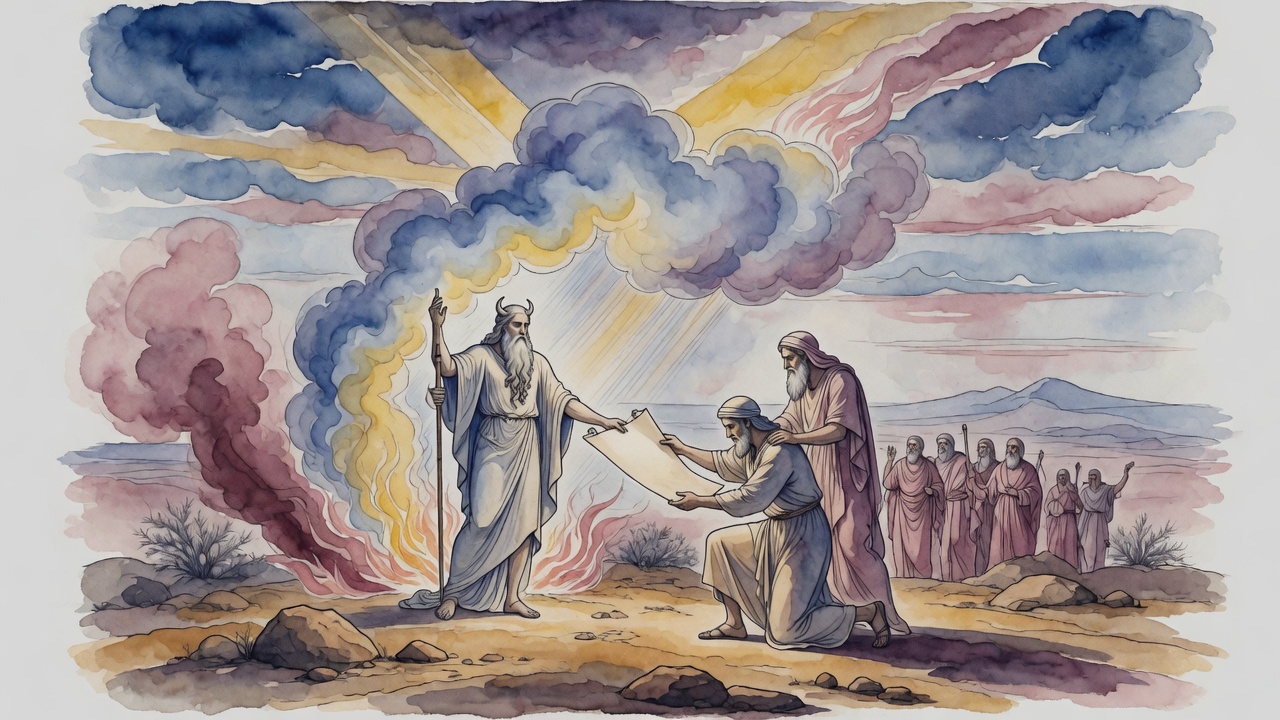
The word came with a clock already ticking. Take the vengeance of the children of Israel against the Midianites; then you will be gathered to your people. Moses heard the mission and the funeral in the same breath.
 Click for full size
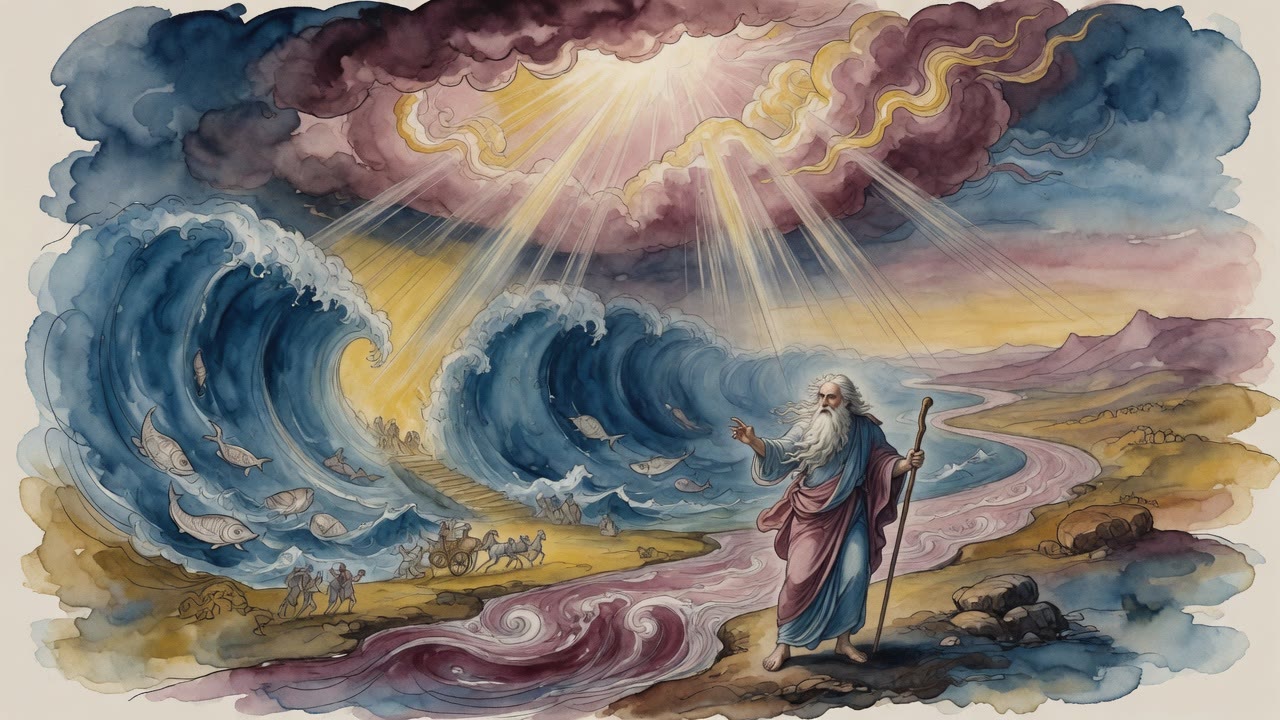
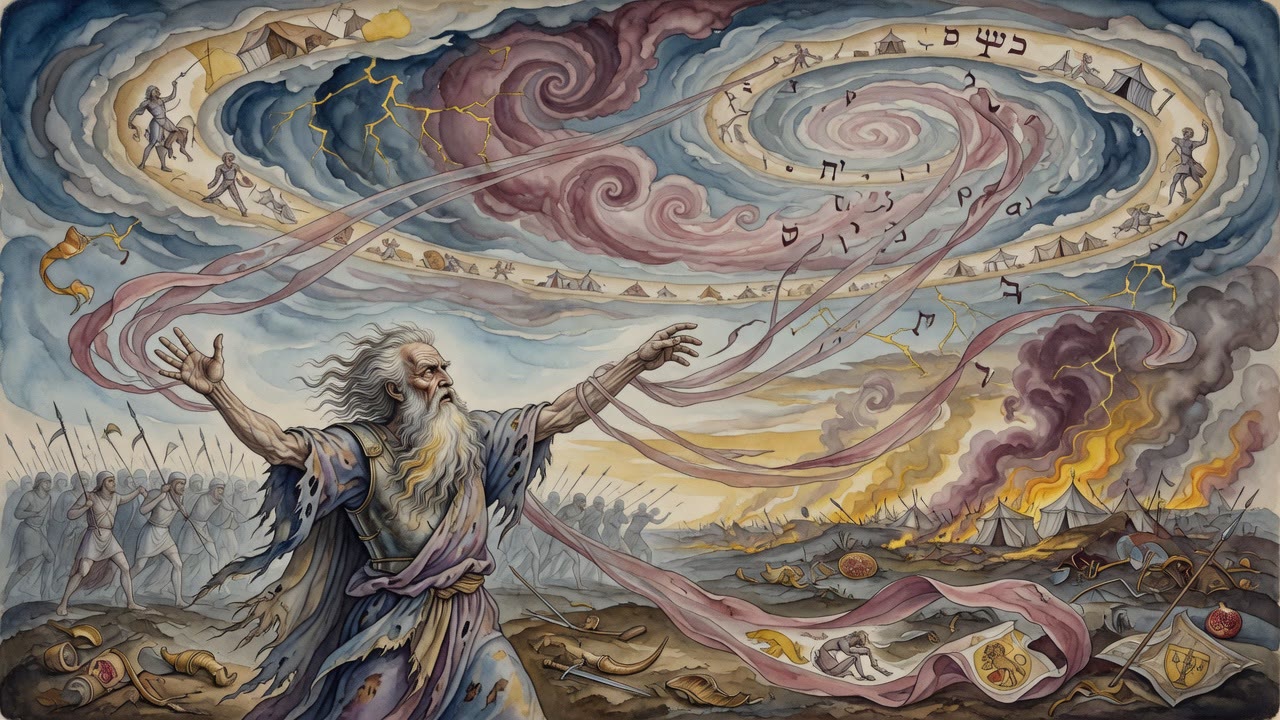
He did not stall. The text presses his speed into a few hard syllables. Moses sent them. Men marched. Midian answered. The leader who had argued for a people he would never fully enter still finished the work that would close his own book.
The War That Meant the End
Anyone else might have found reasons to wait. A better season. A fuller armory. One more night under a sky that still counted him among the living. Moses put the mission above the private terror of an announced death. Alacrity, the midrash names it. Not eagerness for dying. Eagerness not to make the living wait on his fear.
When the campaign closed, the decree stood. He had not bargained for extra years by leaving enemies uncounted. He had spent the last stretch of authority as he had spent the first, in motion toward what heaven required. The people watched a man walk toward his own ending without using their safety as a shield for delay.
That is the hard mirror later leaders hate. Completion can be a death sentence, and still the order stands. Moses treats the sentence as weather. He does not try to outvote the clouds.
Joshua Does the Math
Joshua inherited a different map and a similar threat. Thirty-one kings. A land full of fortified names. The promise in his ear was almost twin to Moses' life. As I was with Moses, I will be with you. A listener might hear one hundred twenty years humming under that sentence, a full measure matching the teacher's span.
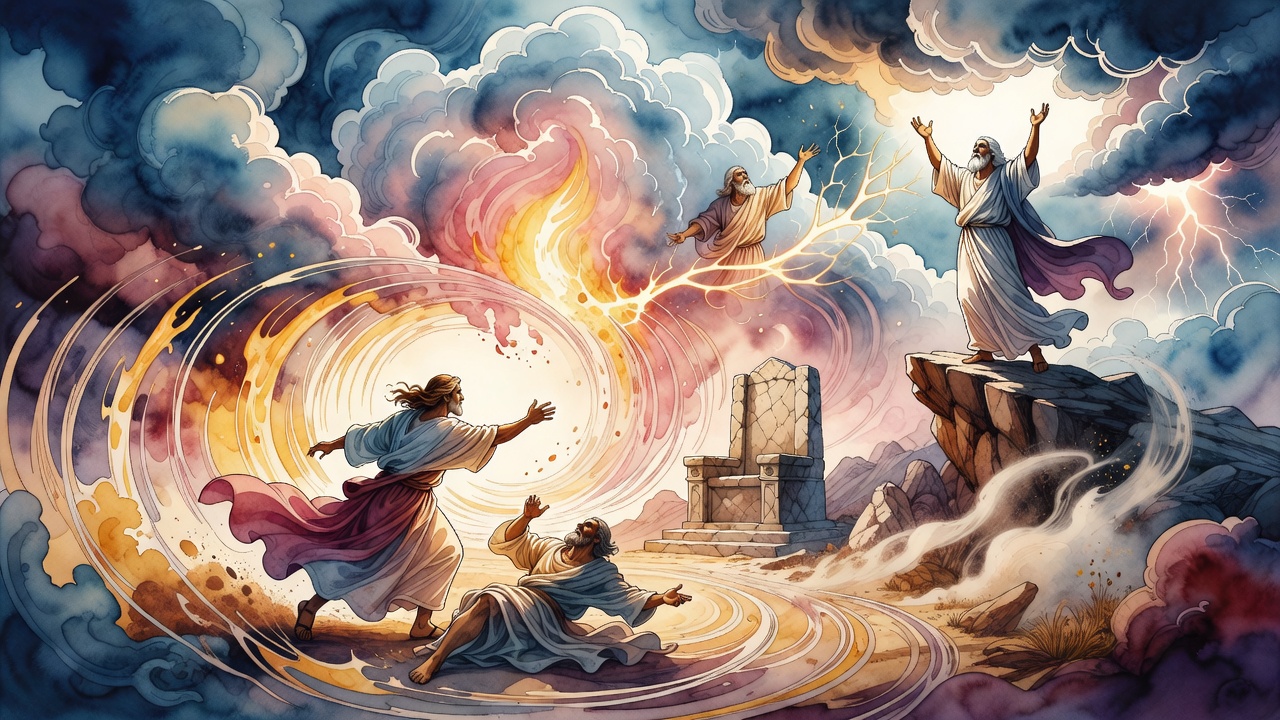
Joshua heard something colder. If I finish them at once, I die at once, just as Moses our teacher did. So he stretched the war. For many years Joshua waged war with all those kings. The Book of Joshua itself keeps the calendar long. Cities fell on a schedule that served more than strategy. Seasons turned while some walls still waited for their turn under siege engines and trumpets.
Heaven watched the subtle difference in attitude. Since this is what you did, the Holy One said, I will deduct ten years from your life. One hundred ten, not one hundred twenty. The missing decade is not random loss. It is the price of buying time with unfinished swords. Presence promised beside him did not become a loophole against mortality.
What Leadership Was Supposed to Share
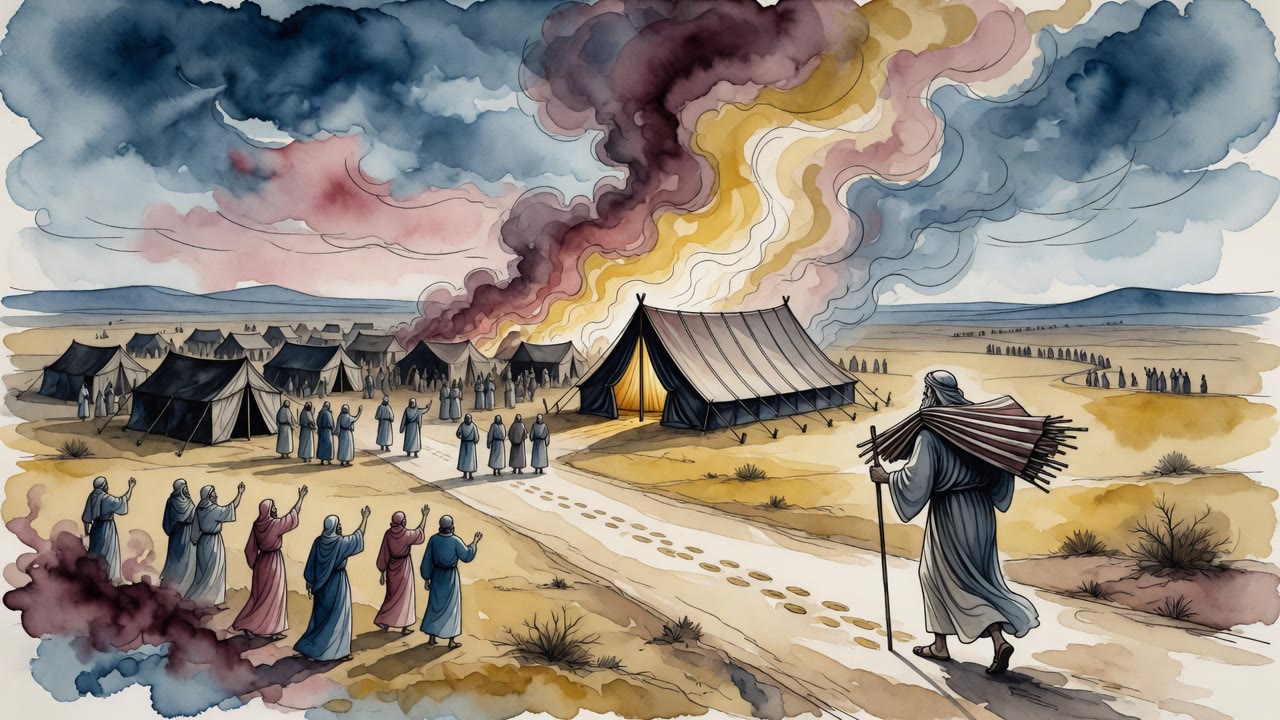
Moses had already known the weight of a people too heavy for one pair of shoulders. When the burden crushed him in the wilderness, God loved the appointment of the elders. Seventy men to stand with him, spirit drawn from the same well, so prophecy and judgment would not choke a single throat. Shared load. Shared breath. Shared presence in the tent of meeting when the people pressed too hard for one mouth to answer.
Joshua's delay is the opposite gesture. Instead of spreading the work so the work can finish cleanly, he slows the work so the worker can linger. The midrash does not call him a coward in the field. It calls out the private calculus that treats completion as a death sentence and therefore treats delay as medicine. Elders were given so no leader would have to hold the whole fire alone. Years are not a private treasury to be padded by unfinished commandments.
Imagine the seventy around Moses, hands steadying a load that once bent only one man. Then imagine Joshua alone with a map of kings, quietly deciding that the last king can wait another winter. The contrast is not about courage under arrows. It is about whether a leader serves the mission's end or uses the mission's middle as a life-extension.
Two Speeds Toward the Same Edge
Picture Moses on the day Midian is named, already tasting the end, still sending. Picture Joshua among half-conquered kings, counting seasons, leaving some walls for another campaign so the calendar will not slam shut. One man runs toward the edge because the edge is the duty. One man walks the long way around the edge because the edge looks like a grave.
Both are servants. Both are beloved. Only one has ten years scraped off the promise that sounded equal. As I was with Moses does not mean you may rewrite the terms with clever pacing. The same God who stood with the teacher stands with the student, and still keeps a ledger of speed when the student tries to spend blood slowly to purchase breath.
Soldiers under both men still bled. Delay does not spare the camp from cost. It only rearranges when the leader pays his personal due.
The Decade That Never Arrived
When Joshua's death finally comes, the land is largely taken and the missing years stay missing. No speech recovers them. No altar refunds them. The midrash leaves the arithmetic plain so later leaders cannot pretend that stretching obedience is the same as strengthening it. One hundred ten is a number with a scar in it.
Moses dies at one hundred twenty with Midian already behind him. Joshua dies at one hundred ten with a war that could have been shorter written across his career. The people inherit cities. Heaven keeps the ledger of speed. Somewhere between those two deaths, every commander who has ever delayed a hard order for the sake of one more spring should feel the deduction in the air.
Night on the last unconquered ridge. A younger officer asks why the campaign pauses again. Joshua has no answer he can speak aloud. The midrash speaks it for him across centuries, and the ten missing years answer instead.
← All myths