The Kings Who Feasted With Abraham and Fell to Joshua
Every one of the thirty-one kings Joshua killed had once reclined at Abraham's weaning feast, their names later written in a column read in one breath
Table of Contents
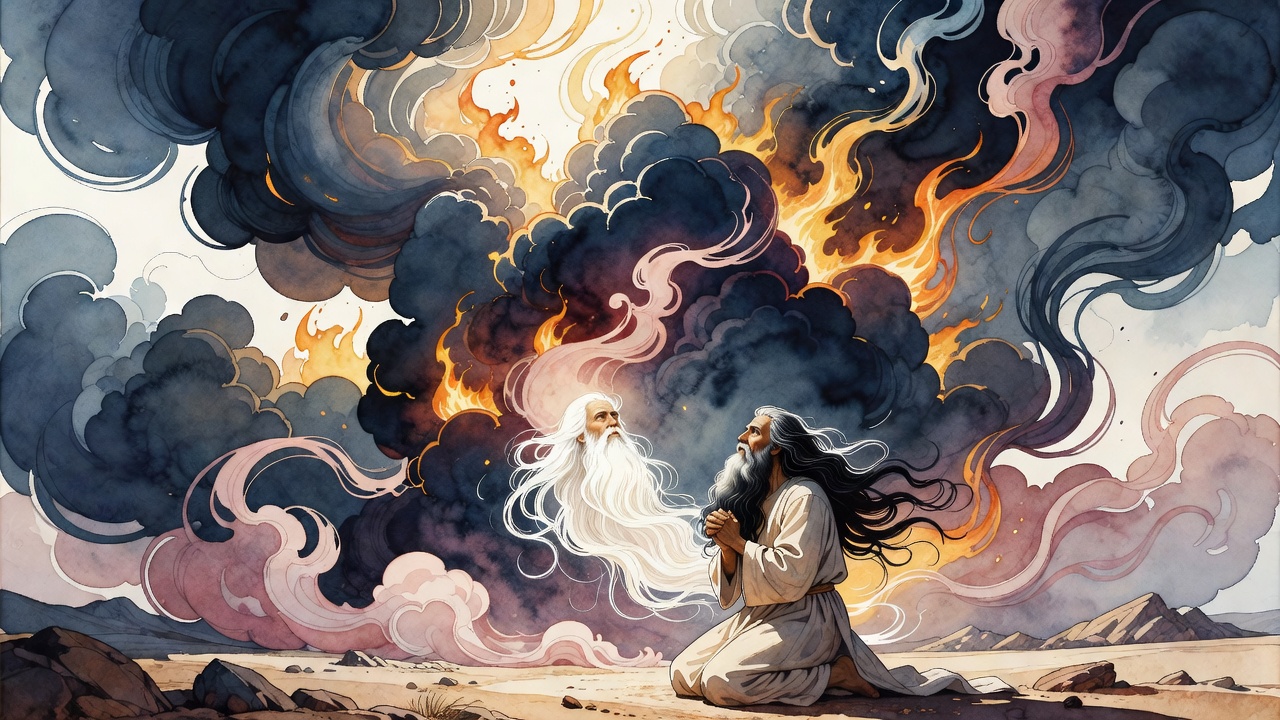
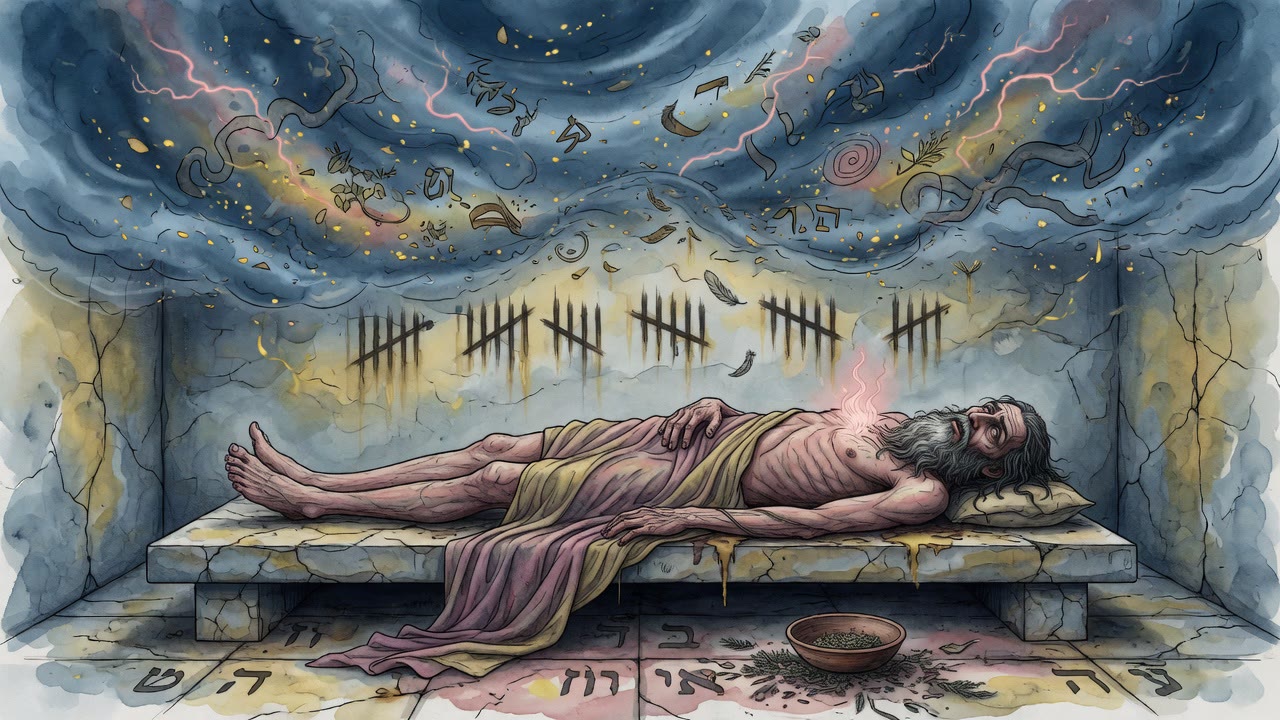
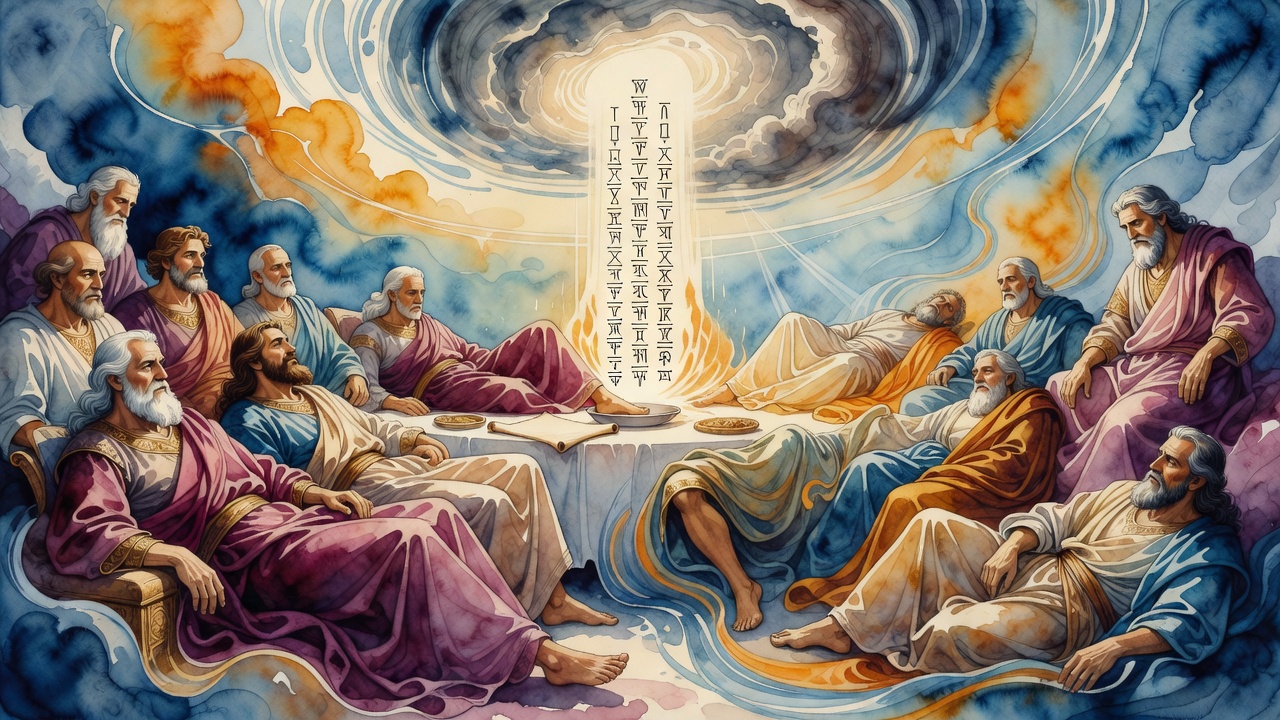
The tents at Beersheba could not hold the crowd, so Abraham spread the feast under open sky, and the great men came. Kings came. They came from cities that locked their gates at dusk and from valleys that had never bowed to anyone, and they reclined on Abraham's cushions and ate Abraham's meat and watched the old man carry a child through the tables as if the boy weighed nothing.
 Click for full size
The child was Isaac, weaned that morning. Sarah had laughed out loud when they first told her she would nurse a son in her old age. Now she stood at the mouth of the tent and watched thirty-one crowned heads eat bread from her boy's celebration.
Why Kings Came to an Old Man's Table
Not one of them had come for the child. They had come for the land.
Among kings there was a saying, the way men in Rome say that whoever has not bought a palace in the capital has built nothing with his whole life. In their world the capital was this narrow strip of hills between the sea and the river, and a king who held no field here, no vineyard in these slopes, told himself he had accomplished nothing at all. So when the richest herdsman in Canaan spread a table, they came to walk the ground he walked, to measure it, to want it.
Abraham fed them anyway. He did not count their crowns. He set the meat down and let them eat, and the boy laughed somewhere among the couches, and the kings ate and looked past him at the horizon they meant to own.
The Bolt That Locked the Land
Isaac grew. Isaac's grandchildren went down into Egypt, and four hundred years turned over on themselves. When the children of that laughing boy finally came back to the river, a man named Joshua stood at the water's edge and looked across at the first wall.
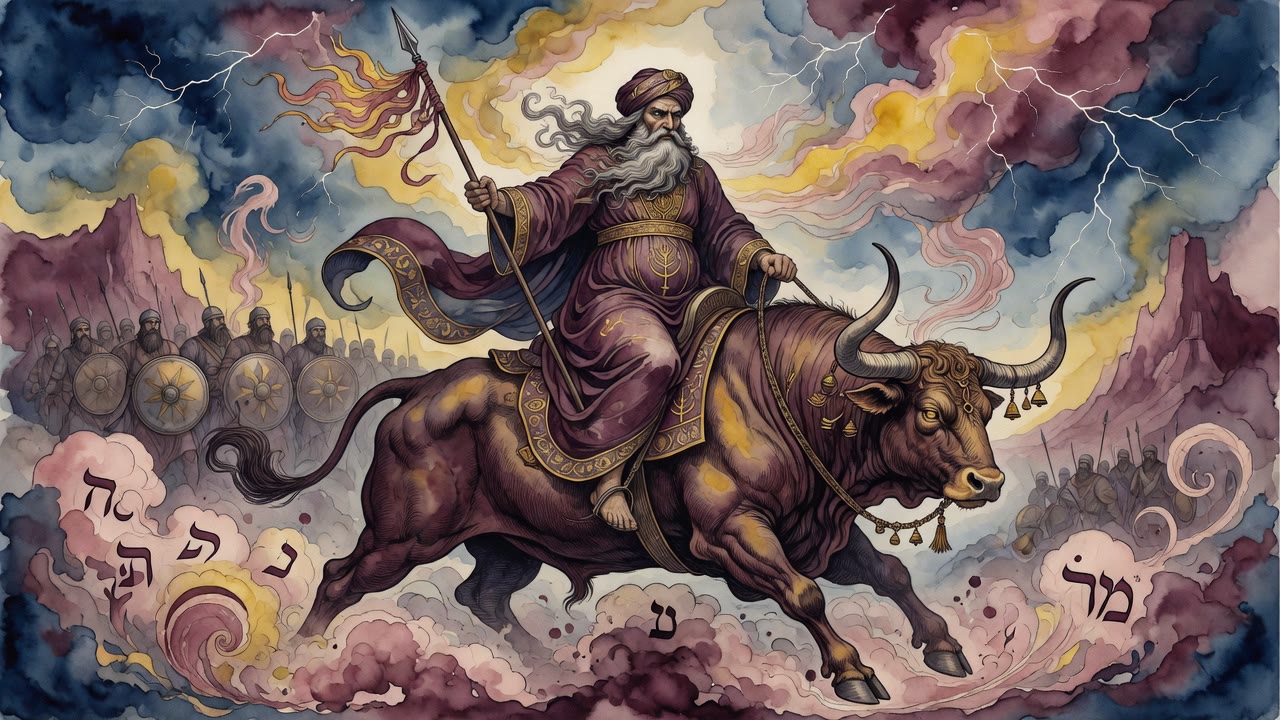
The wall was Jericho. The sages called it the bolt of the land, the iron pin driven through the door of the whole country, and they said what everyone on both banks already knew. Break Jericho and the rest falls open behind it. Every other city was a room. Jericho was the lock. So Joshua crossed the water and went for the lock first, and when it went down the land lay open just as they had said it would.
Jericho's king is set into the record as a single word. "The king of Jericho, one." The sages leaned their whole weight on that lonely word and heard a second man standing inside it, the viceroy at the king's shoulder, so that even the first name on the roll carries two bodies. One crown, and behind it another, both of them fallen at the same wall.
The Same Faces Around a Different Table
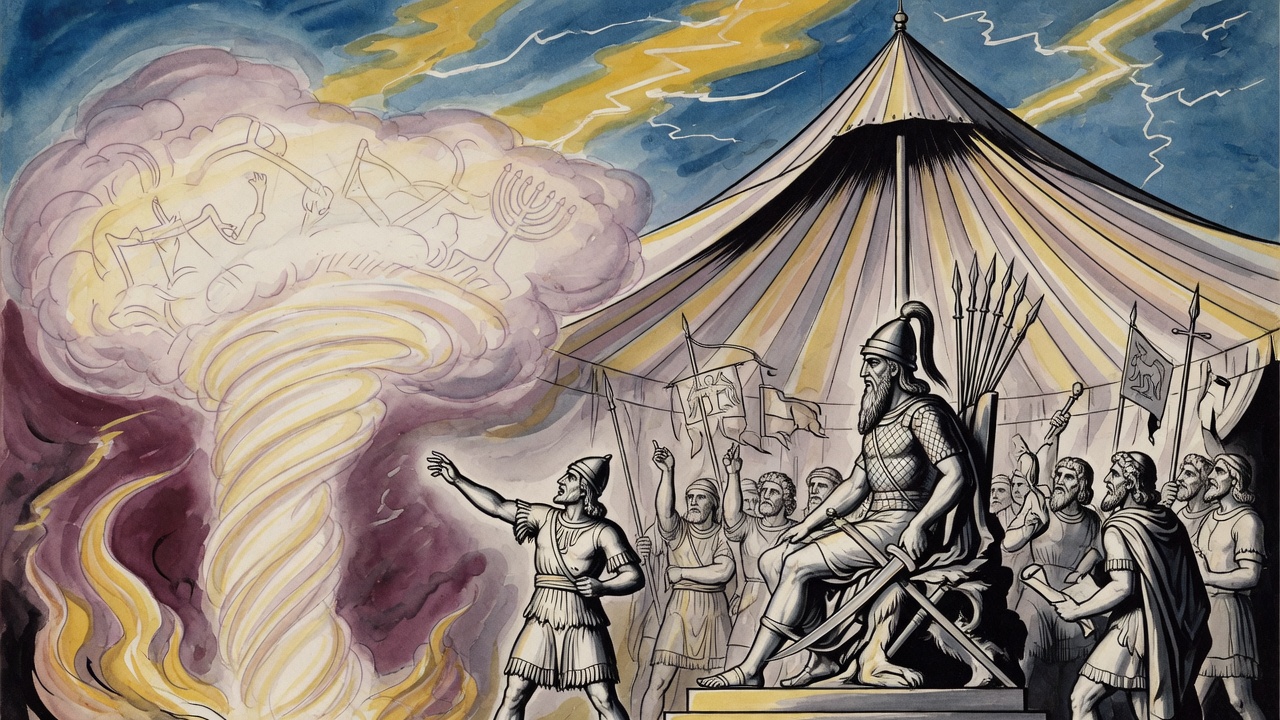
Joshua took them one after another, king after king, city after city, and one by one they fell, until the tally stopped at thirty-one. And here the old story does the thing that raises the hair on the arms. Every one of those thirty-one kings, the sages said, had feasted at Abraham's table. The same men. The crowned guests who had eaten at the weaning of Isaac were the crowned corpses Joshua left cooling across the hills. The hands that once took bread from the father took a sword from the children of his son.
They had come once to measure the land while its owner fed them and asked nothing. They came back as its kings, holding its fields and its gates, and the descendants of the child they had barely noticed pulled it out of their grip, valley by valley, the desirable land that God had called the most beautiful heritage of the nations.
A List Written Like a Song
When the record was finally written down, the scribe did not lay it out like ordinary prose. He built it. The Song of the Sea and the Song of Deborah sit on the scroll like brickwork, a half brick over a whole brick, a whole brick over a half, stones and gaps stacked so the eye climbs a wall of praise. The roll of the thirty-one kings is written the other way, whole brick squared over whole brick, name over name, the word "one" standing over the word "one," a rigid column with no gaps in it, the way the ten sons of Haman stand stacked in the scroll of Esther.
And like the ten sons of Haman, the sages ruled, the whole roll must be read in a single breath. One breath for thirty-one kings. The chanter fills his lungs and does not stop, name after name after name, until the last king falls out of him and the column ends. A man once stood before a shop and argued in the name of Rav that a scribe who wrote this list any other way had made the scroll invalid. The shape was not decoration. The shape was the victory.
So the list is a song after all, though it carries no melody. It is a table of names read out in one breath, each king squared over the next like guests seated in rows. The column runs down to its final king, and past that final king the road runs back over the river, back over the broken wall at Jericho, back to a feast under open sky, where an old man carries a laughing child through the tables and sets meat before thirty-one kings who came to take his land, never once guessing that the boy in his arms had already won it.
← All myths