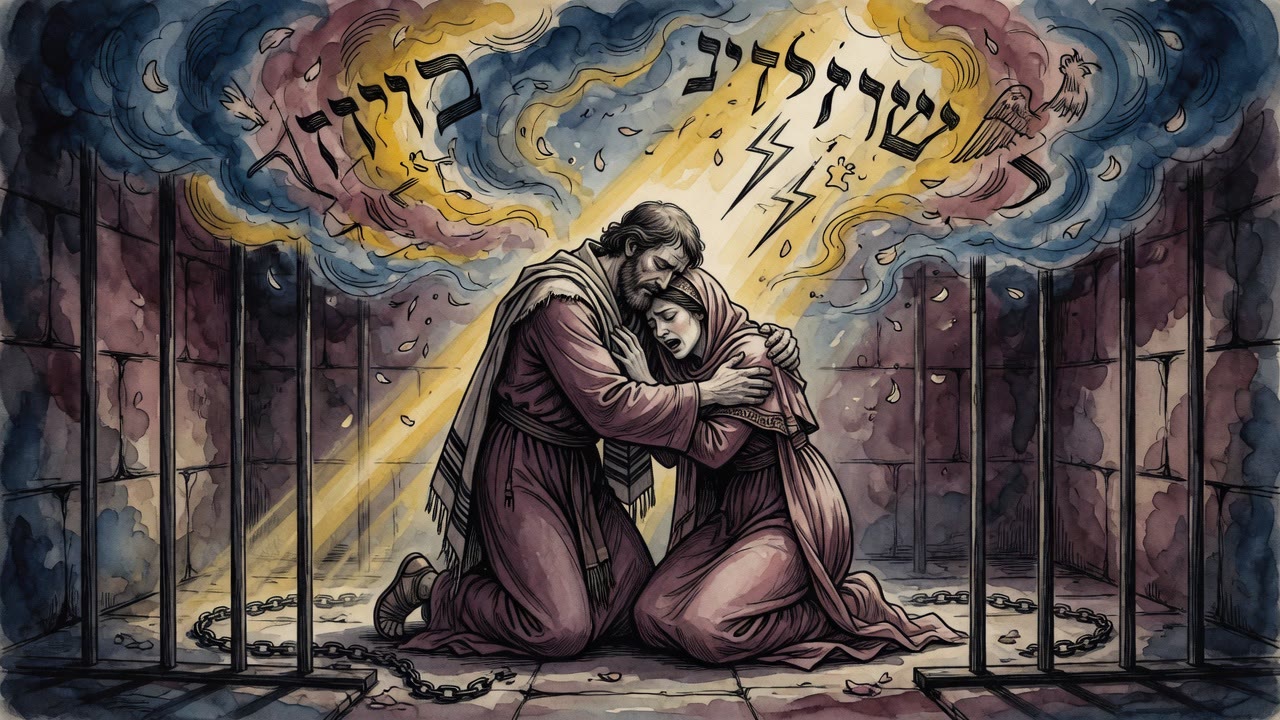
They Asked Each Martyr Why He Was Being Led Out to Die
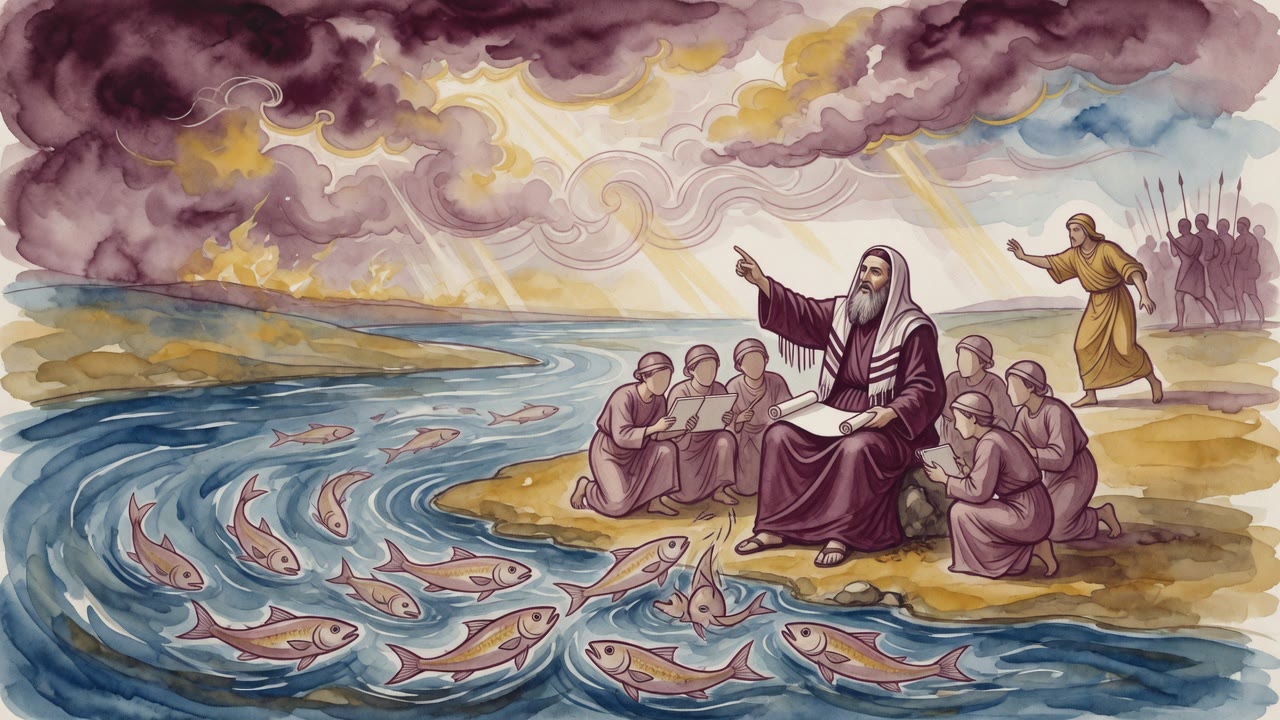
Because I circumcised my son, the first one said. The next was going to the fire for reading Torah aloud. A third had eaten matzah.
Table of Contents
 Click for full size
On the Road Out of the City
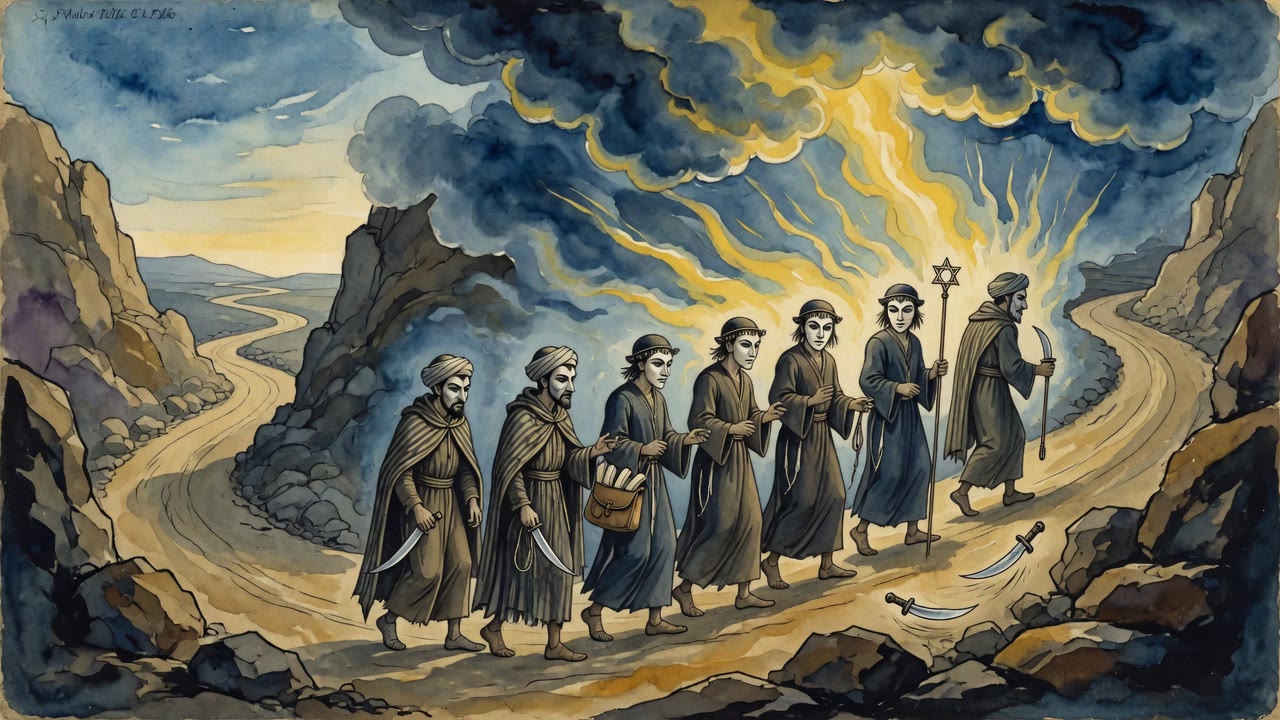
Somebody along the route asked him. That is the strange, ordinary detail: the crowd was close enough to talk to the condemned, and somebody wanted to know what he had done.
"Why are you being led out to be killed?"
"Because I circumcised my son."
Behind him another man was going to the fire. "And you? Why are you being burned?"
"Because I read aloud in the Torah."
A third was headed for the beam. "Why are you being impaled?"
"Because I ate matzah."
The fourth was not going to die. He was going to take a hundred strokes, which some men survive. "And you? What is the hundred lashes for?"
"Because I took up the lulav."
A knife on the eighth day. A scroll opened in front of a room. Flatbread. A palm branch, a citron, a myrtle, a willow, held up and shaken in the air. That is the whole charge sheet, and every item on it is something a child could carry across a courtyard.
Rabbi Natan Would Not Let the Verse Stay Soft
The Torah promises kindness to thousands, to those who love God and keep His commandments, and there was a comfortable way to read that line. Those who love Me means Abraham and men of his stature. Those who keep My commandments means the prophets and the elders. Great souls, safely dead, safely quotable.
Rabbi Natan refused it.
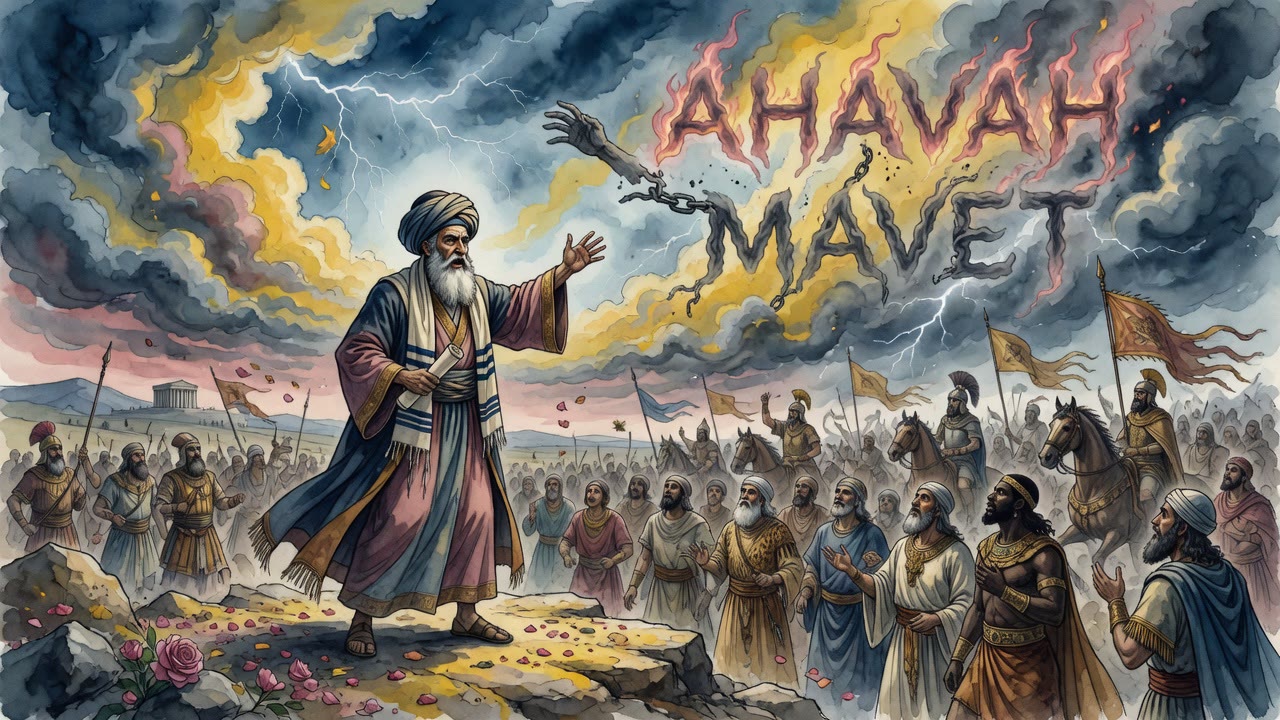
Those who love Me, he said, are the Jews sitting in the Land of Israel right now who give up their lives for the mitzvot (commandments), every last one of them. Not the patriarchs. The man on the road this morning with his hands tied. Rabbi Natan took a verse that had been floating somewhere above history and nailed it to a specific week in a specific province where performing a commandment had been made a capital act, and the people kept performing them.
The martyrs in that sentence had names their neighbors knew and doorways their neighbors walked past. Empires do not spend executioners on metaphors. A regime that makes circumcision a killing offense has understood exactly what circumcision is doing, and so has the father who does it anyway.
Wounds Received in the House of My Lovers
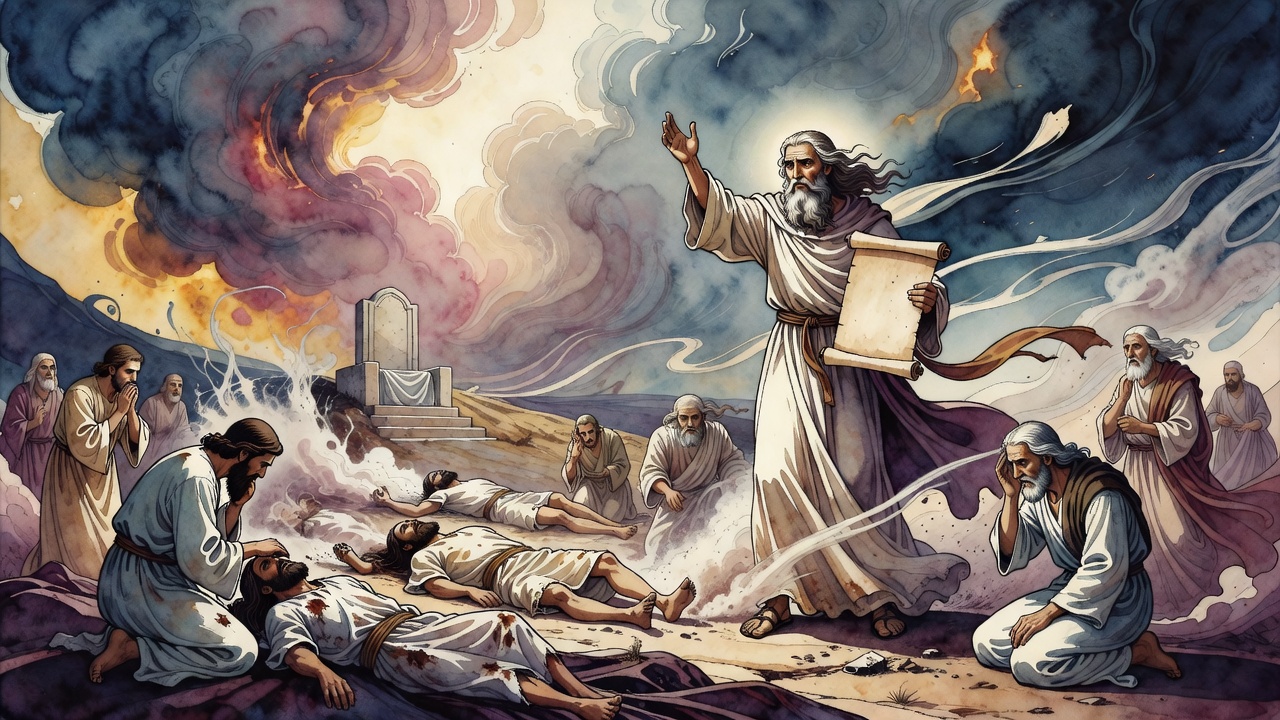
Rabbi Natan closed the teaching with a line out of Zechariah about a man asked where he got the wounds between his arms, and the answer he gives: these are the wounds I was struck with in the house of my lovers.
In the martyr's mouth it stops being a complaint.
These blows, he says, are what made me love my Father in heaven. Not the price of the love. The thing that produced it. A man walking to the fire for having read out loud from a scroll is holding the scars up as evidence of where he belongs, the way another man might hold up a deed.
The mother who hid a circumcision knife under folded cloth understood the arithmetic before any commentator did. The object is small in the hand and total in the risk, and she picked it up anyway.
Somewhere to Run on the Day of Trouble
Israel had learned the vocabulary for this at the water's edge, singing that the LORD was their strength while the wreckage of an army washed up behind them.
Strength there does not mean an idea. It means force you can lean your weight on when the last solid thing you had has given way. Jeremiah spells it out: my strength, my stronghold, my refuge in the day of trouble. A stronghold is a building. It has walls and a door and you get inside it. The psalm adds the part the body does, my strength and my shield, and in Him my heart trusted.
Men and women walking out to a beam in the Land of Israel were using words worked out on a beach generations earlier by people who had also already seen the decree and had nowhere else to go. Trust of that kind is not a mood. It is a decision about which wall is still standing.
The Honor He Will Not Leave to Others
The sages held one more thing about all this, and it is sharper than comfort.
The Holy One is stricter about a righteous person's honor than about His own. Look at what He said to Abraham: I will bless the one who blesses you, and the one who curses you I will curse. Both halves in His own hand, the blessing and the cursing. Then look at what He said about Himself: those who honor Me, I will honor, and that He does personally. Those who despise Me shall be lightly esteemed, and that He leaves to other agents.
Men died for a palm branch and a piece of flatbread and a knife used on an eighth day. His own slight He is willing to outsource. The wrong done to a righteous man He handles Himself.
Which means the lash for the palm branch is not filed somewhere in the lower registers of heaven as an administrative cruelty. It goes to the top. The man asked why he was being led out and gave a one-line answer about his son's eighth day, and the answer entered a record where God does not delegate.
← All myths