Moab Feared Israel Would Claim Their Fields
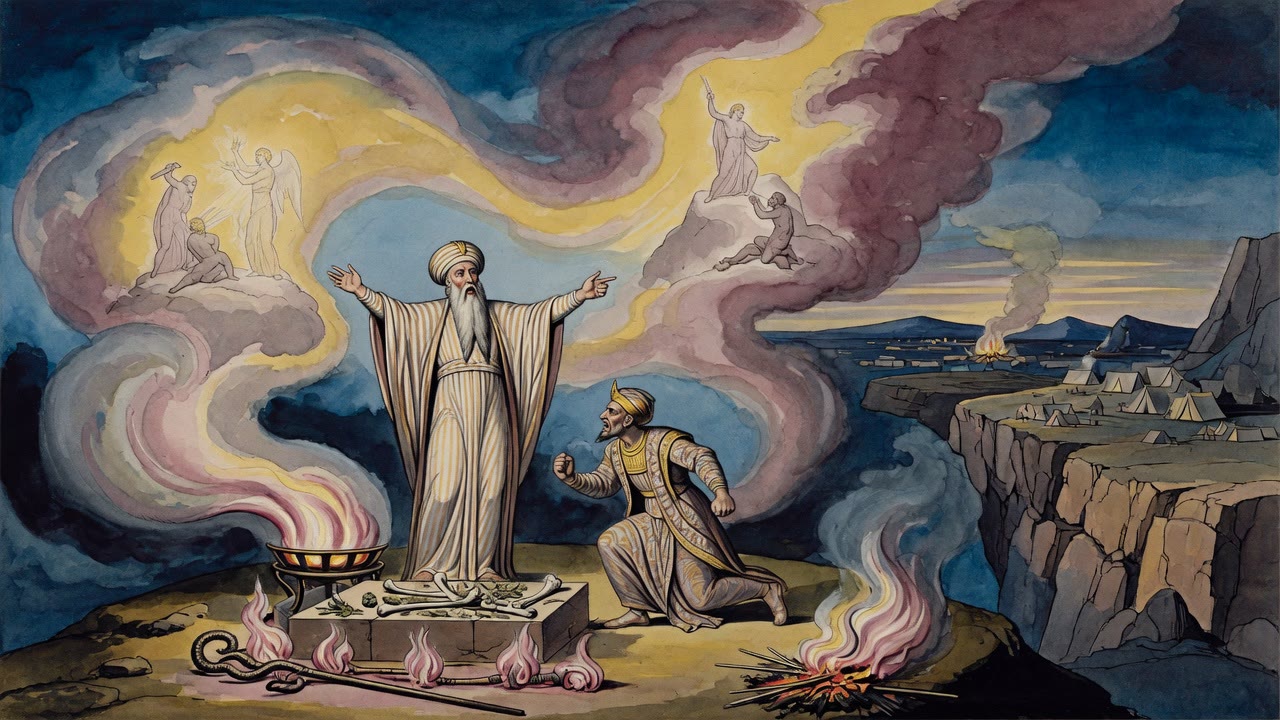
The black stone sat in the temple like a woman. It had not stopped Sihon. Moab's kings watched Israel camp and counted the fields.
Table of Contents
The black stone sat in Moab's temple like a woman. Chemosh had not stopped Sihon's spears. Now the kings of Moab watched Israel camp near enough to smell, and they counted their fields the way debtors count remaining days.
 Click for full size
They felt like strangers in their own land. Egypt had rented its own houses from Israelites who arrived as guests and stayed as power. Moab's palaces watched the same pattern taking shape on the border and tasted dust.
Strangers in Their Own Fields
Israel's attitude toward Moab was hostile without always being openly warlike. That half-open knife frightened Moab more than a clean declaration. Kings who do not know whether the next sunrise brings envoys or spears sleep like debtors.
They told themselves Israel would ignore the command not to wage war against Lot's descendants. The proof, in their eyes, was already on the map. Israel had taken the kingdoms of Sihon and Og, lands that had once belonged to Ammon and Moab. Heshbon, Sihon's capital, had been Moabite before Amorite conquest turned it into a wound.
Fear makes theology out of neighbors' victories. If Israel could swallow Sihon, why would it spare Moab out of courtesy to Lot? In the markets, men spoke softly about rent and exile. In the palaces, the speech was harder. Better to hire a curse than to wait for a border to move by itself.
Balaam Cursed Moab First
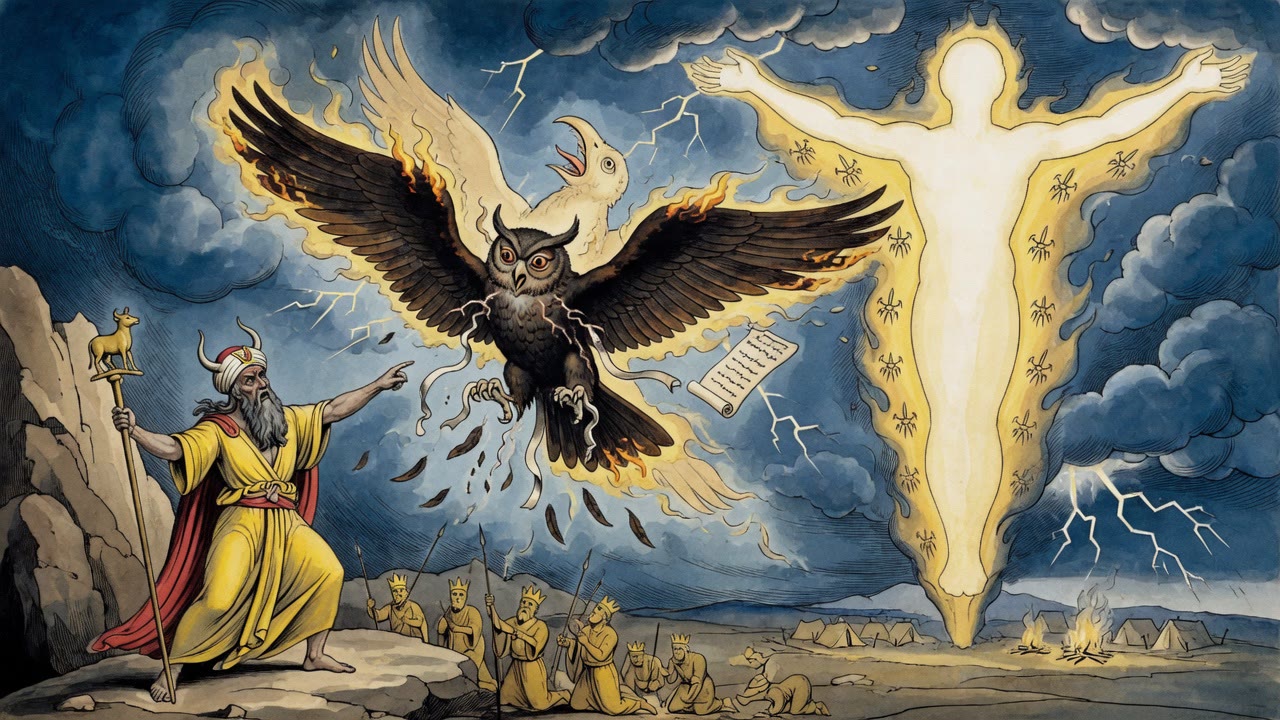
Before Israel arrived, the Amorites had already hired Balaam and his father Beor to curse Moab. The hire worked. Moab fell miserably in war against Sihon. "Woe to thee, Moab! Thou art undone, O people of Chemosh!" Those words, and others like them, were the speech Balaam and Beor poured over a people who trusted a black stone shaped like a woman.
Chemosh sat in Moab's imagination as deliverer and judge. The stone did not stop Amorite spears. It did not stop the later dread when Israel camped near enough to smell. A god light enough to carry can also be carried off in defeat.
Now the same Balaam-shaped economy of curses turned toward a new customer. Moab's fear of Israel grew from a history in which words had already redrawn their map once. They had learned that a hired mouth can empty a city. They had not learned that the same mouth can fail when the target is under another protection.
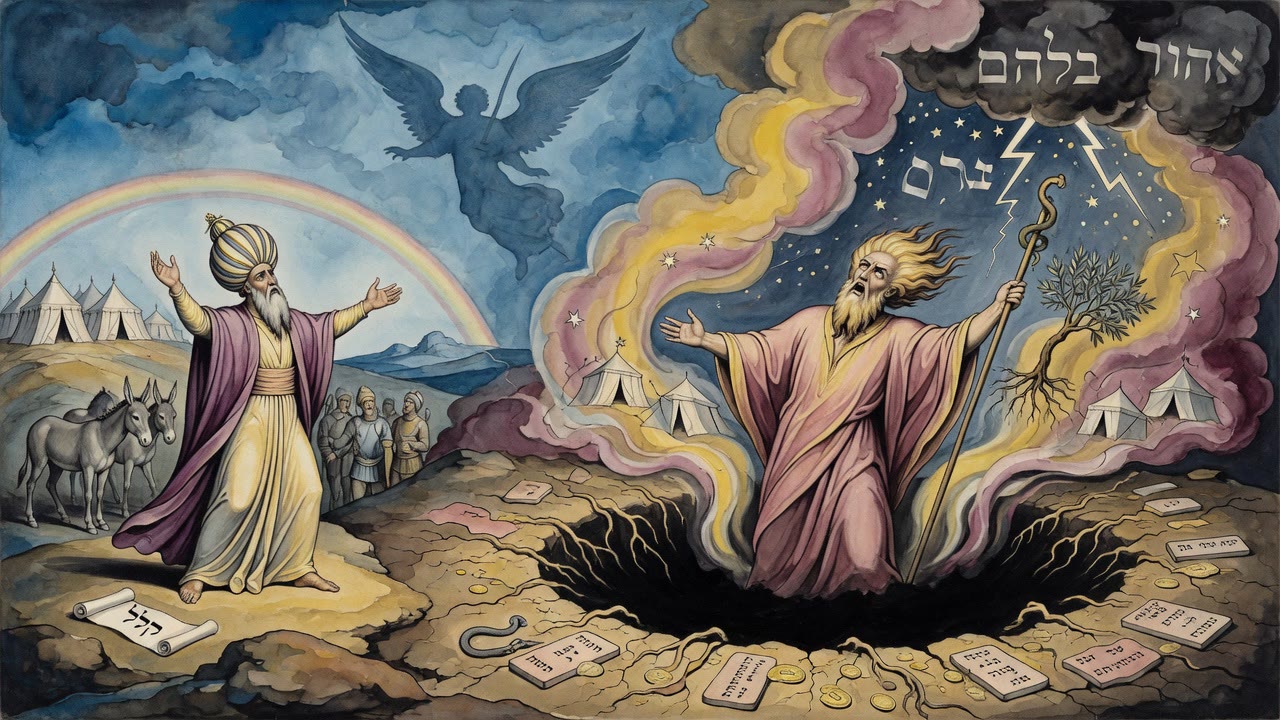
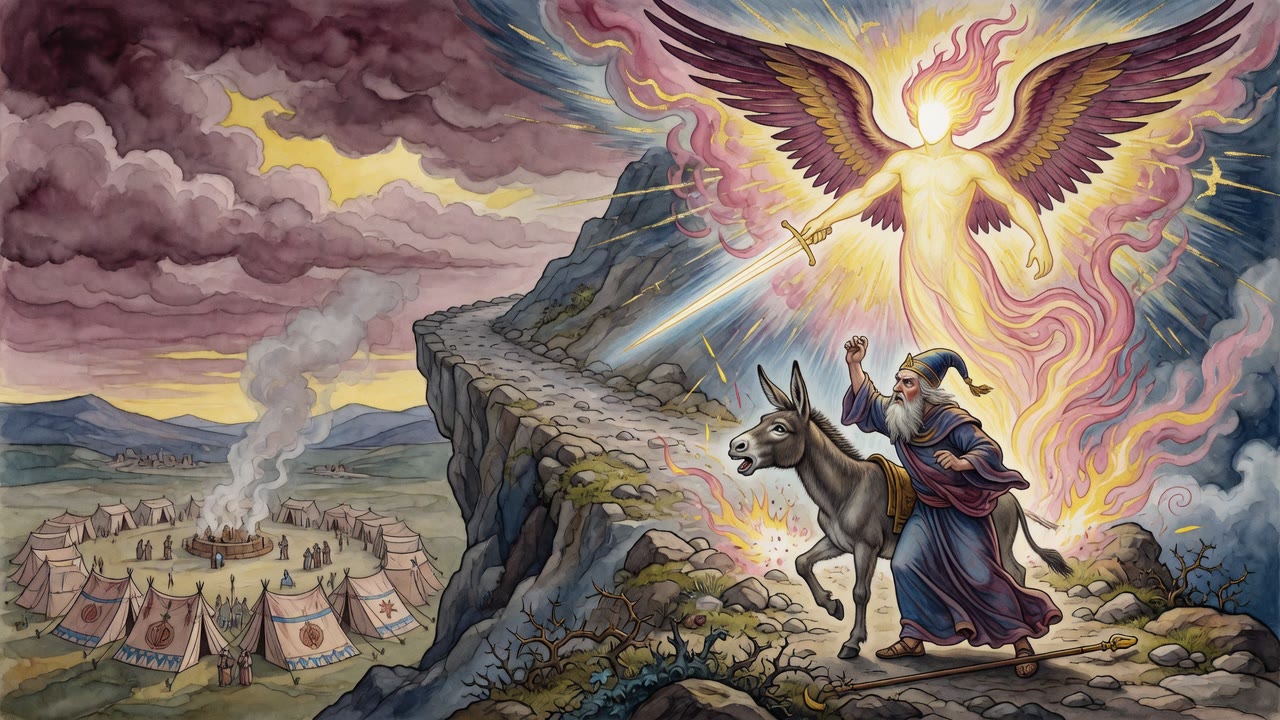
Balak sent for the man who had already undone them. Better the known curse-worker than a silent wait.
The Song Moses Would Not Sing
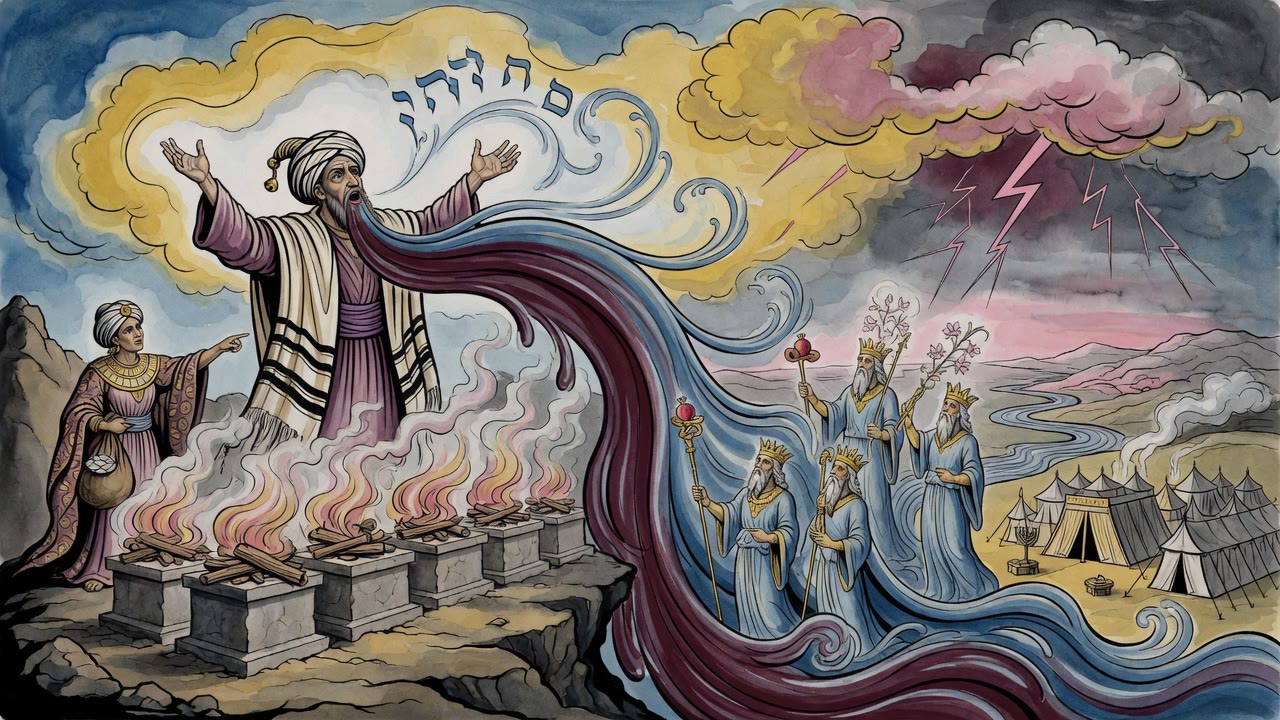
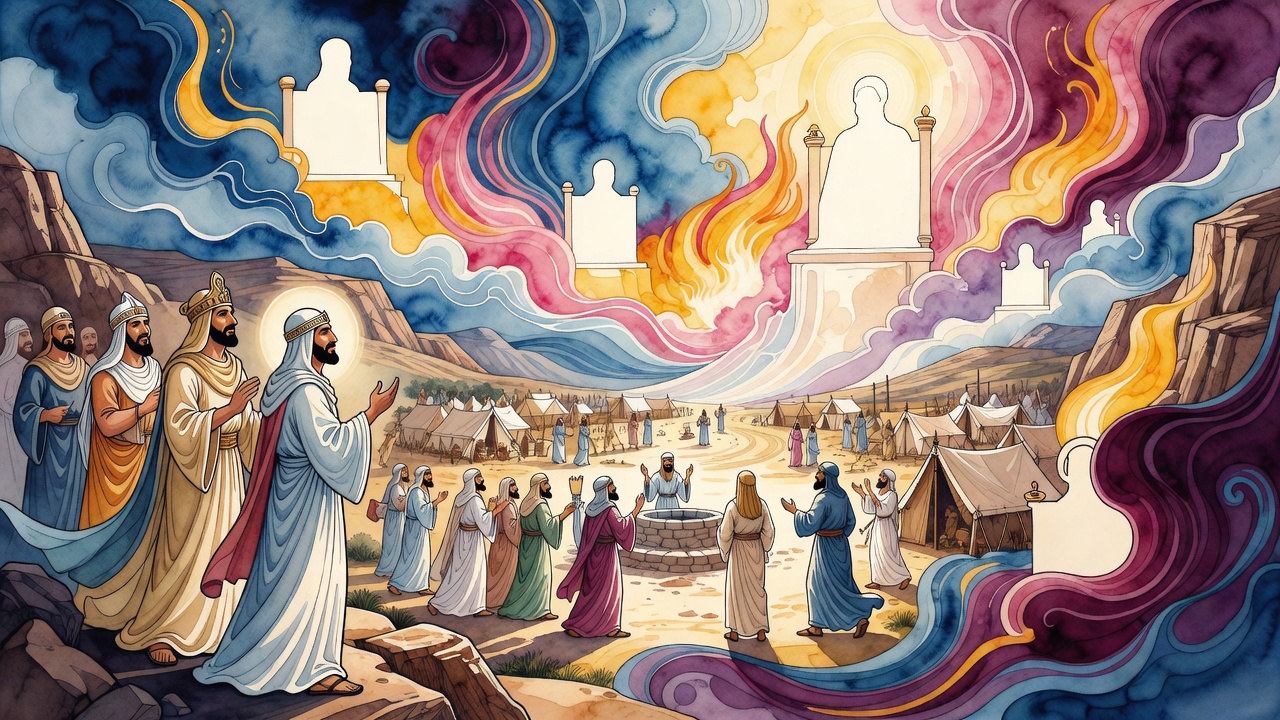
At the Red Sea, when Israel was young, Moses sang first and the people repeated. At Arnon, after forty years, the nation was grown enough to open its own throat. "O Lord of the world," they sang, "it behooves Thee to work miracles for us, and it is our duty to intone songs of praise."
Moses had no part in the song of praise to the well. The well had given occasion to his death in the desert, and no man sings about his executioner. Because Moses would not join, God refused to let the divine name enter that song either, like a king who declines a feast when his friend is shut out.
The song that remained named the well the patriarchs dug, the princes searched, and Moses and Aaron made run with their staves. It followed Israel over mountains and valleys as a gift, until the boundary of Moab.
The Well Vanished at the Line
There the well disappeared, because Israel did not observe the words of the Torah. A miracle can walk beside a people and still leave when the people stop walking straight.
Moab feared a nation that had already drunk from a well that moved. Israel stood at Moab's edge having just learned how quickly a gift can vanish when Torah thins. One side trembled at conquest. The other side trembled at thirst returning. Both tremors shared the same stretch of border.
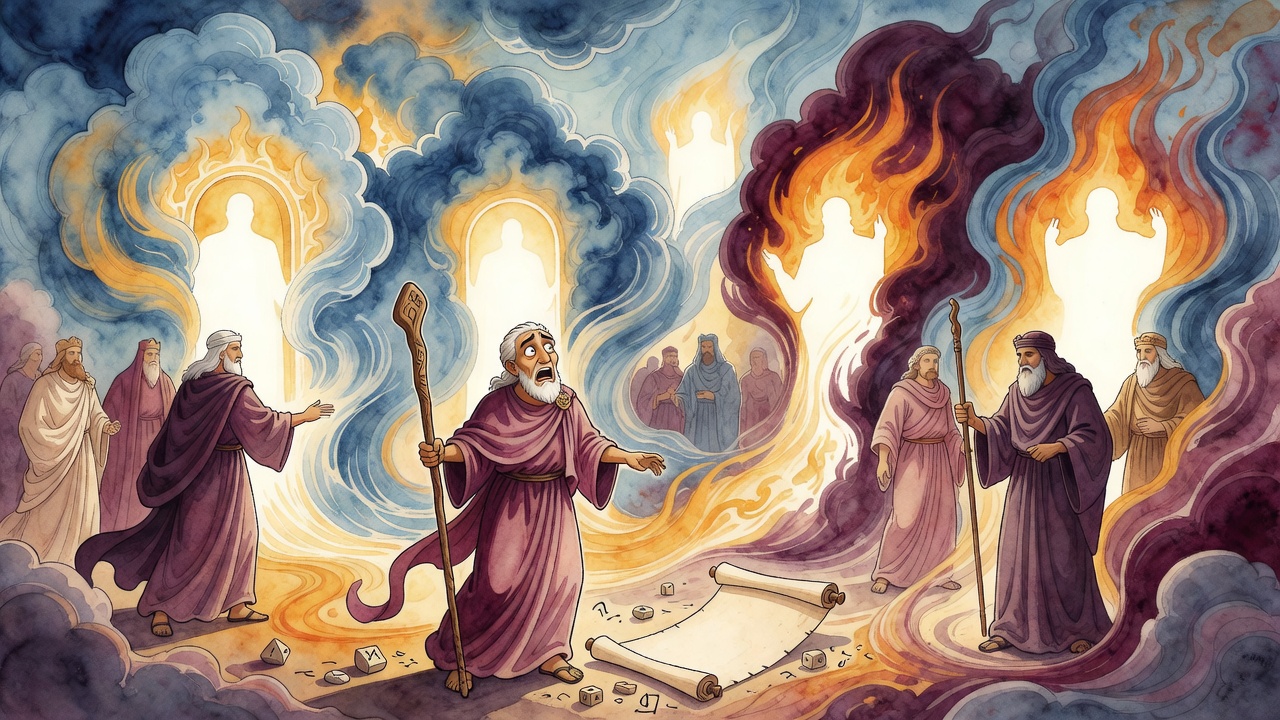
The kings of Moab saw Egypt in their nightmares. Moses heard a song he could not enter without blessing the instrument of his own sentence. Balaam's old woe still echoed over Chemosh's people. The map between Heshbon and Arnon was a ledger of curses, confiscations, and music that left a prophet silent.
Night along that border smelled of river mud and camp smoke. Moab counted spears. Israel counted whether the well would still be there at dawn. The field between them was not empty. It was crowded with old words that had already killed and saved in the same hard generation.
Chemosh sat in the dark, a stone woman who had not held Heshbon. Across the line, Israel's well was gone. Balak's messengers were already on the road toward Balaam's house, carrying silver and a request the last customer had already proved could redraw a map.
← All myths