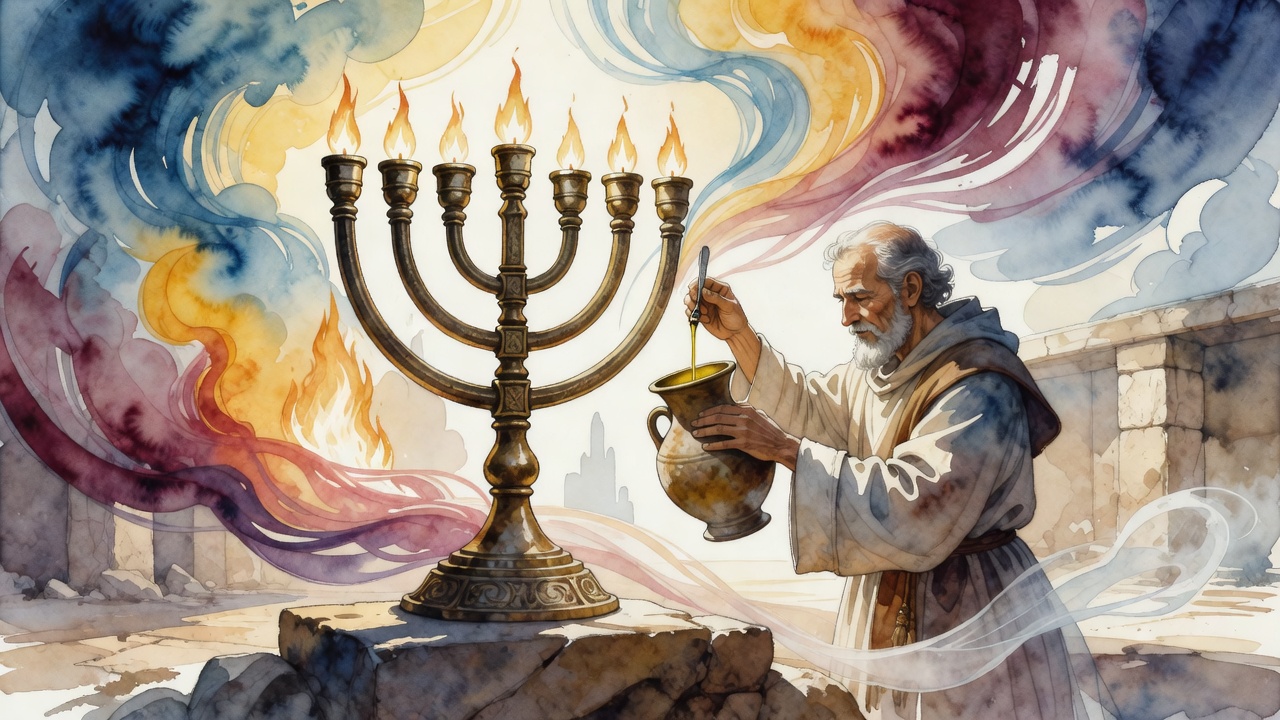
Moses Flinched at Israel's No Beneath Sinai
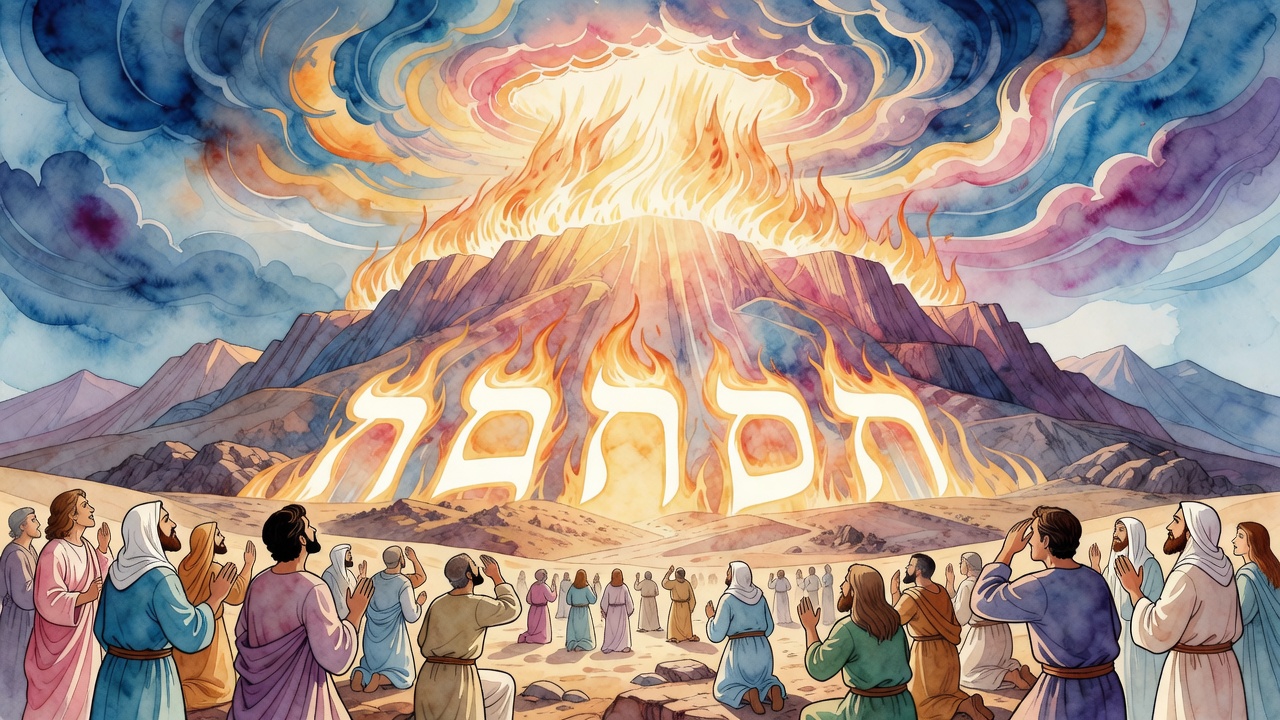
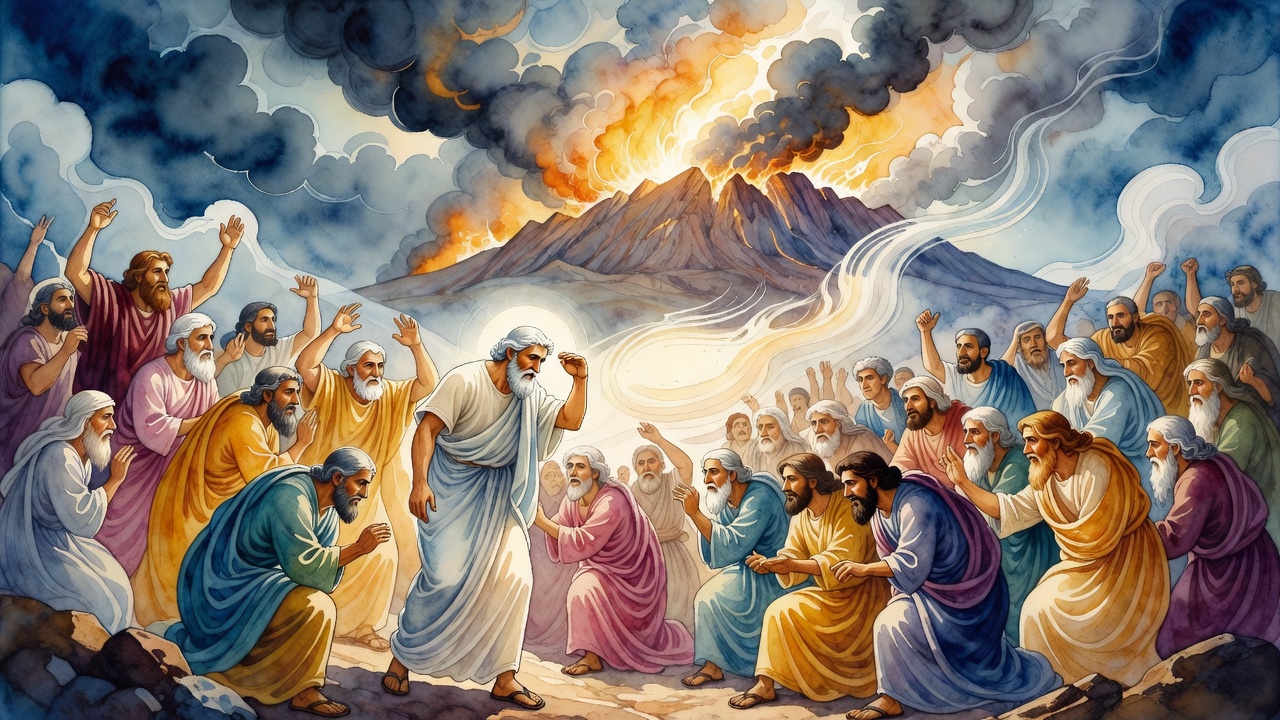
At the foot of the smoking mountain Israel balked. Moses feared to carry their refusal upward, and the King reminded him how rule is earned.
Table of Contents
 Click for full size
The Answer That Would Not Rise
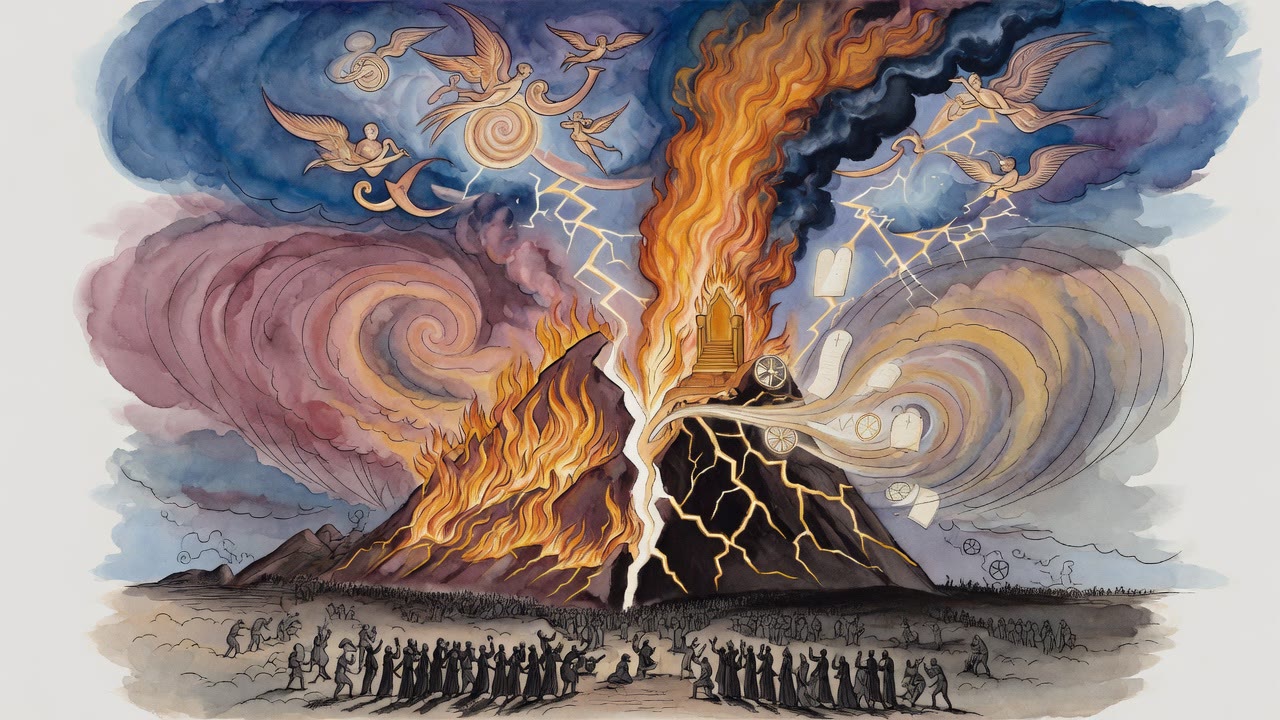
Moses stood with the people's words cold in his mouth. Below him the camp still shook from the sound that had come down the mountain. Above him the cloud waited. He had gone to steady them, and he had done that work. He had spoken until their trembling quieted. Then they answered, and the answer was not the one he wanted to lift.
"We do not want this," some voices had said, raw and honest in the dust. Others said yes with a hunger that sounded like fear. The messenger of God was left holding both melodies at once. Scripture would later say he "brought back" their words. In that hour he did not feel like a bringer. He felt like a man who had once seen his hand turn white as snow and did not want to climb again with a no in his fist.
The Rope That Looks Like a Snake
Memory bit him. At the bush he had stalled, and the sign had found his flesh. People say a man bitten by a snake flinches at a coil of rope. Moses looked at the mountain path and saw rope. If he carried refusal upward, would the Holy One send him down again? Would the people believe a second embassy? The fear was not theology. It was a body that had already paid once for hesitation.
No fear hides from Heaven. The voice met him before he shaped a petition. "I know what you wish to say," God told him, "so that the people may hear when I speak with you." The secret in Moses' chest was already public upstairs. He bowed his heart open and answered, Master of the worlds, You search hearts and kidneys and know all hidden things. You already knew what lay in Your servant. Only then, unguarded, did he tell the words of the people to the Lord.
A Stranger Demands a Crown
Why had the Ten Words not opened the whole scroll from its first letter? The sages tell a parable that belongs on the same mountain. A man enters a province and announces, "I will rule over you." The people ask a hard market question. "What have you done for us that you should rule?" The man has no answer. He is a stranger making demands.
So he changes his approach. He builds the city wall. He brings water. He wages war on their behalf. Only after rescue does he say again, "I will rule over you." This time the people answer, "Yes. Yes." Authority is not claimed by volume. It is earned by care that can be pointed to with a finger.
Egypt First, Then the Voice
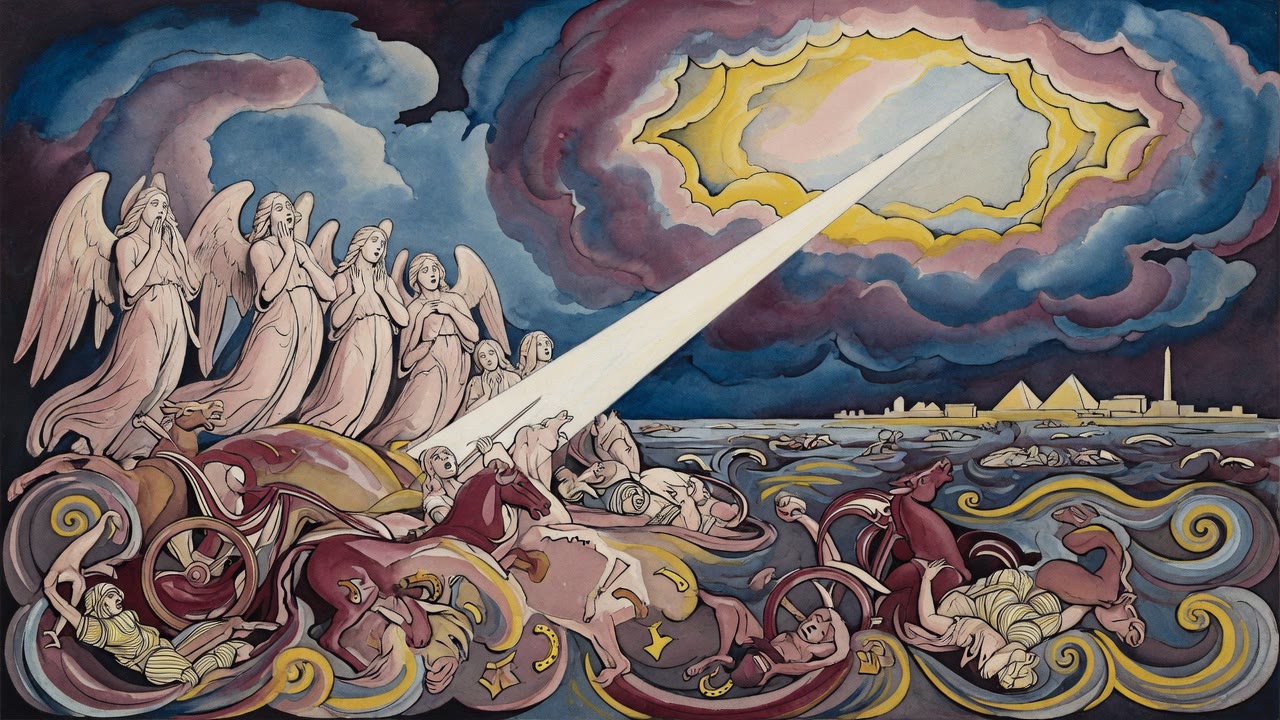
That is what God did with Israel. He did not begin by issuing commandments to a nation that had no reason to listen. First He brought them out of Egypt. He split the sea. He fed them manna. He broke the pursuit of chariots. Only then, at Sinai, did the opening line arrive: "I am the Lord your God, who brought you out of the land of Egypt" (Exodus 20:2). The law stands on a rescue already lived in the body.
Moses' fear and the parable answer each other. The people may balk because the mountain is fire. The messenger may flinch because memory stings. The King still speaks only after the wall has been built and the water carried. The "I am" is not a cold claim. It is a receipt for blood on doorposts and dry land between walls of water.
What Moses Finally Carried
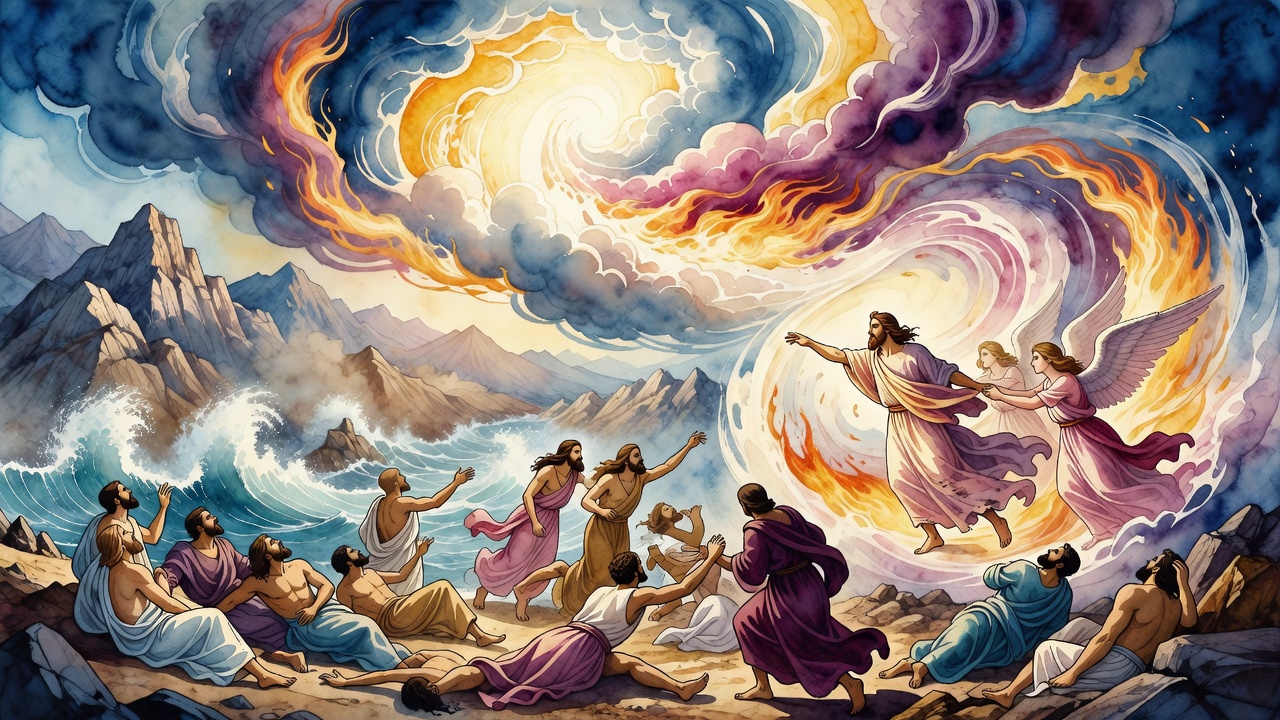
When Moses went up the second time in that exchange, he did not climb as a man smuggling a secret. He climbed as a witness who had been seen through. The people had spoken their mix of yes and no. Heaven had already read the mix. The messenger's job was no longer to polish the report. It was to deliver it and stand still while the King answered in the hearing of the camp.
The mountain did not become gentle. The camp did not become fearless. What changed was the path of the words. They no longer stuck in a human throat. They rose, and the King who had already earned the right to rule prepared to speak law after liberation. Moses' white hand of memory stayed a warning. The rope stayed a rope. He climbed anyway, because the hidden wish had been named and the people still needed a voice that would not lie about what they had said.
Below, someone in the camp still tasted dust and wonder in the same breath. Above, the cloud did not thin for comfort. Between them walked a messenger who had learned that Heaven already knew the no and still wanted it spoken aloud. The Ten Words would come only after Egypt, sea, manna, and war had written the king's resume on Israel's skin. Fear had a place. It did not get the last climb.
← All myths