Moses Waited Outside Until God Called His Name
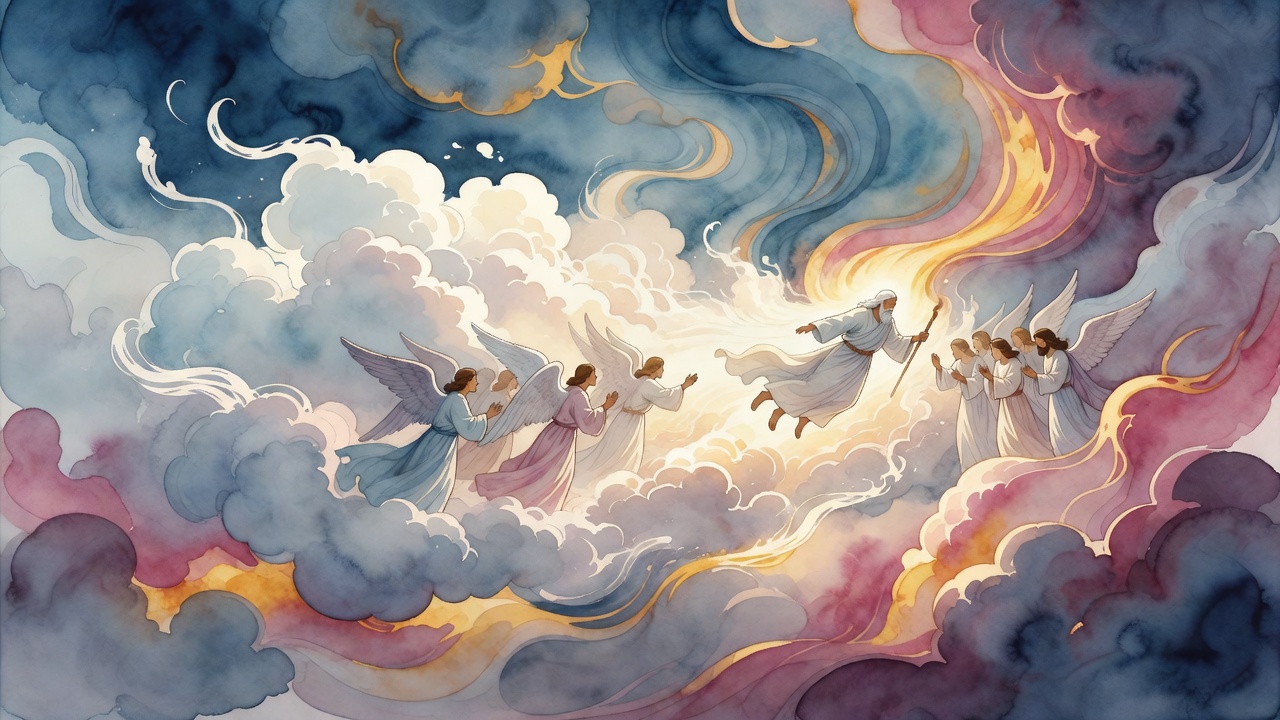
After Sinai Moses stood outside the finished Tent, afraid of the cloud, until the Holy One called him alone by name.
Table of Contents
 Click for full size
The Voice That Broke Cedars
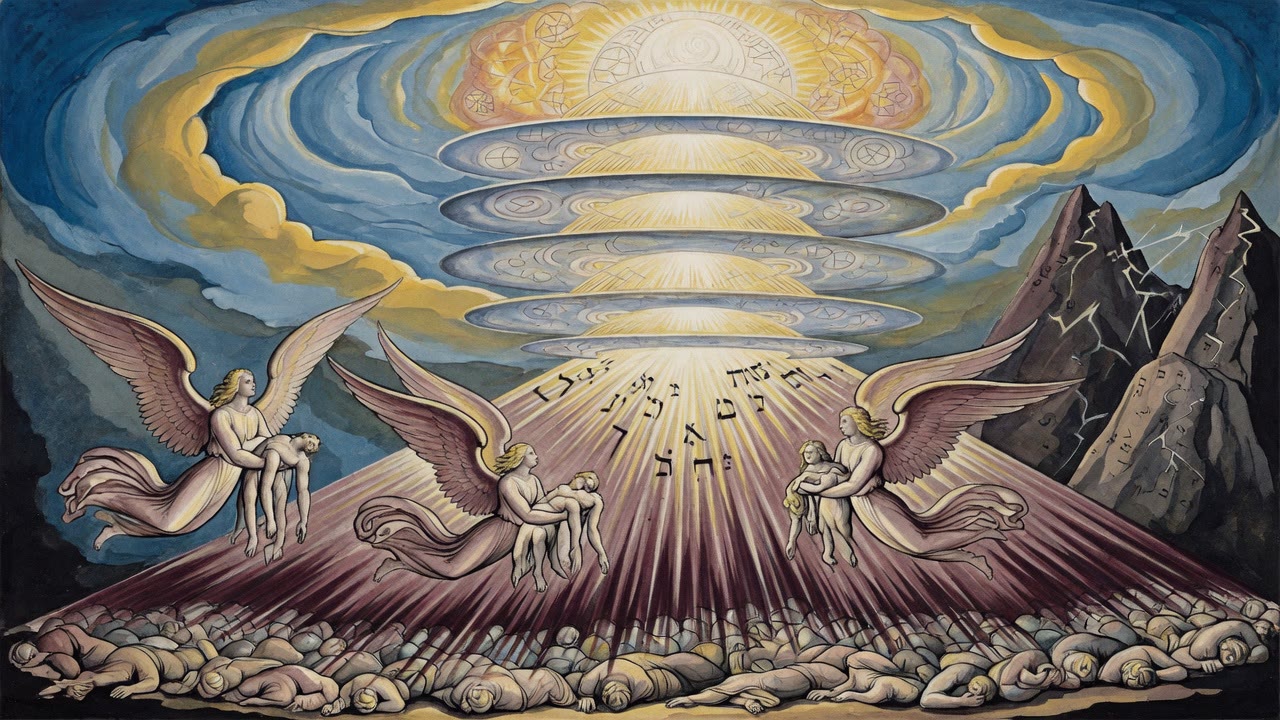
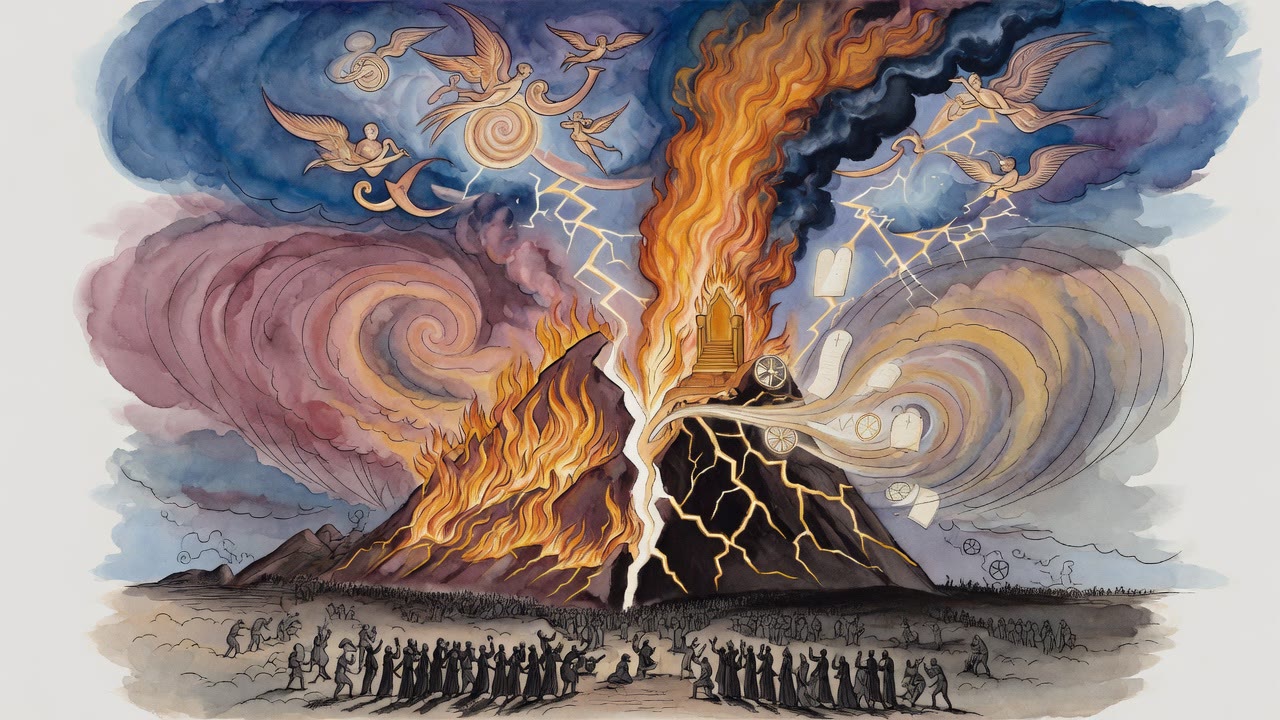
At Sinai the mountain shook and the people cried that one more word would kill them. The Voice that broke cedars filled their bones with dread. Moses alone stood unharmed. Rabbi Tanchum ben Chanilai heard a psalm in that scene: mighty in strength are those who carry out His word. The ministering angels seethed and shuddered under the same Voice. Flesh and blood that kept the command outlasted them. Strength here was not muscle. It was the capacity to hear Heaven and still live.
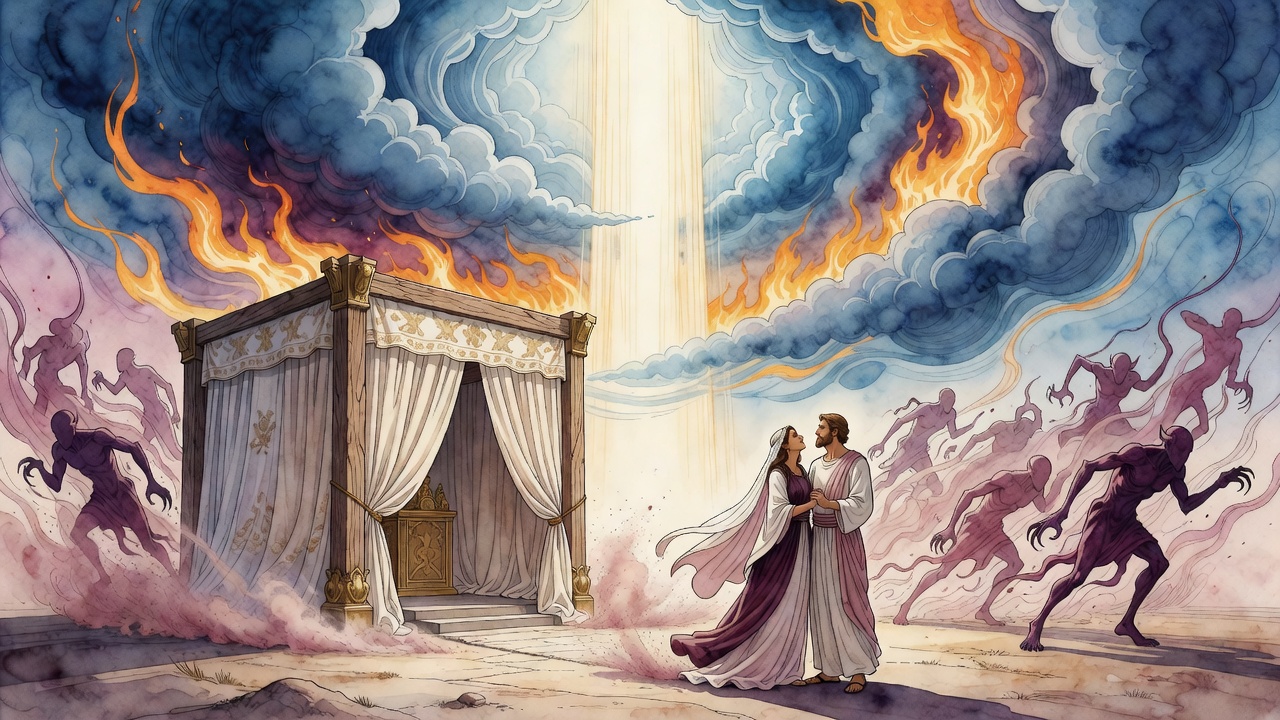
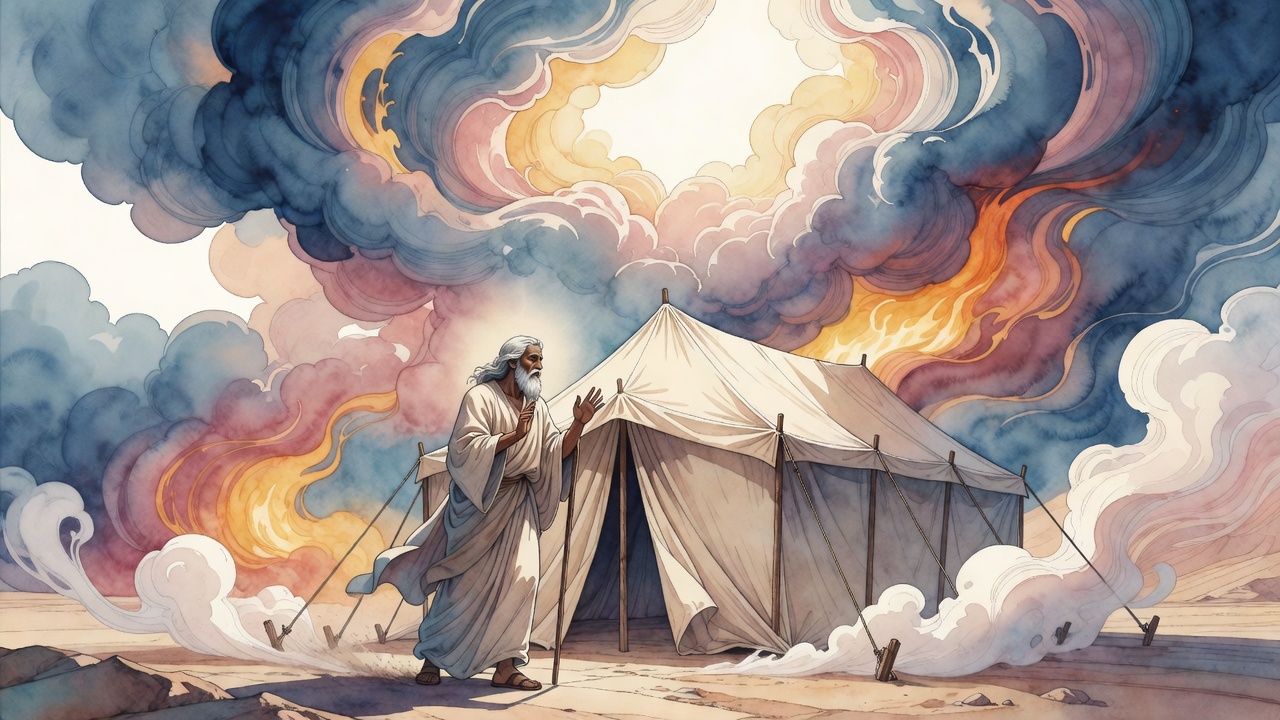
When the Voice later thundered the order to make a Tabernacle, Moses hurried. Boards. Curtains. Gold. Labor that filled months. Then the cloud of Presence came down, and the man who had built the dwelling stopped at the flap of the tent. He would not push inside. The Holy One had a question of His own. Shall the builder stand outside while I stand within?
Israel still remembered the day their ears begged for silence. Moses still remembered the day his ears did not break. Between those memories he stood with dust on his sandals and the smell of new wood in his nose, refusing to treat a finished sanctuary as a private right.
The Seat He Would Not Seize
Scripture does not let him barge through. First there is a call, then there is speech. Why announce the call before the speaking? Proverbs had already drawn the map: better to be told to come up higher than to be put lower before a prince your eyes have seen (Proverbs 25:7). Rabbi Tanhum put it in plain counsel. Hold yourself back two or three places below your due. Let the host invite you. Never seize the high seat on your own, lest the room hear, "Go down."
Gold and pearls fill a table and still leave a man empty. Lips of knowledge are the precious vessel. Moses, the most humble of men, stood at the Tent of Meeting and waited for his name. Greatness does not climb first. It waits until Heaven says the word that opens the flap.
He could have claimed the mountain as proof. He could have pointed to tablets, to plagues, to a sea that stood like walls. He pointed at nothing. He held his place below until the summons made ascent obedience instead of grab.
Love That Left the Upper Worlds
The call came from inside the Tent of Meeting. The Holy One left the upper worlds and chose skins and boards below. Not from need. From love of Israel. Solomon later stood amazed at the same wonder: will God in truth dwell upon the earth, when the heavens and the highest heavens cannot contain Him? A potter does not usually pine for clay. The Fashioner of all things yearned for a people, and the yearning took the shape of a tent.
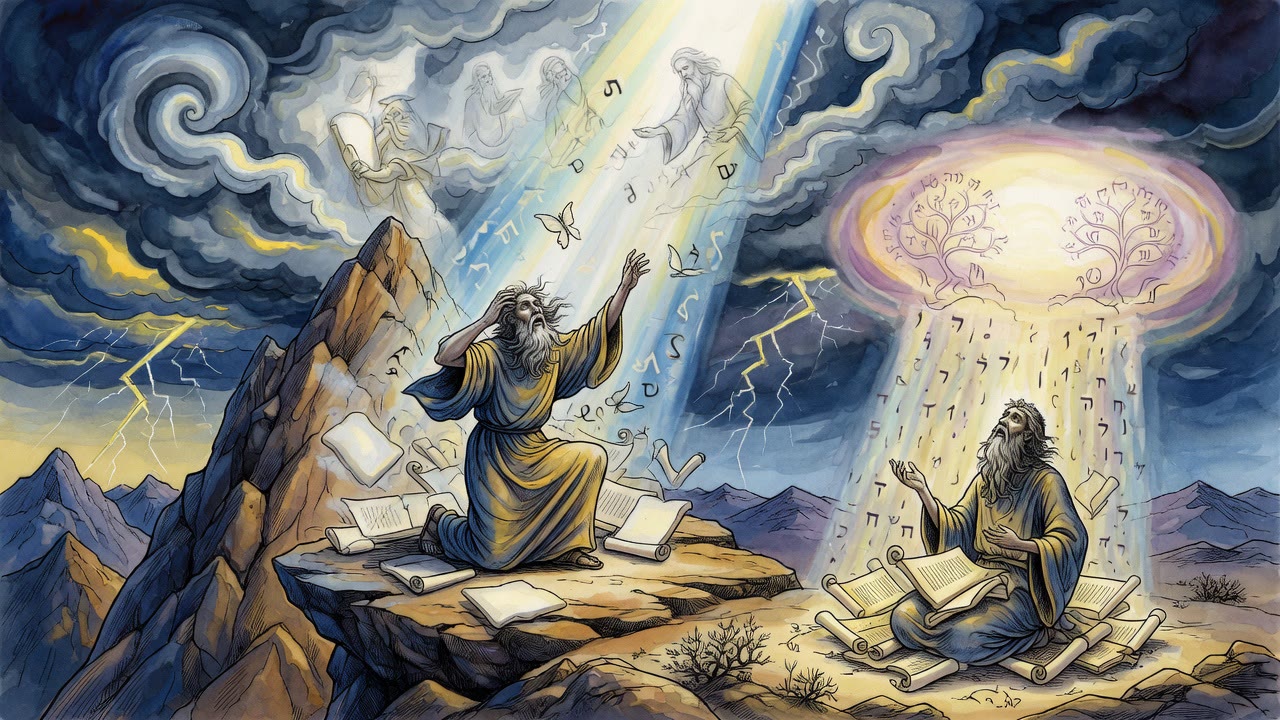
Twice Scripture speaks of a "calling." God called the light Day. God called Moses. Light is Torah: the commandment is a lamp, and the Torah is light. Who is greater, the one who captures or the one captured? The captor. Moses went up on high and took the Torah captive, and Scripture sings that he led captivity captive. Therefore the Holy One set him head in this world, and promised that in the world to come, when the righteous gather for their reward, Moses would come at the head of them all.
The Tent is small compared with the highest heavens. Love prefers the small place when the small place holds Israel. Moses is called into that preference, not into a palace of pure light far from the camp's noise and goats.
A Path Carved for One Man
Was the Voice at the Tent a soft whisper? No. It was the Voice of Sinai again, the one that stopped Israel's breath. At the Tent it reached Moses alone. The Holy One weighs every word like wind upon a scale and carves a path so the sound runs straight to one servant and is heard nowhere else, not to this side, not to that. As with Samuel called by name in the night, so with Moses. The righteous who carry out His word hear the speaking and do not die of it.
Outside, the people who could not endure one more word at Sinai go about their camps. Inside, the cloud holds a conversation prepared for a single ear. The builder who refused to enter without invitation now walks in under a Name spoken for him alone.
No echo. No side blast that topples a neighbor's tent. The same Voice that once filled a nation is now a narrow corridor of sound. Precision is another form of mercy.
The Flap That Opened Only Once
Fear and humility stand together at the threshold. Moses does not confuse labor with license. He made the dwelling and still waits for the call that turns labor into audience. The angels could not bear the Voice. Israel begged for silence. Moses waits until the Voice becomes a summons, not a storm.
Then the verse opens: And He called to Moses. The flap lifts. The mountain's thunder becomes a private path. The head of the people enters the Tent the Holy One chose over the upper worlds, and the first word of Leviticus is not a law but a name spoken with love.
Behind him the camp still bustles. Ahead of him the cloud thickens into speech. Between bustle and cloud stands the man who outlasted angels and still refused to enter first. The call finds him exactly where humility left him: outside, ready, waiting for the only permission that counts.
← All myths